Updated July 14, 2026.
A 6.7 Cummins intake horn can help, but it is not a magic horsepower part for every Ram owner. On a stock daily driver, the first job is diagnosis. On a tuned tow rig, high-mileage work truck, or engine that already has soot, heat, and boost-leak symptoms, the intake horn becomes a more serious airflow and reliability decision.
The intake horn sits in the charge-air path between the intercooler piping and the intake side of the engine. When the path is restricted, dirty, leaking, or complicated by grid heater concerns, the truck may feel lazy under load, smoke more than expected, build EGT faster, or fail to respond the way the tune and turbo setup should.
This guide explains when a 6.7 Cummins intake manifold upgrade makes sense, when the stock setup is still fine, what to check before buying parts, and how to think about grid heater delete versus grid heater upgrade without turning a useful repair into a winter starting problem.
Key Takeaway: Upgrade the intake horn when the truck is tuned, towing hard, showing intake restriction, fighting soot buildup, or already being opened for grid heater work. If the truck is stock, healthy, and used lightly, inspect the boots, MAP sensor, gasket area, and charge-air pipes first.

What Does the Intake Horn Do on a 6.7 Cummins?
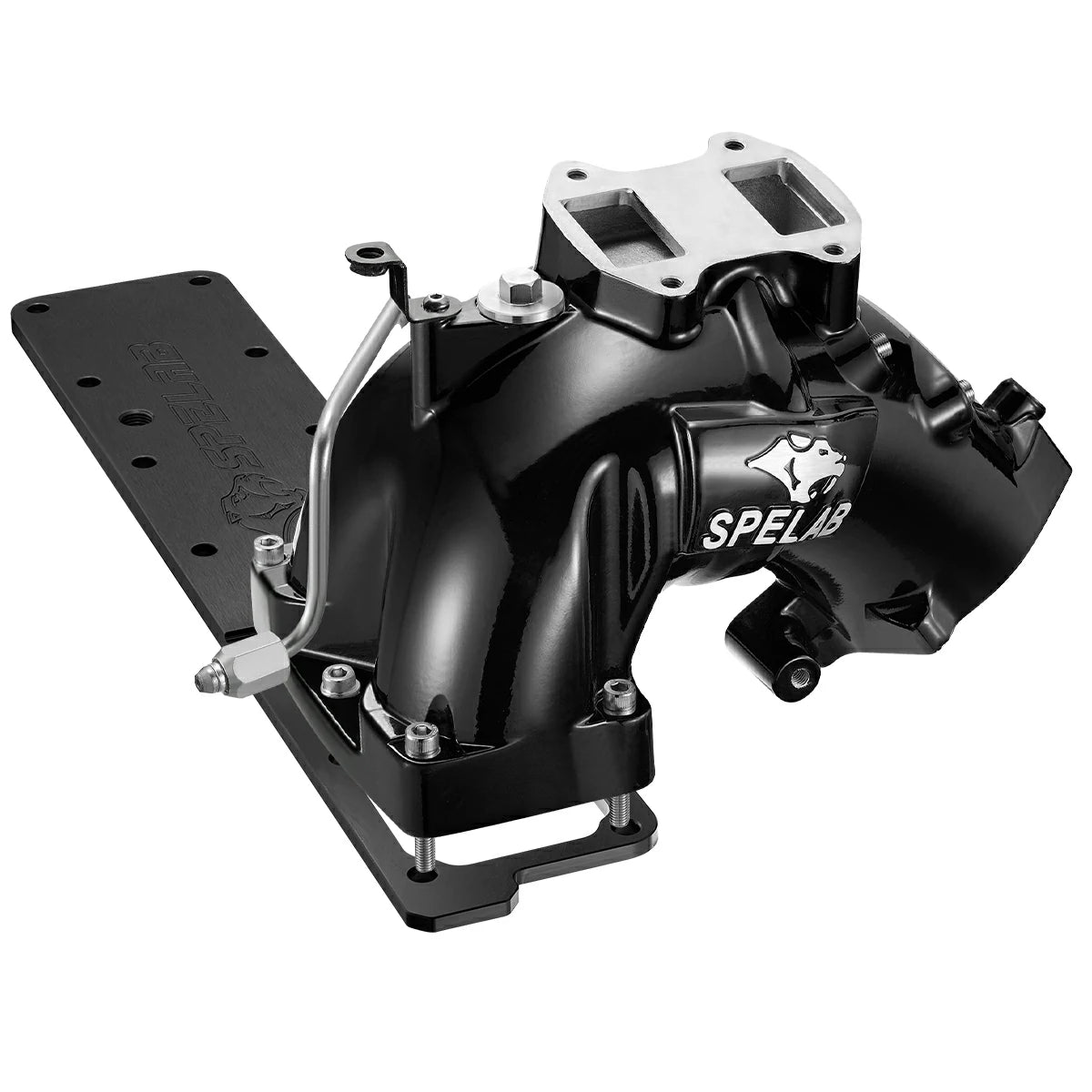
The intake horn directs cooled, pressurized air from the intercooler side into the engine's intake path. It is part of a bigger airflow chain: turbocharger, intercooler, charge pipe, boots, clamps, intake horn, grid heater area, MAP sensor, and intake plenum.
That is why intake horn problems rarely feel isolated. A driver may describe the truck as slow to spool, soft under throttle, smoky while towing, or hotter than expected on a long grade. Sometimes the horn is the restriction. Sometimes the real issue is a split boot, loose clamp, dirty MAP sensor, EGR soot, CCV oil vapor, or a bad gasket. Start with the system, not one shiny part.
The factory-style path also has packaging compromises: bends, sensor bosses, grid heater obstruction, and neck-down areas that can become more noticeable when boost demand goes up. A larger, smoother intake horn does not make airflow free, but it can reduce pressure drop in a setup that already needs more consistent air delivery.
For owners comparing parts, the Cummins intake manifold options page is a useful place to narrow by year, design, and heater strategy after diagnosis is done.

Does an Intake Horn Help a Stock 6.7 Cummins?
On a healthy stock truck, an intake horn usually feels like a supporting upgrade, not a night-and-day transformation. You may notice cleaner throttle response or a little less restriction, but it will not fix a weak turbo, bad sensor, fuel issue, exhaust restriction, or active limp-mode fault.
Where it starts to matter is under load. A Ram 2500 pulling a camper through summer heat asks much more from the charge-air system than a stock truck commuting across town. If the truck tows, runs larger tires, has tuning, or regularly sees high boost demand, reducing intake-side restriction becomes more useful.
| Truck Situation | Should You Upgrade? | Why | First Check |
|---|---|---|---|
| Stock daily driver, no symptoms | Optional | Factory setup may be enough | Inspect boots, clamps, MAP sensor, and oil residue |
| Towing or hauling regularly | Worth considering | Better airflow path can help consistency under load | Watch EGT, boost target vs actual, and smoke under throttle |
| Tuned truck or larger turbo setup | More important | Higher airflow demand exposes intake restriction faster | Pressure test the charge-air system first |
| Heavy soot around the intake throat | Inspect before replacing | EGR soot and CCV oil can create sticky sludge | Clean sensor area and check the gasket surface |
| Grid heater bolt concern | Depends on climate and use | Deleting heat may solve one risk but create cold-start tradeoffs | Decide between heater delete and integrated heater upgrade |
If the truck loses power mainly in hot weather or under trailer load, read the pattern before replacing parts. This boost-leak diagnosis helps separate an intake restriction from a leaking boot or charge pipe.
Real Symptoms That Point Toward Intake-Side Trouble
A bad intake horn is not always obvious at idle. Most symptoms show up when the truck is hot, loaded, tuned, or climbing a grade.
- Lazy throttle response after the turbo starts building boost
- Higher EGT than expected while towing
- Black smoke under load when boost feels low
- Oil or soot residue around boots, clamps, or the intake horn gasket
- Hissing, whooshing, or underboost behavior during acceleration
- MAP sensor covered in oily soot
- Repeat gasket seepage around the intake horn flange
- Power gains from tuning feel smaller than expected
That last one matters. Some owners buy an intake horn because a dyno chart looked good, but the better reason is airflow consistency. If the charge-air system cannot hold pressure or the MAP sensor is slow from soot, a high-flow horn alone will not make the truck right.
For scan-tool work, useful data points include desired boost vs actual boost, MAP and IAT readings, soot-related sensor response, and underboost codes such as P0299 or intake pressure plausibility codes such as P0106. CFM numbers are useful for comparing part design, but the truck still has to seal and control boost in the real world.

Grid Heater Delete vs Intake Horn With Heater: Do Not Ignore Climate
The 6.7 Cummins grid heater topic gets loud online for one reason: the "Grid Heater Bolt of Doom." The concern is that heater connection hardware can loosen after heat cycles, vibration, corrosion, and soot/oil contamination. If hardware drops into the intake stream, Cylinder 6 is often the nightmare scenario owners talk about, because debris can turn a small inspection issue into piston, valve, or cylinder damage. That risk is real enough to inspect, but it does not mean every owner should remove cold-start heat without thinking.
If you live in Arizona, tow off-road, and never start the truck below freezing, a grid heater delete strategy may be easier to justify. If you live in Montana, North Dakota, Canada, or anywhere the truck starts outside in winter, deleting heat can create hard starts, white smoke, extra starter load, and rough cold operation.
This is also where the intake heater solenoid, heater wiring, and calibration handling matter. If the truck expects heater feedback and you remove parts without a clean plan, you can create heater-voltage or cold-start related codes. HP Tuners, EZ LYNK, MM3, and Switch-on-the-Fly (SOTF) tuning are not magic fixes; they must match the hardware, climate, and legal use case.
That is why many owners compare a 6.7 Cummins grid heater delete plate against an intake horn that keeps a heating element. The right choice depends on climate, emissions setup, tuning, and whether the truck is a daily driver or a competition/off-road build.
For a deeper decision tree, this cold-start decision guide is a better next read than guessing from forum comments.

What About Carbon Buildup?
On emissions-equipped 6.7 Cummins trucks, intake sludge usually comes from a mix of dry EGR soot and oily CCV vapor. That mixture can collect around the EGR inlet, grid heater area, MAP sensor, and intake throat. The result is not just dirty metal. It can change airflow, sensor response, and throttle feel.
An upgraded intake horn can provide a cleaner, less restrictive path, but it does not stop carbon by itself. If the EGR system is still active, soot can still return. If the CCV system still feeds oil vapor into the intake, sticky residue can still form. Cleaning, sensor care, CCV oil control, legal emissions repair, or off-road-use emissions hardware decisions all need to match the truck's actual setup.
If your main concern is sludge instead of airflow, diagnose the carbon source before assuming the horn is the whole problem. Oil vapor, EGR soot, weak drive cycles, and dirty sensors can all change the repair path.
Before You Buy: Three-Minute Intake-Side Check
Do this before ordering parts. It can save you from replacing the wrong component, especially when a cheap boot leak is pretending to be an intake horn problem.
- Build or borrow a simple boost-leak tester. Many DIY owners use a 3-inch or 4-inch rubber cap with a Schrader valve, then clamp it to the charge-air opening they are testing.
- Use regulated air only. Start low, often around 10-15 psi, and increase only if your tooling and system setup are safe for it. Do not let shop air spin the turbo or overload sensors.
- Spray soapy water on the likely leak points. Check the intake horn flange, intercooler boots, MAP/IAT sensor ports, clamps, and any EGR or throttle-valve junctions still on the truck.
- Watch for bubbles, not guesses. A visual bubble trail under pressure beats staring at dried oil stains and hoping you found the problem.
- Clean the MAP sensor after inspection. If it is caked in oily soot, use proper electronics-safe sensor cleaner, not brake cleaner.
- Confirm model year and cab style. Some kits have important fitment notes for cab-and-chassis or specific year ranges.
- Decide heater strategy first. Do not buy a delete-style setup if you actually need cold-start support.
If you are still sorting model-year differences, use this year-by-year fitment check before ordering.
Fitment and Upgrade Paths
| Upgrade Path | Best For | Watch Out For |
|---|---|---|
| Stock horn inspection and cleaning | Healthy stock trucks with no towing heat or boost symptoms | Does not solve grid heater hardware risk if that is your concern |
| 6.7 Cummins intake horn with grid heater | Owners who want airflow improvement while retaining cold-start help | Confirm fitment and sensor / bracket transfer before teardown |
| 3.5-inch intake manifold with heating element | Higher-airflow builds that still need heater support | Check clearance, boot alignment, and sensor routing carefully |
| 6.7 Cummins intake manifold and EGR delete kit | Documented off-road or competition builds where emissions modification is legally allowed | Not a public-road repair path; tuning, compliance, and inspection risk must be understood |
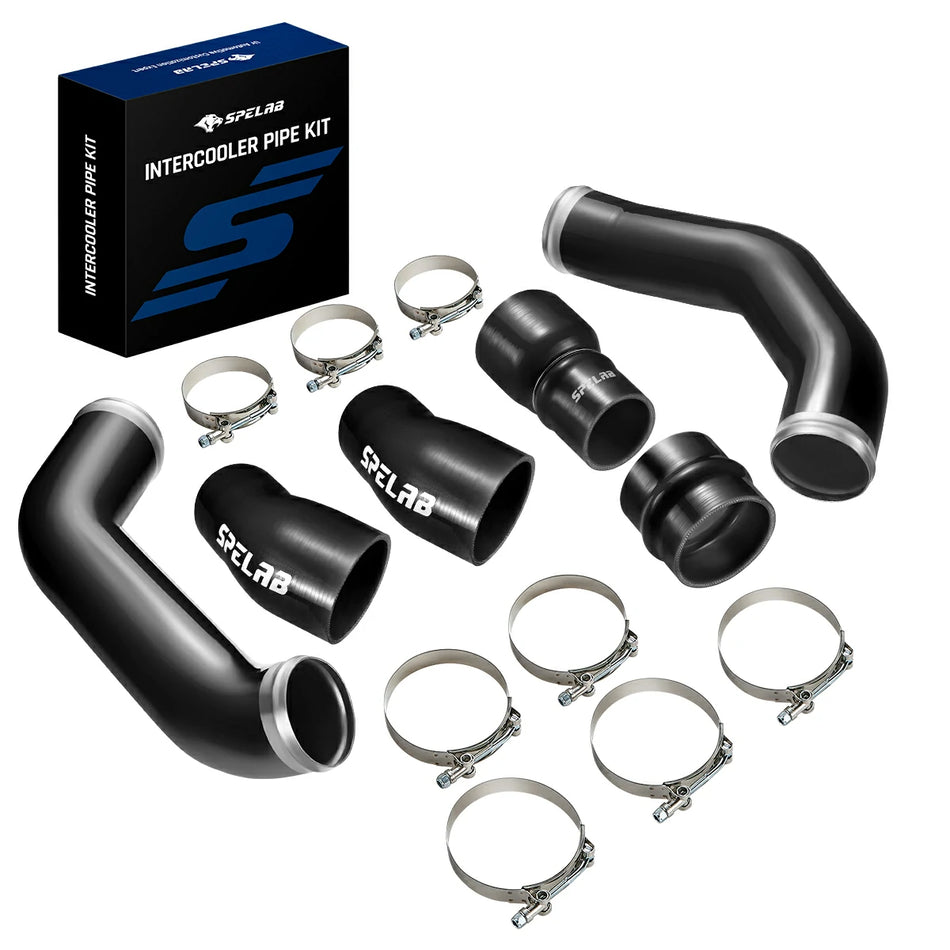
| Cummins intercooler pipe kit | Trucks with boost leaks, slipping boots, or charge-pipe weakness | Pipe repair should come before blaming the intake horn |

Installation Reality: What DIY Owners Actually Fight
The job is not impossible, but it is not just "remove bolts and install shiny part." The common frustrations are tight access, dirty sensor ports, stubborn boots, bracket alignment, and making sure the intake gasket seats evenly.
- Transmission dipstick bracket: Cheap or rushed installs can leave the tube stressed. Loosen the lower bracket if needed, line everything up, then tighten.
- MAP sensor cleaning: Clean the sensor while it is out. Do not scrape the element or soak it with harsh solvent.
- Boot seating: Seat the silicone boot past the bead before tightening the clamp. A clamp on the edge of the bead can slip under boost.
- Gasket surface: Clean the flange and avoid pinching the gasket. A tiny leak here can sound like a turbo problem later.
- Auxiliary NPT ports: If your specific intake horn includes NPT ports, cap unused ports, use proper thread sealant, and verify boost-gauge, sensor, or water/meth compatibility before plumbing anything into them.
- Post-install check: Start the truck, listen for hissing, check for codes, then recheck clamps after a heat cycle.
- Tuning and emissions: Do not assume hardware alone solves calibration or legality issues. Match the setup to the truck's real use.
What Gains Should You Expect?
Be honest with yourself here. On a stock truck, an intake horn is mostly about reducing restriction, cleaning up airflow, and preparing the intake side for future work. On a tuned truck with more airflow demand, the benefit is easier to feel because the rest of the setup can actually use the extra flow.
Exact horsepower, torque, MPG, and EGT changes depend on turbo setup, tuning, fuel delivery, intercooler health, ambient temperature, trailer weight, gearing, and driver behavior. If a page promises a fixed gain for every truck, be skeptical. A good intake horn supports the build; it does not override bad diagnostics.

FAQ
Does a 6.7 Cummins intake horn add horsepower?
It can support more power, especially on tuned trucks, but it is not a guaranteed fixed horsepower gain. The real benefit is reducing intake-side restriction and helping the rest of the airflow system work more consistently.
Should I upgrade the intake horn before fixing a boost leak?
No. Fix boost leaks first. A leaking boot, loose clamp, or cracked pipe can waste boost before the air ever reaches the intake horn.
Will an intake horn lower EGT?
It may help if the original intake path was restrictive and the truck has enough airflow demand, but EGT depends on tuning, boost, fueling, trailer weight, gear selection, turbo behavior, and intercooler performance.
Do I need to delete the grid heater?
Not always. Grid heater delete can remove a known concern, but it also removes cold-start help unless another heater strategy is used. Cold-climate daily drivers should think carefully before deleting heat.
Can I keep the truck emissions-compliant with an intake horn upgrade?
Some intake-side upgrades may retain emissions equipment depending on the exact part and installation. EGR delete hardware is different and can affect road-use legality. Confirm the product, local rules, and vehicle setup before ordering.
What should I clean during installation?
Clean the MAP sensor carefully with electronics-safe sensor cleaner, wipe the gasket surface, inspect boots and clamps, and remove loose soot or oil sludge from accessible intake areas without pushing debris into the engine.
Does a 6.7 Cummins intake horn fit cab-and-chassis trucks?
Fitment can vary. Always verify the product page, model year, engine, and cab configuration before ordering. Cab-and-chassis trucks may have different packaging or emissions layouts.
The Practical Takeaway
A 6.7 Cummins intake horn helps most when the truck actually needs more stable airflow: towing, tuning, higher boost, soot buildup, intake-side service, or grid heater planning. It is less urgent on a healthy stock truck that never works hard.
The smart path is simple: inspect the charge-air system, clean the sensor area, check for boost leaks, decide whether cold-start heat matters, then choose the intake horn that fits your truck and use case. That approach feels less exciting than buying the biggest part first, but it is how good diesel owners avoid doing the same job twice.

About the Author
John Lee
Mechanical Engineer | 10+ Years Experience
John has spent the last decade engineering and testing high-performance automotive components. Specializing in drivetrain durability and thermal management across Powerstroke, Cummins, and Duramax applications, he bridges the gap between OEM limitations and aftermarket performance. His philosophy: "Factory parts are just a starting point."