2 Products
Oil Catch Can
What is an Oil Catch Can and How Does It Work?
In modern internal combustion engines—especially turbo-diesel trucks, 4WD off-roaders, and high-performance vehicles—combustion gases can escape past the piston rings and into the crankcase, a process known as blow-by. These gases often contain oil mist, unburned fuel vapors, and moisture, which are rerouted through the PCV system back into the intake. This can lead to carbon buildup, EGR system contamination, and even turbocharger wear over time.
The SPELAB oil catch can kit addresses this issue directly. Designed for use with both gasoline and diesel engines, it installs between the PCV system and the intake manifold to trap harmful residues before they cycle back into the combustion process. While it doesn’t enhance horsepower or fuel efficiency directly, it offers practical engine protection and lower long-term maintenance, especially for drivers pushing their engines hard.
What Are the Benefits of Installing a SPELAB Oil Catch Can?
Before diving into SPELAB’s oil catch can kit, it's important to understand what this device is and how it works. An oil catch can is a small reservoir installed between your engine’s PCV (Positive Crankcase Ventilation) or CCV (Crankcase Ventilation) system and the intake manifold. Its job is to trap oil mist, fuel vapors, and moisture from blow-by gases before they re-enter the combustion system.
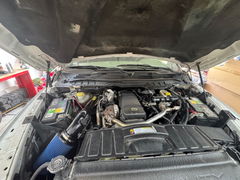
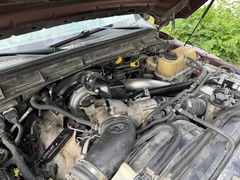
In factory CCV systems—especially on modern turbo-diesel engines like the 2006 Duramax 6.6L, 2017 Ford F-250 6.7L, or 5.7 HEMI—these blow-by gases are often rerouted back into the intake manifold unfiltered. Over time, this causes throttle body sludge, EGR valve contamination, and potential turbocharger damage.
Installing a SPELAB oil catch can kit, particularly when paired with a CCV reroute or delete kit, reroutes and filters these gases to ensure cleaner engine operation and long-term reliability.
Why Choose the SPELAB Oil Catch Can?
Among the many options on the market, the SPELAB oil catch can kit stands out for its premium design and wide compatibility. It features a 300ml high-capacity aluminum tank, a dual-chamber internal baffle system, and a breather filter to improve vapor separation efficiency. With a removable bottom for easy drainage and an integrated dipstick for quick fluid level checks, this catch can is built for convenience and performance.
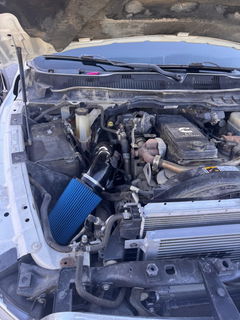
SPELAB’s universal application allows it to fit both gasoline and diesel vehicles, including platforms like the BMW N54 engine and 2020 RAM 2500 with 6.7L Cummins diesel. It's particularly effective on modified performance engines or heavy-duty applications, such as off-roaders and towing vehicles.
Compared to standard catch cans, the SPELAB oil catch can kit offers superior filtration and user-friendly features, making it a top choice for both DIY enthusiasts and professional tuners looking for reliable engine protection.
Benefits of Installing a SPELAB Oil Catch Can
While the SPELAB oil catch can kit performs well under regular conditions, its real value shines in demanding environments. For vehicles used in heavy towing, off-roading, extended idling, or stop-and-go urban driving—such as the 2021 Ford F-150 EcoBoost 3.5L—engines are more prone to oil vapor buildup, throttle body sludge, and intake carbon deposits. Over time, these can degrade throttle response, turbo efficiency, and fuel-air mixture balance.
Installing a SPELAB oil catch can kit helps separate these contaminants before they enter the intake, preserving throttle performance, reducing carbon buildup, and stabilizing idle RPMs. Many users report smoother throttle response, reduced hesitation, and cleaner intakes after installation.
More importantly, for high-demand driving conditions, the system can save an estimated $300–$600 per year in cleaning and maintenance costs related to the intake system, making it a smart, cost-effective investment for long-term engine care.
Installation Guide
Want to see how the SPELAB oil catch can kit installs on your vehicle?
Check out our step-by-step video tutorial here:
👉Click to Installation & Fitment Guide
Optimized Applications for Specific Diesel Engines
For certain turbo-diesel engines, the factory CCV system routes oily blow-by gases directly back into the intake manifold. Over time, this causes sludge buildup, EGR fouling, intake contamination, and premature turbo wear. The SPELAB oil catch can kit, when paired with a CCV reroute or delete kit, offers tailored protection for these engines:
-
2017 Ford Super Duty F-250 6.7L Power Stroke: Built for towing and heavy loads, this engine benefits from rerouting oily gases away from the intake to protect turbo and EGR systems.
-
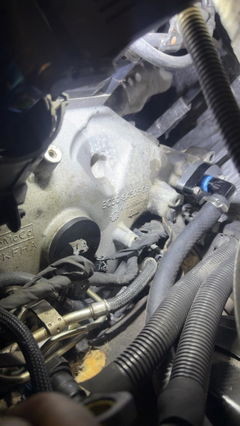
2006–2007 Chevy Silverado 2500HD 6.6L Duramax LBZ: Frequently used in off-road and towing scenarios, this engine sees improved intake cleanliness and turbo longevity with a catch can.
-
2022 RAM 1500 3.0L EcoDiesel: Even in light-duty applications, fine oil vapors can accumulate. The catch can reduces oil film in the turbo inlet.
-
2020 Jeep Grand Cherokee 3.0L V6 Diesel: Stop-and-go urban driving leads to PCV inefficiency—installing an oil catch can helps stabilize power delivery and extend maintenance intervals.
SPELAB’s diesel-focused optimization ensures maximum performance, reliability, and protection—without affecting emissions compliance.
Advanced Product Recommendations to Optimize Oil Vapor and Fuel Mist Management (for CCV Reroute + Oil Catch Can Users)
If you've already installed the SPELAB CCV Reroute Kit + Oil Catch Can, congratulations—you've taken the most essential step in controlling crankcase oil vapor and blow-by gases.
To further enhance the system's efficiency, reduce long-term buildup, and increase overall engine ventilation stability, consider pairing with the following advanced components:
1. High-Performance Breather Filter / Valve Cover Vent
-
Purpose: Boost crankcase ventilation and relieve pressure build-up.
-
Installation: Can be mounted on the catch can, valve cover, or vent port.
-
Effect: Prevents pressure spikes and vapor backflow; promotes cleaner engine breathing.
2. One-Way Check Valve
-
Purpose: Stops oil vapor from flowing back into the intake under engine vacuum.
-
Installation: Inline between the catch can and intake manifold.
-
Effect: Ensures proper one-directional flow in the system and improves oil separation efficiency.
3. Reinforced Oil-Resistant Hose Kit
-
Purpose: Resists heat, pressure, and oil degradation over time.
-
Recommended for: High-load diesel engines like the RAM 2500 6.7L Cummins.
-
Effect: Prevents leaks and maintains catch can system stability under extreme conditions.
4. Throttle Body & Intake Valve Cleaning Kit
-
Purpose: Removes residual sludge and carbon buildup in the intake system.
-
When to Use: After installing a catch can system, to reset system cleanliness.
-
Effect: Restores throttle response, improves airflow, and maintains fuel-air balance.
5. Upgraded PCV Valve (High-Flow or Pressure-Regulated)
-
Purpose: Maintains proper crankcase pressure and flow control.
-
Best Paired With: Catch can + reroute system for advanced airflow control.
-
Effect: Reduces pressure fluctuations and minimizes condensation in the lines.
Conclusion & Buying Guide
The SPELAB oil catch can kit is a high-efficiency, emissions-compliant solution designed for both gasoline and diesel engines. It effectively reduces sludge buildup and carbon deposits, helping to extend engine life. Whether you drive a heavy-duty diesel truck, an off-road vehicle, or a daily commuter, this system delivers long-term protection and performance benefits.
For even better results, pair it with accessories like the CCV reroute kit, breather filter, and check valve. Shop SPELAB products now or contact our support team for help selecting the right setup for your vehicle.
Browsing parts for:
Loading...
Select Your Vehicle
Recent:
Select Your Vehicle
Select Your Vehicle
Home
>
Oil Catch Can



CUSTOMER REVIEWS
4.84 ★ (5938)
Verified
FAQs about Oil Catch Can
Installation typically takes 30–60 minutes depending on your vehicle. Basic hand tools like screwdrivers, wrenches, and pliers are usually sufficient. The kit includes hoses, clamps, and a bracket, and most applications require no permanent modifications.
No issues here. The SPELAB oil catch can is a passive ventilation device that doesn’t interfere with the ECU, fuel system, or emissions. It is legal in most regions and doesn’t void factory warranties. California users should check local CARB requirements.
Yes. SPELAB’s oil catch can is designed for non-invasive installation and can be removed without leaving any permanent changes. This makes it ideal for users planning to sell their vehicle or revert to the factory setup.
It’s especially useful for turbocharged, high-horsepower, or heavy-duty engines such as EcoBoost, Duramax, Cummins, and HEMI. These setups typically produce more blow-by, and a catch can helps reduce intake contamination.
We recommend checking the catch can every 3,000–5,000 km (or 2,000–3,000 miles). SPELAB designs feature a built-in dipstick and removable bottom for quick, easy draining—no special tools required.