
4 Products


Let customers speak for us
Bennett Schauf
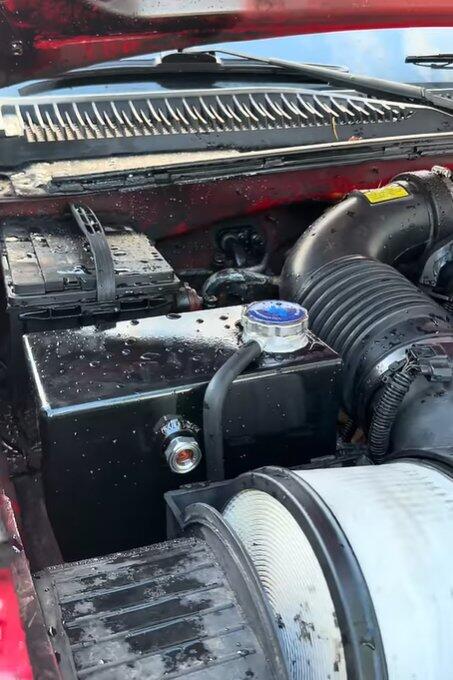
Great Product. Quality seems really good too.
Coolant Reservoir for 2001-2007 LB7 / LLY / LBZ DURAMAX Coolant Overflow Tank | SPELAB
ariel vergara
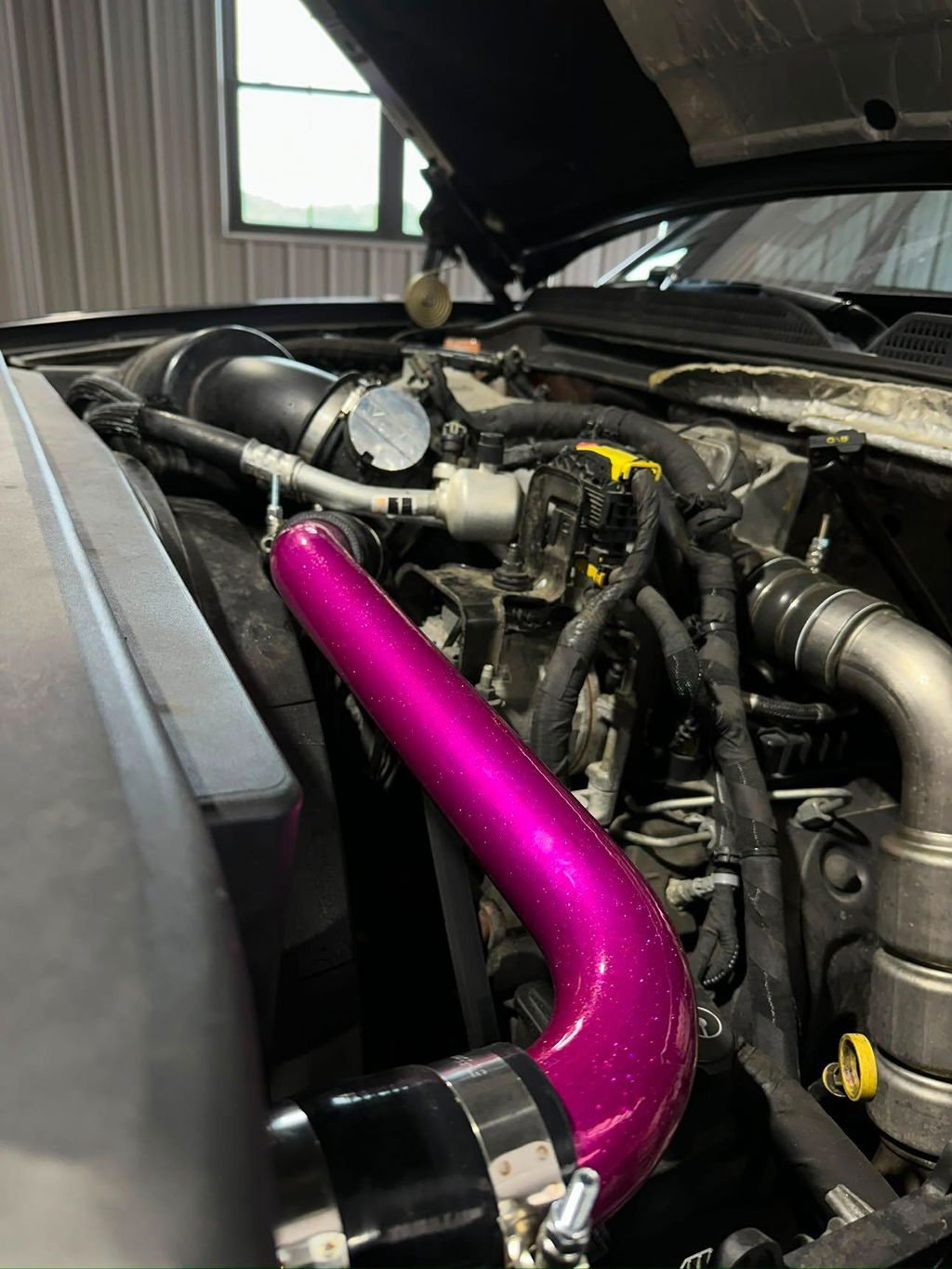
Easy to install, beautifully crafted
Upper Coolant Tube for 2017-2025 L5P 6.6L Duramax Chevy/GMC 2500HD/3500HD Coolant Pipe Kit | SPELAB
ariel vergara
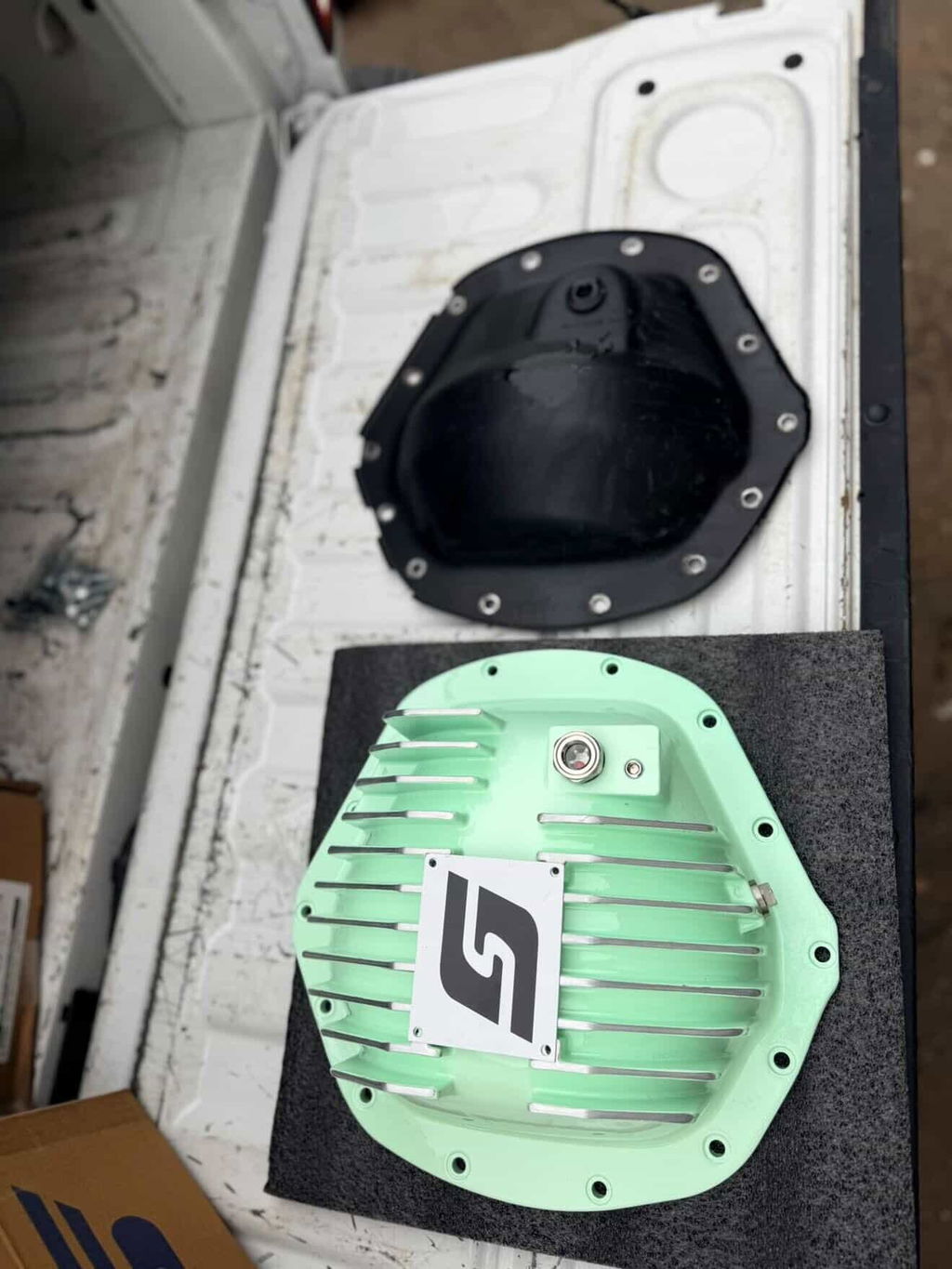
That's beautiful !
Differential Cover For AAM 11.5"/11.8″ 14 Bolts Rear Axle for 01-19 GM and 03-18 RAM | SPELAB
Nayan Persaud
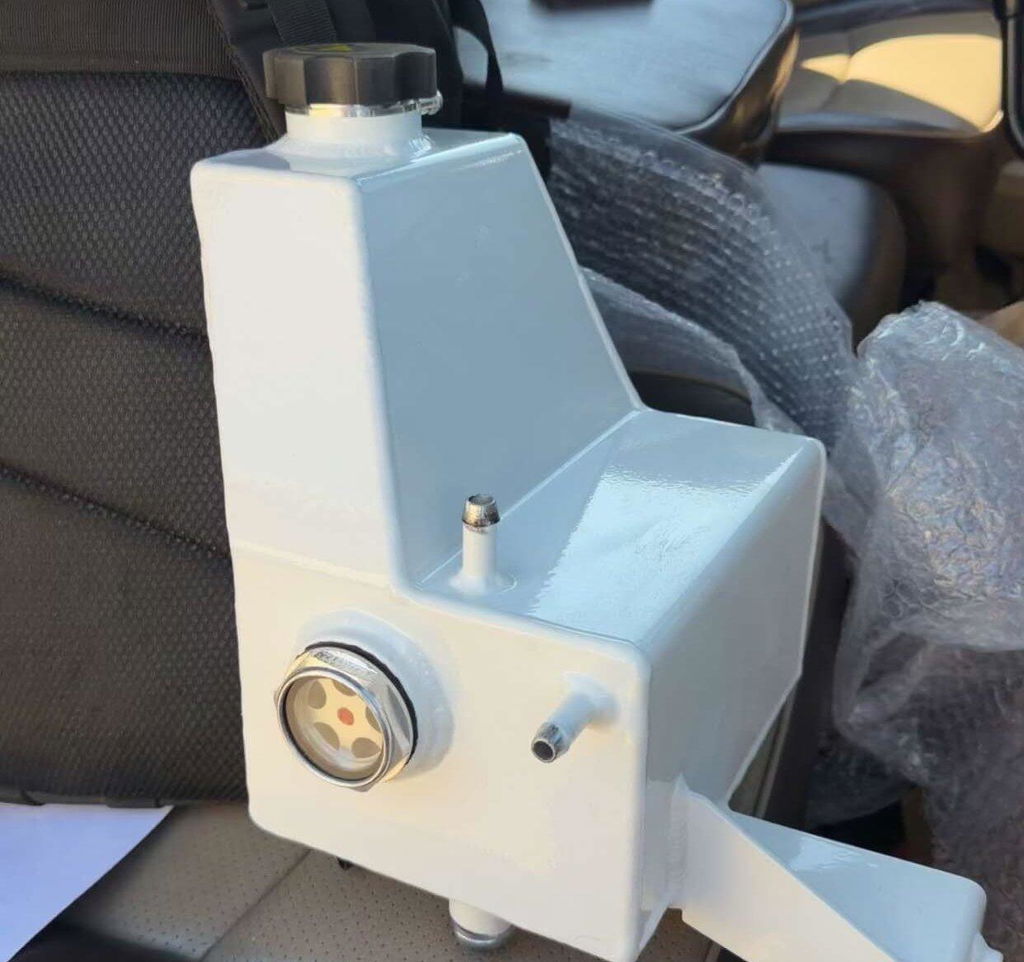
beautifully crafted
Coolant Reservoir Tank for 2013-2018 6.7L Dodge Ram 2500/3500 OEM Replacement | SPELAB
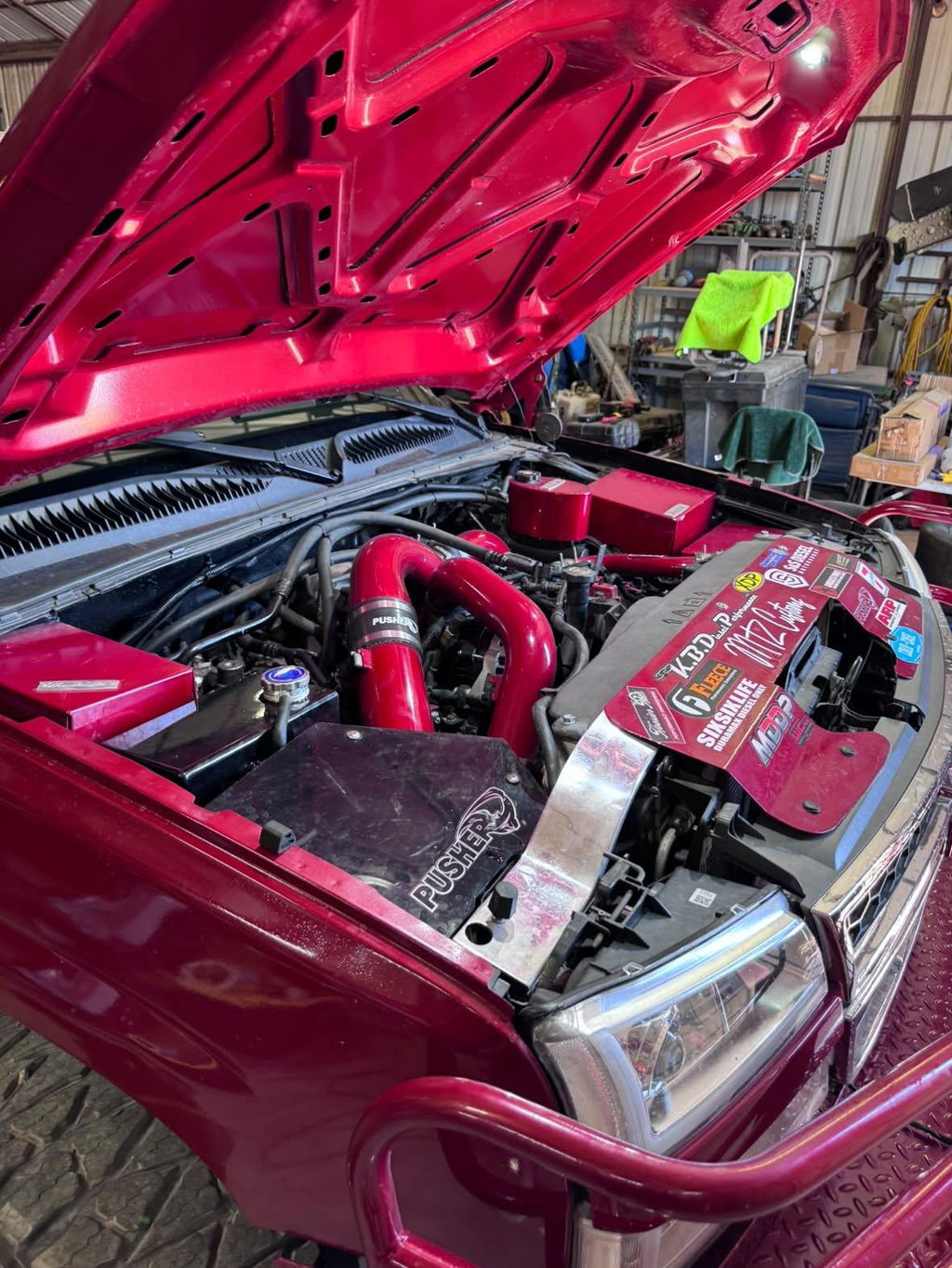
JOSHUA MOODY
It's beautiful, easy to install
It's beautiful, easy to install.
Coolant Reservoir for 2001-2007 LB7 / LLY / LBZ DURAMAX Coolant Overflow Tank | SPELAB
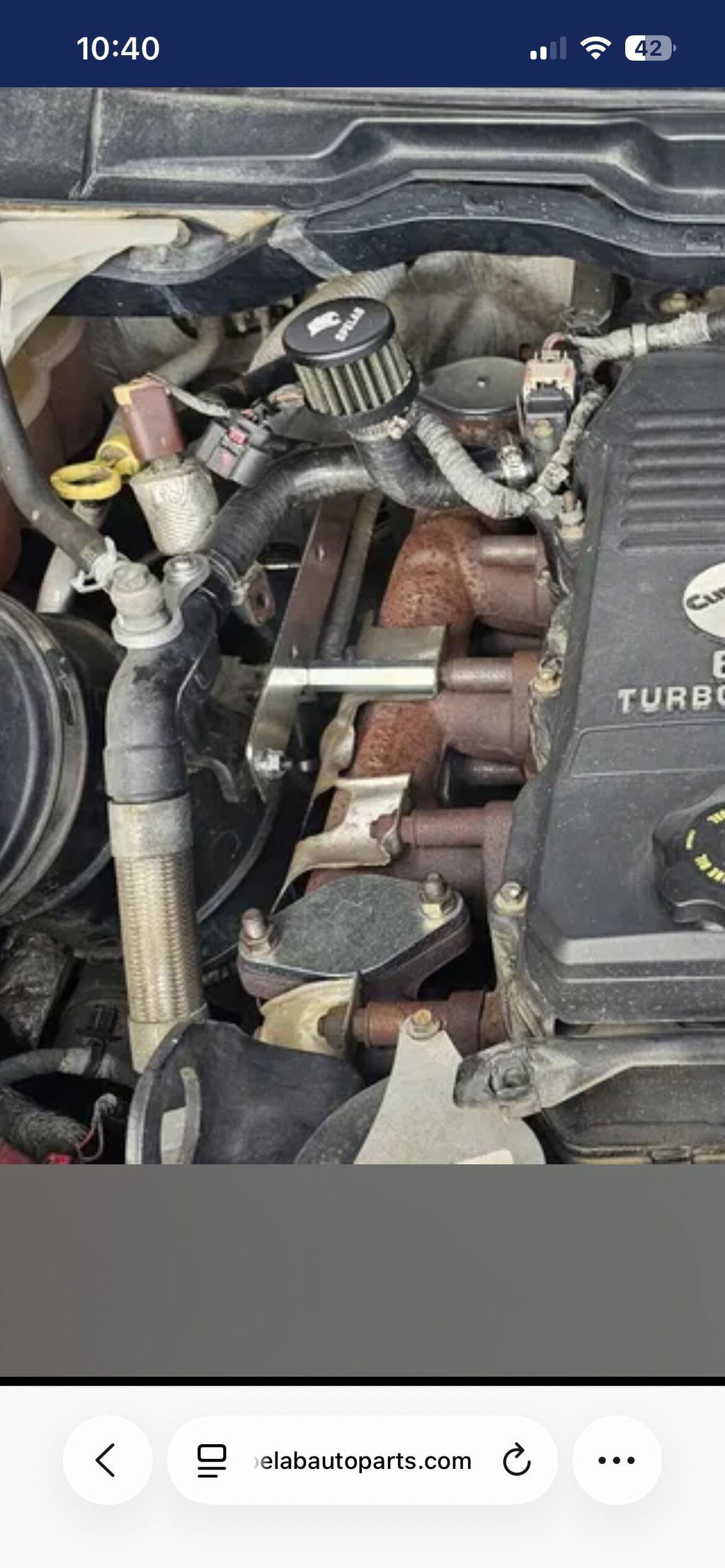
Shawn Young
6.7 Delete Pipe & EGR Delete
Great Product easy installation work flawlessly on my 2018 Ram 2500
For 4"/5" DPF Delete Race Pipe for 2013-2018 Dodge Ram 2500/3500 6.7 Diesel | SPELAB
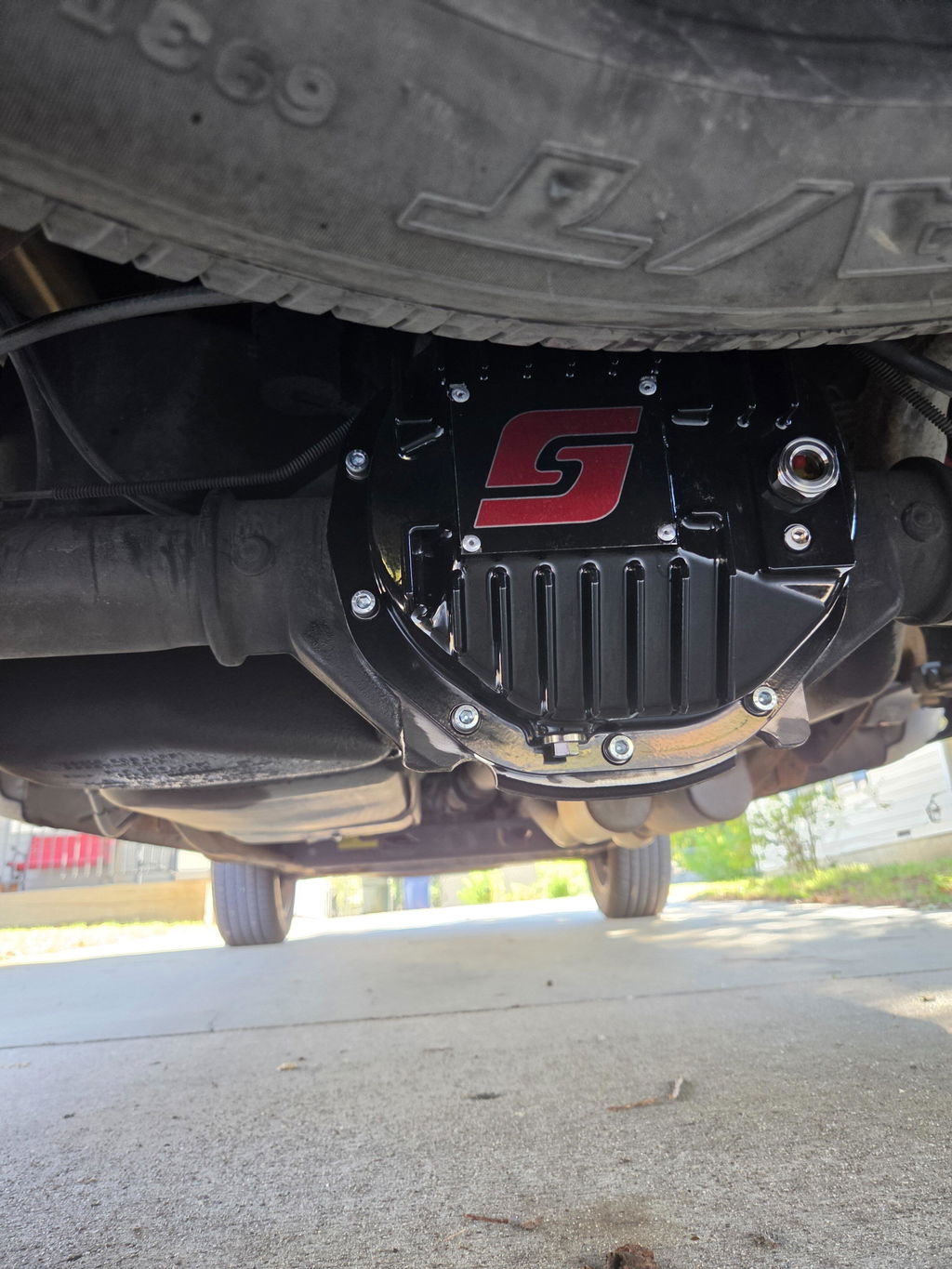
Joel Mondragon
As promised great product and perfect fit..Thank you SPELAB
Worry-Free Purchase
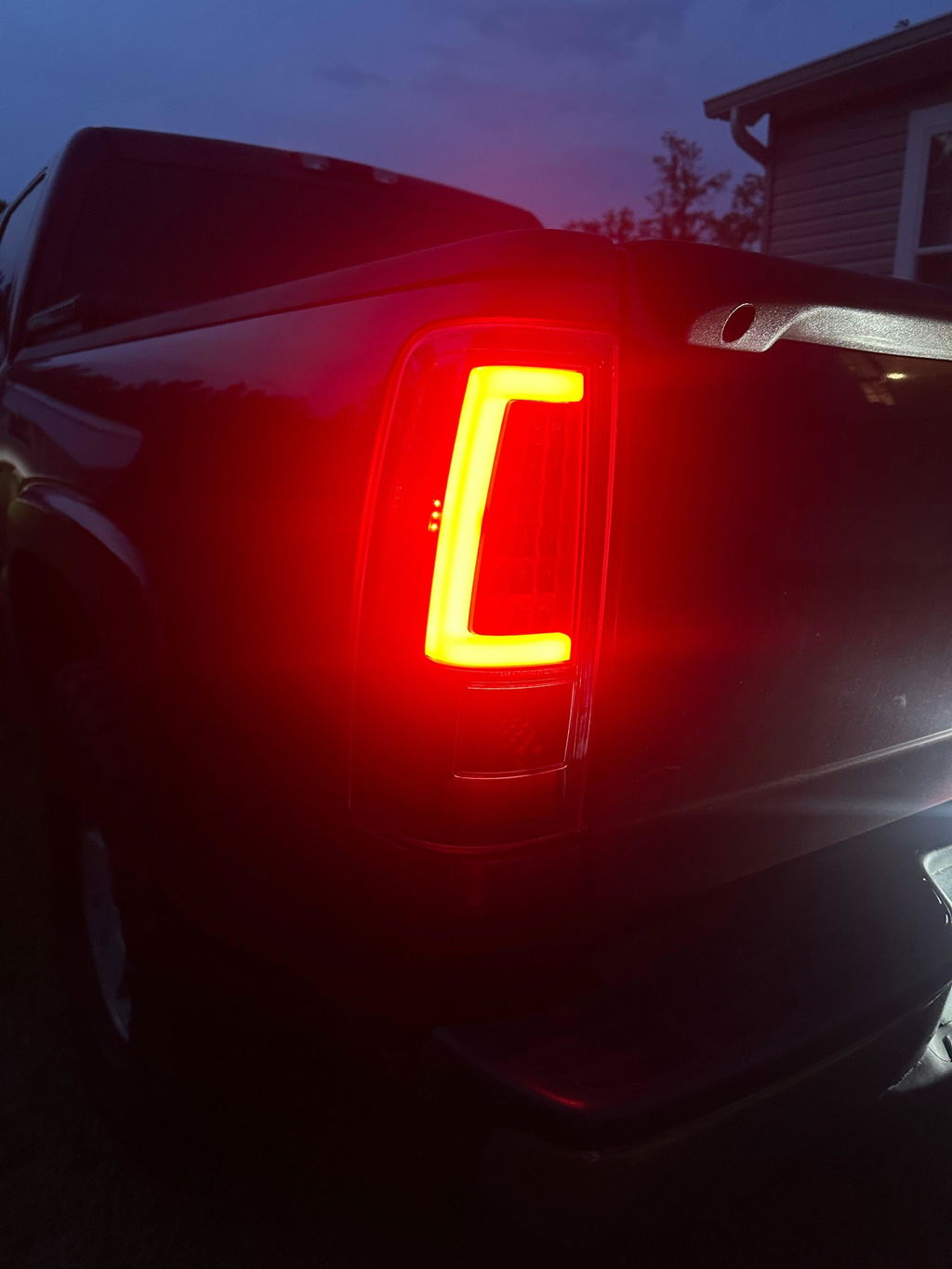
Hank Emmel
love the look
i love how they look on my truck
LED Tail Light Assembly Pair For 1999-2007 Duramax Chevy Silverado & GMC Sierra | SPELAB
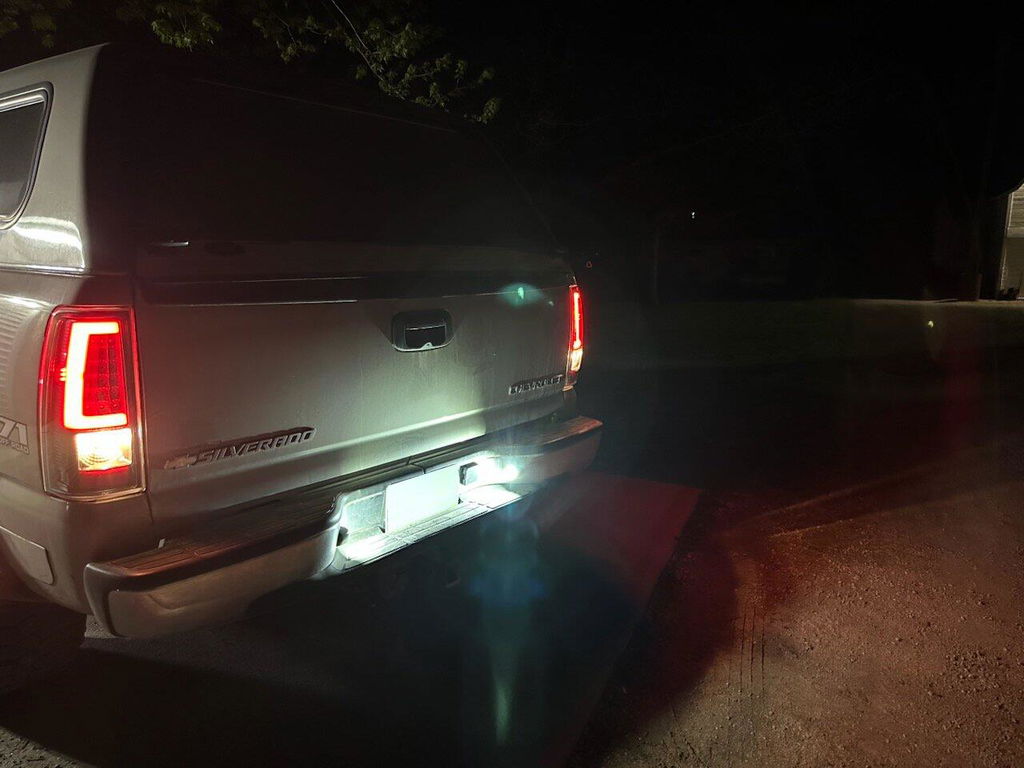
Darrell Hurd
Lights look great
Lights look great, and easy to install
LED Tail Light Assembly Pair For 1999-2007 Duramax Chevy Silverado & GMC Sierra | SPELAB
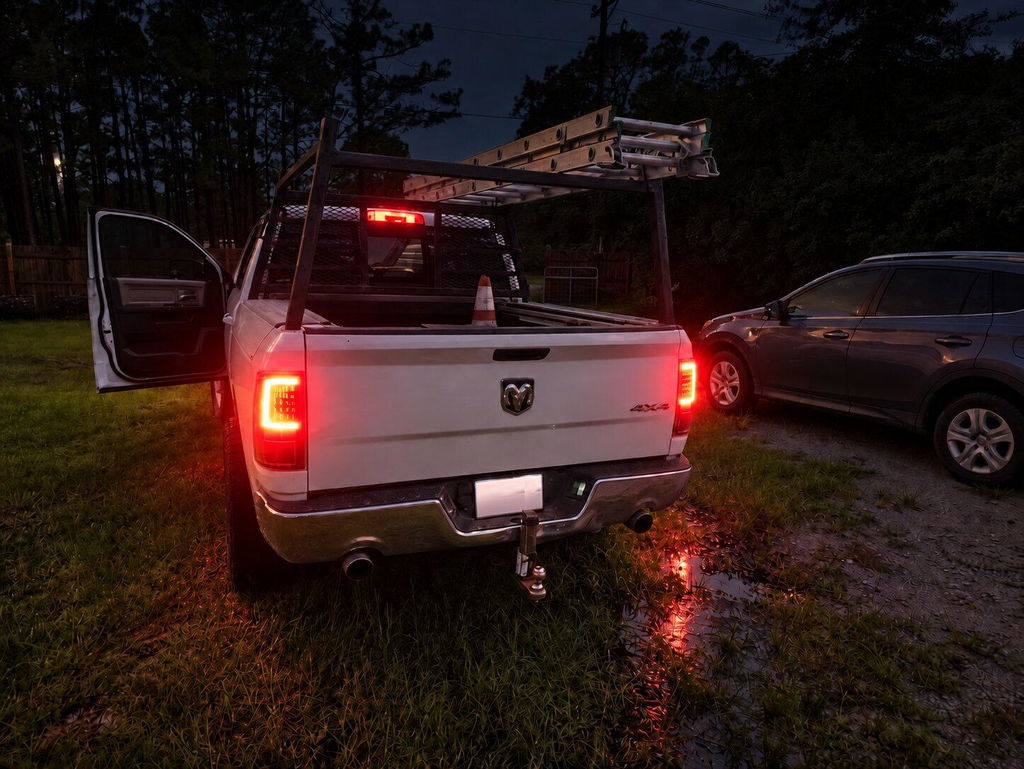
Tate Longoria
Looks awesome
The LED design looks awesome at night and gives the truck a much cleaner look from the back. Install was easy, everything worked right away, and I’m loving the upgrade.
LED Tail Light Assembly Pair For 2002-2018 Dodge Ram 1500/2500/3500 | SPELAB
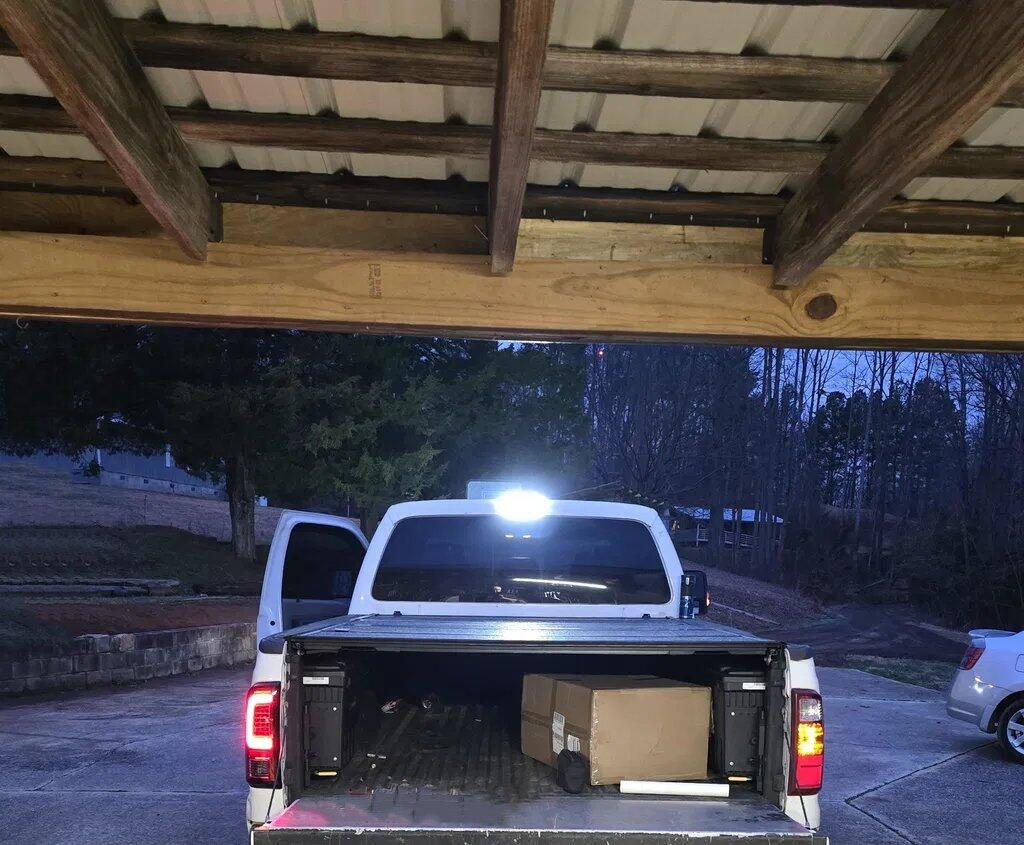
JOEL CAMERON
Looks better than stock
Looks better than stock.
LED Tail Light Assembly Pair For 1997-2016 Ford F150/F250/F350/F450/F550 Powerstroke Super Duty | SPELAB
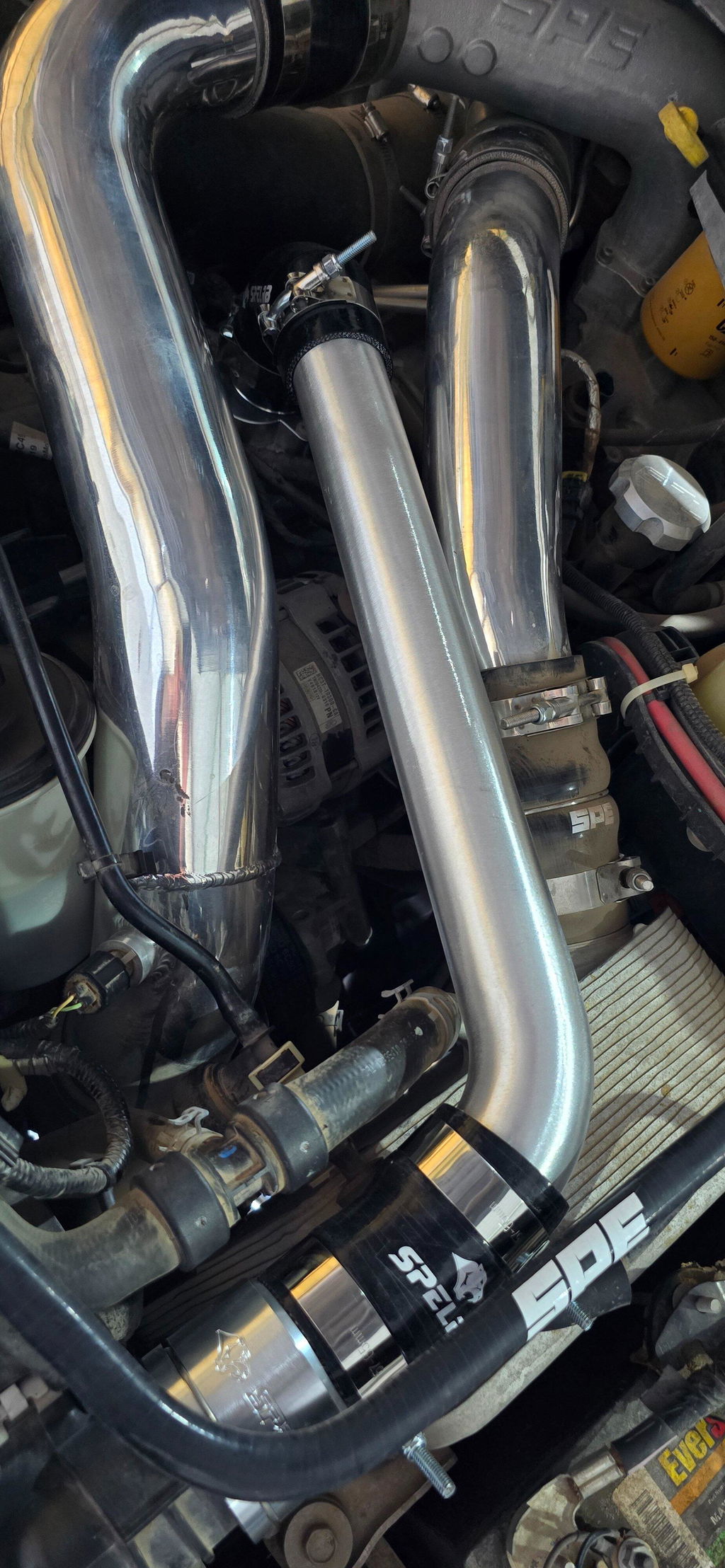
Arturo Lucero
The Best
Great fit and look, has performed flawlessly
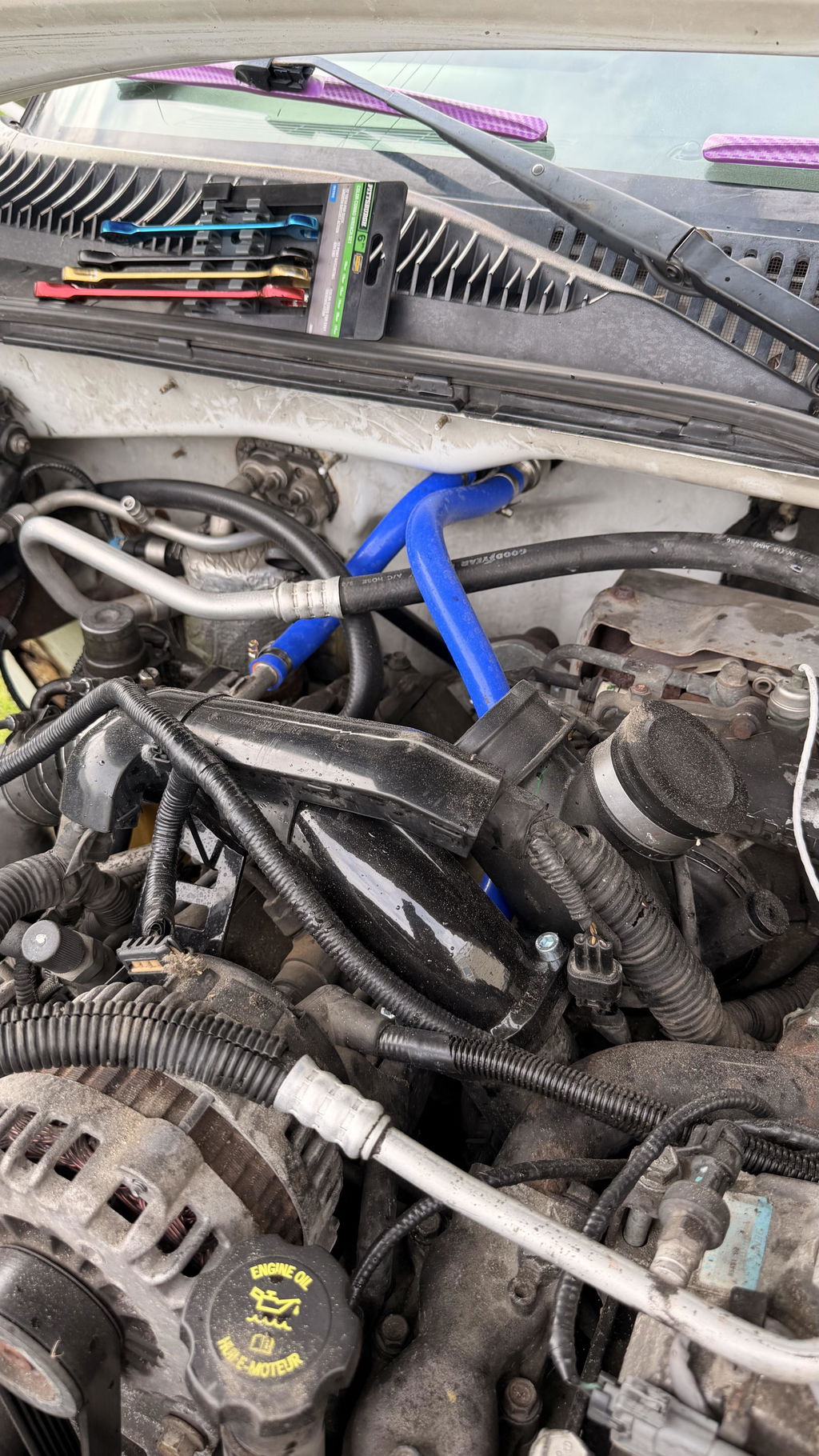
Upper Coolant Tube for 2011+ 6.7L Powerstrokes Coolant Pipe | SPELAB
Chris G.
Serving its purpose
Has been on the truck for a little while now and very happy with quality and how its holding up and everything has been sealed up since i installed and no leaks or issues have happened overall very happy with it and the price point is very nice as well
SPELAB 2004-2005 6.6L Duramax LLY EGR Delete Kit With High Flow Intake
richard bickers
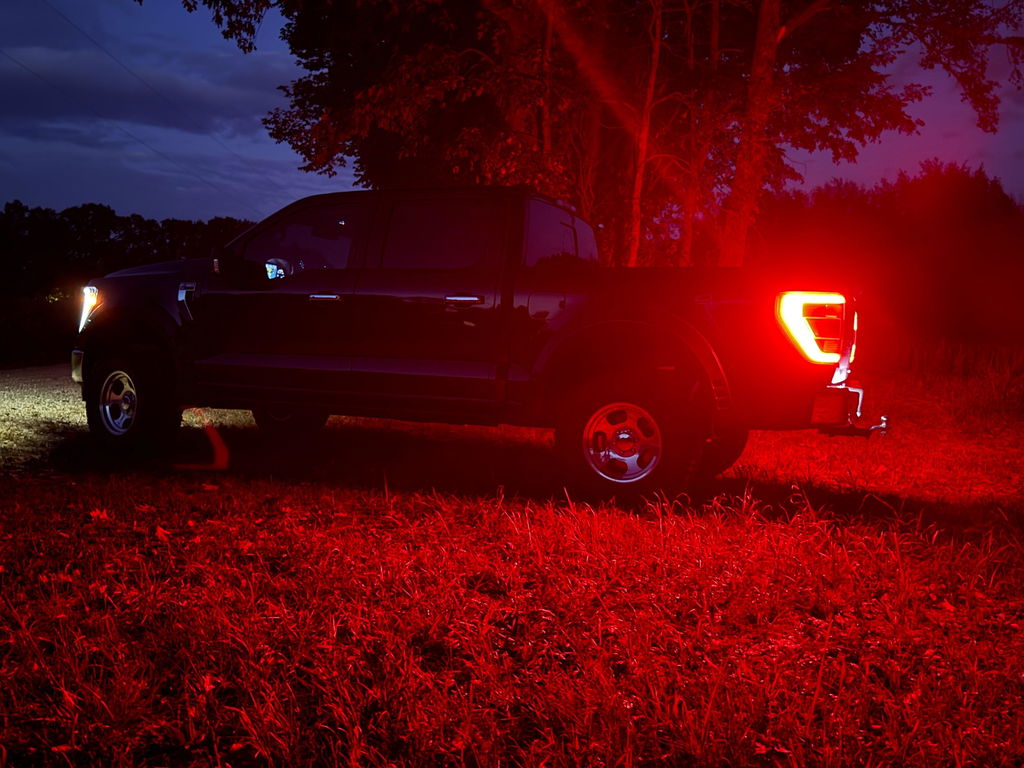
It's a direct fit for my 2023 f150
It's a direct fit for my 2023 f150.
LED Tail Light Assembly Pair For 2009-2023 Ford F150 | SPELAB
Zach Ruhl
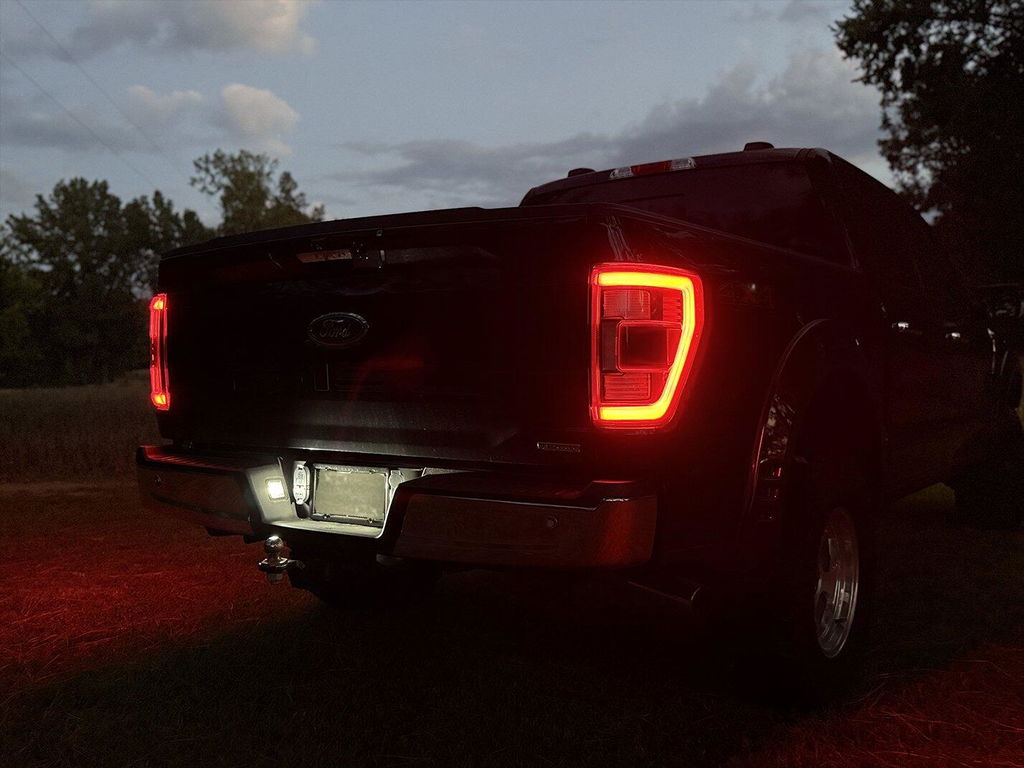
2022 F150
Pretty good! love it!
LED Tail Light Assembly Pair For 2009-2023 Ford F150 | SPELAB