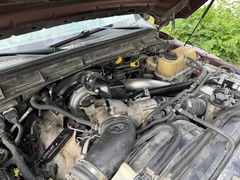
CCV Recirculating Kit for 2011-2024 Ford 6.7L Powerstroke F250 F350 F450 | SPELAB


Secure and trusted checkout with


Product Information +
- Brand: SPELAB
- SKU: SPES222500000000
- Availability: Many in stock
- Product Type: CCV Recirculating Kit
-
 PLEASE NOTE!


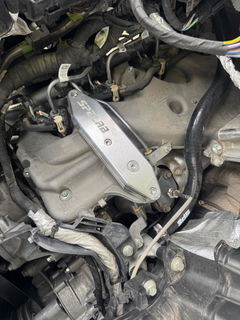
SPELAB's CCV system recirculating kit is engineered to replace the factory ccv box on all 2011-2024 Ford 6.7L Powerstroke diesel engines. Crafted from anodized aluminum alloy, this kit installs directly into the OEM location, requiring no modifications and maintaining the factory drain-back path.
Key Features
High-Flow Filtration
Features a dual-layer stainless steel mesh designed to filter crankcase vapors while supporting engine outputs about 900 hp—significantly higher than the stock 400 hp.
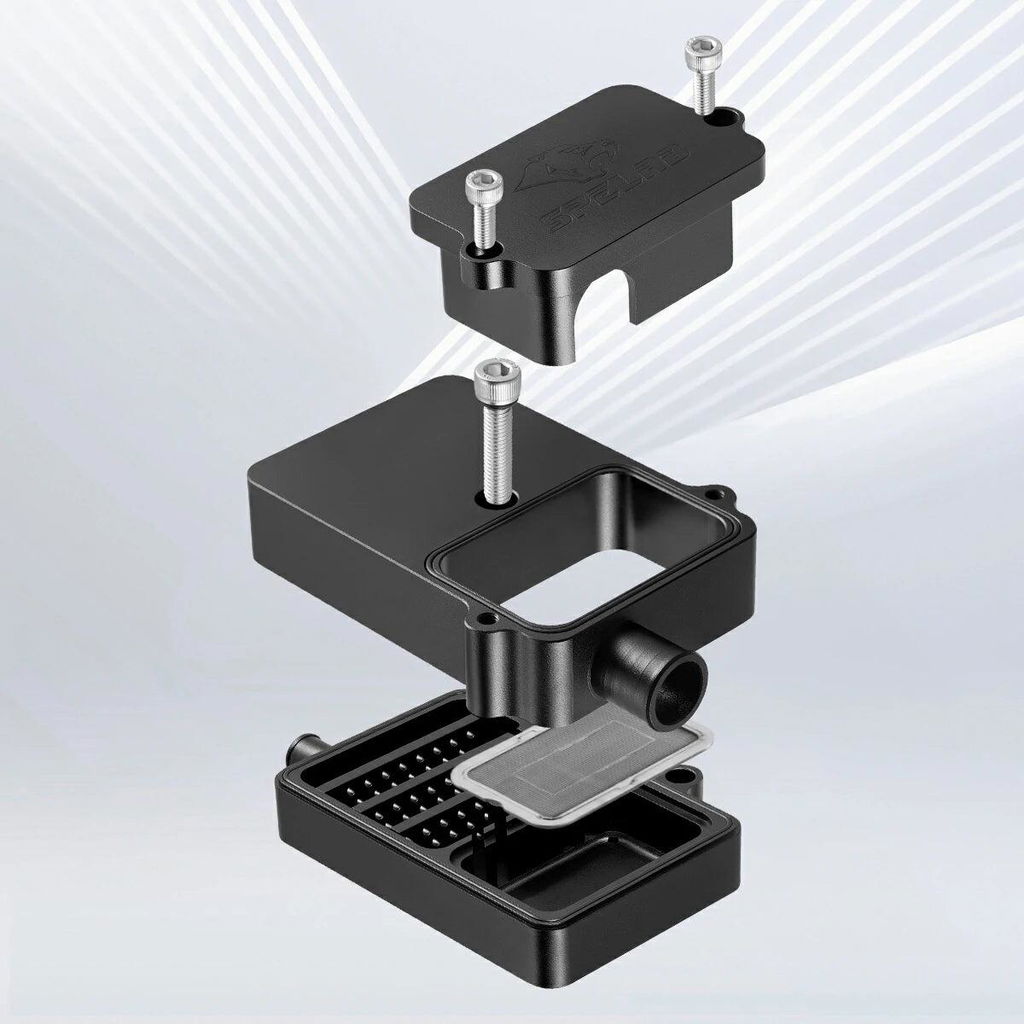
3-Baffle Internal Design
Three internal baffles force oil vapor through the filtration system, reducing oil saturation in the intercooler and intake tract compared to the factory setup.
Easy Maintenance
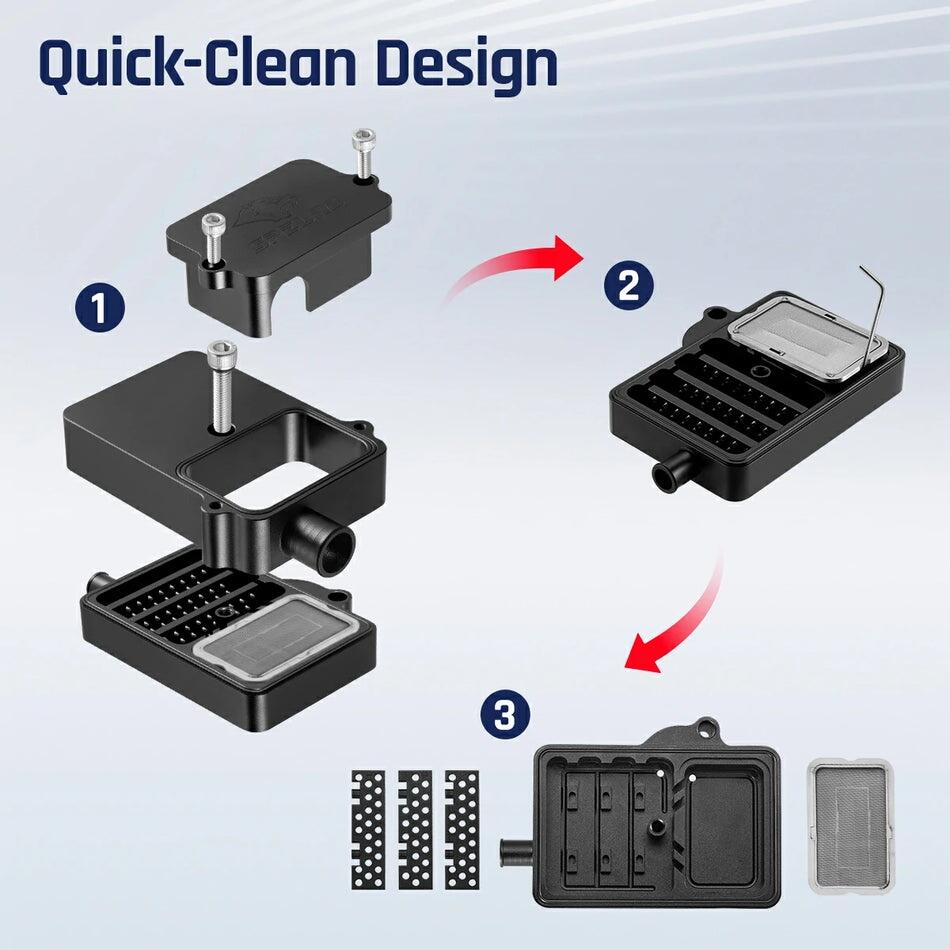
Only the center bolt needs to be removed to access the top-mounted filter screen for cleaning—no disassembly required. This is the first cleanable CCV system for the 6.7L Powerstroke.
Built-In Oil Drain Channels
Exclusive internal channels guide condensed oil back to the sump, preventing re-ingestion and improving separation efficiency vs. competitors’ designs.
Complete & Secure Kit
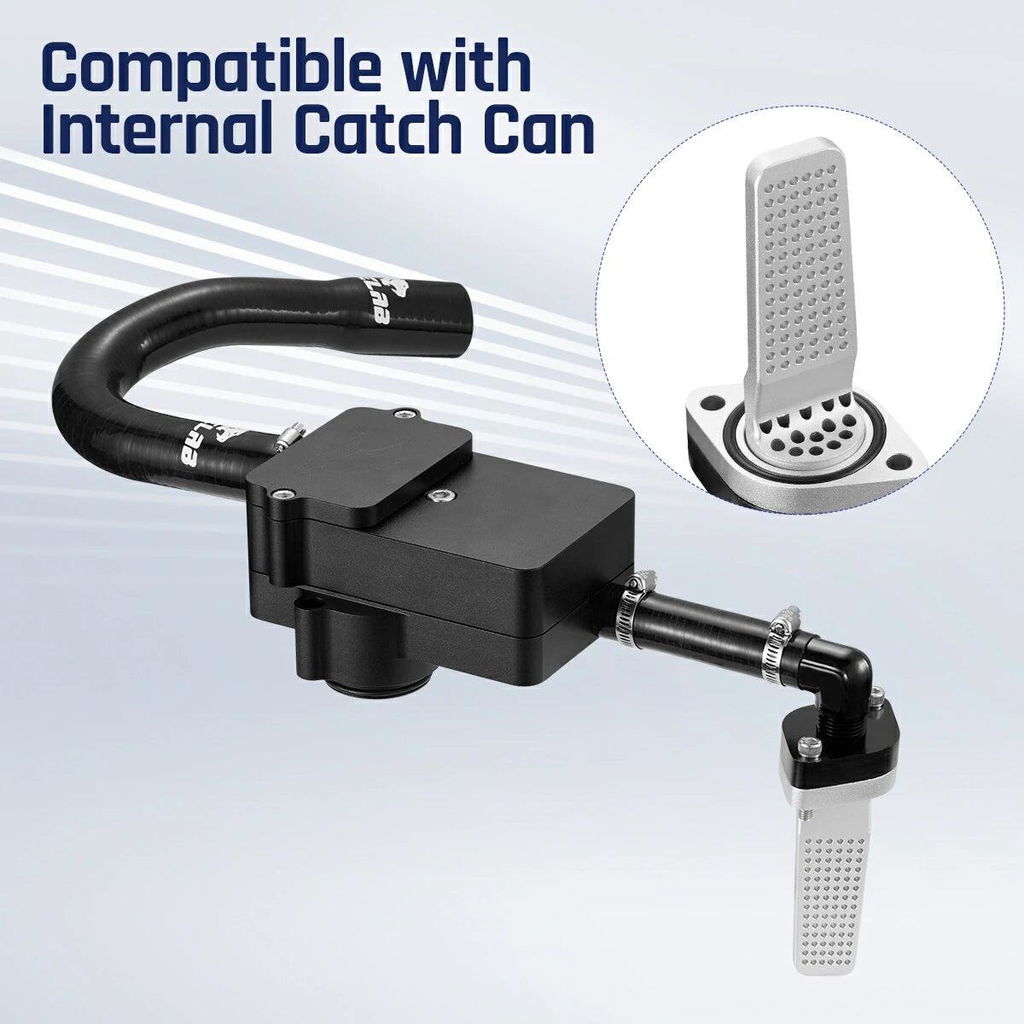
Includes all necessary hardware, silicone hoses, and stainless steel clamps. Compatible with the optional IS08391 catch can for extended oil containment.
Environmental & Performance Benefits
Unlike vent-to-atmosphere kits, this recirculating design returns clean air to the intake, eliminating odor and reducing emissions while protecting engine components.
Note: May have minor interference with the fuel filter housing on some 2016 F-350 models. Verify clearance before final installation.
Installed and I found the screen filter to be too restrictive. Oil fill blow by test failed and I was getting dip stick creep due to poor evacuation. Decided to replace the flat screen with 1/8 perforated sheet 1/8 inch aluminum. This replacement resulted in passing of oil cap blow by test and good engine case evacuation so no more dip stick creep. I still gave it 4 stars becuase of the ease of tweaking this out to my needs.
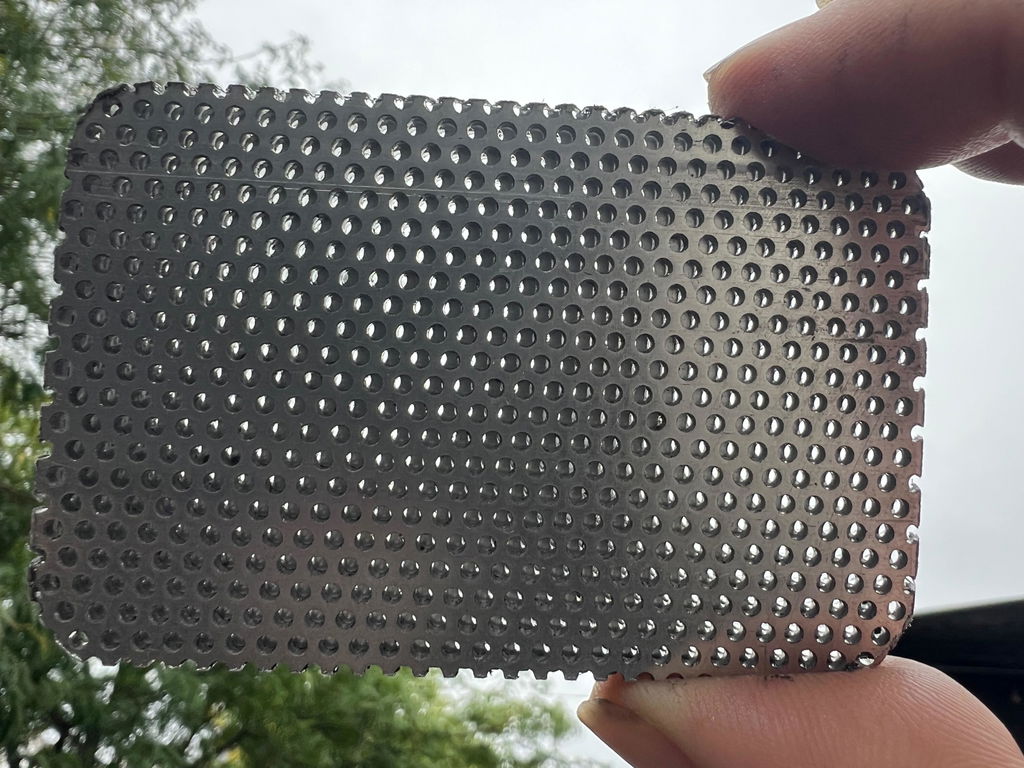
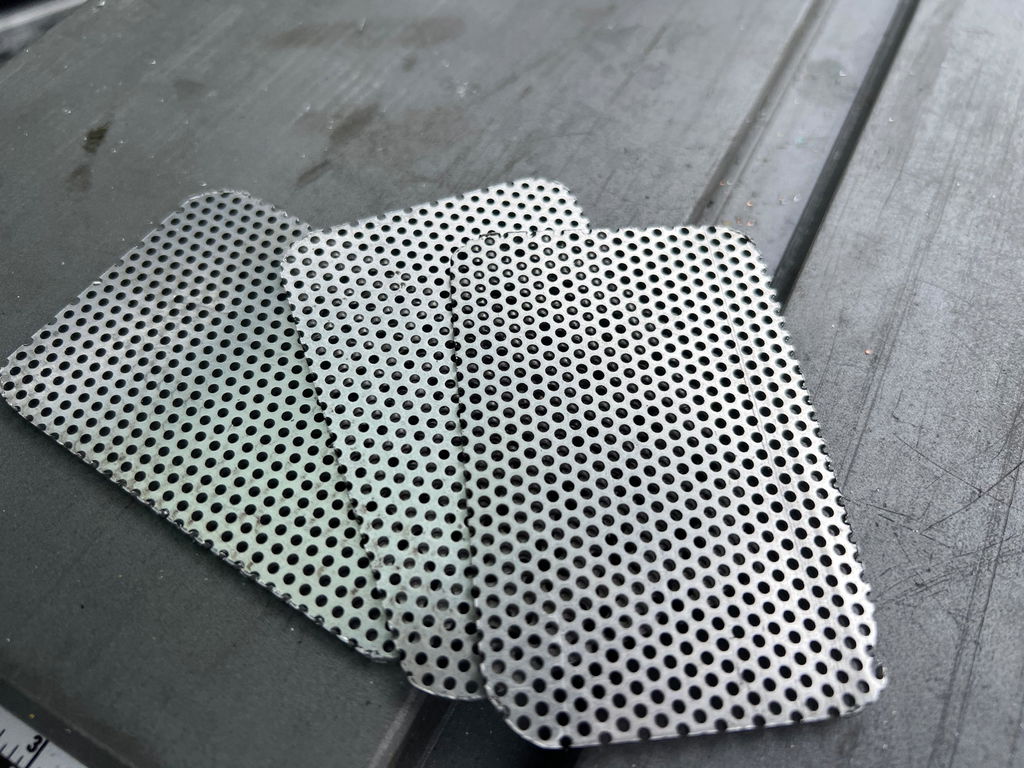
Good quality and half the big brands price love itttttt
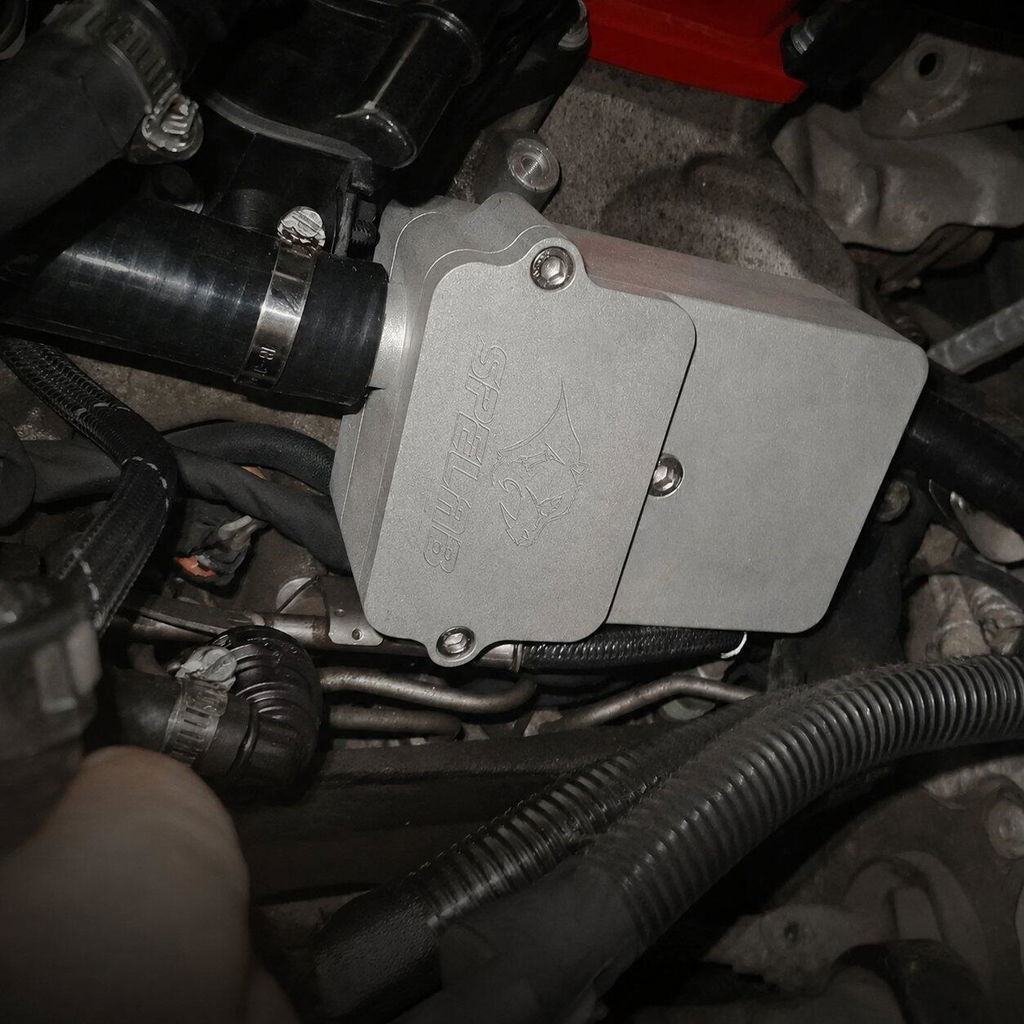
Easy to install looks great 👍🏽
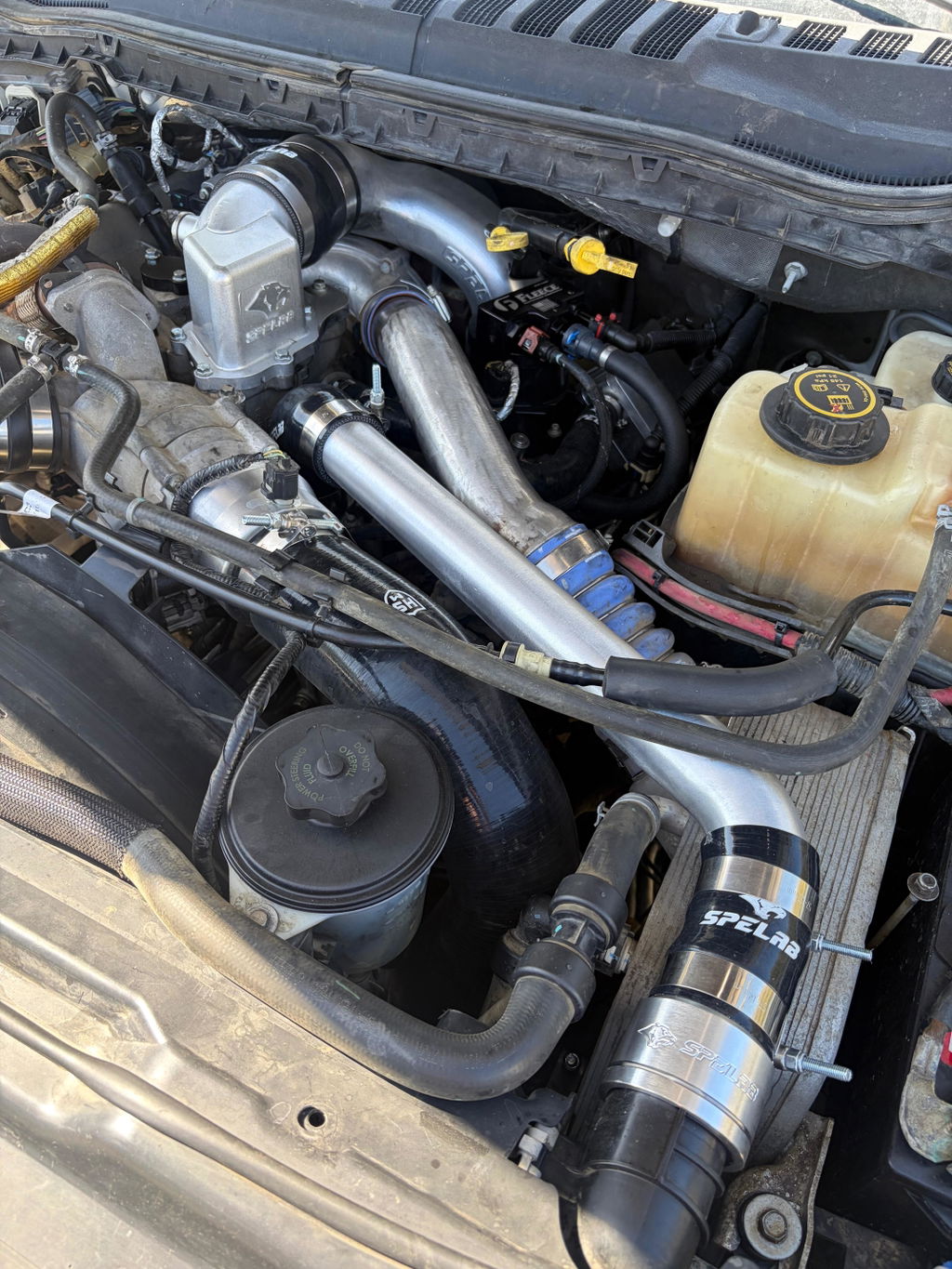
Great design and install was going good until I tried to connect the U shaped valve cover hose. It needs to be about an inch longer. I'm not the only one that had this problem, other reviews mention this problem with the hose length.
CCV Recirculating Kit for 2011-2024 Ford 6.7L Powerstroke F250 F350 F450 | SPELAB
CCV Recirculating Kit for 2011-2024 Ford 6.7L Powerstroke F250 F350
The part was an exact fit.
A longer Hose from the vent to the hole in the valve cover would be nice
Very nice quality at a great price!! Will buy from here again!!!!
CCV Recirculating Kit for 2011+ Ford 6.7L Powerstroke F250 F350 F450 | SPELAB
Product was high quality, install was easy, performance was outstanding , vale for the money was superior
M
Product good quality.fitment difficult/hard to push into valve cover.you have to cut fuel filter housing tab because it hits ccv box.a better idea would to put sae thread bolts instead of Allen head bolts used with internal catch can will see how screen looks at oil change
Does this ccv system get oil residue along the sealing surfaces?
Thank you for your inquiry. There won’t be any on the surface; only the inside will have residual oil. For further information, please contact us at: (service@spelabautoparts.com).
does it fit a f150 powerstroke 3.0?
This product is not compatible with the F150. For assistance, please provide your detailed vehicle information and contact our service email: service@spelabautoparts.com.