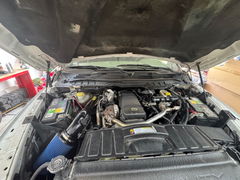
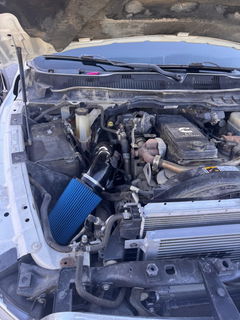
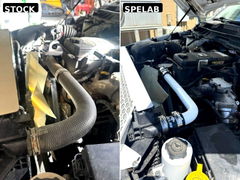
SPELAB offers direct-fit aftermarket intercooler options for 2003–2018 Dodge Ram 2500 and 3500 trucks equipped with 5.9L or 6.7L Cummins engines. Whether you need a practical 5.9 Cummins intercooler upgrade for an aging third-generation Ram or a heavy-duty 6.7 Cummins intercooler upgrade for towing, tuning, and sustained-load use, this collection includes tube-fin and bar-and-plate designs matched to different workloads. Start with your model year and engine, then choose the core construction that fits how your truck works.
What Is a Cummins Intercooler?
A Cummins intercooler is a charge-air cooler used on turbocharged 5.9L and 6.7L Cummins diesel engines. Located between the turbocharger and intake manifold, it removes heat from compressed air before that air enters the engine. Cooler, denser charge air helps the turbo system maintain more consistent airflow and performance under load. Unlike the radiator, which cools engine coolant, the intercooler cools pressurized intake air.
Why Upgrade Your 5.9L or 6.7L Cummins Intercooler?
A 5.9 Cummins intercooler upgrade or 6.7 Cummins intercooler upgrade gives truck owners more choice than replacing a worn factory unit with another stock-style core. Tube-fin models provide a practical all-aluminum replacement for stock or lightly modified trucks, while heavier bar-and-plate models are intended for frequent towing, high ambient temperatures, added boost, and sustained engine load.
The main aftermarket advantage is the ability to choose a core that matches the truck’s workload instead of automatically replacing the factory unit with the same type of construction. Exact OEM comparisons, core dimensions, included components, and model-specific performance information are listed on the individual product pages.
How to Choose the Right Cummins Intercooler
The right choice depends less on which core looks more aggressive and more on how much heat load your truck regularly sees.
| Upgrade Goal or Truck Use |
Recommended Design |
Why It Fits |
| Stock daily driving or factory replacement |
All-aluminum tube-fin |
A practical option for replacing an aging, damaged, or leaking factory intercooler without adding unnecessary core weight. |
| Frequent towing, hot climates, or long grades |
Bar-and-plate |
The heavier core design is better suited to repeated heat load and longer periods of sustained boost. |
| Tuned or higher-boost trucks |
Bar-and-plate upgrade |
Additional thermal capacity can better support the charge-air heat created by increased boost and fueling. |
A stock daily driver does not automatically need the heaviest intercooler available. Tube-fin designs prioritize practical replacement and lower weight, while bar-and-plate designs are better matched to towing, higher ambient temperatures, added power, and sustained-load use. Exact core specifications, included hardware, and installation requirements are listed on each product page.
Shop 5.9L and 6.7L Cummins Intercooler Upgrade Options
Match your truck’s model year and engine first, then choose between a lighter tube-fin replacement and a heavier-duty bar-and-plate upgrade. The table below separates 5.9L and 6.7L applications by fitment, workload, and core design so you can move directly to the correct product page.
| Truck Fitment |
Tube-Fin Replacement |
Bar-and-Plate Upgrade |
2003–2009 Ram 2500/3500
2003–2007 5.9L Cummins
2007.5–2009 6.7L Cummins
|
2003–2009 5.9L/6.7L Cummins Intercooler Replacement
Best suited to daily driving, stock or lightly modified trucks, and practical factory replacement.
|
2003–2009 5.9L/6.7L Cummins Intercooler Upgrade
Better suited to frequent towing, hot climates, long grades, and higher-load use.
|
2010–2012 Ram 2500/3500
6.7L Cummins
|
2010–2012 6.7L Cummins Intercooler Replacement
A practical choice for replacing a worn, damaged, or leaking factory intercooler.
|
2010–2012 6.7L Cummins Intercooler Upgrade
Recommended for towing, sustained boost, hot-weather use, and tuned trucks.
|
2013–2018 Ram 2500/3500
6.7L Cummins
|
2013–2018 6.7L Cummins Intercooler Replacement
Designed for daily-driven and lightly modified trucks needing a direct-fit replacement.
|
2013–2018 6.7L Cummins Intercooler Upgrade
Better matched to frequent trailer use, added power, high temperatures, and sustained engine load.
|
Do not order by engine size alone. Fitment can vary around engine and model-year transitions, especially during the 2007 change from the 5.9L to the 6.7L engine. Confirm the model year, vehicle application, product specifications, and installation requirements on the linked product page before ordering.
Will an Aftermarket Intercooler Fit Like the Factory Unit?
The intercoolers in this collection are built for specific Dodge Ram model-year and engine groups rather than sold as universal cores. Choosing the correct application helps align the intercooler with the intended mounting points and charge-air routing, but factory pipe compatibility, included boots and clamps, and installation requirements can differ by product.
Existing modifications, corrosion, damaged brackets, worn mounting hardware, or previously replaced charge pipes can also affect installation. Open the linked product page before ordering to confirm exact fitment, included components, factory pipe and boot requirements, and any model-specific installation notes.
When Should You Replace or Upgrade Your Intercooler?
A replacement may be needed when the factory intercooler is leaking, physically damaged, corroded, or no longer cooling effectively under load. Common warning signs can include reduced boost response, oil-stained leak points, rising intake air temperatures, or inconsistent power while towing and climbing grades.
Similar symptoms can also come from a split boot, loose clamp, damaged charge pipe, or leaking intake connection. Inspect the complete charge-air system before replacing the intercooler alone. If related piping is worn or leaking, compare our Cummins intercooler pipe upgrades.
Related Cummins Airflow and Cooling Upgrades
Owners refreshing more than one part of the system can also compare Cummins intake manifold upgrades and Cummins radiator upgrades. These components serve different functions, so diagnose the actual restriction, boost leak, or engine-cooling problem before replacing multiple parts.
For help comparing core construction, fitment, intended use, and major aftermarket brands, read our diesel truck intercooler brand comparison.