
2 Products


Let customers speak for us
Shawn Young
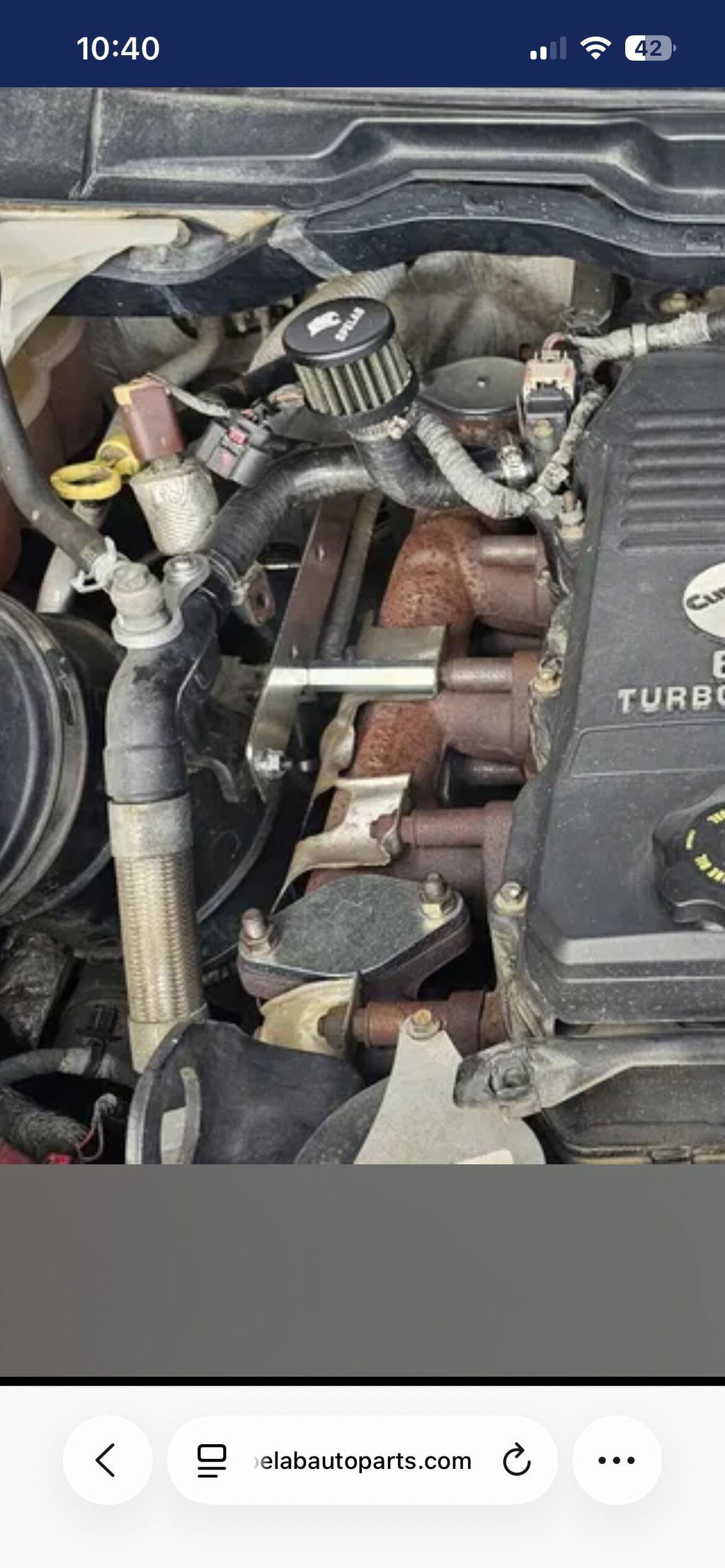
6.7 Delete Pipe & EGR Delete
Great Product easy installation work flawlessly on my 2018 Ram 2500
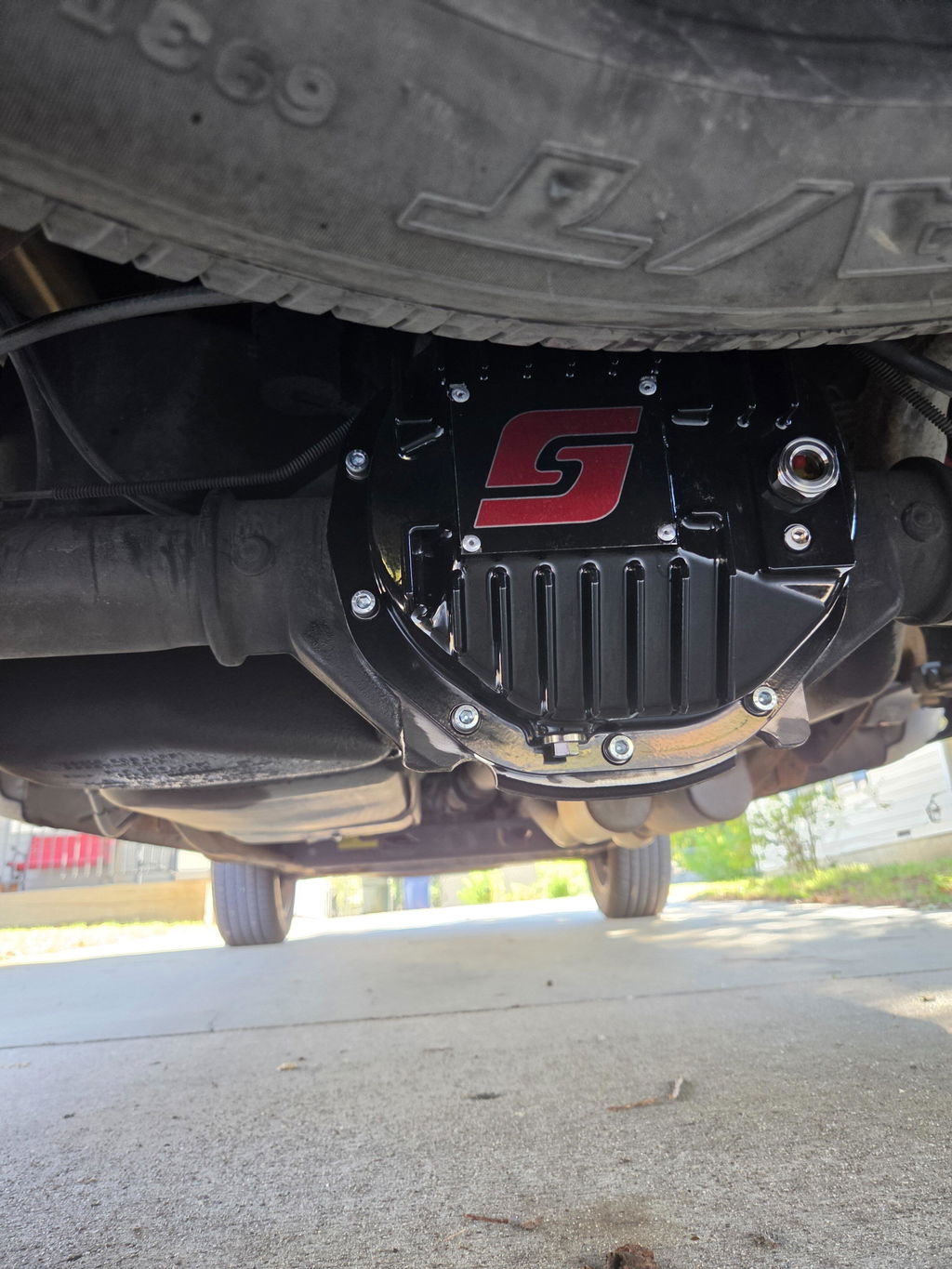
For 4"/5" DPF Delete Race Pipe for 2013-2018 Dodge Ram 2500/3500 6.7 Diesel | SPELAB
Joel Mondragon
As promised great product and perfect fit..Thank you SPELAB
Worry-Free Purchase
Hank Emmel
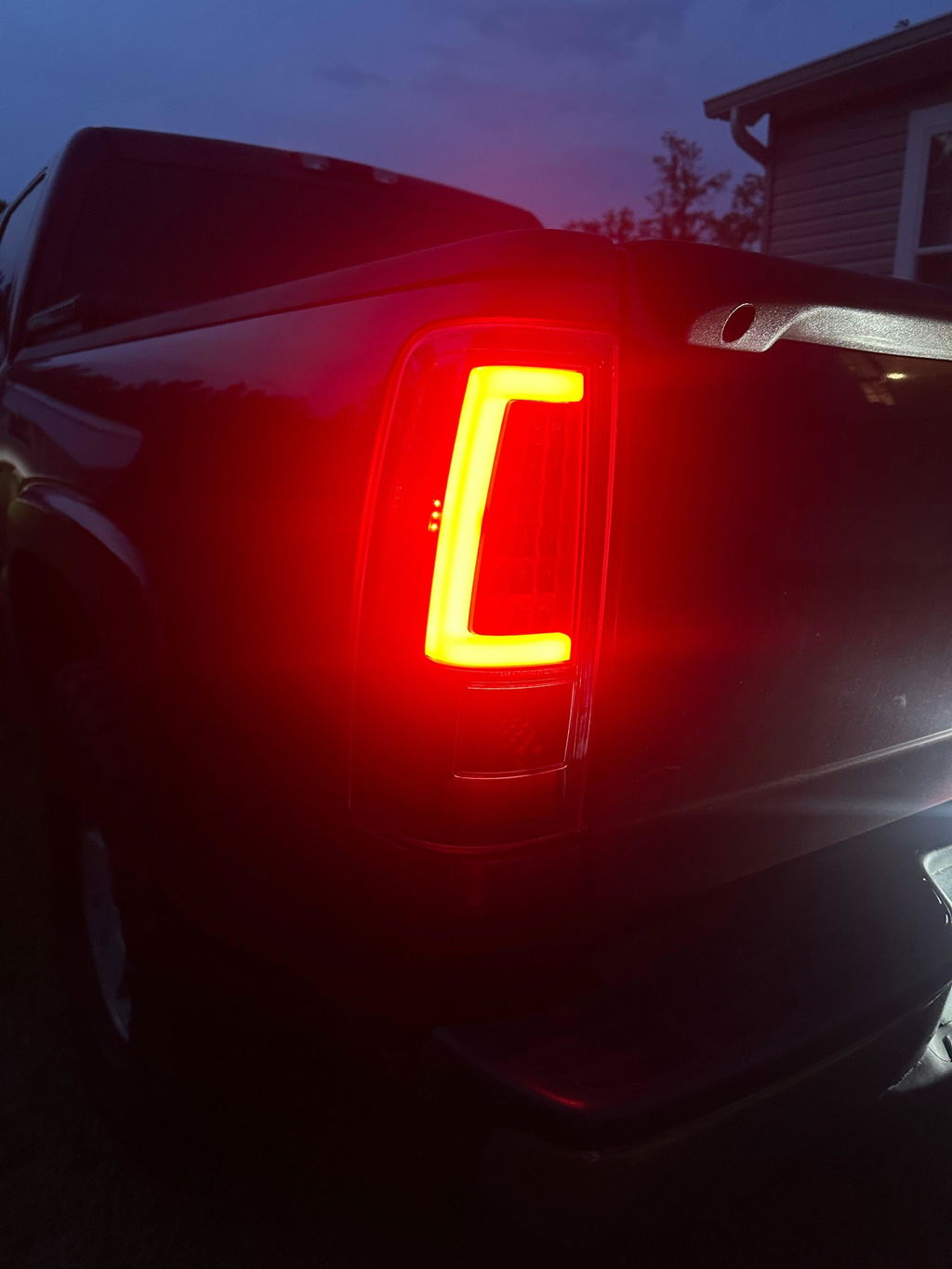
love the look
i love how they look on my truck
LED Tail Light Assembly Pair For 1999-2007 Duramax Chevy Silverado & GMC Sierra | SPELAB
Darrell Hurd
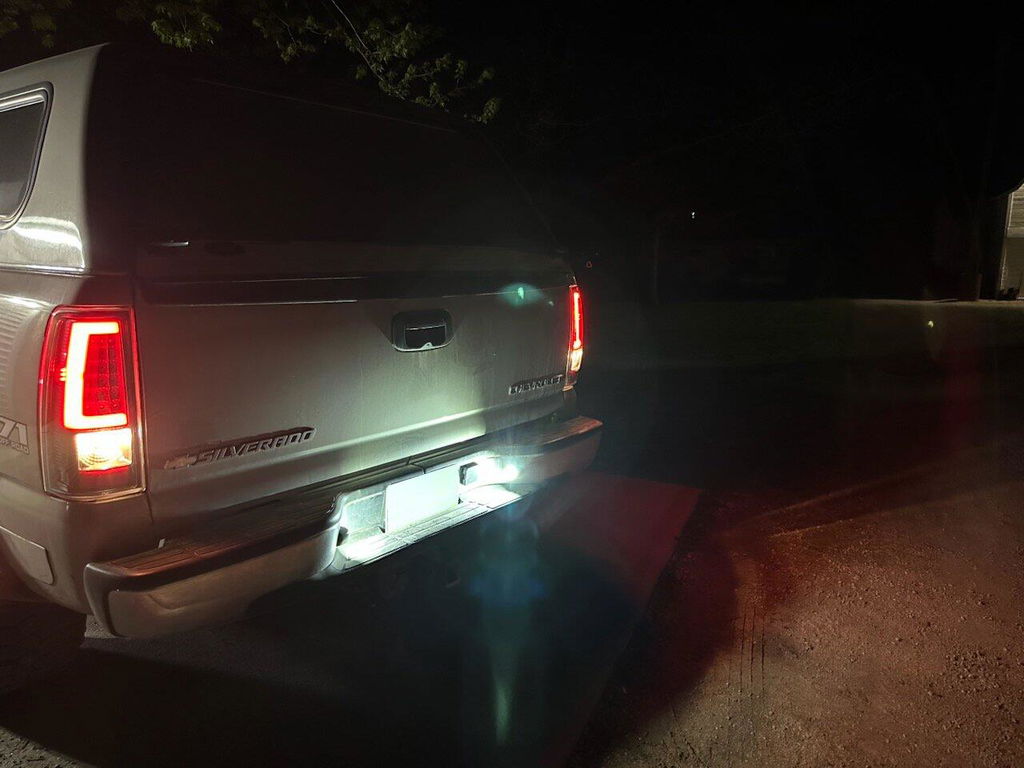
Lights look great
Lights look great, and easy to install
LED Tail Light Assembly Pair For 1999-2007 Duramax Chevy Silverado & GMC Sierra | SPELAB
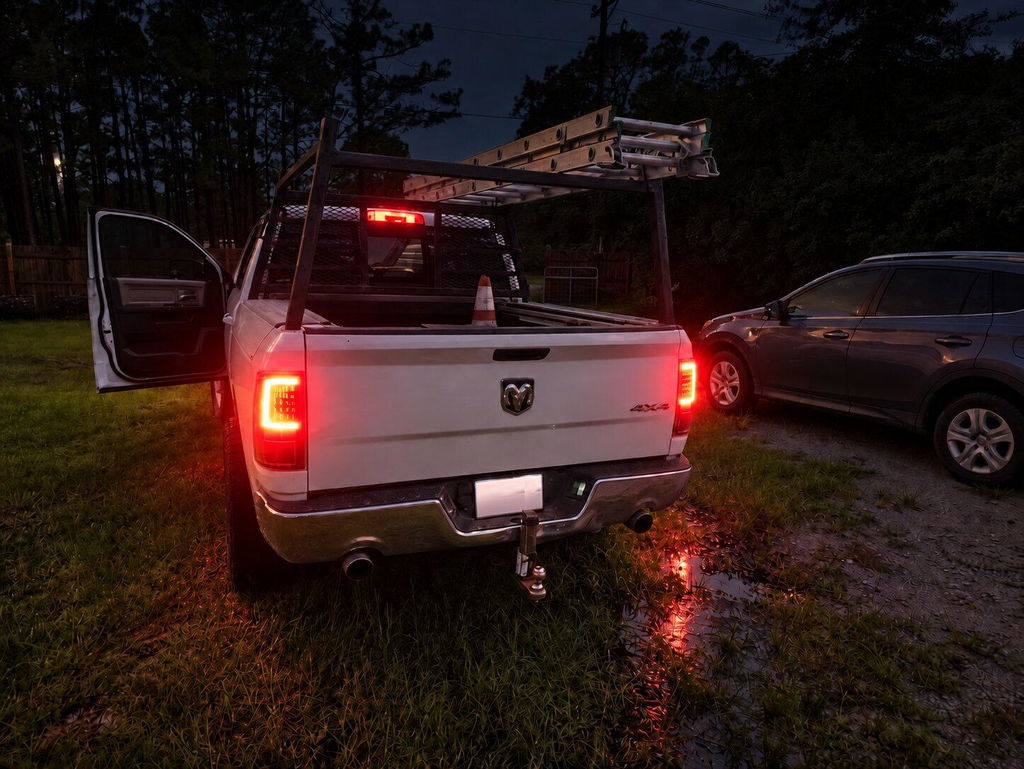
Tate Longoria
Looks awesome
The LED design looks awesome at night and gives the truck a much cleaner look from the back. Install was easy, everything worked right away, and I’m loving the upgrade.
LED Tail Light Assembly Pair For 2002-2018 Dodge Ram 1500/2500/3500 5.9/6.7 Diesel | SPELAB
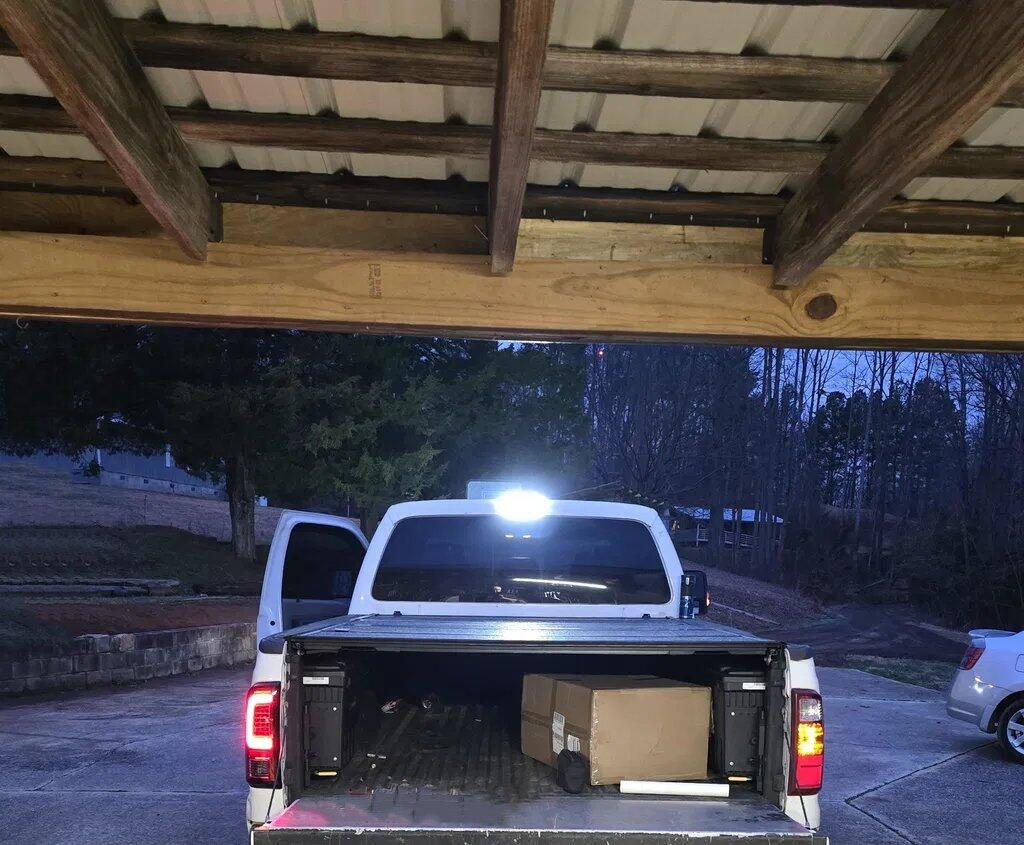
JOEL CAMERON
Looks better than stock
Looks better than stock.
LED Tail Light Assembly Pair For 1997-2016 Ford F150/F250/F350/F450/F550 Powerstroke Super Duty | SPELAB
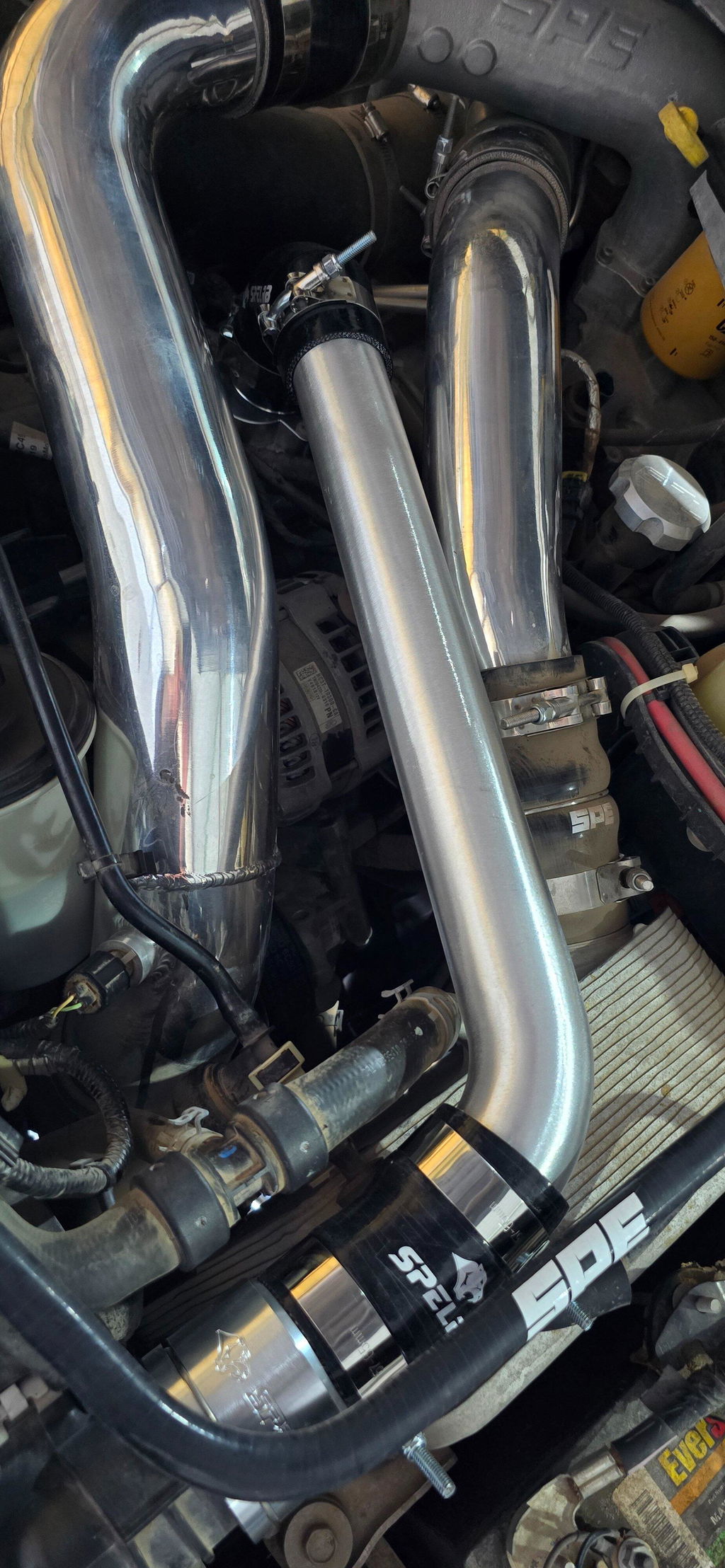
Arturo Lucero
The Best
Great fit and look, has performed flawlessly
Upper Coolant Tube for 2011+ 6.7L Powerstrokes Coolant Pipe | SPELAB
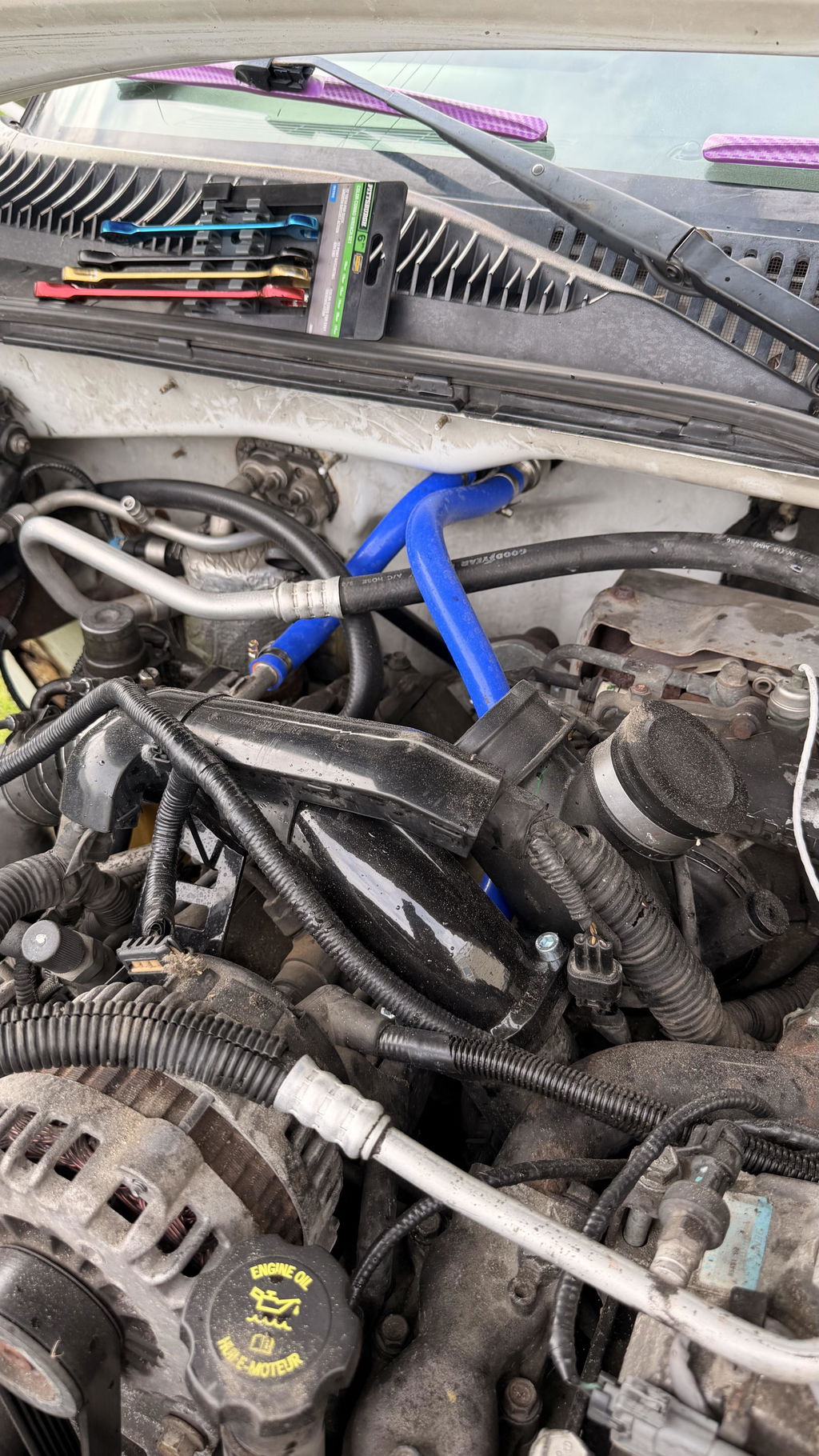
Chris G.
Serving its purpose
Has been on the truck for a little while now and very happy with quality and how its holding up and everything has been sealed up since i installed and no leaks or issues have happened overall very happy with it and the price point is very nice as well
SPELAB 2004-2005 6.6L Duramax LLY EGR Delete Kit With High Flow Intake
richard bickers
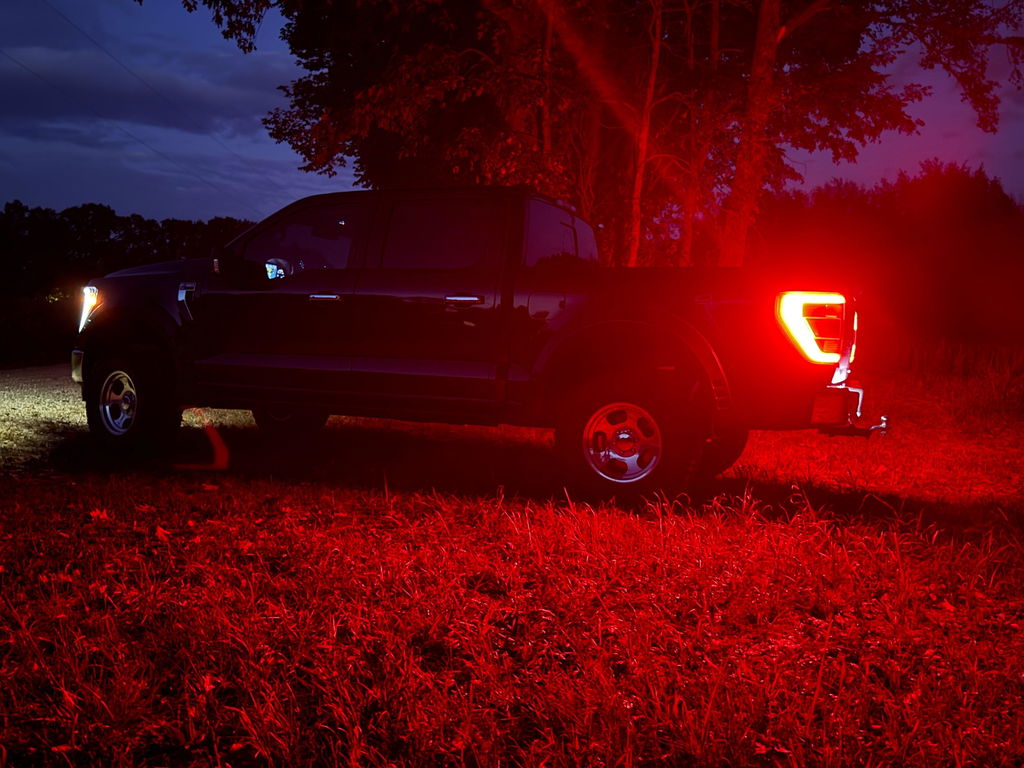
It's a direct fit for my 2023 f150
It's a direct fit for my 2023 f150.
LED Tail Light Assembly Pair For 2009-2023 Ford F150 | SPELAB
Zach Ruhl
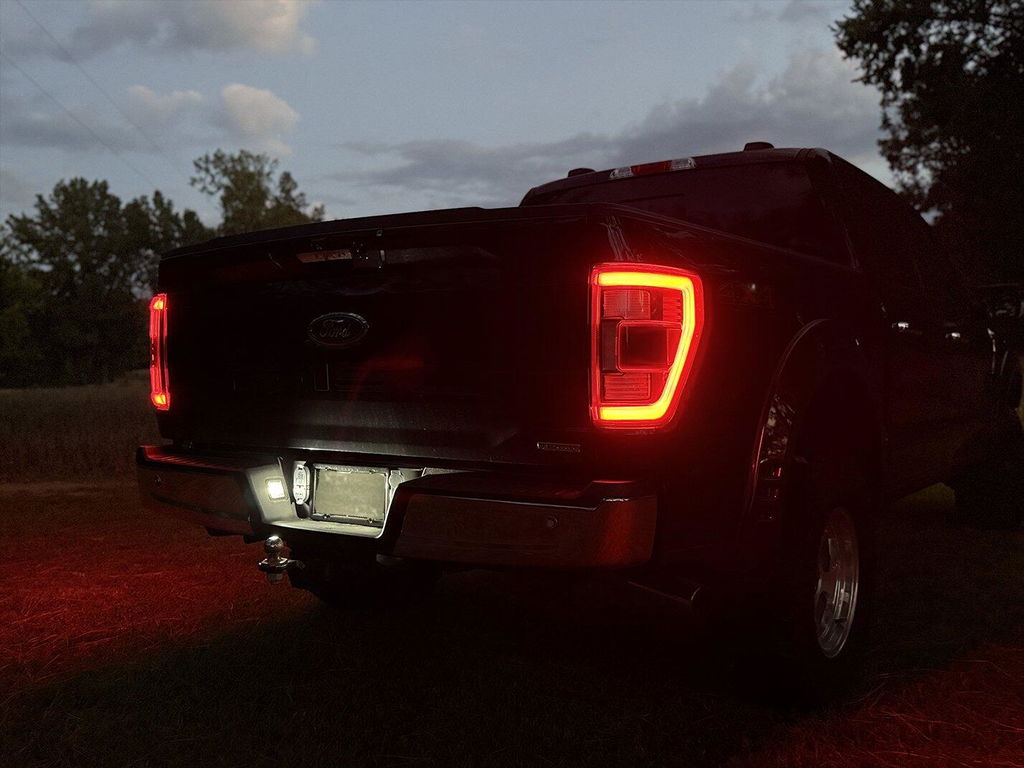
2022 F150
Pretty good! love it!
LED Tail Light Assembly Pair For 2009-2023 Ford F150 | SPELAB
Drake Knopick
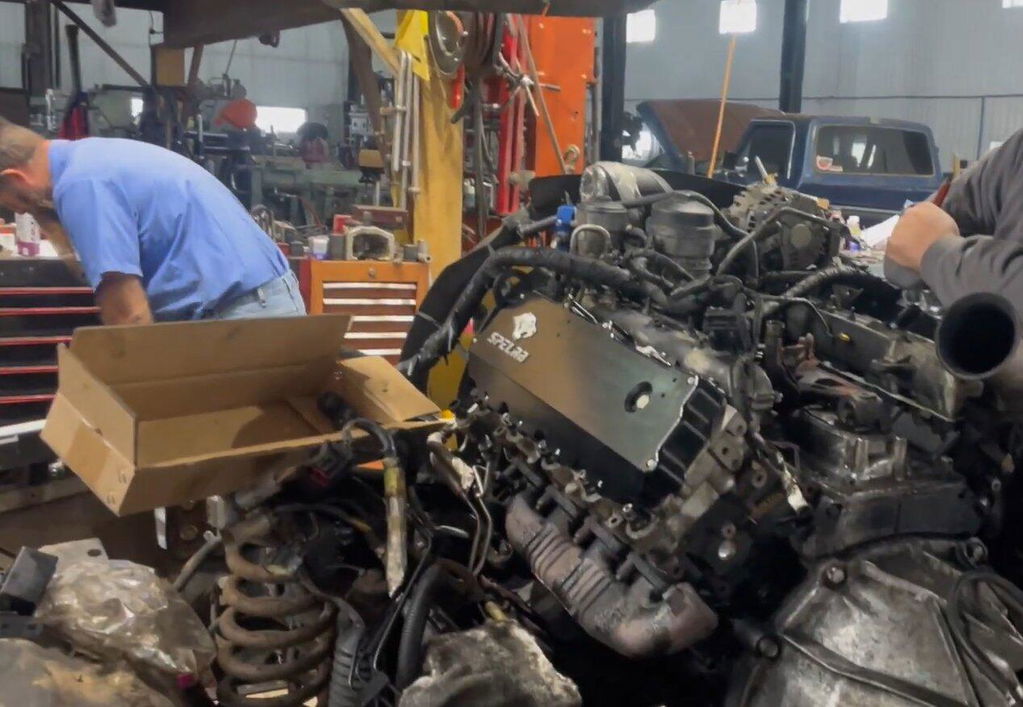
I like it
I like it
Billet Aluminum Valve Cover for 2004.5-2007 Ford F250 F350 F450 F550 6.0L Powerstroke | SPELAB
John Wissler
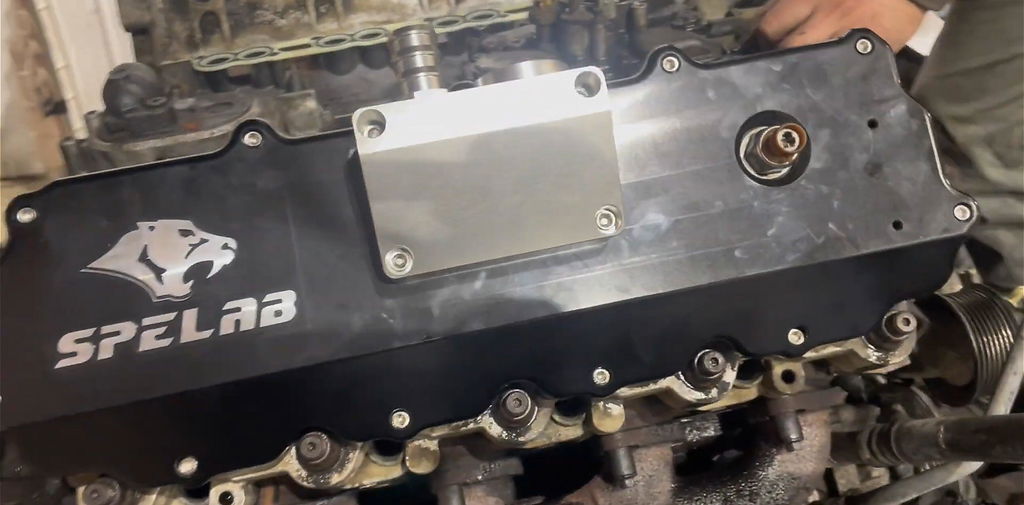
Fits perfectly!
Fits perfectly!
Billet Aluminum Valve Cover for 2004.5-2007 Ford F250 F350 F450 F550 6.0L Powerstroke | SPELAB
Mark Gardner Jr
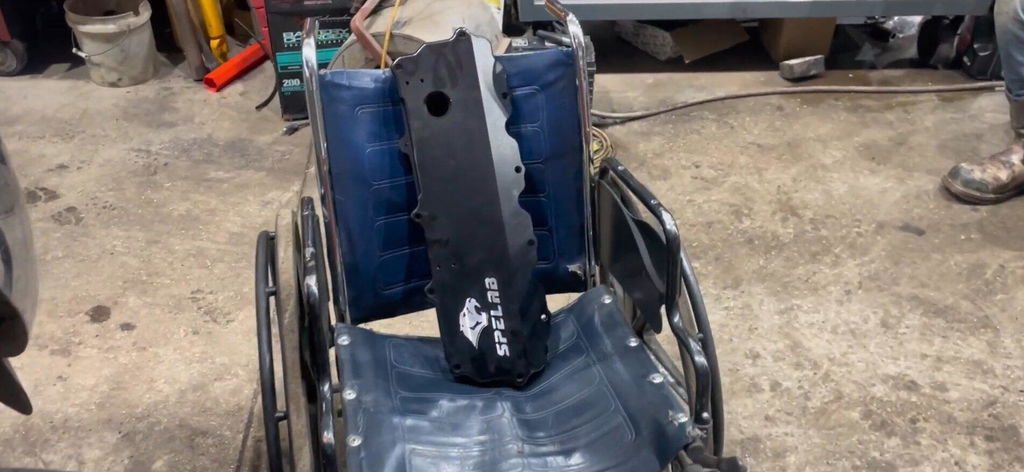
beautiful cover
Thank you spelab, valve cover looking good
Billet Aluminum Valve Cover for 2004.5-2007 Ford F250 F350 F450 F550 6.0L Powerstroke | SPELAB
Lyle
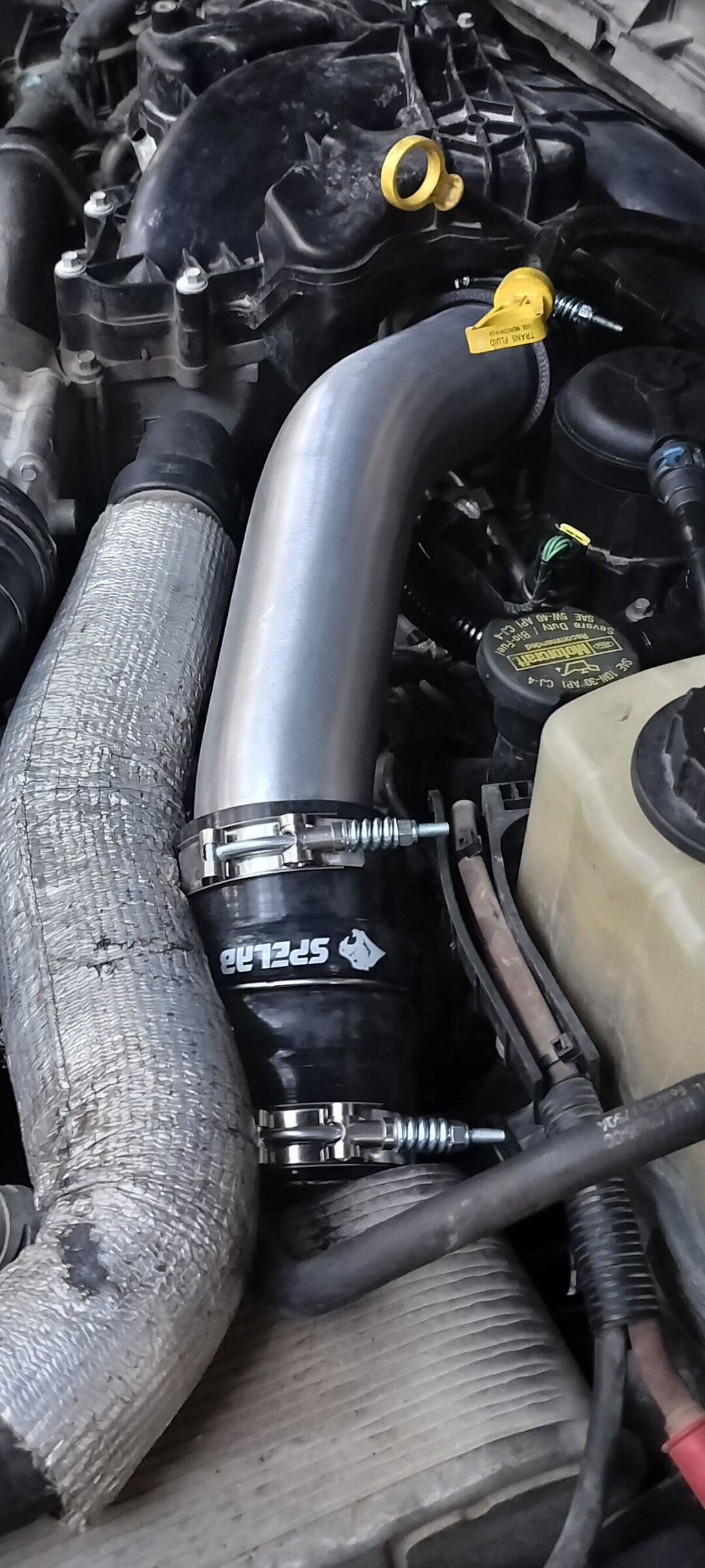
Excellent aftermarket hot pipe
This replaced the flimsy and broken stock pipe with a much higher quality tube. The fitment is very tight on the turbo side, you might have to get creative to tighten things down but that seems typical on these trucks.
Intercooler Pipe Hot Side Kit for 2011-2025 Ford F250 F350 F450 F550 6.7L Powerstroke | SPELAB
Anonymous
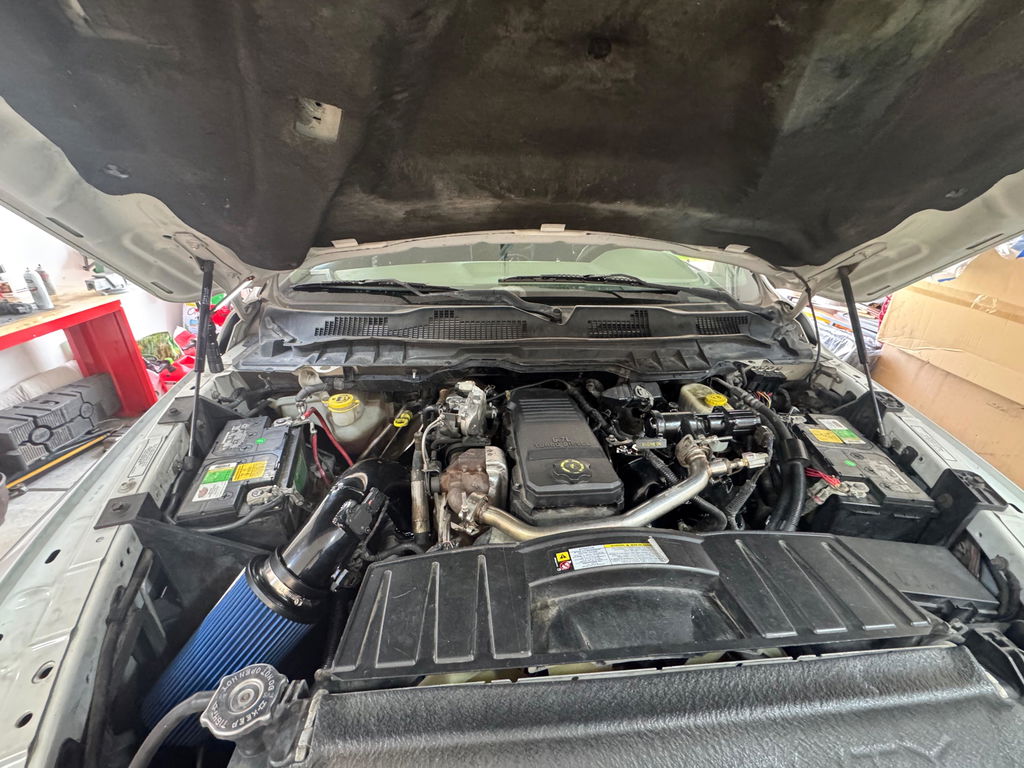
Installed on 2011 ram 2500 with Egr noticed a big
Installed on 2011 ram 2500 with Egr noticed a big difference in throttle response. Every lined up perfect had detailed instructions with it. Every thing was packaged nicely and secure. Quality of part is excellent highly recommend to eliminate grid heater bolt failure
Intake Horn/Manifold Grid Heater for 2007-2024 Dodge Ram 2500/3500/4500/5500 6.7 Diesel | SPELAB