
1 Product
Powerstroke Downpipe
What a Powerstroke Downpipe Is - and the Three Things It Gets Confused With
A Powerstroke downpipe is the section of exhaust that carries gas away from the turbine outlet and hands it to whatever comes next. That is one section, not a system - and most of the buying mistakes in this category come from the naming rather than from the hardware.
| Term | What it covers | Why it matters |
|---|---|---|
| Downpipe | Only the section between the turbine outlet and the next joint | The single most restrictive section in the exhaust path, and the only one working at turbine outlet pressure |
| Downpipe-back | Everything from the turbine outlet to the tailpipe, excluding the downpipe itself | Changes routing, sound and the rear sections - but leaves the restrictive section in place |
| Turbo-back | The whole path from the turbine outlet rearwards, downpipe included | The downpipe plus everything behind it; what people usually mean when they say "exhaust" |
| Cat-back | Everything behind the aftertreatment | Sound and appearance only - it does nothing about the restriction at the turbine outlet |
It is also worth keeping the two ends of the turbocharger straight, because the parts are not interchangeable and are reached by entirely different routes. The up pipe feeds exhaust into the turbine. The Powerstroke downpipe carries it away from the turbine. If the soot and the leak are on the inlet side, this is the wrong part.
Why the Turbine Outlet Sets the Ceiling for Everything Behind It
A turbocharger works on the difference between the pressure going in and the pressure coming out. The more pressure sitting at the outlet, the less work the turbine can extract, no matter how much gas the engine is sending it. Turbine outlet is the highest-pressure point in the entire exhaust path, which is why a restriction at exactly this location costs more than a restriction anywhere behind it.
That is why this section is usually addressed first. Changing mufflers, tailpipes and tips behind it does nothing about the pressure the turbine discharges against, so their effect is capped by whatever a Powerstroke downpipe allows through.
Why This Powerstroke Downpipe Is Built in Two Pieces
Two-piece construction confuses people who assume it is a cost saving. It is a packaging answer. The turbine on the 6.7L sits at the back of the engine, low and tight against the firewall, and the pipe leaving it has to find a way down past the transmission tunnel and the frame. A single continuous assembly of that shape cannot be angled into the space or back out of it.
Splitting it into a front and a rear section solves the geometry: each half can be brought in separately and joined once both ends are where they need to be. The benefit is real - it is the difference between a job that is possible and one that is not. The cost is one extra joint, and that joint is the only part of this installation that deserves more attention than usual.
The Joint Is the Part That Decides Whether You Do It Twice
A joint like this seals by being clamped evenly. Almost every leak traced back to it has one of four causes, and all four are avoidable.
- A reused gasket. A gasket that has already been crushed will not seal a second time. New gaskets cost a fraction of the labour involved.
- A clamp or flange seated off-axis. If it goes on slightly crooked it will hold pressure unevenly, and it will leak under load rather than at idle.
- Tightening in the wrong order. Bring everything together finger-tight, align, then tighten progressively so the flanges meet square.
- Skipping the re-check. New gaskets and hardware settle through the first heat cycles. A second pass after the first few drives is normal, not a sign of failure.
A leak at a Powerstroke downpipe joint announces itself: a ticking or hissing that changes with load, exhaust smell in the engine bay, or readings from the downstream sensors that no longer look the way they should. None of those are things to drive on - they are things to fix before the next long trip.
Sensors: The Most Expensive Thing You Will Touch on This Job
The oxygen and temperature sensors have to come out of the old pipe and go into the new Powerstroke downpipe, and they are by far the most expensive parts you will handle. Treating them as an afterthought is how a straightforward job becomes an expensive one.
- Remove them before you fight the pipe. With the pipe still supported, the connectors and threads are far safer than they are once everything is loose.
- Use a socket that clears the pigtail. A slotted sensor socket is the right tool; an open-end wrench rounds the hex.
- Never carry a sensor by its wiring or let the harness take its weight while it is unscrewed.
- Put each one back where it came from. Position and order matter, because the engine management reads them in context.
If a pipe does not provide the sensor provisions the truck has, the answer is not to adapt the wiring - it is to choose a Powerstroke downpipe that does.
Matching a Powerstroke Downpipe to the Right 6.7L Layout
The same 6.7L does not guarantee the same exhaust. Across the engine's production the turbocharger, the way it discharges, the route the pipe takes and what sits behind it were all revised at different points, so a downpipe is matched to a layout rather than to an engine displacement.
- The turbine outlet. The flange form has to match, and it is not shared across every revision.
- The route and where the sections split. Two-piece designs split where the geometry demands, and that point moves when the packaging changes.
- What it connects to further back, and how much length is available before that joint.
- The body and chassis configuration. Incomplete and chassis-cab trucks run different frames and routing behind the cab.
Where a model year straddles a revision, the build date and the engine information are what settle it. A listing that gives only a year range is a starting point, not confirmation.
Catless Reality: The Honest Version
Most Powerstroke downpipe listings in this category are catless - a straight-through section with no catalyst in it. That is a configuration fact rather than a marketing point, and it carries two consequences worth knowing before buying.
- The engine management notices. With no catalyst in the section it monitors, the ECU sees readings it does not expect and flags a fault. On a truck still carrying its factory emissions hardware, dealing with that properly is part of the job.
- The smell changes. A catless pipe is noticeably rawer at idle and low speed. That is what removing a catalyst does, not a defect - but better known before it is discovered in a drive-through.
In short: removing or defeating emissions equipment on a road-registered vehicle is prohibited under federal law, and catless configurations are sold for off-road and competition use.
Installing a Powerstroke Downpipe: The Order That Works
Bring the two halves in separately and the job is straightforward. Try to handle them as one assembly and it is not. The order that works:
- Soak the hardware in advance. Penetrating oil on the sensor threads and flange fasteners, given time to work before anything is turned.
- Take the sensors out first and set them somewhere they cannot be knocked or have their wiring strained.
- Free the downstream side. Slack at the rear joint and the hangers gives the pipe room to move instead of fighting you.
- Fit the front section to the turbine outlet first and leave it loose. This is the half that has to be right.
- Bring the rear section up to meet it rather than trying to manoeuvre both halves as one assembly.
- Align everything, then tighten progressively so the joint closes square.
- Refit the sensors in their original positions and route the harnesses clear of the pipe and its shielding.
- Start it and check before driving - listen at the joint, look for movement, and plan on re-torquing after the first few heat cycles.
Before You Order a Powerstroke Downpipe
Work through these in order and most of the mistakes in this category disappear:
- Confirm you are buying the section, not a system. Downpipe, downpipe-back and turbo-back are three different purchases.
- Confirm the layout rather than the displacement. The turbine outlet and the route decide the fit, and neither is shared across every revision.
- Confirm the body and chassis configuration. Pickup and chassis-cab routing are not the same.
- Check the sensor provisions match what the truck has.
- Order new gaskets and hardware with it. Reusing heat-cycled originals is a false economy.
- Decide the catalyst question deliberately rather than by default - it determines both how the truck behaves afterwards and whether it can be driven legally.
A downpipe is ordinary mechanical hardware, and most of what makes one worth fitting - a clean section off the turbine, a joint that seals, material that survives heat and salt, provisions that keep the sensors working - has nothing to do with emissions. Where a catless configuration does change the emissions equipment, the answer is different: removing or defeating emissions hardware on a road-registered vehicle is prohibited under federal law, and these configurations are sold for off-road and competition use. Trucks driven on public roads should keep their emissions equipment intact, and where an inspection applies the part generally needs a recognised exemption number to pass - California applies the strictest version of that rule.
Home
>
Powerstroke Downpipe
Filter products
- ENGINE
-
POWERSTROKE
- DPF Delete Exhaust
- All In One Kit
- EGR Delete Kit
- CCV PCV Reroute Kit
- DPF Delete Dual Exhaust
- Tuner
- Intercooler Pipe Kit
- Up-Pipe
- Intercooler
- CP4 Bypass Kit
- CCV Recirculating Kit
- Muffler
- Downpipe
- Intake Manifold
- Air Intake Kit
- Radiator
- Oil Catch Can
- Differential Cover
- Coolant Tube
- Valve Cover
- Transmission Pan
- Coolant Expansion Tank
- Exhaust Manifold
- Turbo
- Suspension & Lift
-
DURAMAX
- Tuner
- EGR Delete Kit
- CCV Reroute/delete kit
- DPF Delete Exhaust
- DPF Delete Dual Exhaust
- All In One Kit
- Muffler
- Up-Pipe
- Downpipe
- Intake Elbow Bridge Kit
- Intercooler
- Intercooler Pipe Kit
- Air Intake Kit
- Radiator
- Differential Cover
- Valve Cover
- Oil Pan
- Cooler Line Kit
- Fuel Sump Return Kit
- Tonneau Cover
- Coolant Tube
- Suspension & Lift
-
DODGE RAM
- Tuner
- EGR Delete Kit
- CCV Reroute/delete kit
- EGT Relocation Kit
- DPF Delete Exhaust
- All In One Kit
- Muffler
- Air Intake Kit
- Intercooler
- Intercooler Pipe Kit
- Radiator
- Valve Cover
- Differential Cover
- Intake Manifold
- Coolant Bypass Kit
- Coolant Leak Repair Kit
- Fuel Rail Plug
- Fuel Tank Sump Kit
- Oil Catch Can
- Oil Pan
- Coolant Tube
- Suspension & Lift
- ALL-IN-ONE KITS
- CATEGORIES
- Delete Tuners
-
-9%


Let customers speak for us
from 6300 reviews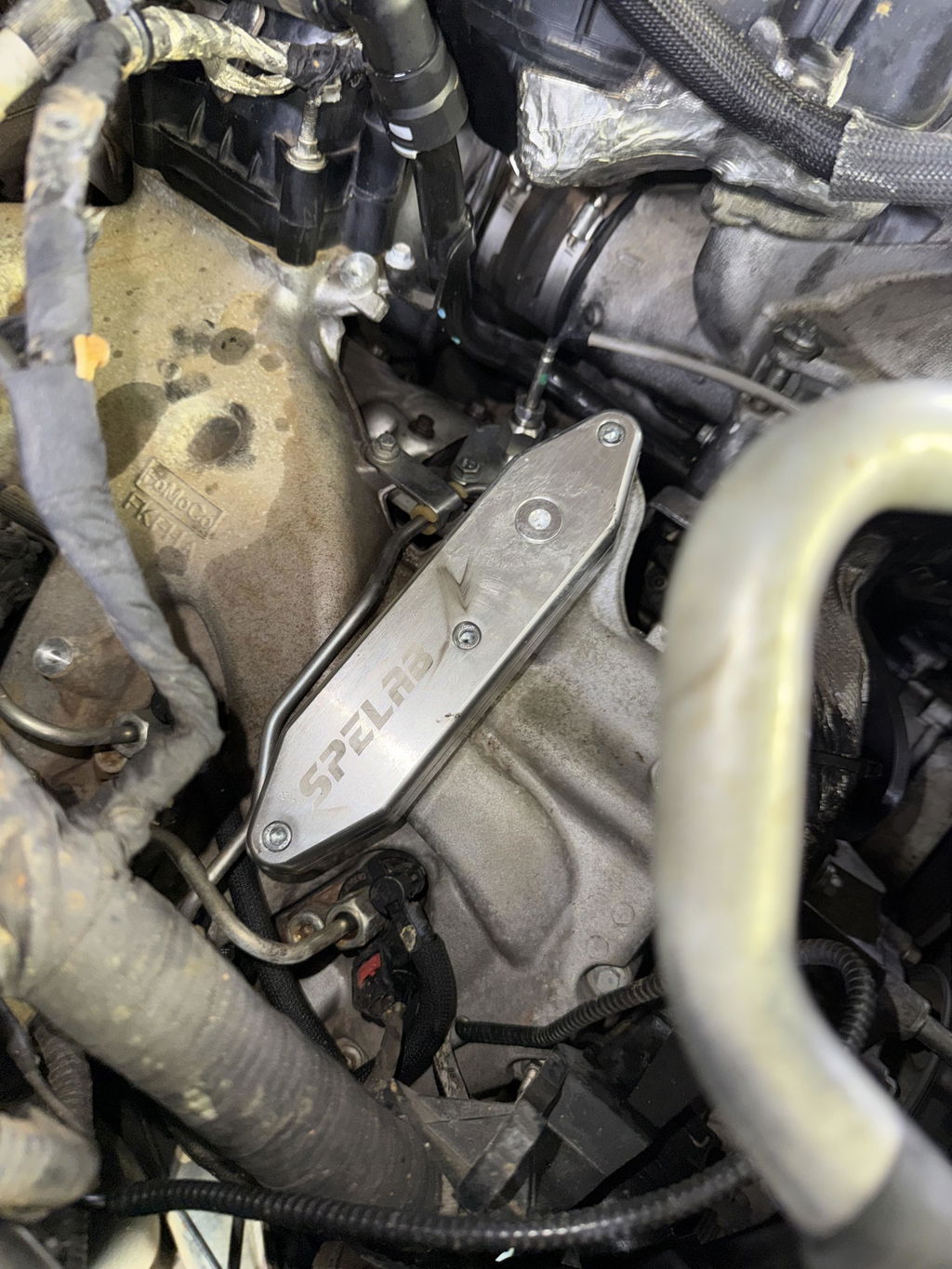
Great product
This kit is put together so well love the packaging it came in and how simple it is to assemble i did notice a slight drop in EGTs like it said it would and also no leaks what so ever. Only issue is not stickers
EGR Delete Kit For 2015-2016 6.7L Powerstroke Diesel Ford F250 F350 F450 F550 w/Coolant Bypass | SPELAB
10/30/2026
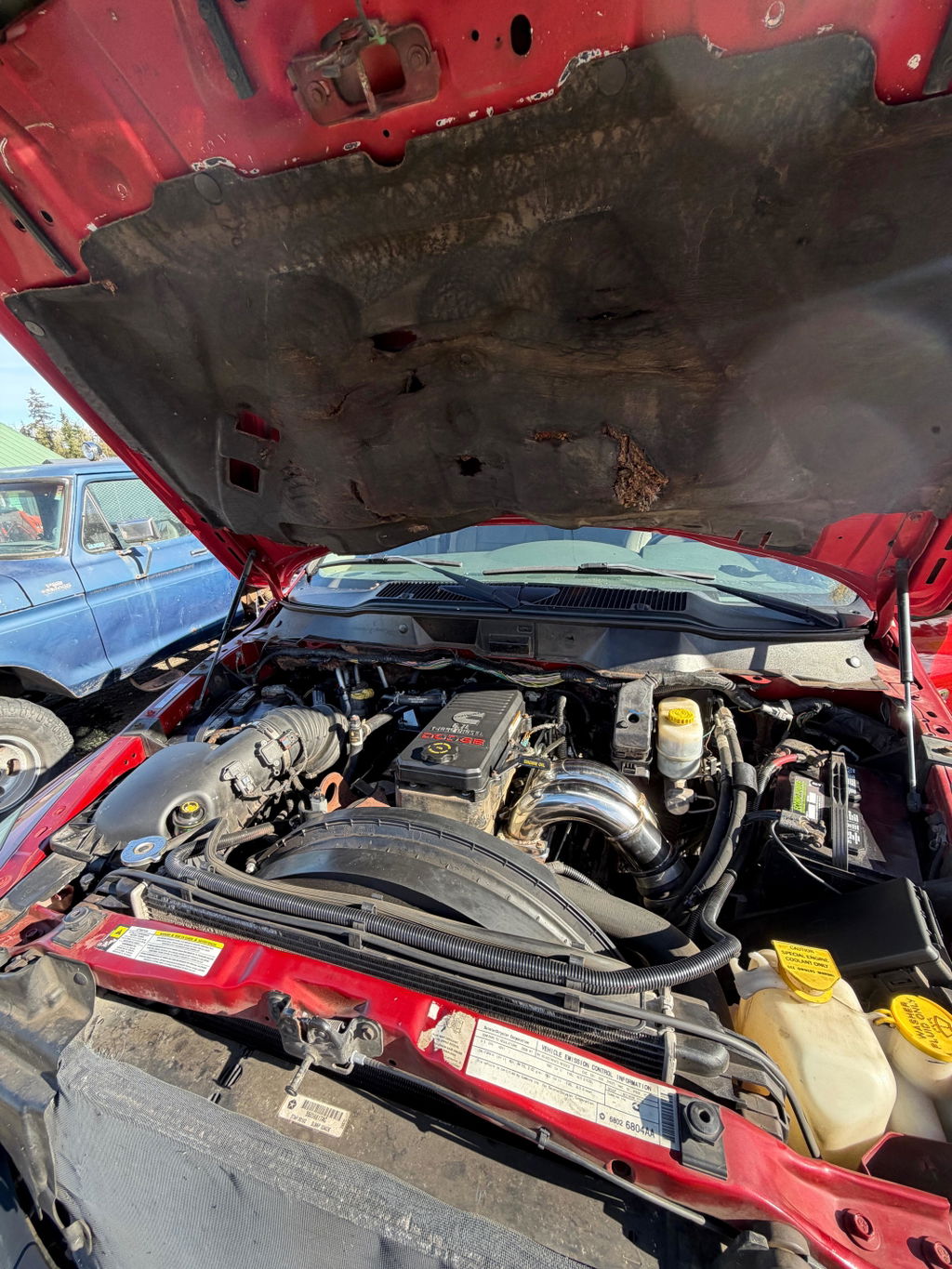
Looks sick
Got rid of my factory horn and went with this one for 93% more air flow and it looks sick
3.5" Intake Manifold with Heating Element for 2007-2024 Dodge Ram 2500/3500 6.7L Diesel | SPELAB
10/30/2026
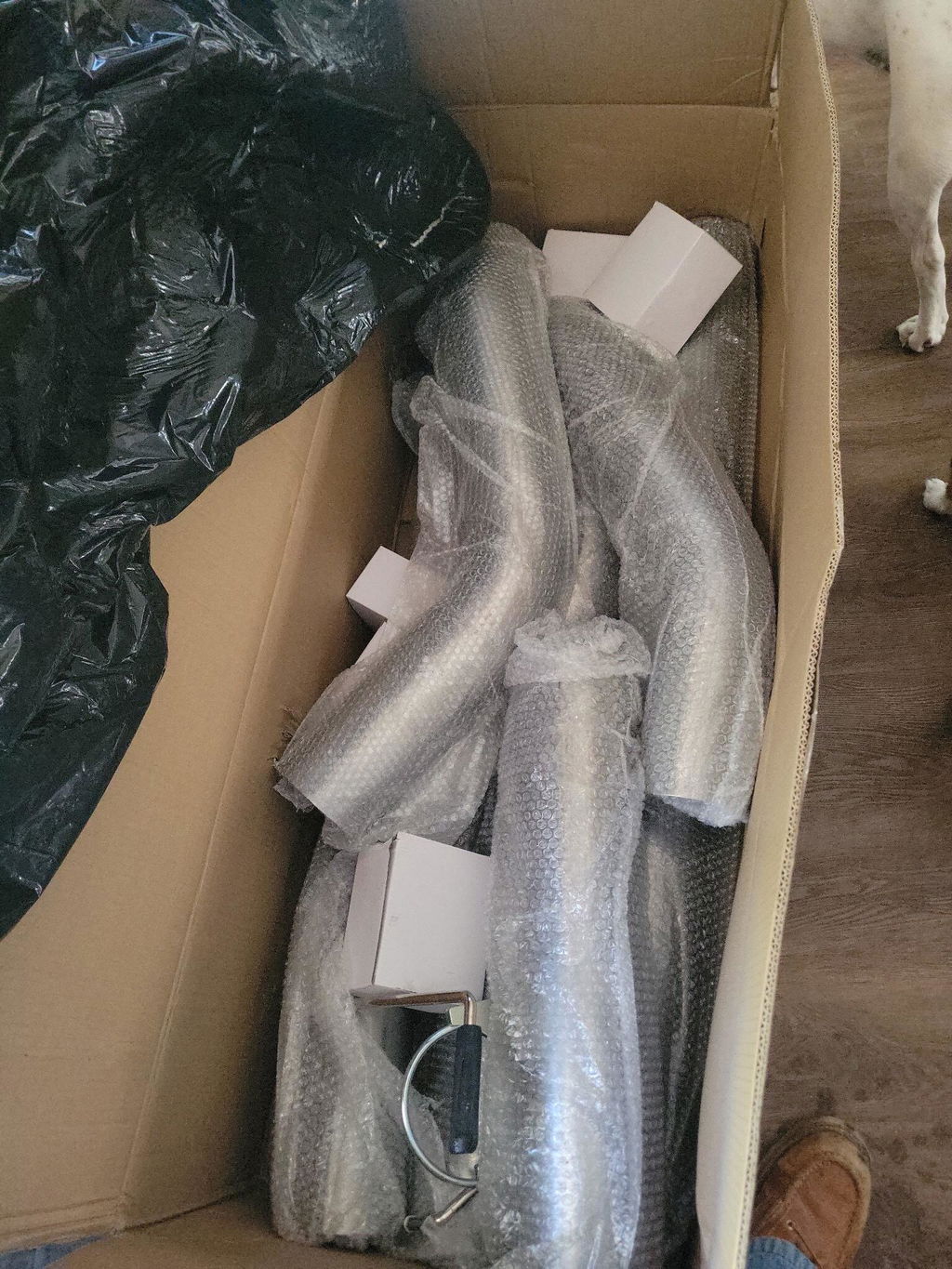
Great quality and fit perfect
Great quality and fit Perfect
For 4"/5" DPF Delete Race Pipe 2004.5-2007 Dodge Ram 2500/3500 5.9L Diesel | SPELAB
10/29/2026
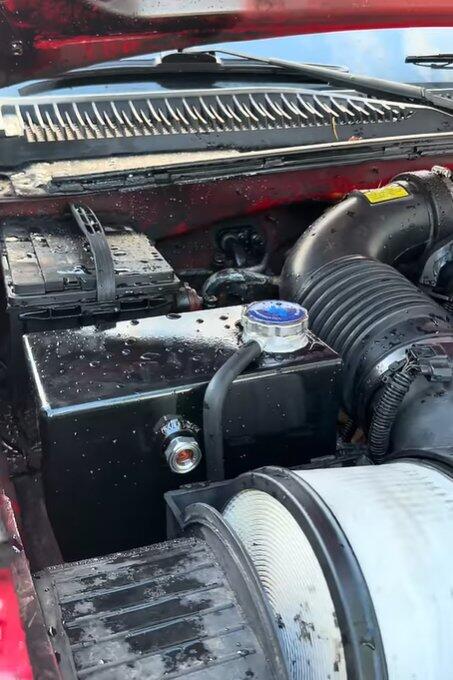
Great Product. Quality seems really good too.
Coolant Reservoir for 2001-2007 LB7 / LLY / LBZ DURAMAX Coolant Overflow Tank | SPELAB
10/28/2026
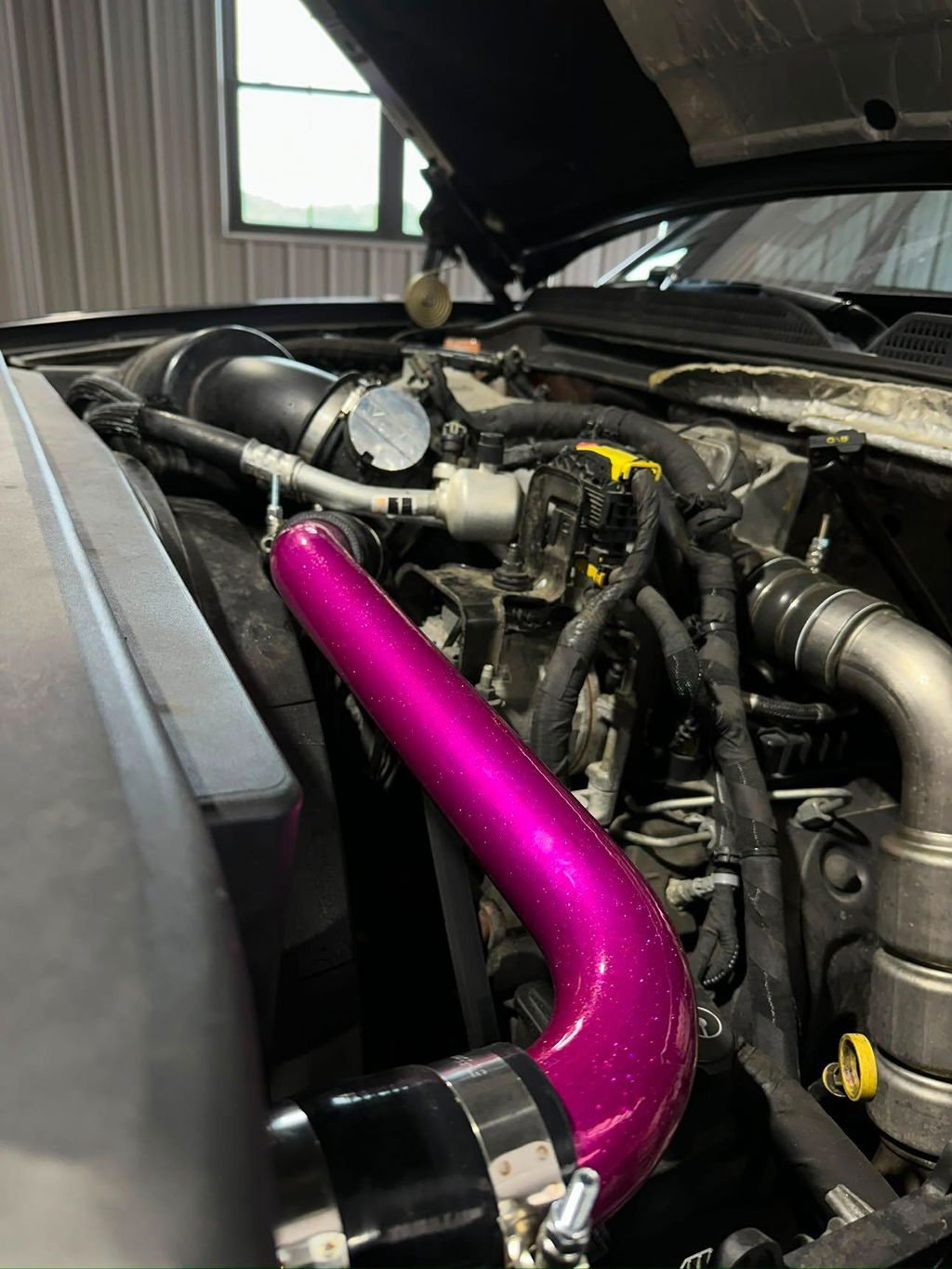
Easy to install, beautifully crafted
Upper Coolant Tube for 2017-2025 L5P 6.6L Duramax Chevy/GMC 2500HD/3500HD Coolant Pipe Kit | SPELAB
10/28/2026
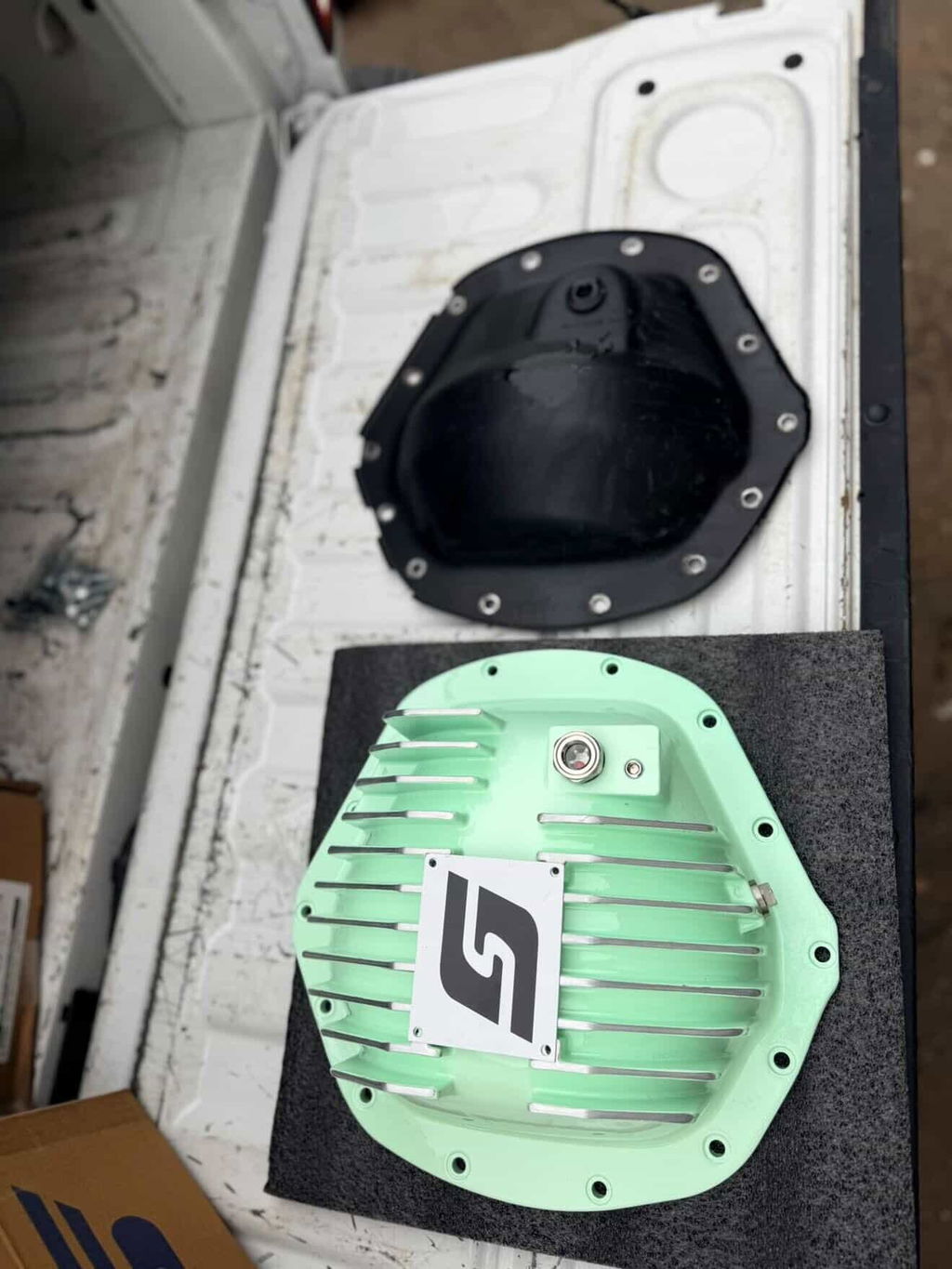
That's beautiful !
Differential Cover For AAM 11.5"/11.8″ 14 Bolts Rear Axle for 01-19 GM and 03-18 RAM | SPELAB
10/28/2026
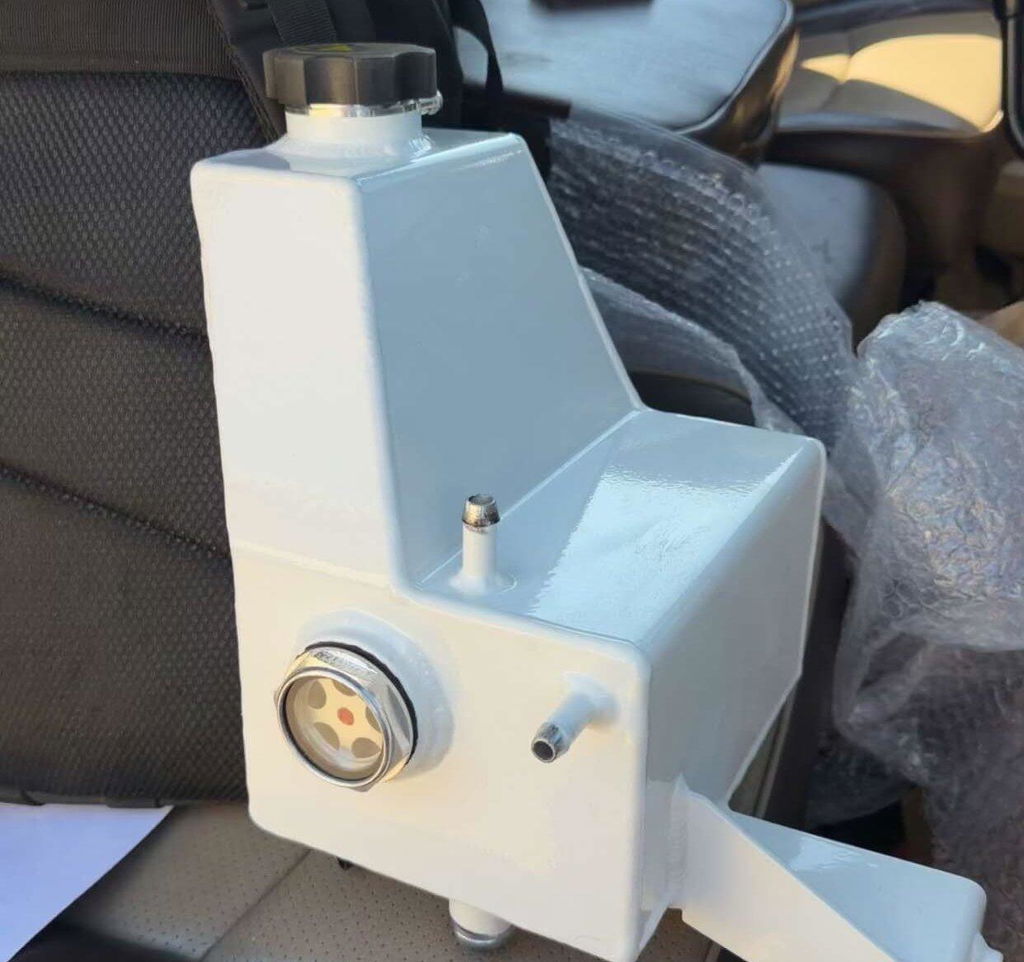
beautifully crafted
Coolant Reservoir Tank for 2013-2018 6.7L Dodge Ram 2500/3500 OEM Replacement | SPELAB
10/28/2026
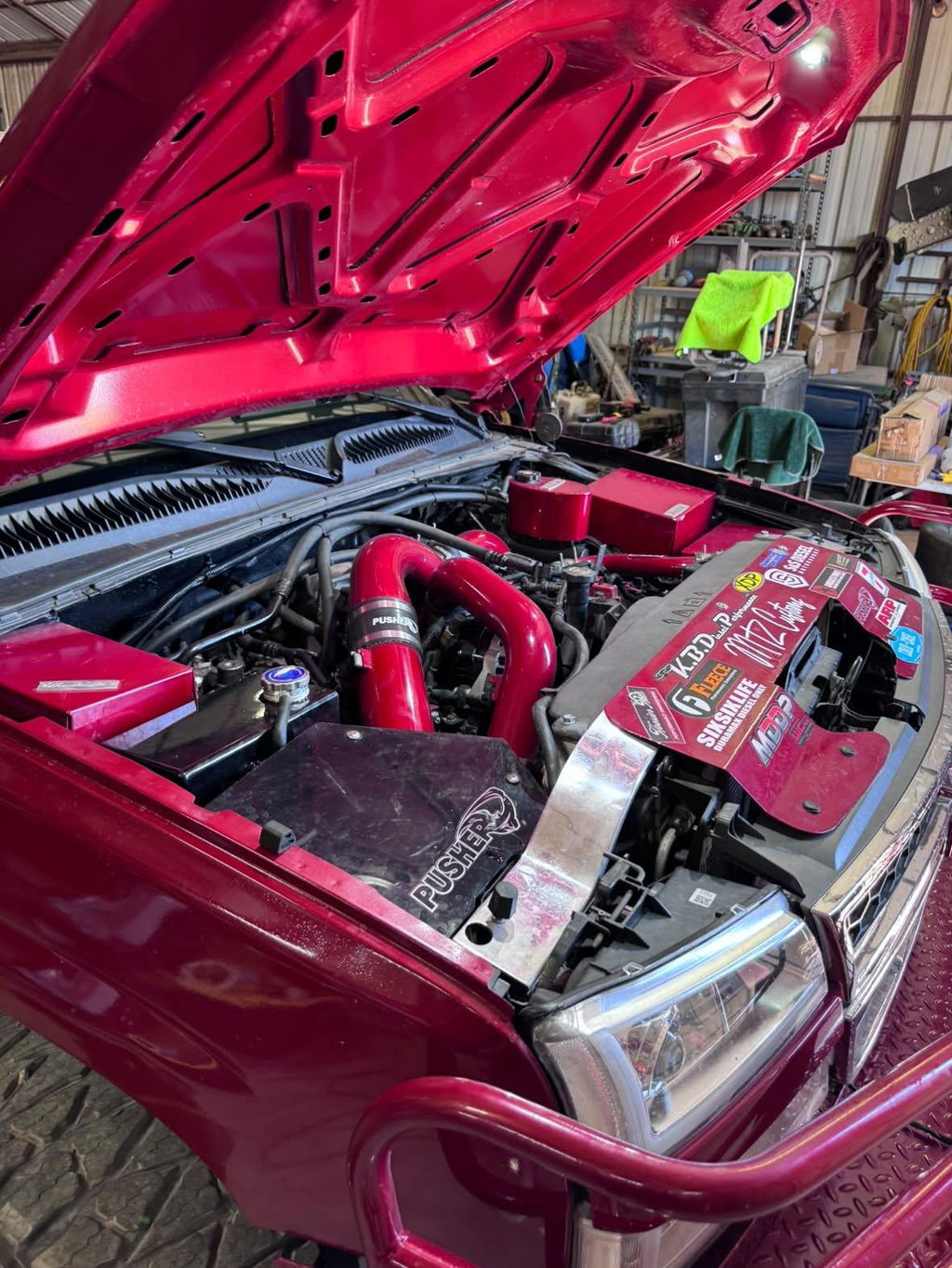
It's beautiful, easy to install
It's beautiful, easy to install.
Coolant Reservoir for 2001-2007 LB7 / LLY / LBZ DURAMAX Coolant Overflow Tank | SPELAB
10/28/2026
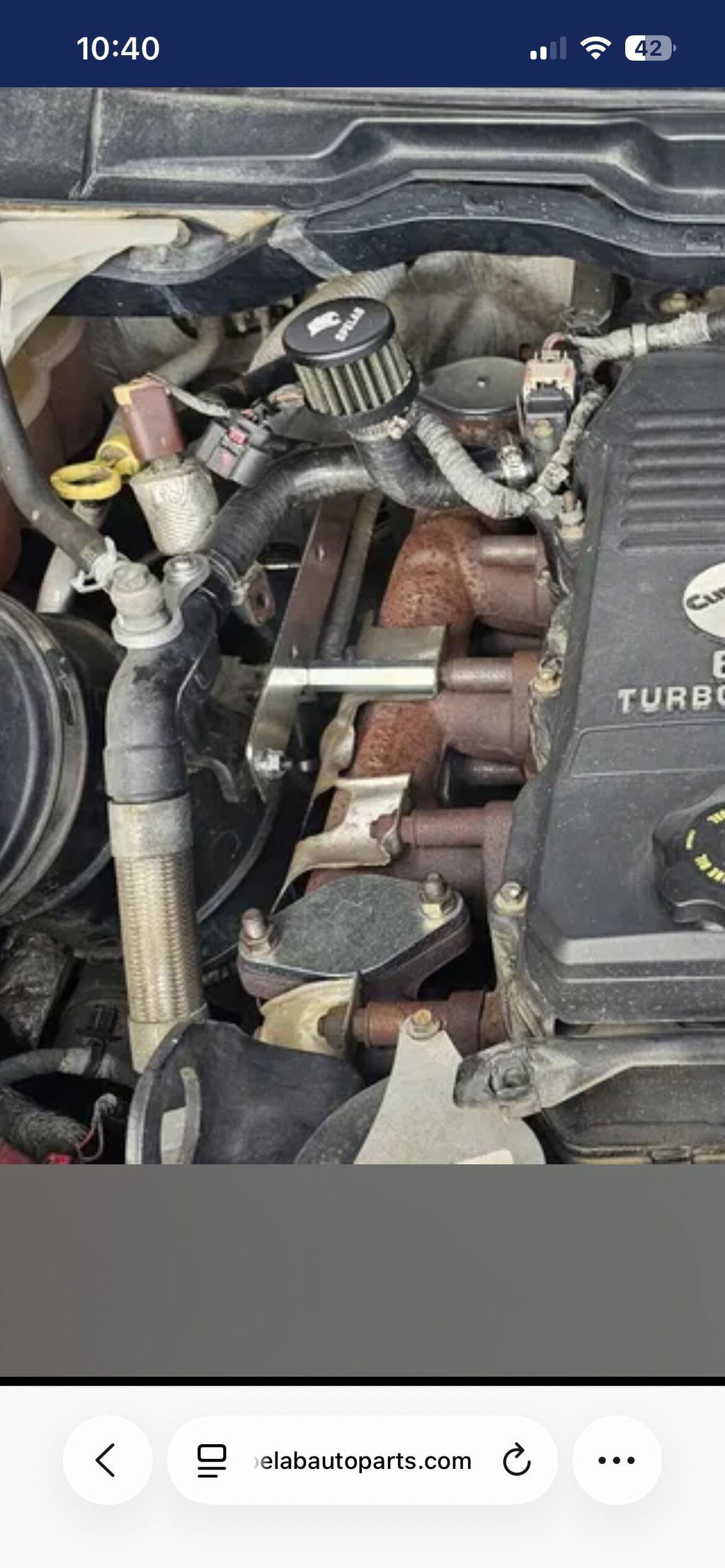
6.7 Delete Pipe & EGR Delete
Great Product easy installation work flawlessly on my 2018 Ram 2500
For 4"/5" DPF Delete Race Pipe for 2013-2018 Dodge Ram 2500/3500 6.7 Diesel | SPELAB
10/24/2026
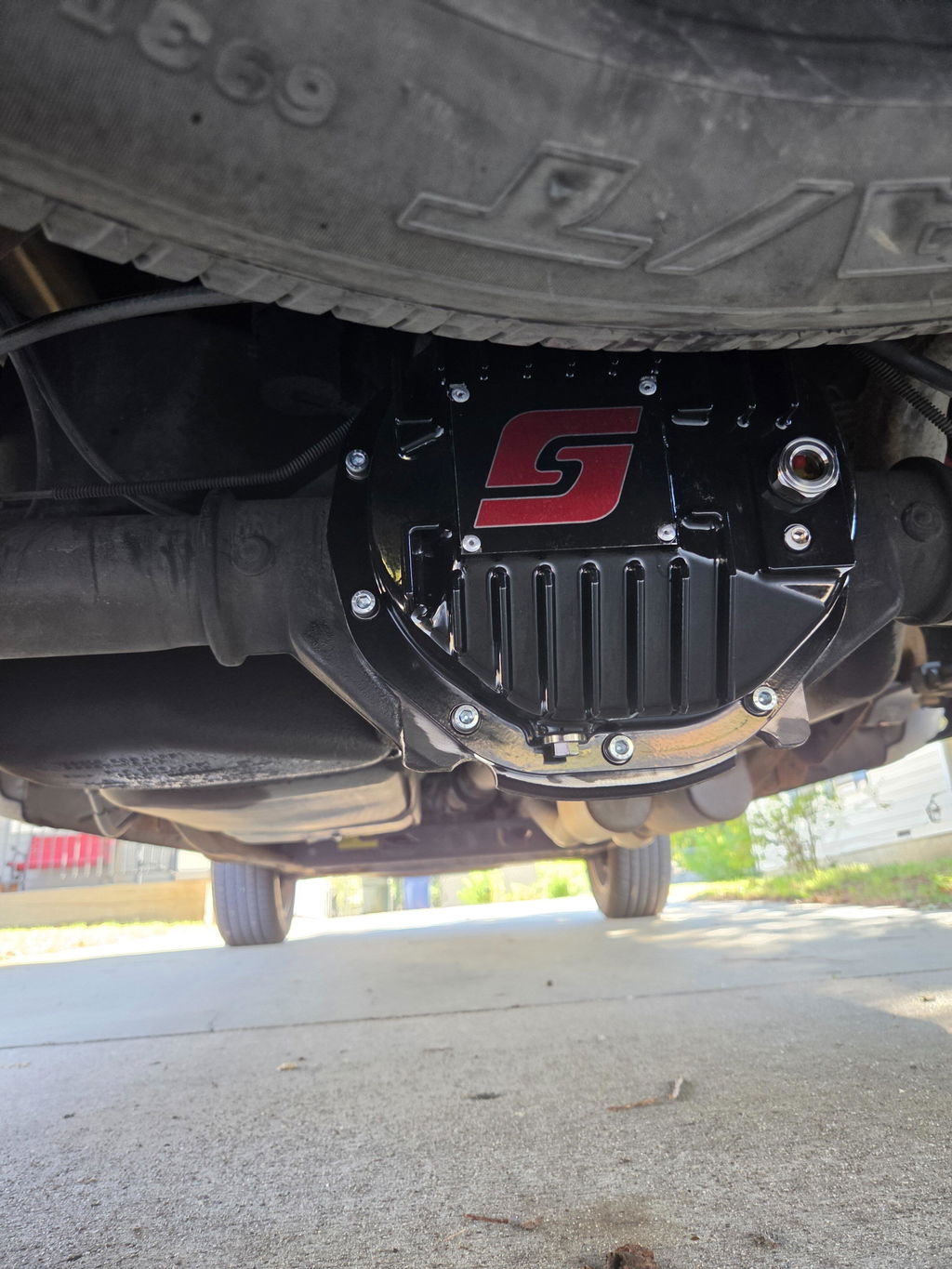
As promised great product and perfect fit..Thank you SPELAB
Worry-Free Purchase
10/23/2026
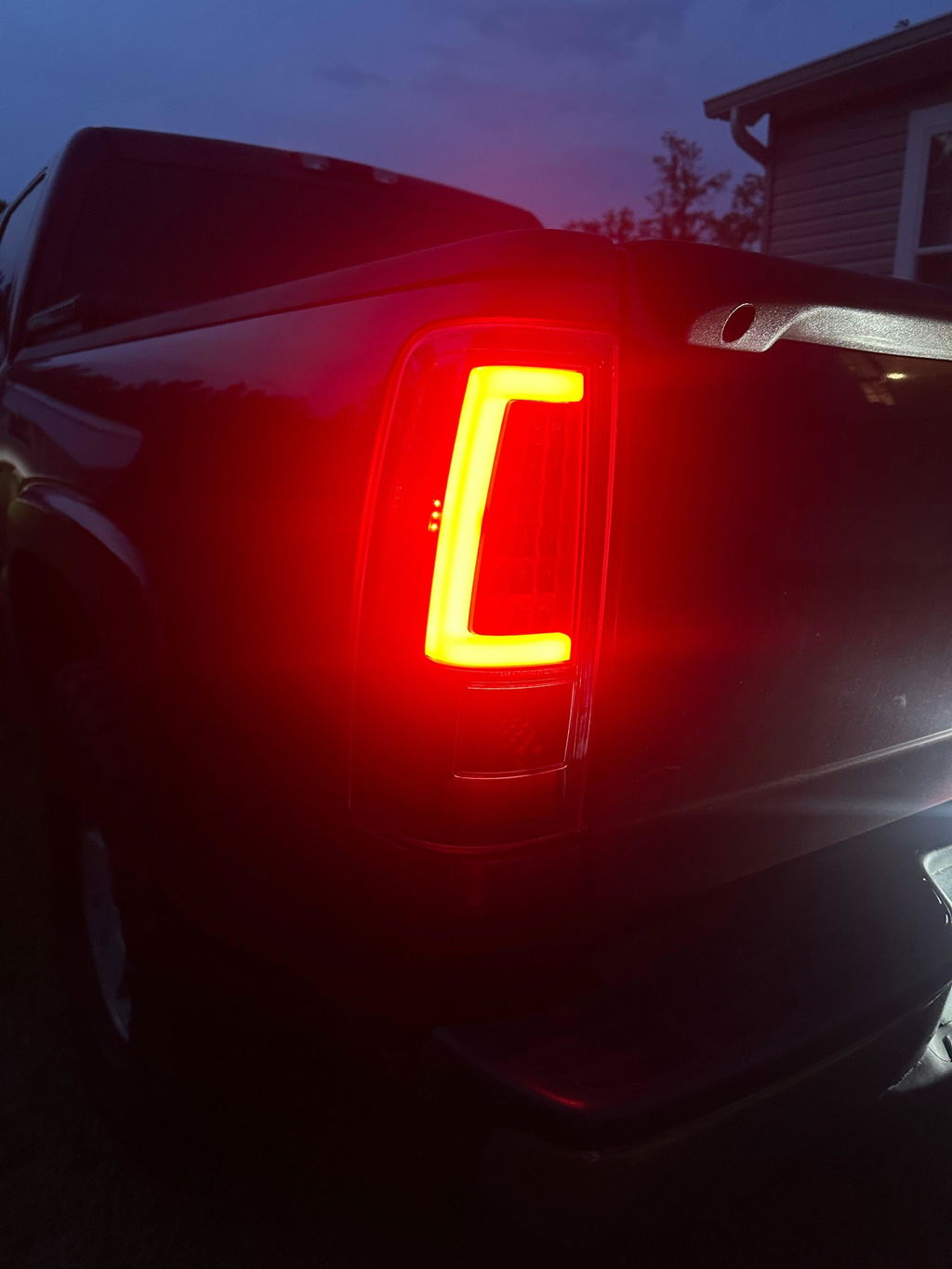
love the look
i love how they look on my truck
LED Tail Light Assembly Pair For 1999-2007 Duramax Chevy Silverado & GMC Sierra | SPELAB
10/23/2026
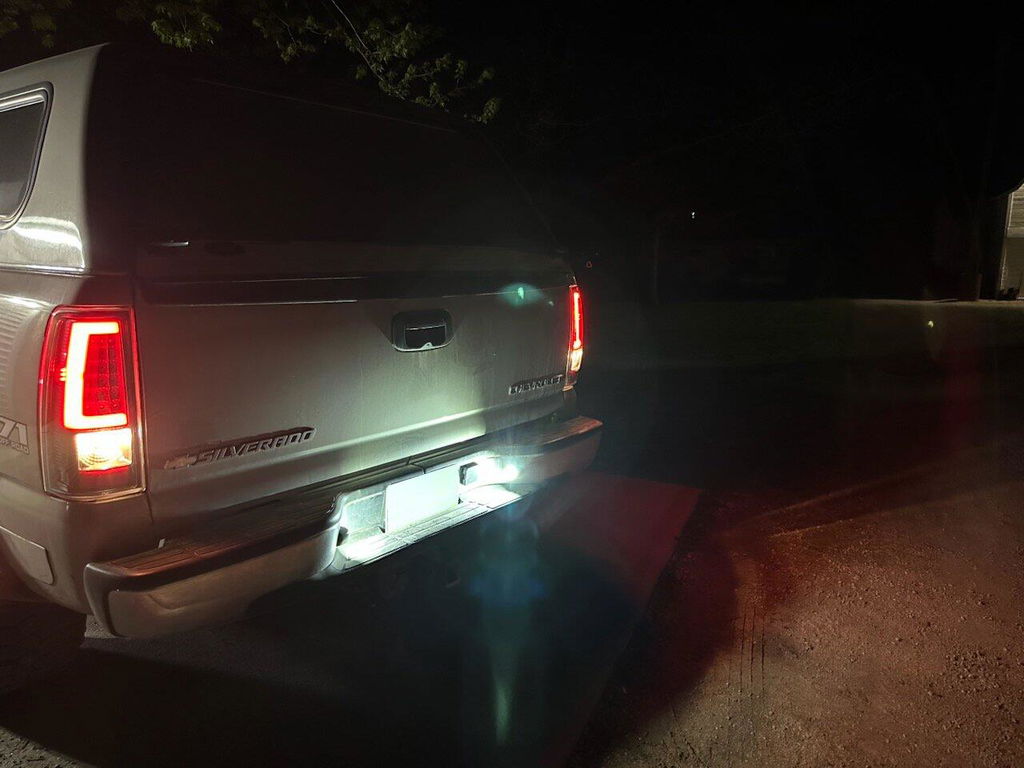
Lights look great
Lights look great, and easy to install
LED Tail Light Assembly Pair For 1999-2007 Duramax Chevy Silverado & GMC Sierra | SPELAB
10/23/2026
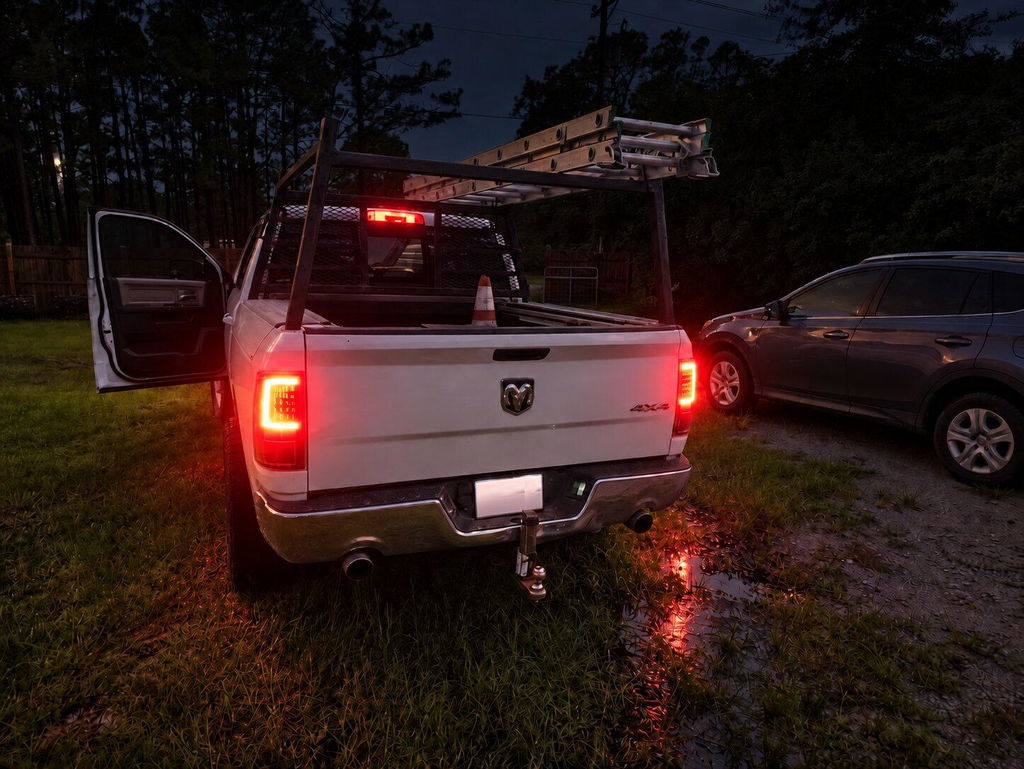
Looks awesome
The LED design looks awesome at night and gives the truck a much cleaner look from the back. Install was easy, everything worked right away, and I’m loving the upgrade.
LED Tail Light Assembly Pair For 2002-2018 Dodge Ram 1500/2500/3500 | SPELAB
10/23/2026
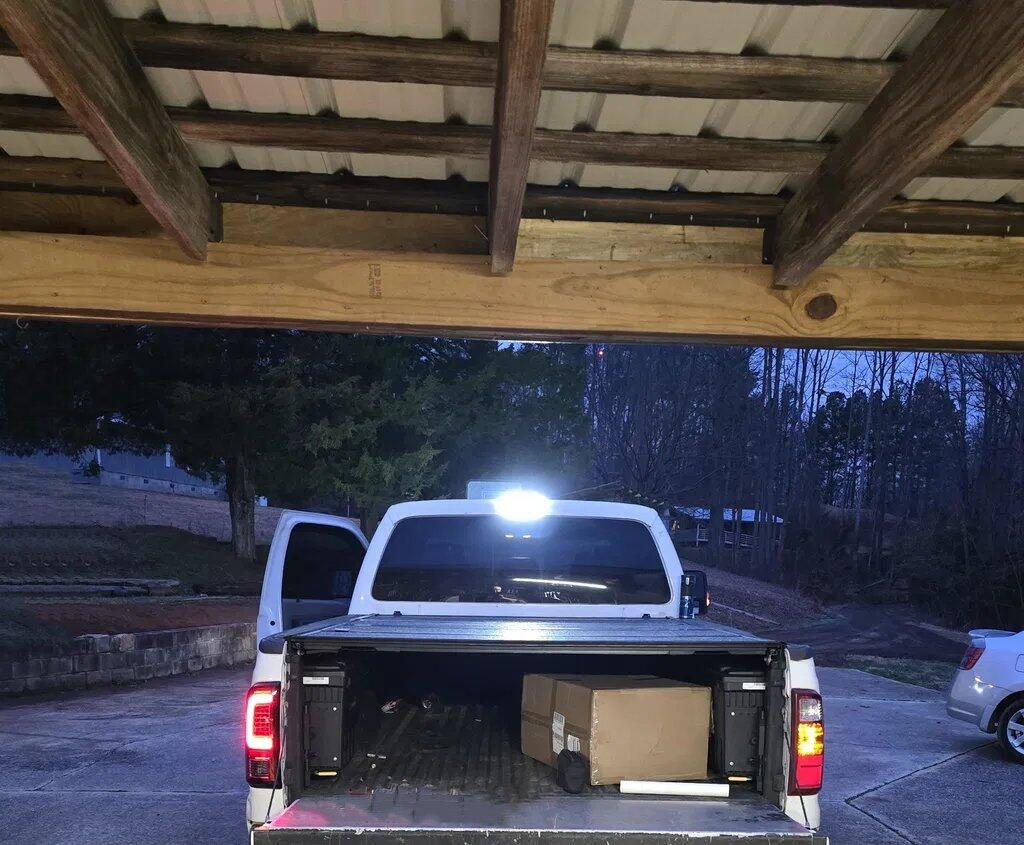
Looks better than stock
Looks better than stock.
LED Tail Light Assembly Pair For 1997-2016 Ford F150/F250/F350/F450/F550 Powerstroke Super Duty | SPELAB
10/23/2026
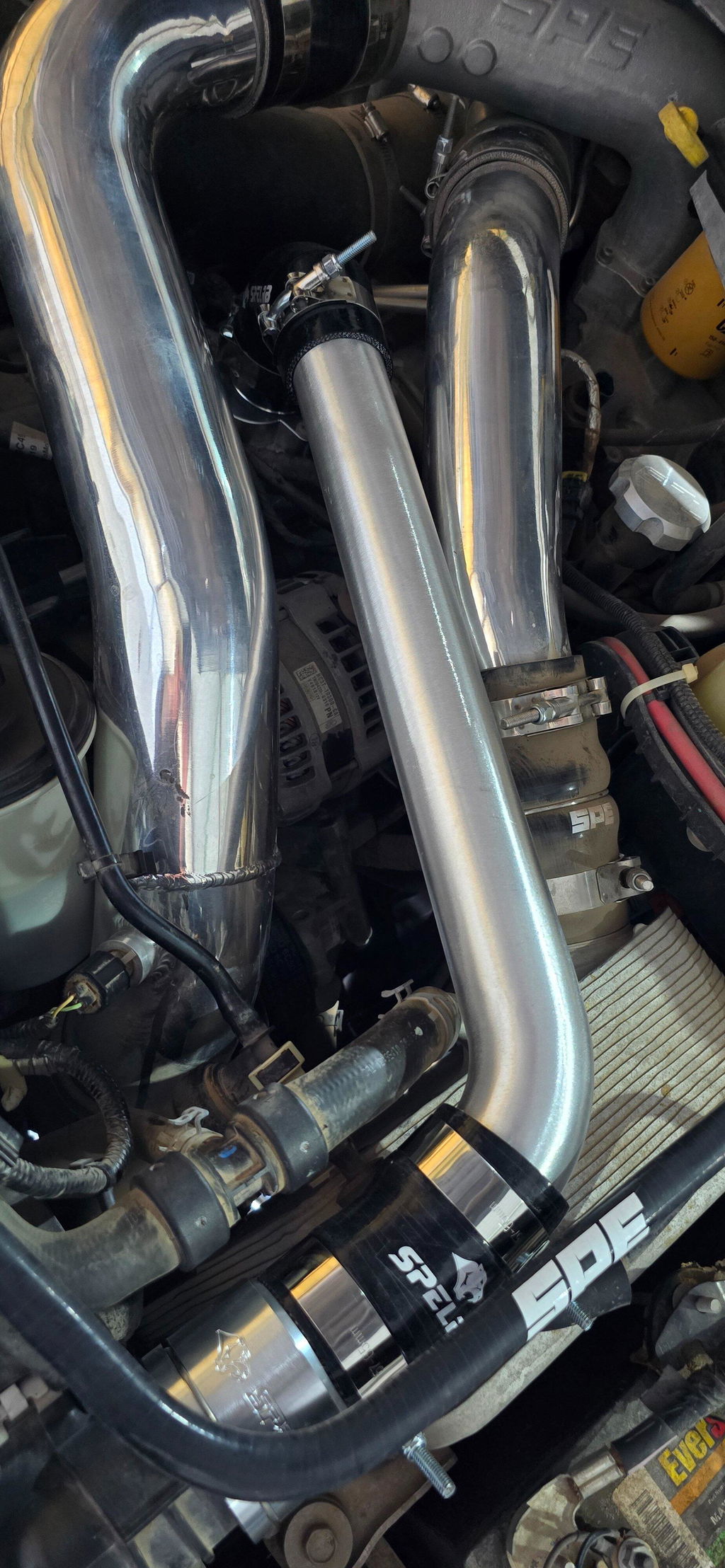
The Best
Great fit and look, has performed flawlessly
Upper Coolant Tube for 2011+ 6.7L Powerstrokes Coolant Pipe | SPELAB
10/23/2026
Powerstroke Downpipe FAQ
Downpipe-back removes everything from the turbo outlet to the tailpipe. A full system additionally replaces the downpipe itself. Start with downpipe-back; upgrade the downpipe if you are chasing maximum flow beyond 600 hp.
A catless downpipe will trigger emissions codes on a truck that still runs its factory emissions equipment, and the check engine light stays on until the ECU is running a tune written for it. This downpipe is rated off-road and competition use only - removing emissions equipment on a road-registered vehicle is prohibited under federal law.
The up pipe and the downpipe sit on opposite ends of the turbocharger and are not interchangeable. The up pipe feeds exhaust from the manifolds into the turbine; a Powerstroke downpipe carries gas away from the turbine outlet. They are also reached by entirely different routes, so if the leak is at the manifolds, the downpipe is the wrong part.
A two-piece Powerstroke downpipe joint seals by being clamped evenly. Most leaks come back to four causes: a reused gasket, a clamp seated off-axis, tightening before aligning, and skipping the re-check. Fit the front section loose, bring the rear up to meet it, align, then tighten progressively, and re-torque after the first heat cycles.
A Powerstroke downpipe can help exhaust gas temperature under sustained load, because reducing the pressure the turbine discharges against is the mechanism that drives EGT. What owners notice is earlier spool and less effort on a grade rather than a gauge figure. Results depend on the whole combination, so treat quoted temperature drops with caution.
Trucks with the same 6.7L need different downpipes because the exhaust layout is not shared across every revision. The turbine outlet flange, the route past the transmission tunnel, where a two-piece design splits and what it connects to all changed at different points. Where a model year straddles a revision, the build date settles it.
No. A catless Powerstroke downpipe removes the catalyst from the section, which changes the vehicle's emissions equipment. Removing or defeating emissions hardware on a road-registered vehicle is prohibited under federal law, and catless configurations are sold for off-road and competition use. Trucks driven on public roads should keep their emissions equipment intact.