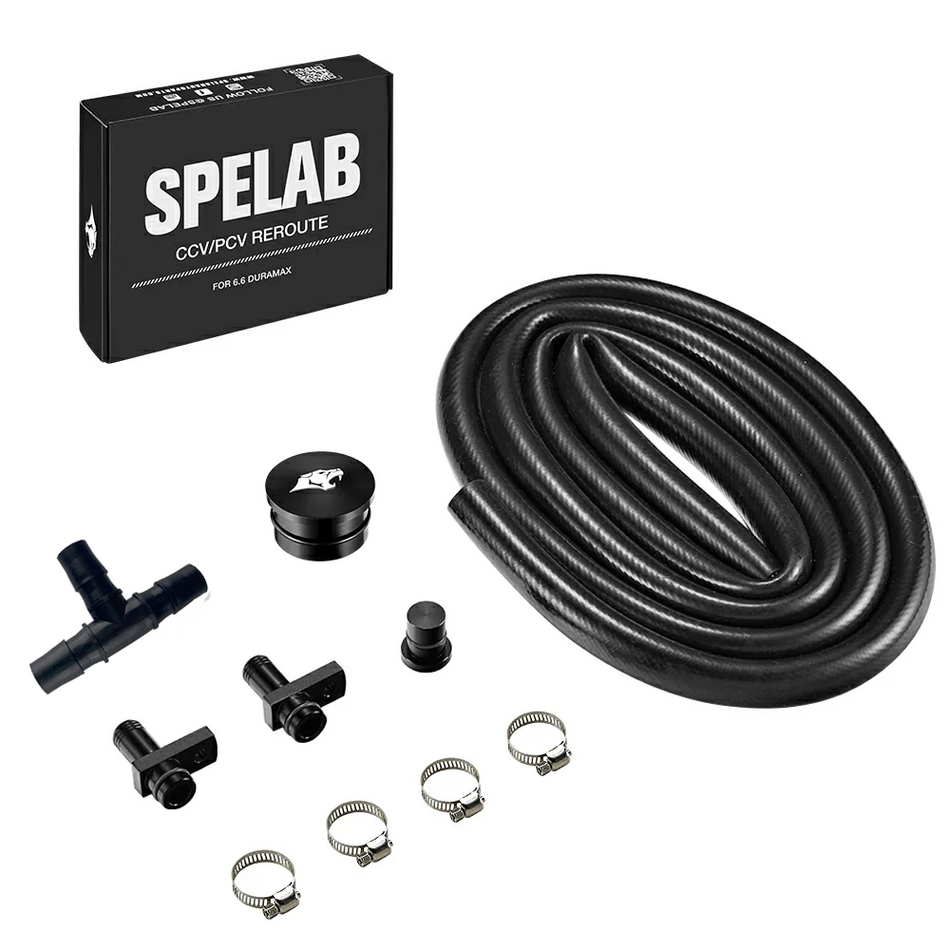
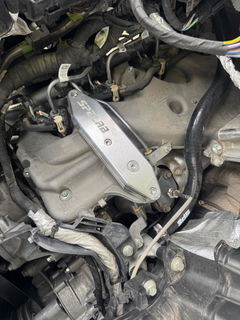
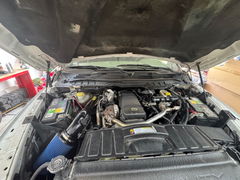
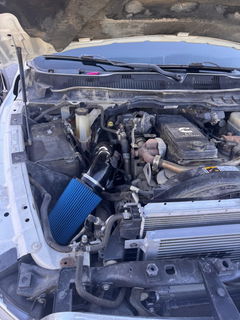
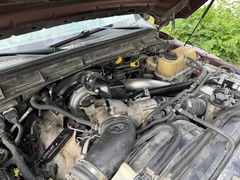
Built for Duramax owners reducing oil vapor and blow-by, these kits help match CCV/PCV routing, catch can needs, and engine fitment.
Duramax CCV Reroute Kit Overview
A Duramax CCV/PCV reroute kit changes how crankcase vapor and oil mist are handled before they reach the intake, turbo inlet, or intercooler system. This collection covers LLY, LBZ, LMM, LML, and L5P Duramax applications, including standalone CCV/PCV reroute kits and selected all-in-one delete packages that include CCV-related components.
The right kit should be selected by engine generation, model year, hose routing, catch can preference, factory intake layout, and local emissions rules. Do not choose by “Duramax” alone, because LML and L5P CCV layouts differ from earlier LLY, LBZ, and LMM setups.
What Is a Duramax CCV Reroute/Delete Kit?
A Duramax CCV reroute/delete kit changes the path of crankcase ventilation gases so oil vapor and blow-by are no longer sent back through the same factory intake route. Depending on the kit design, the system may reroute vapor to a new outlet, route it through a catch can, or replace selected factory CCV/PCV components.
The goal is to reduce oil mist inside the intake tract, turbo inlet, intercooler pipes, and boots while making crankcase ventilation easier to inspect and service. It is not a repair for excessive engine blow-by, failed turbo seals, or worn piston rings.
-
Reroute kit: redirects crankcase vapor away from the factory intake path.
-
Delete-style kit: bypasses or replaces selected factory CCV/PCV components.
-
Catch can setup: collects oil mist so it can be drained during maintenance.
Benefits of a Duramax CCV Reroute/Delete Kit
A properly matched Duramax CCV reroute/delete kit can help reduce oil vapor entering the intake system, which may keep the turbo inlet, intercooler pipes, boots, and intake tract cleaner over time. This is especially useful on towing trucks, tuned builds, high-mileage engines, or trucks that spend long hours under load.
-
Cleaner intake path: helps limit oil mist buildup in charge-air piping and boots.
-
Easier maintenance: catch can setups let owners inspect and drain collected oil during service.
-
Better crankcase vapor control: reroute kits give blow-by gases a more controlled path outside the factory intake route.
-
Reduced mess around intake parts: may help lower oil residue near turbo inlet and intercooler connections.
-
Useful support mod: works well alongside intake, tuning, towing, and off-road diesel builds when fitment is correct.
Best For
- Duramax owners seeing oil residue in the intake path, turbo inlet, intercooler pipes, or boots.
- LML and L5P owners comparing CCV reroute, PCV reroute, catch can, or full delete package options.
- LLY, LBZ, and LMM owners looking to reduce crankcase oil vapor entering the intake system.
- High-mileage, towing, or tuned trucks with increased blow-by or intake contamination concerns.
- DIY installers and diesel shops checking hose routing, fittings, drain access, and engine-generation fitment.
Choose by Duramax CCV Setup
| Duramax Platform |
Common Setup |
What to Confirm |
| LLY / LBZ / LMM |
PCV/CCV reroute kit |
Valve cover routing, hose layout, fittings, and intake connection points |
| LML |
CCV/PCV reroute or all-in-one kit option |
Integrated separator layout, block-off needs, catch can option, fitment year |
| L5P |
Bolt-on CCV reroute/delete-style kit |
Factory intake compatibility, fitting style, hose routing, and service access |
| Full delete package |
CCV included with EGR, DPF, DEF, or tuner-related parts |
Exactly which systems are included and whether tuning is required |
What to Check Before Ordering
- Confirm your Duramax engine generation: LLY, LBZ, LMM, LML, or L5P.
- Check whether the product is a standalone CCV/PCV reroute kit or part of a full delete package.
- Review whether hoses, fittings, clamps, adapters, block-off parts, drain valves, or catch can parts are included.
- Check if the kit works with the factory intake and turbo piping.
- Inspect existing oil leaks, turbo seal condition, and excessive blow-by before assuming the CCV system is the only issue.
- Review emissions and warranty considerations before installing delete-style or open-vent crankcase ventilation products.
Performance and Maintenance Expectations
A properly matched Duramax CCV/PCV reroute kit can help reduce oil vapor entering the intake system, limit turbo and intercooler pipe contamination, and simplify crankcase ventilation maintenance. A catch can setup can also make collected oil easier to inspect and drain during service.
A CCV reroute kit will not repair worn piston rings, excessive blow-by, failed turbo seals, clogged intake parts, or unrelated oil leaks. If the truck is pushing heavy oil vapor, diagnose engine condition before treating the reroute kit as the only fix.
Legal Notice
For U.S. and Canadian customers, open-vent, delete-style, or emissions-related crankcase ventilation products may be restricted for public-road vehicles. Confirm local rules before purchase or installation.