13 Products
-

-

-

-

-

-
-11%

-

-

-
-10%

-
-27%

-
-36%

-


show 13 collections
Let customers speak for us
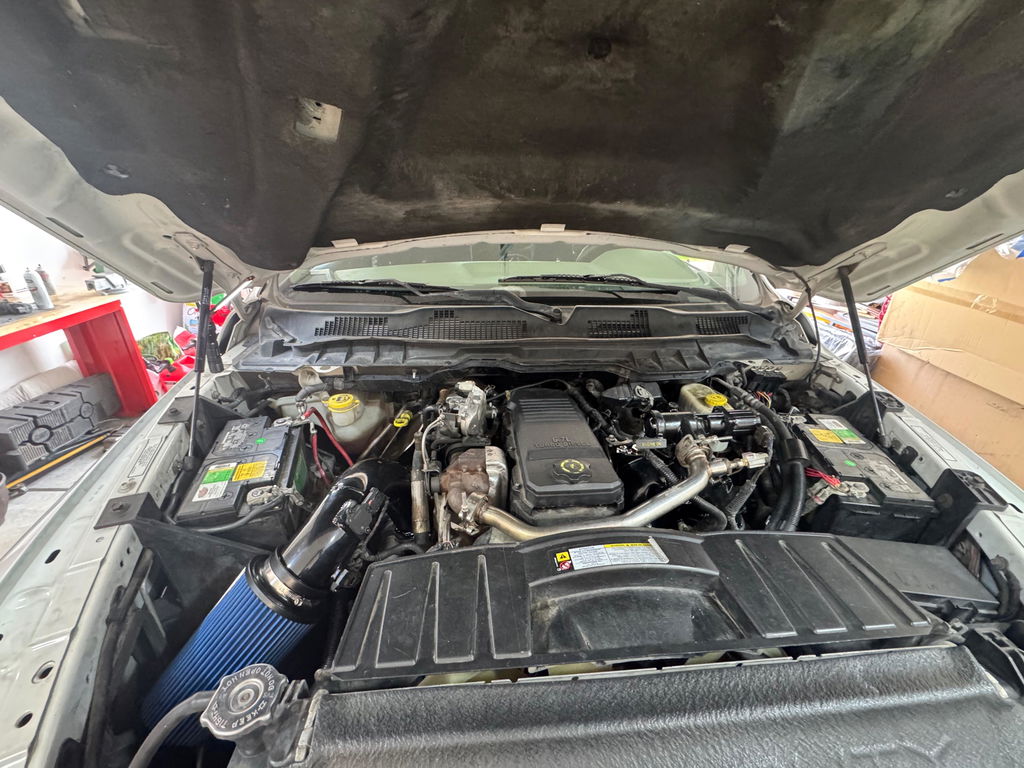
Anonymous
Purchased for my 2011 ram 2500 6
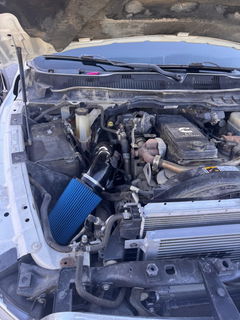
Purchased for my 2011 ram 2500 6.7 Cummins. Great product all the sensors holes lined up perfectly helped with acceleration a lot more responsive now on acceleration
SPELAB Cold Air Intake Kit For 2007.5-2012 Dodge Ram 6.7L Diesel Ram 2500 3500 4500 5500
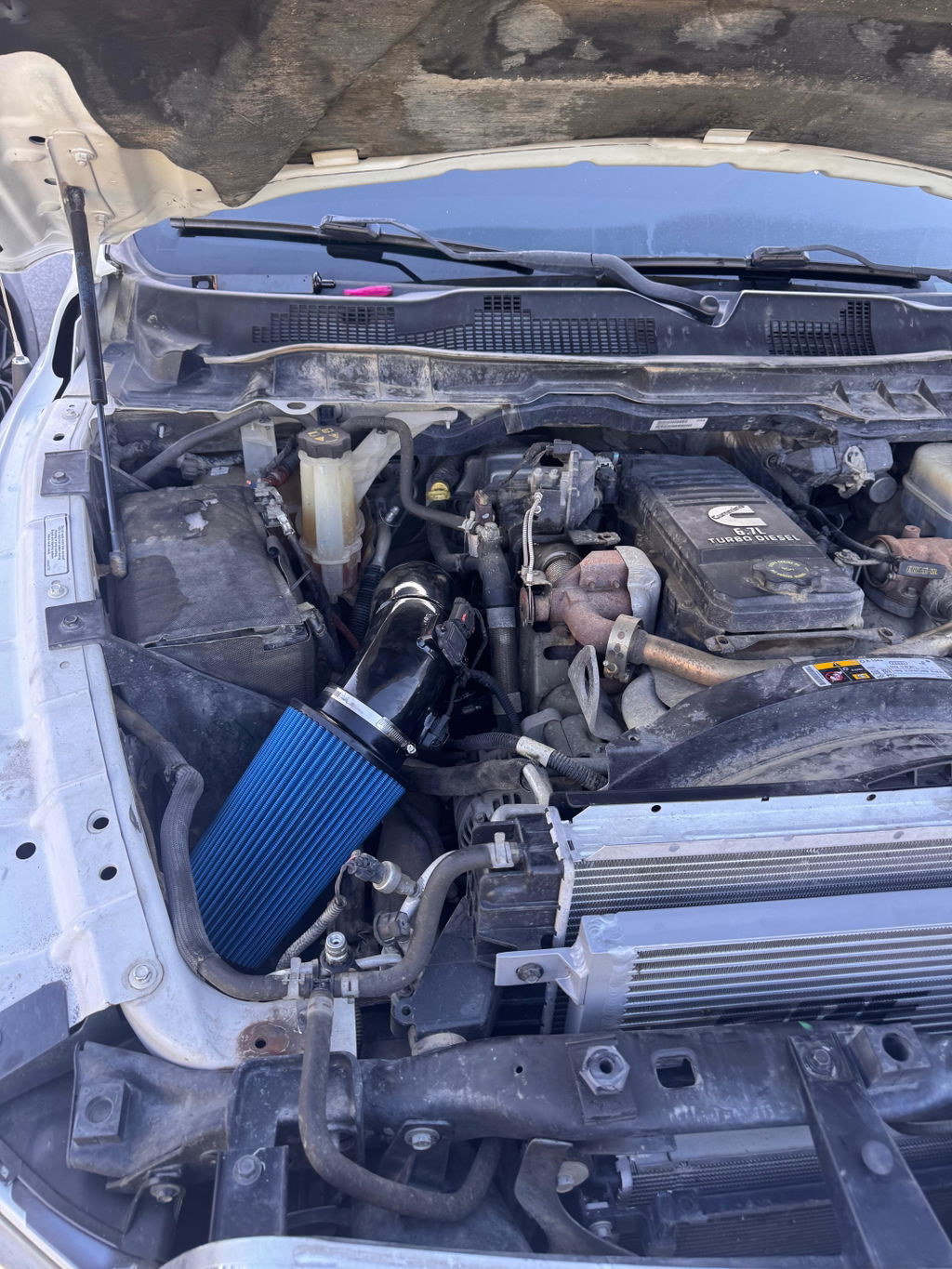
Caleb
Installed on a 14 3500, seamless install
Installed on a 14 3500, seamless install maybe takes 10min. Definitely opens intake up. Noticeably more sound. Not sure any performance gains other than throttle response
SPELAB Cold Air Intake Kit For 2007.5-2012 Dodge Ram 6.7L Diesel Ram 2500 3500 4500 5500
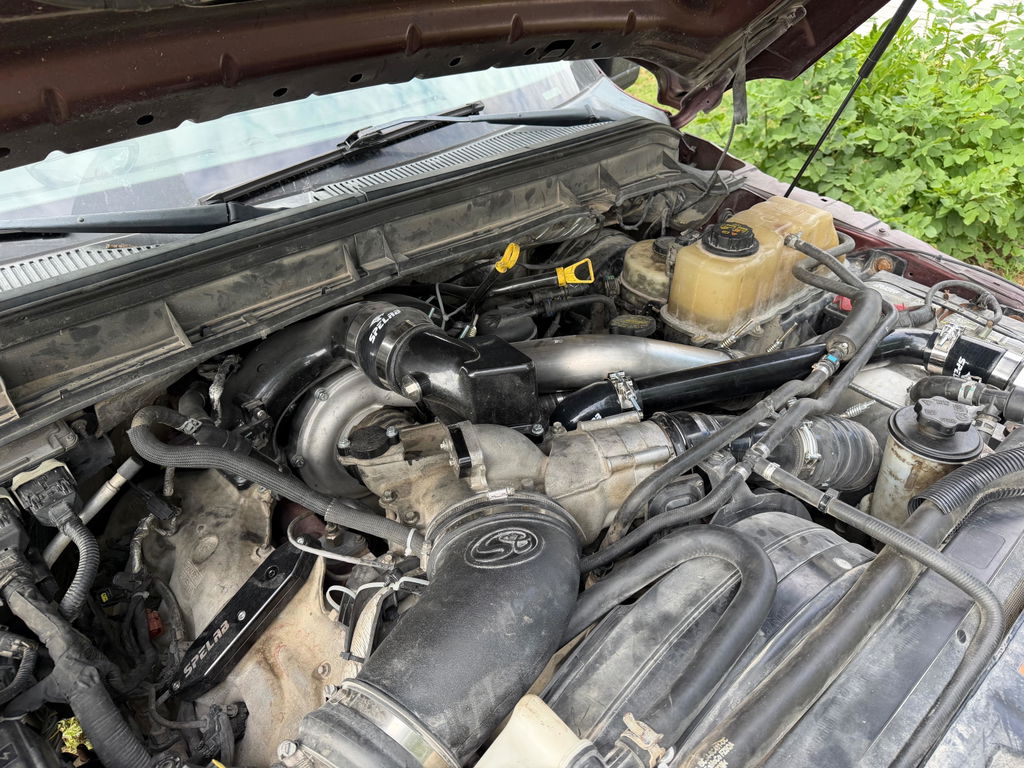
Dennison Collard
Full delete
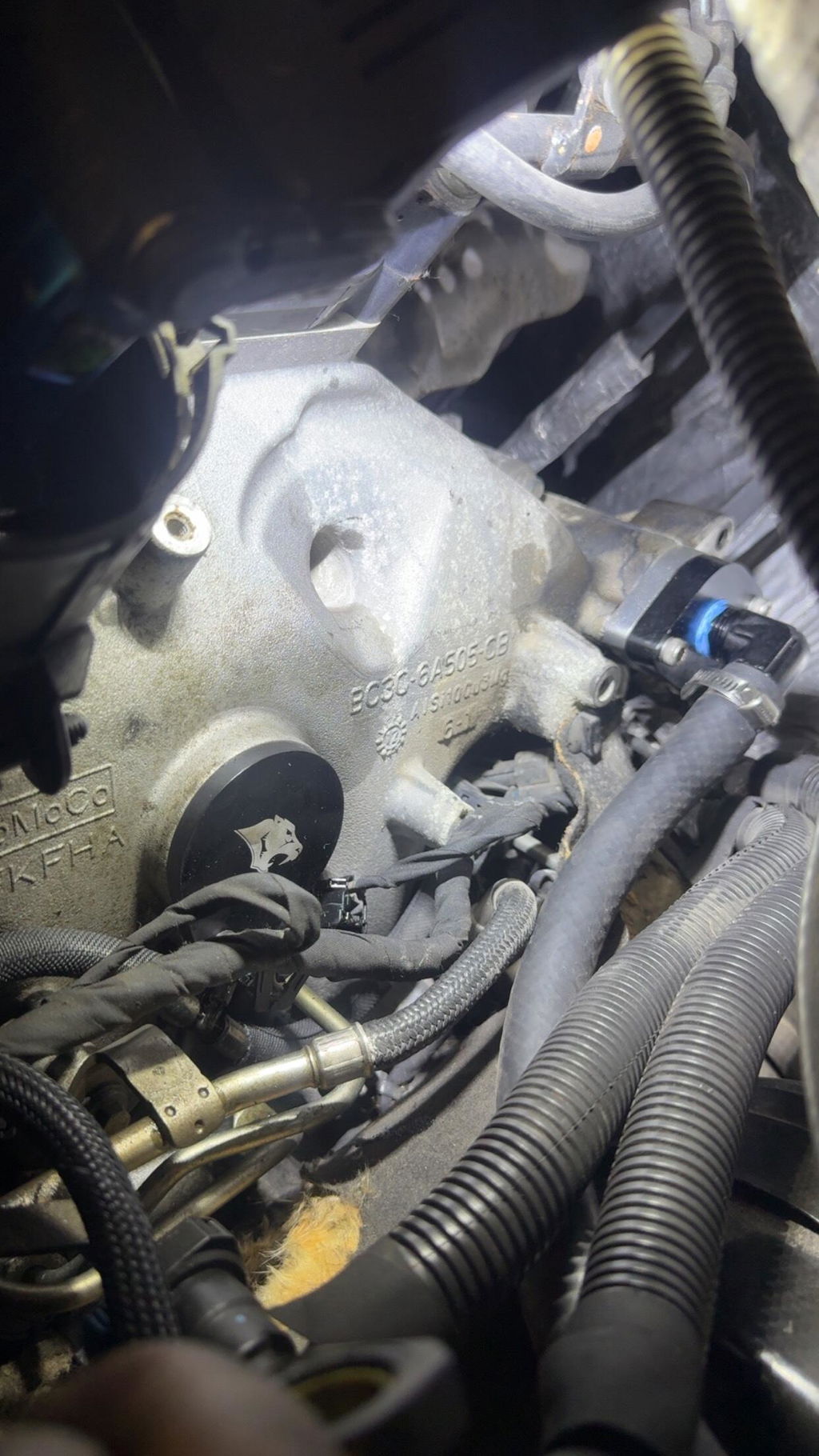
I’ve purchased the EGR and CCV deletes as well as the upgraded intake manifold, upper radiator hose and thermostat block, and compressed air piping. Overall I am very satisfied with the quality and fit of all of the parts. Some of the instructions could use a little more detail, but if you are in any way mechanically inclined, you’ll be able to do these yourself no problem. I did have to make a very small modification to the aluminum quick connector on the upper radiator hose in order to get it to lock in place, but other than that everything has been great!
Intake Manifold for 2011–2019 Ford F250 F350 F450 F550 6.7L Powerstroke | SPELAB
Conner Burch
Works amazing and easy to install
Worry-Free Purchase
Joe Gerardi
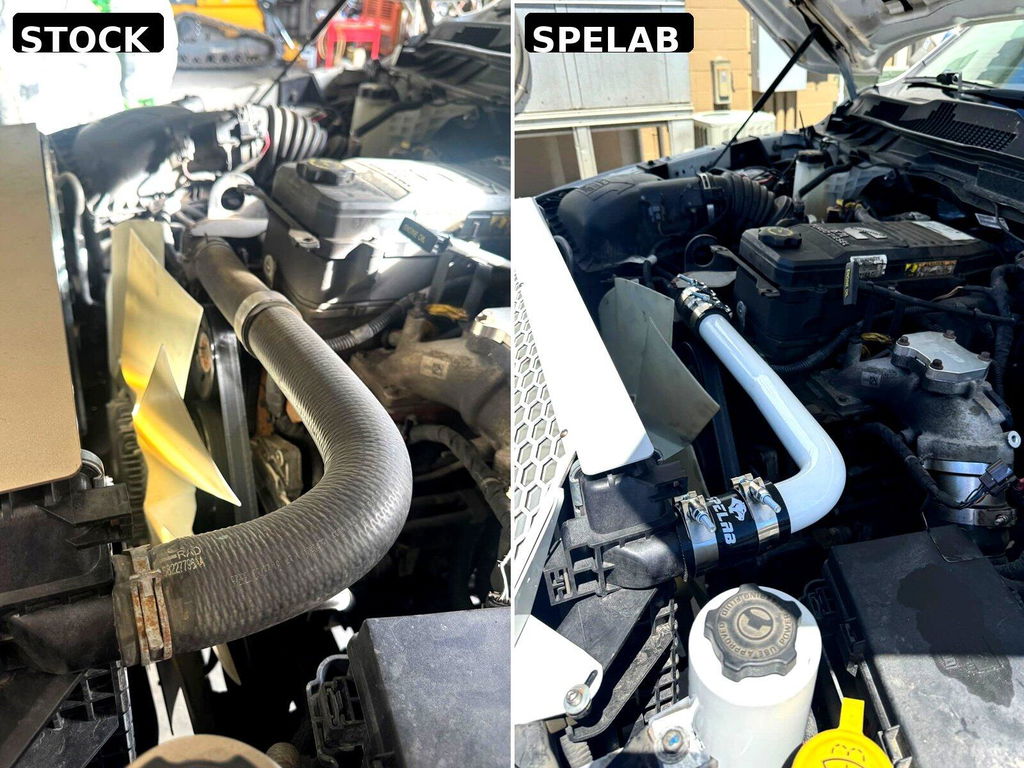
Love those pipes!
too good to not change them!
Upper Coolant Pipe for 2010-2024 6.7L Dodge Ram 2500HD/3500HD Radiator Pipe | SPELAB
Braeden Baluch
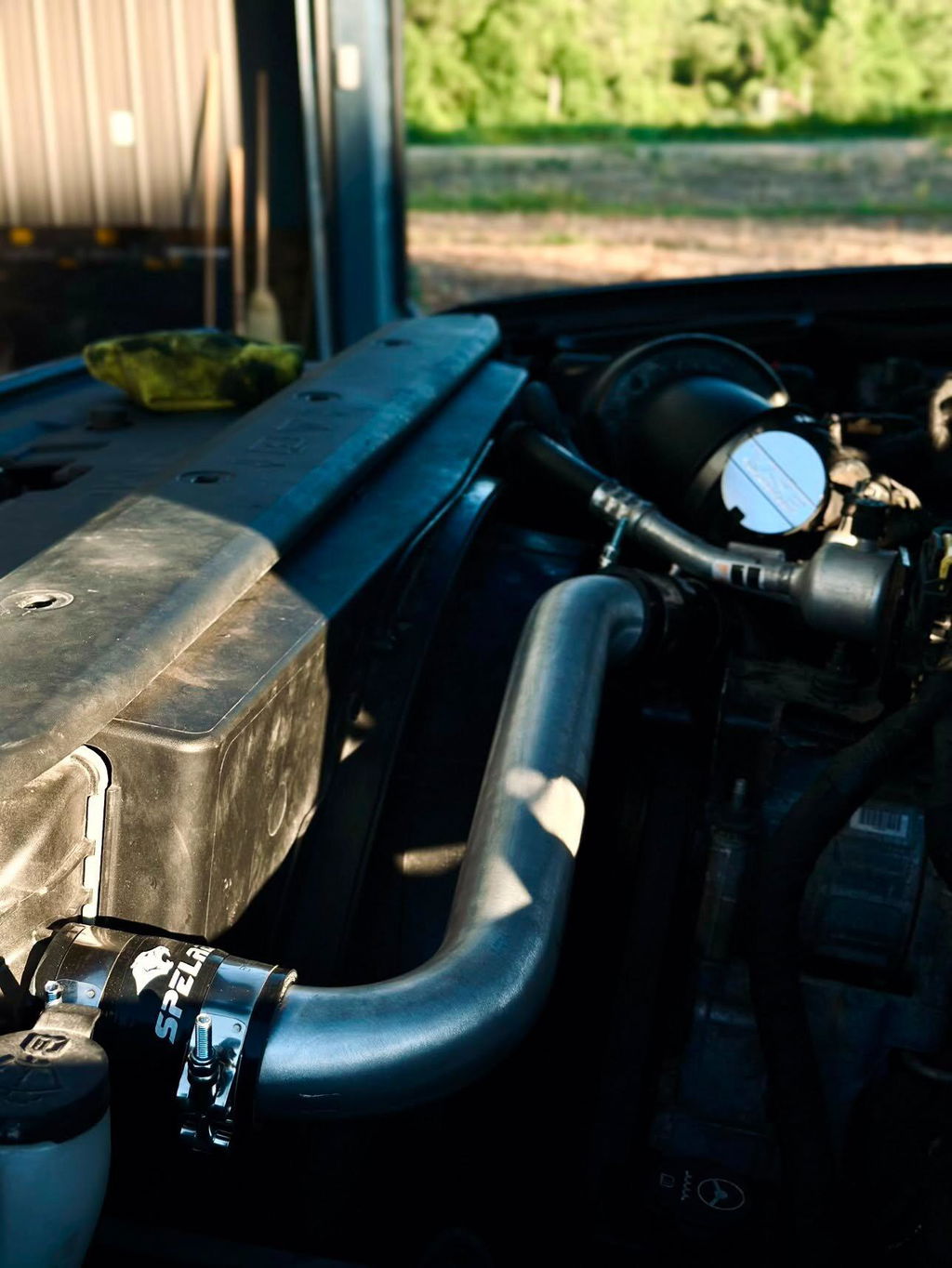
Pipes looking good!
Slowly piecing this thing back together for the freedom meet this weekend 🤟
Upper Coolant Tube for 2017-2025 L5P 6.6L Duramax Chevy/GMC 2500HD/3500HD Coolant Pipe Kit | SPELAB
Cory Warner
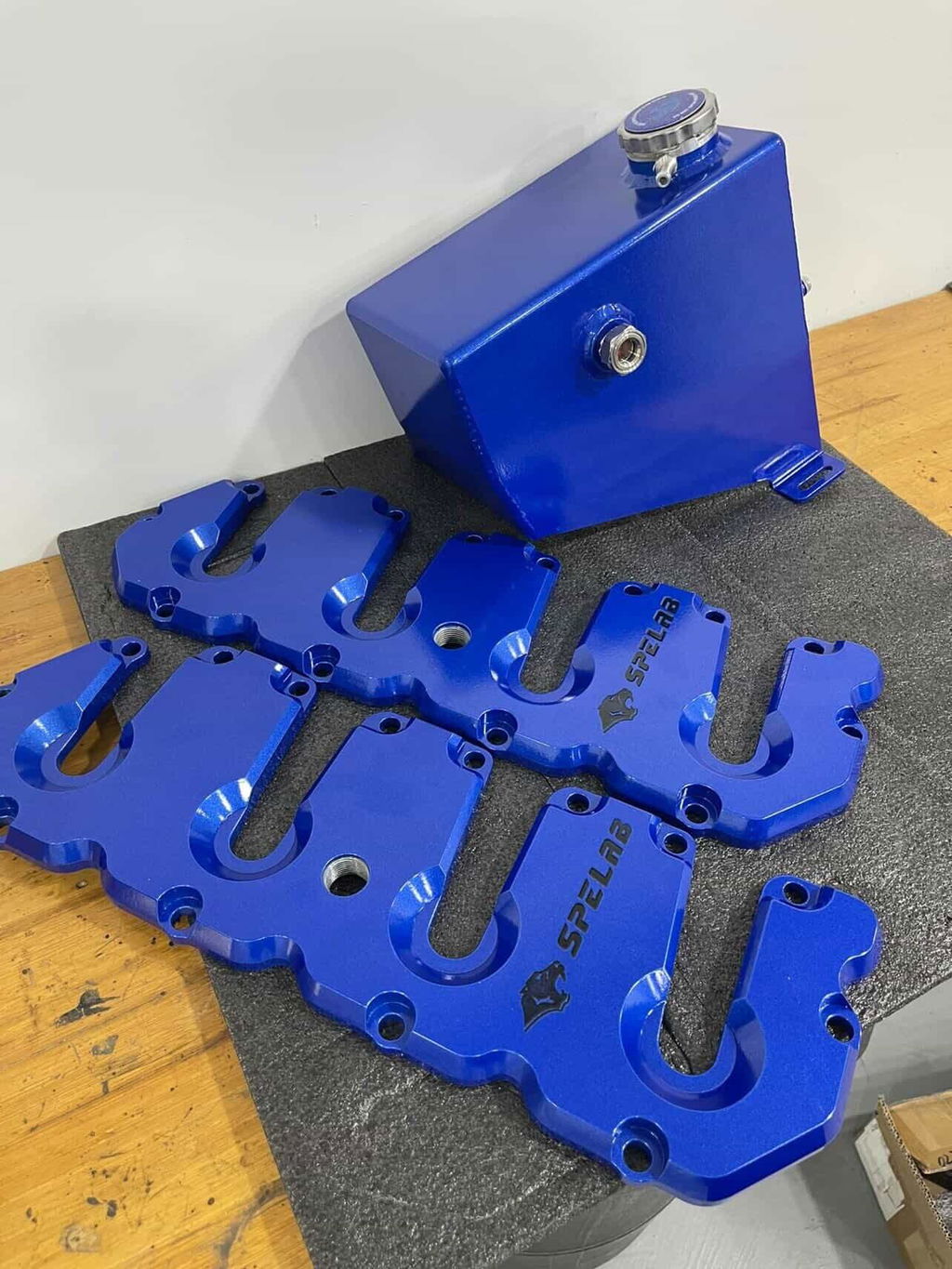
Needs more blue 💙
Needs more blue 💙
Coolant Reservoir for 2001-2007 LB7 / LLY / LBZ DURAMAX Coolant Overflow Tank | SPELAB
Anonymous
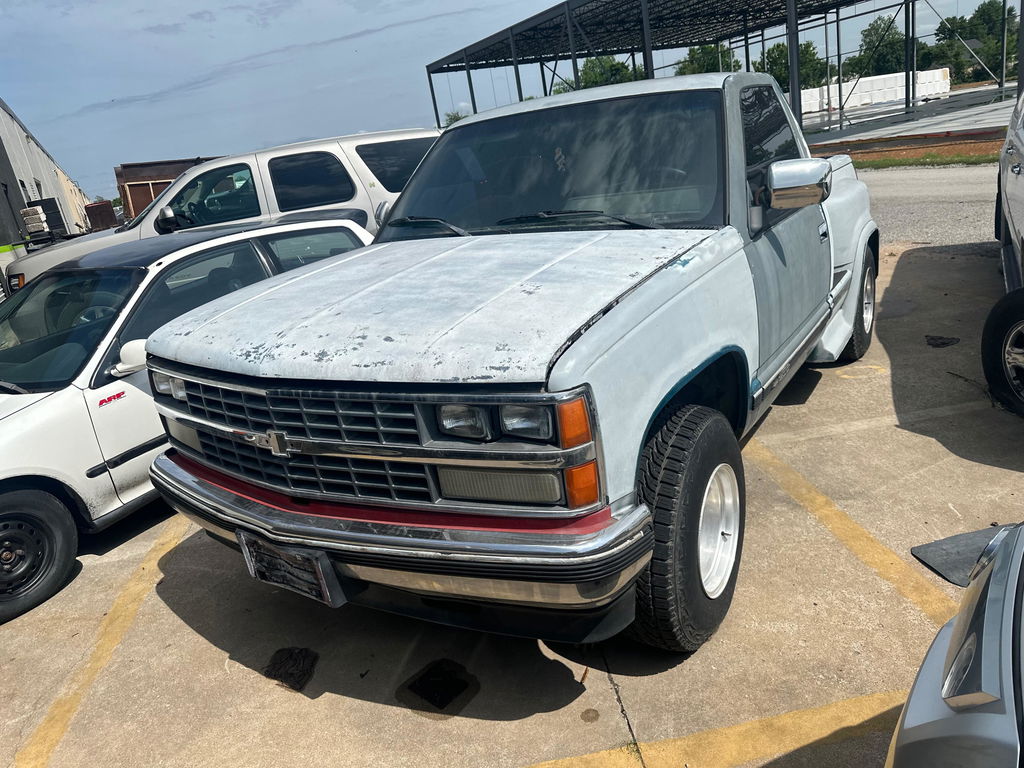
“Sleeper” certified
I put these on a ugly farm truck with a cammed LS swap and to keep the ugly “sleeper” feel we had these installed and they worked great for us 👍🏽👍🏽👍🏽
SPELAB 2.0/2.25/2.5/3.0 Inch Remote Electric Exhaust Cutout Kit
Anonymous
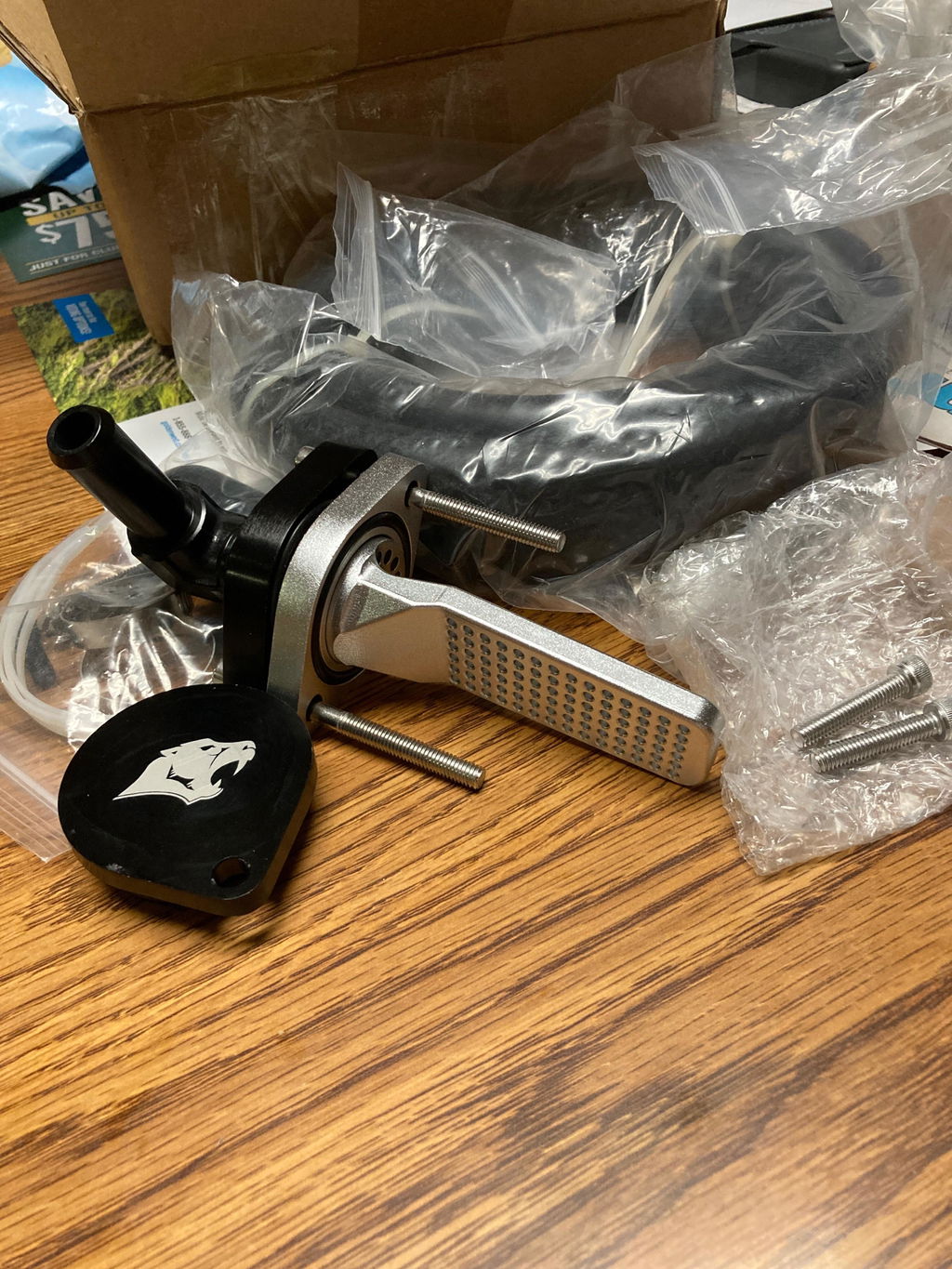
Fast delivery and nice finish on parts
Fast delivery and nice finish on parts
CCV Reroute/Delete Kit 2011-2025 Ford 6.7 Powerstroke F250 F350 F450 F550 w/Catch Can | SPELAB
chase
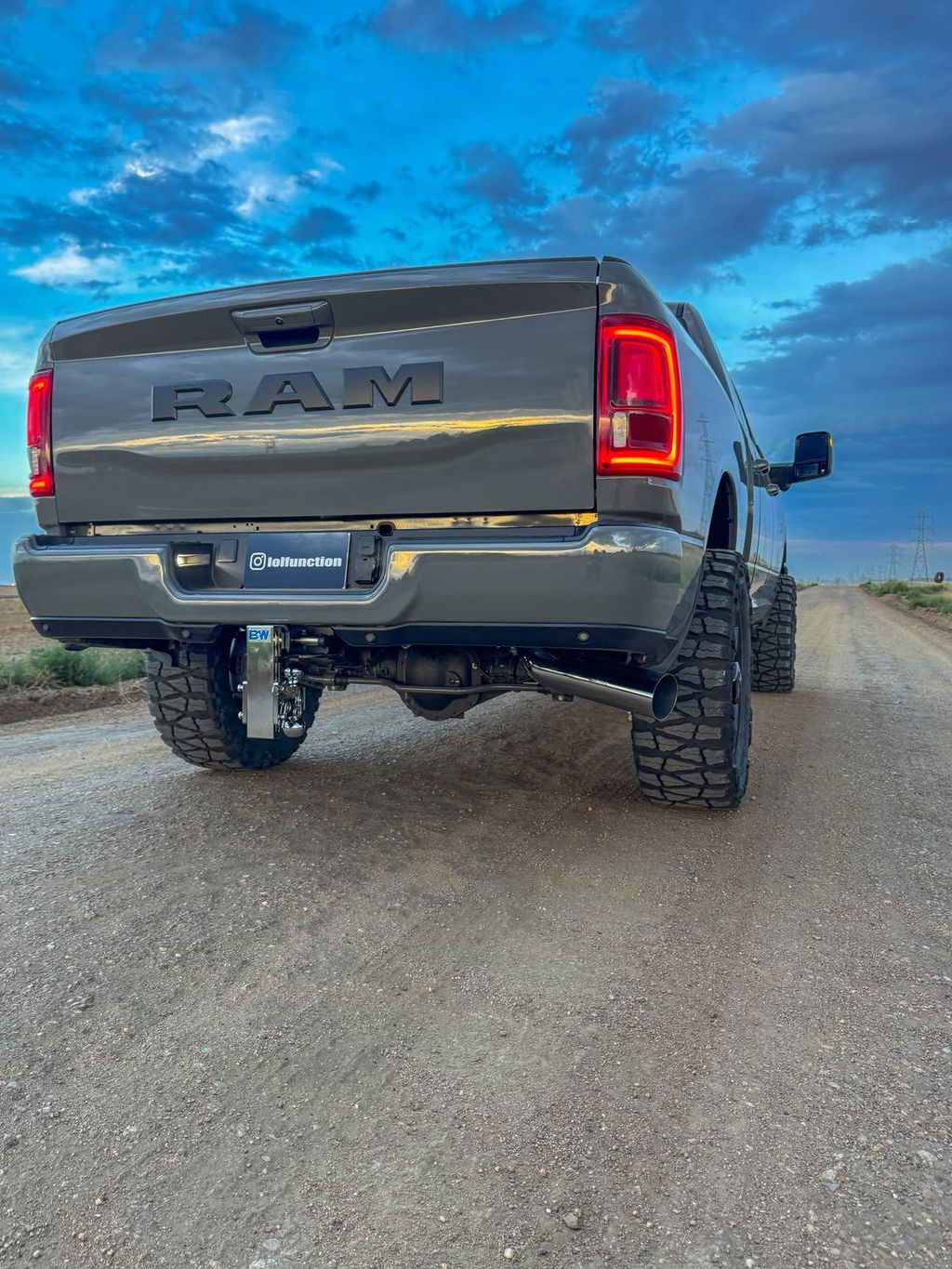
Best DPF back I've ever had
I really do think this is the best DPF back I've ever had. I said it in the video, but the fitment here is MUCH better than MBRP or AFE. I have had both and this one installed so much easier, and much higher quality metal
5'' DPF Back Exhaust Single Side Exit for 2013-2025 Dodge Ram 2500/3500 6.7L Diesel Filter-Back Exhaust
James Steele
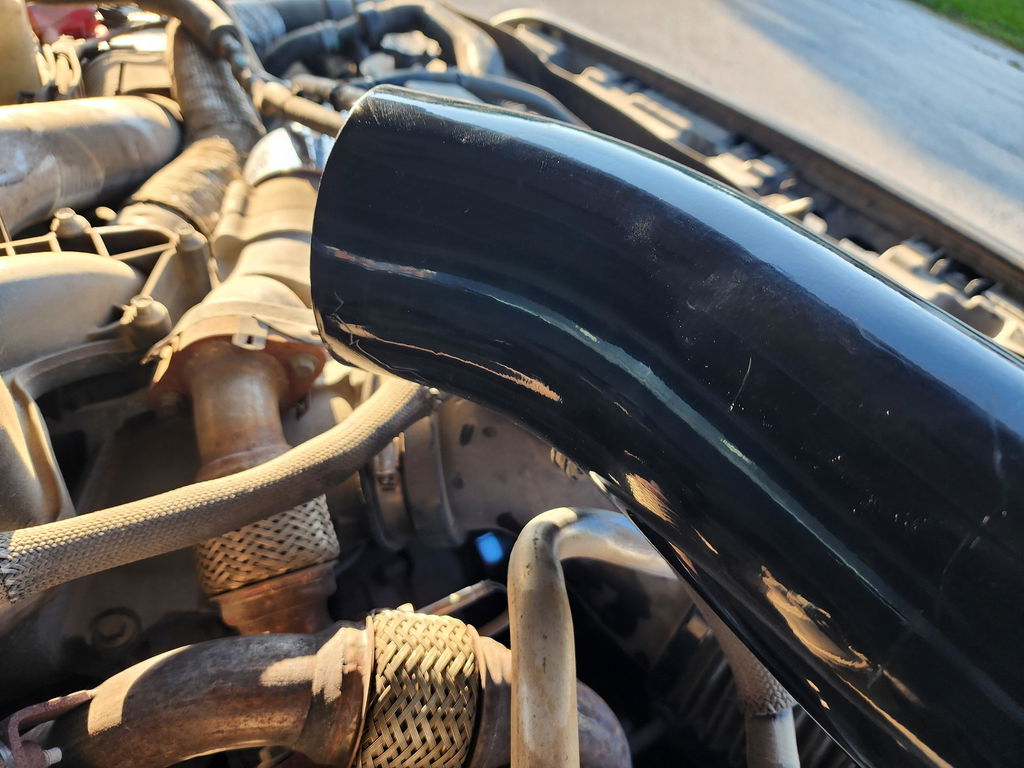
Made wrong didn't
Made wrong didn't fit
Cold Air Intake for 2011-2016 Ford F250 F350 F450 6.7L Powerstroke | SPELAB
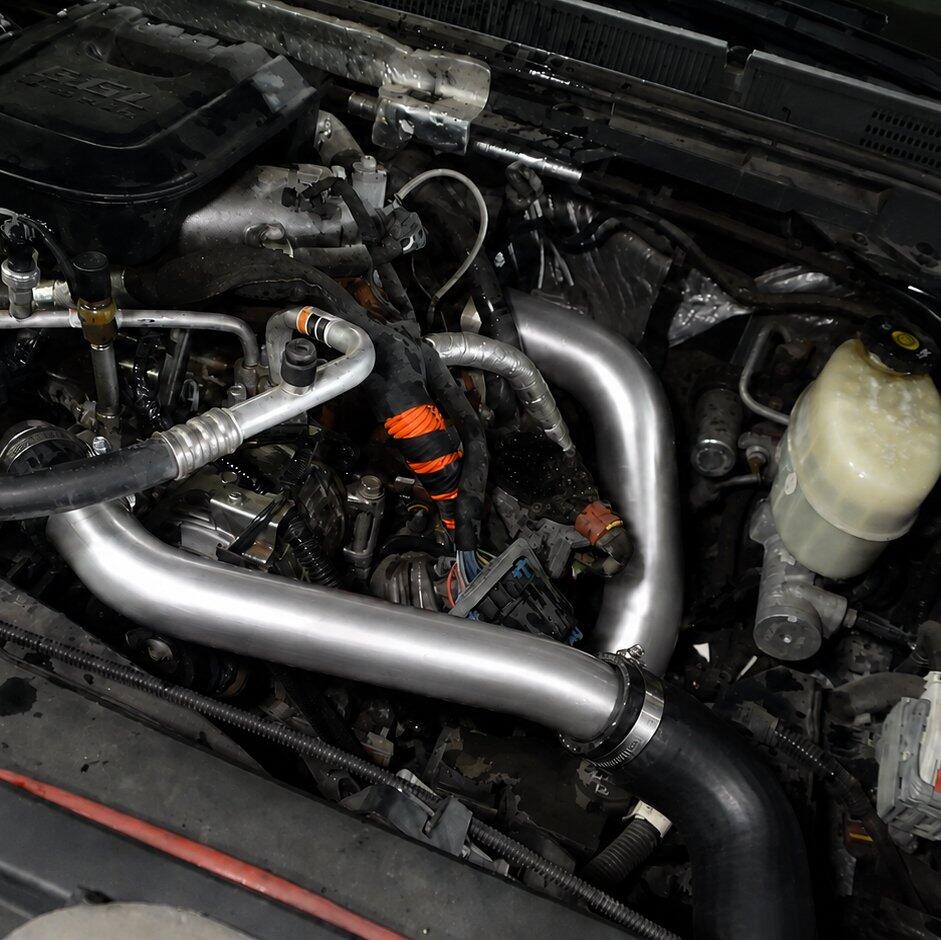
Timothy Iberg jr
Easy install
Hi yooo sharing some tips to make everybody's life easier! Slip the rubber boots on before fitting the pipe, leave plenty of rubber past each clamp. It's an easy installation.
Upper Coolant Pipe for 2011-2016 LML 6.6L Duramax Radiator Pipe | SPELAB
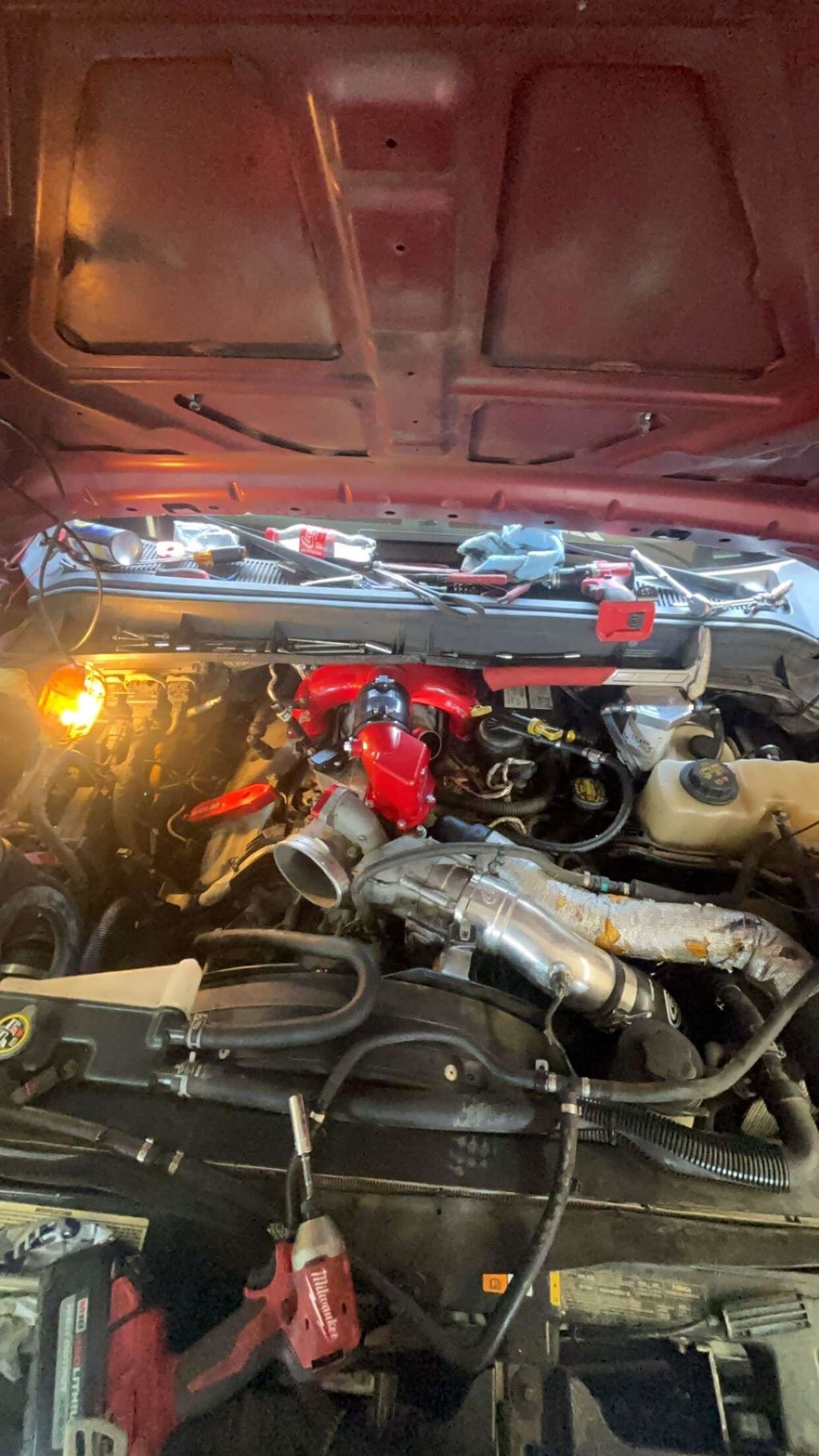
Gavin Plasschaert
Great
Great product/quality
EGR Delete Kit For 2011-2025 Ford 6.7L Powerstroke Diesel F250 F350 F450 F550 | SPELAB
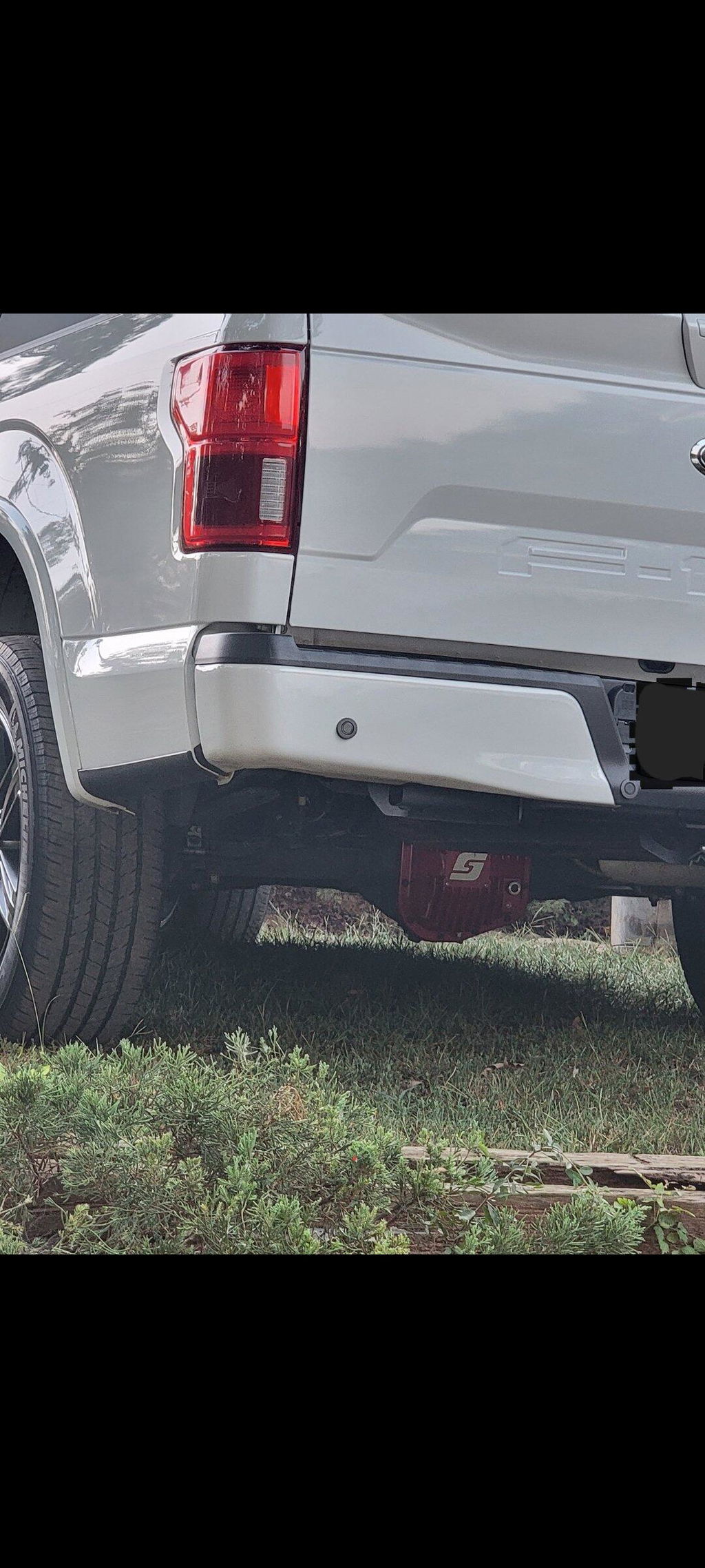
Jordan Sidney
Rear diff cover.
The product was delivered sooner than expected and the product is very well made and added a nice touch to my truck.
Differential Cover For Ford 9.75″ 12 Bolts Rear Axle | SPELAB
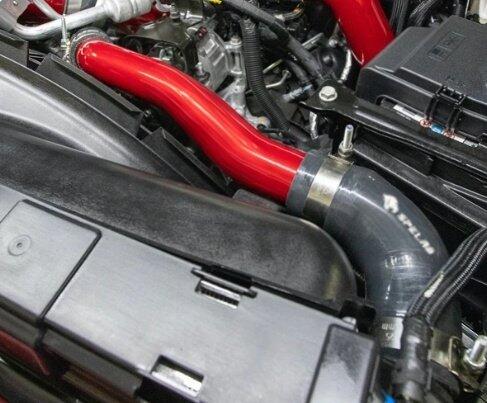
Chase Lee
Chase
Surprisingly fast shipping and decent quality with half of big brands price... will come back!
Cooling System Refresh Kit For 2011-2016 LML Chevrolet/GMC 2500HD 3500HD 6.6L Duramax | SPELAB