
1 Product

Let customers speak for us
Anonymous
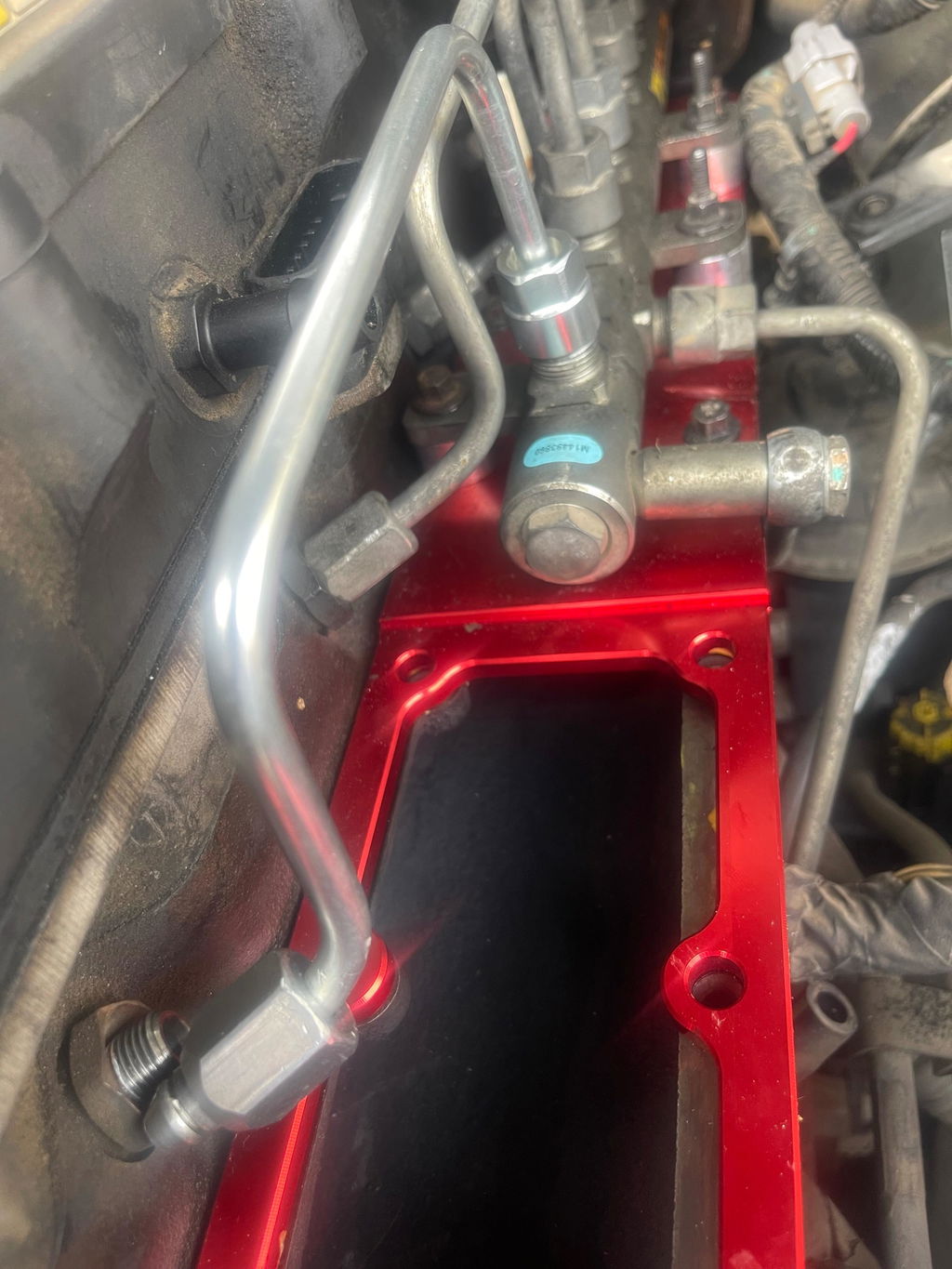
Number one fuel line not fitting properly.
The fuel line they sent with the intake horn did not fit properly and also there was a issue with the flare nut not reaching the threads
Worry-Free Purchase
Fours Ranch
Amazing customer service
I have been having issues with the tune (hopefully not the tuner). I emailed customer service with my concerns and got a response within an hour. I didn’t even think to check my email that quick because “normal” customer service takes days. They responded both times in such a rapid manner I was not able to respond with the issues that fast. They have been great to deal with. I will continue to purchase from them because of that alone
Worry-Free Purchase
Phil Peterson
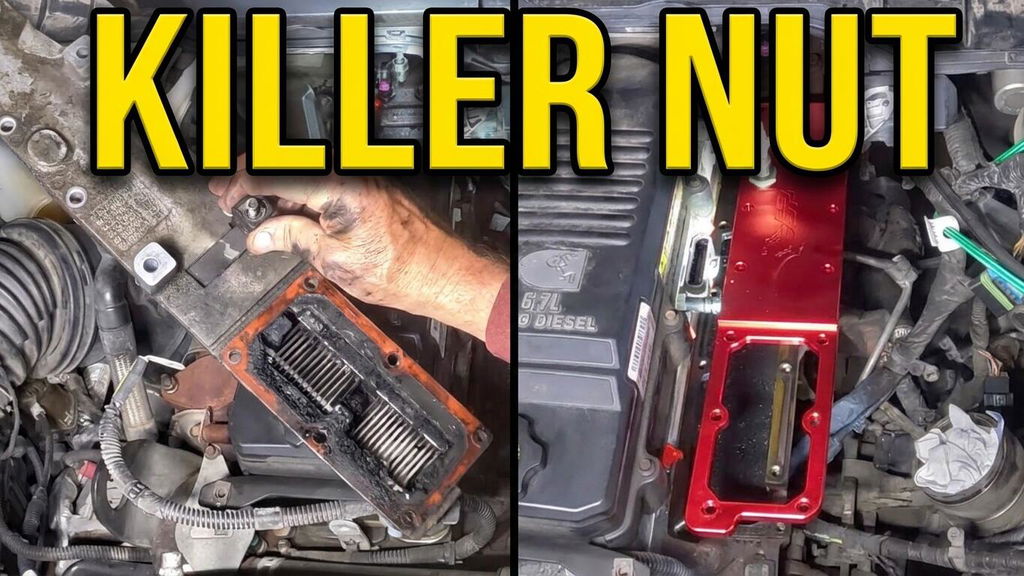
Ram Cummins 6.7L Killer Nut Solution by SPELAB
I recently purchased the SPELAB grid heater delete plate kit and installed on my 2018 Ram 2500 with the 6.7 Cummins diesel engine
I Was not left disappointed with the ease of ordering and speed of service along with the completeness of the kit and High quality fit and finish !
I now have the piece of mind as well as the High performance that the grid heater deleate plate offers for my Ram 2500
Very Pleased with with customer service and the quality of the product
Thanks SPELAB
PHIL with
Peterson Farms Of Nashville DIY YT Channel
Grid Heater Delete/Upgrade Plate For 2007-2024 RAM 2500/3500 6.7L Diesel | SPELAB
Jose Perez
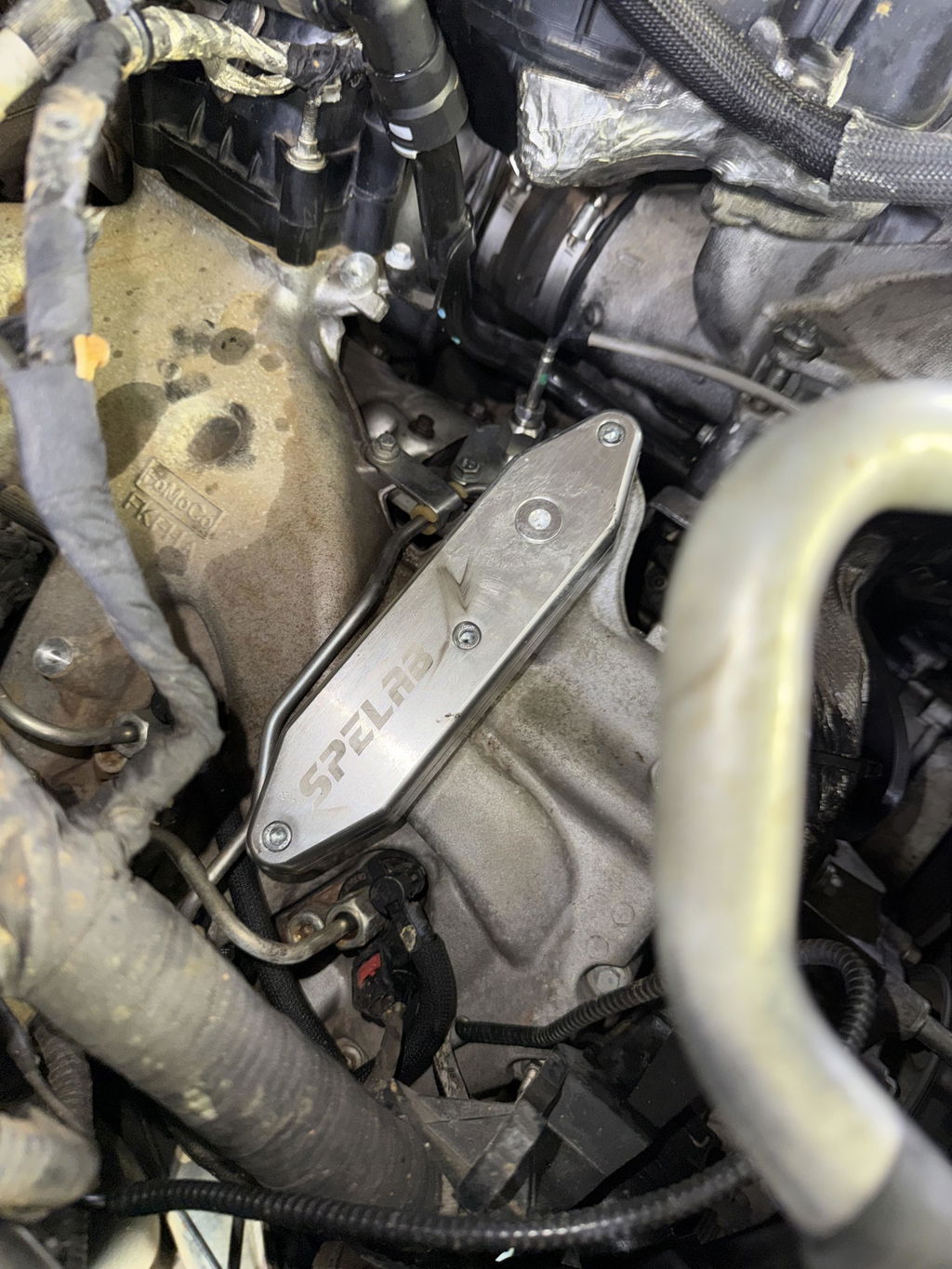
Great product
This kit is put together so well love the packaging it came in and how simple it is to assemble i did notice a slight drop in EGTs like it said it would and also no leaks what so ever. Only issue is not stickers
EGR Delete Kit For 2015-2016 6.7L Powerstroke Diesel Ford F250 F350 F450 F550 w/Coolant Bypass | SPELAB
Anonymous
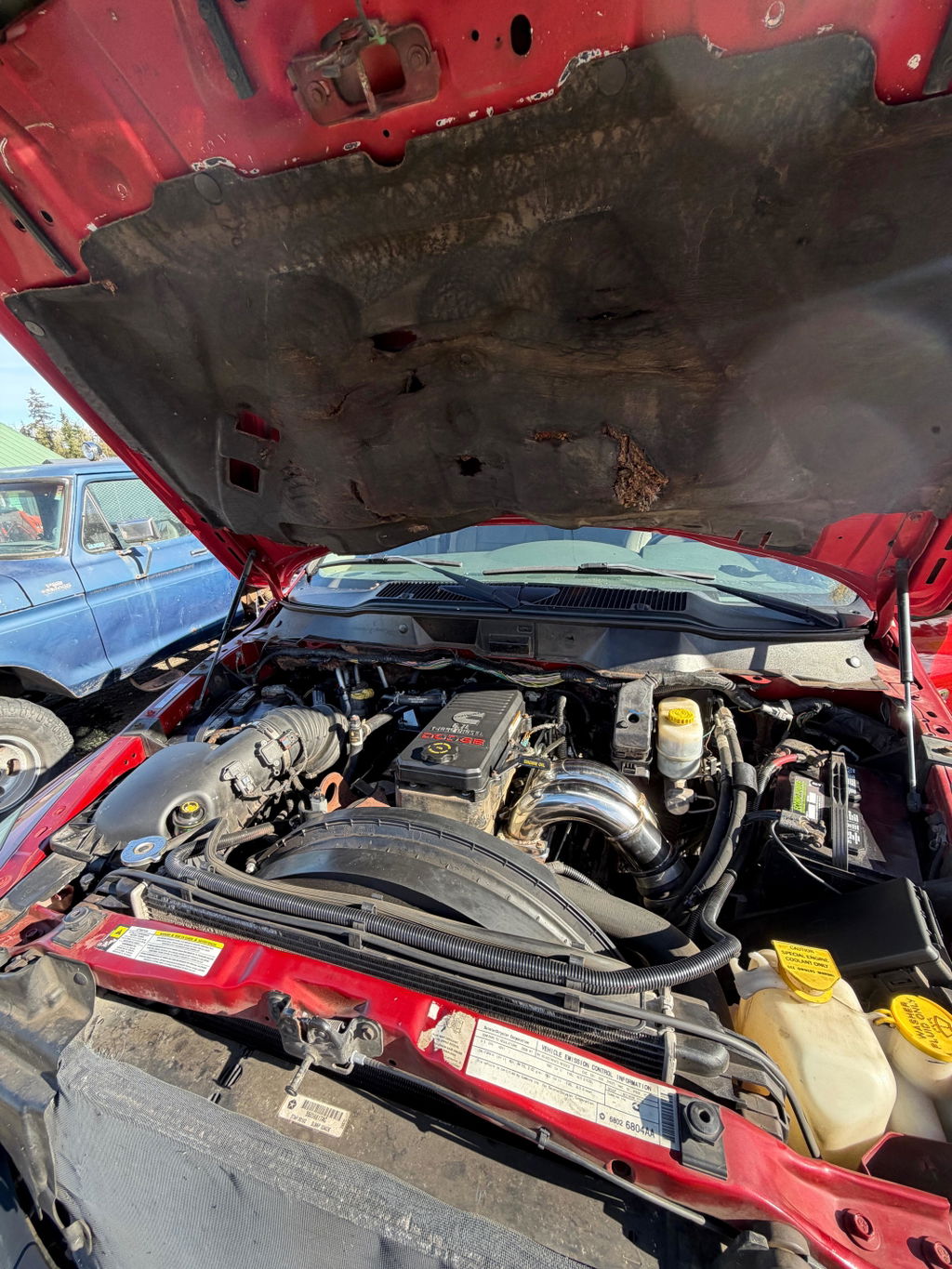
Looks sick
Got rid of my factory horn and went with this one for 93% more air flow and it looks sick
3.5" Intake Manifold with Heating Element for 2007-2024 Dodge Ram 2500/3500 6.7L Diesel | SPELAB
Cash Shaw
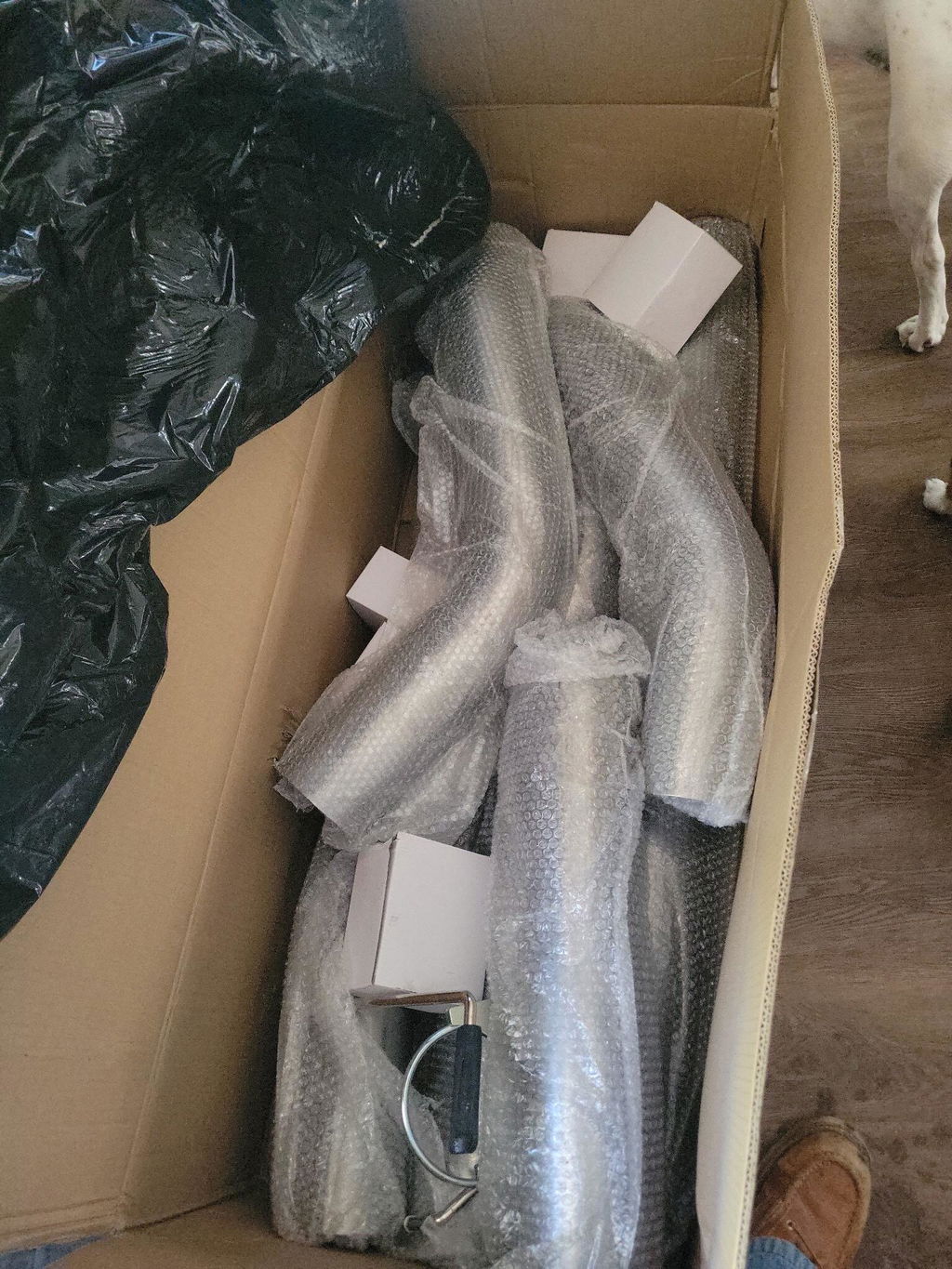
Great quality and fit perfect
Great quality and fit Perfect
For 4"/5" DPF Delete Race Pipe 2004.5-2007 Dodge Ram 2500/3500 5.9L Diesel | SPELAB
Bennett Schauf
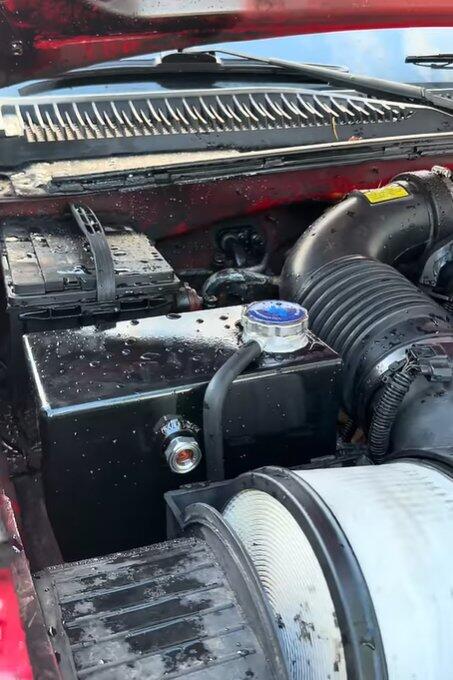
Great Product. Quality seems really good too.
Coolant Reservoir for 2001-2007 LB7 / LLY / LBZ DURAMAX Coolant Overflow Tank | SPELAB
ariel vergara
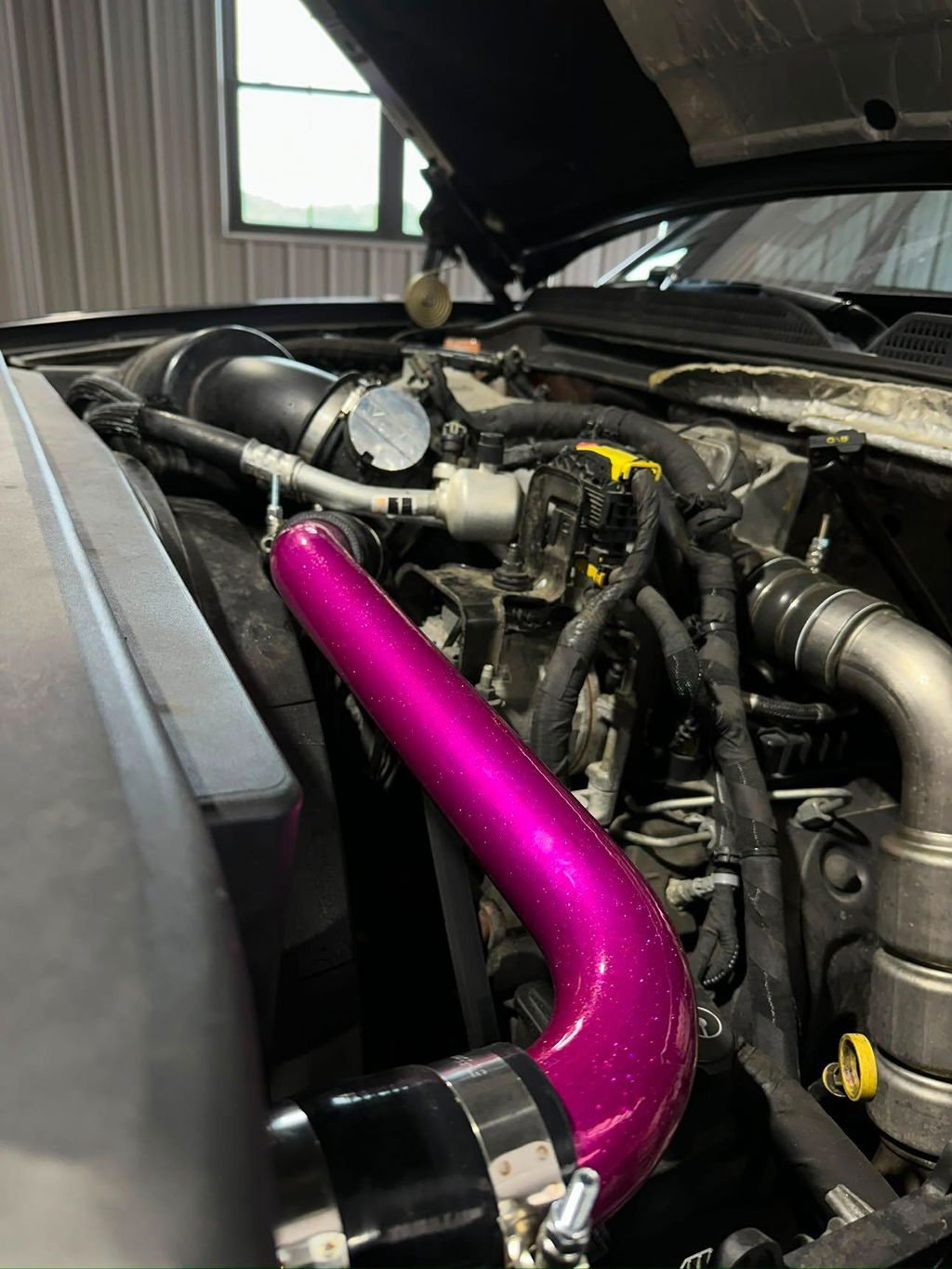
Easy to install, beautifully crafted
Upper Coolant Tube for 2017-2025 L5P 6.6L Duramax Chevy/GMC 2500HD/3500HD Coolant Pipe Kit | SPELAB
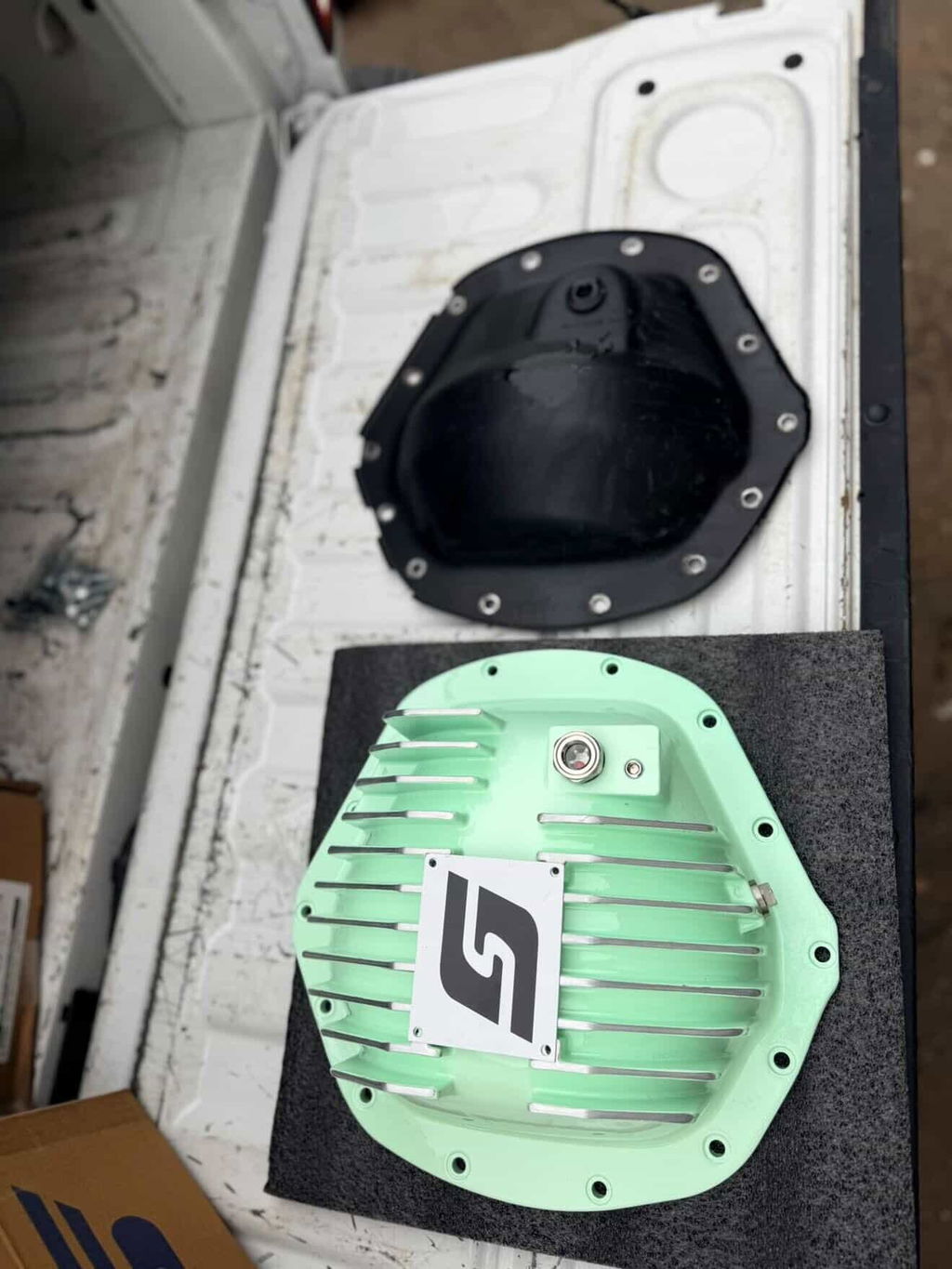
ariel vergara
That's beautiful !
Differential Cover For AAM 11.5"/11.8″ 14 Bolts Rear Axle for 01-19 GM and 03-18 RAM | SPELAB
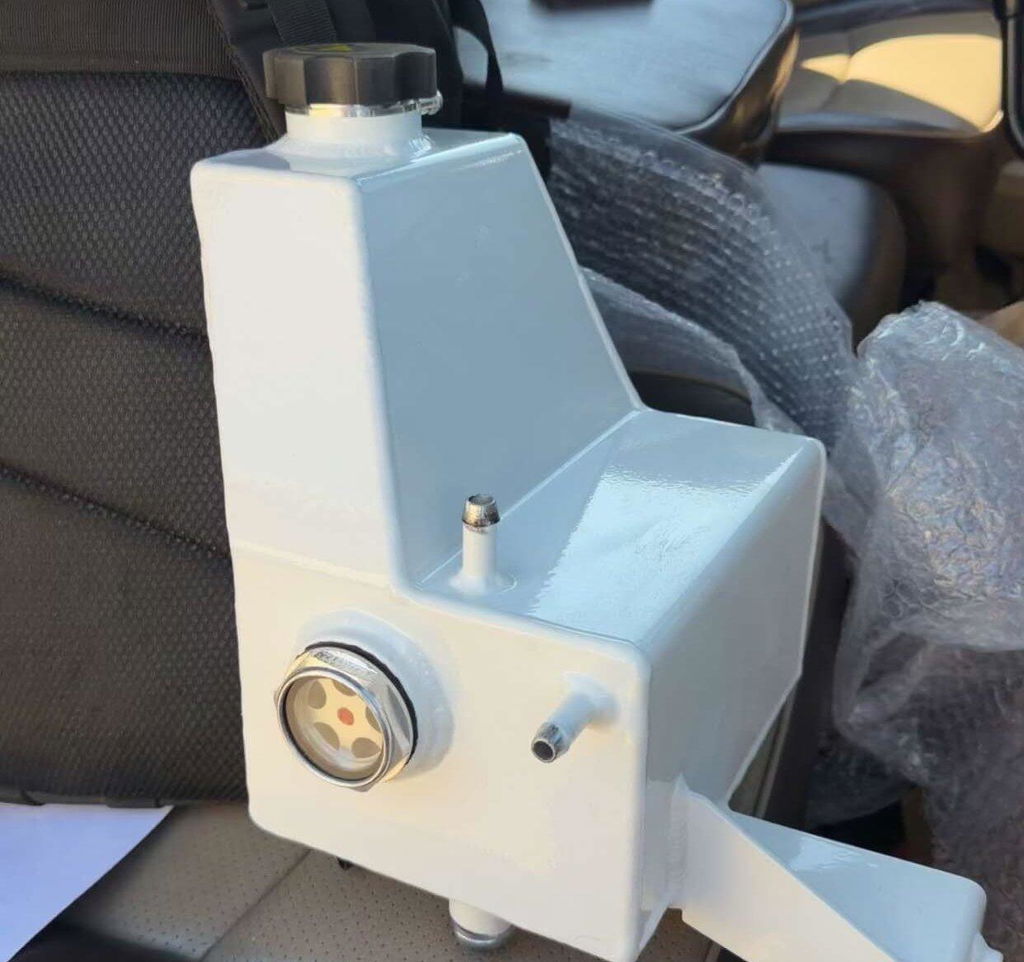
Nayan Persaud
beautifully crafted
Coolant Reservoir Tank for 2013-2018 6.7L Dodge Ram 2500/3500 OEM Replacement | SPELAB
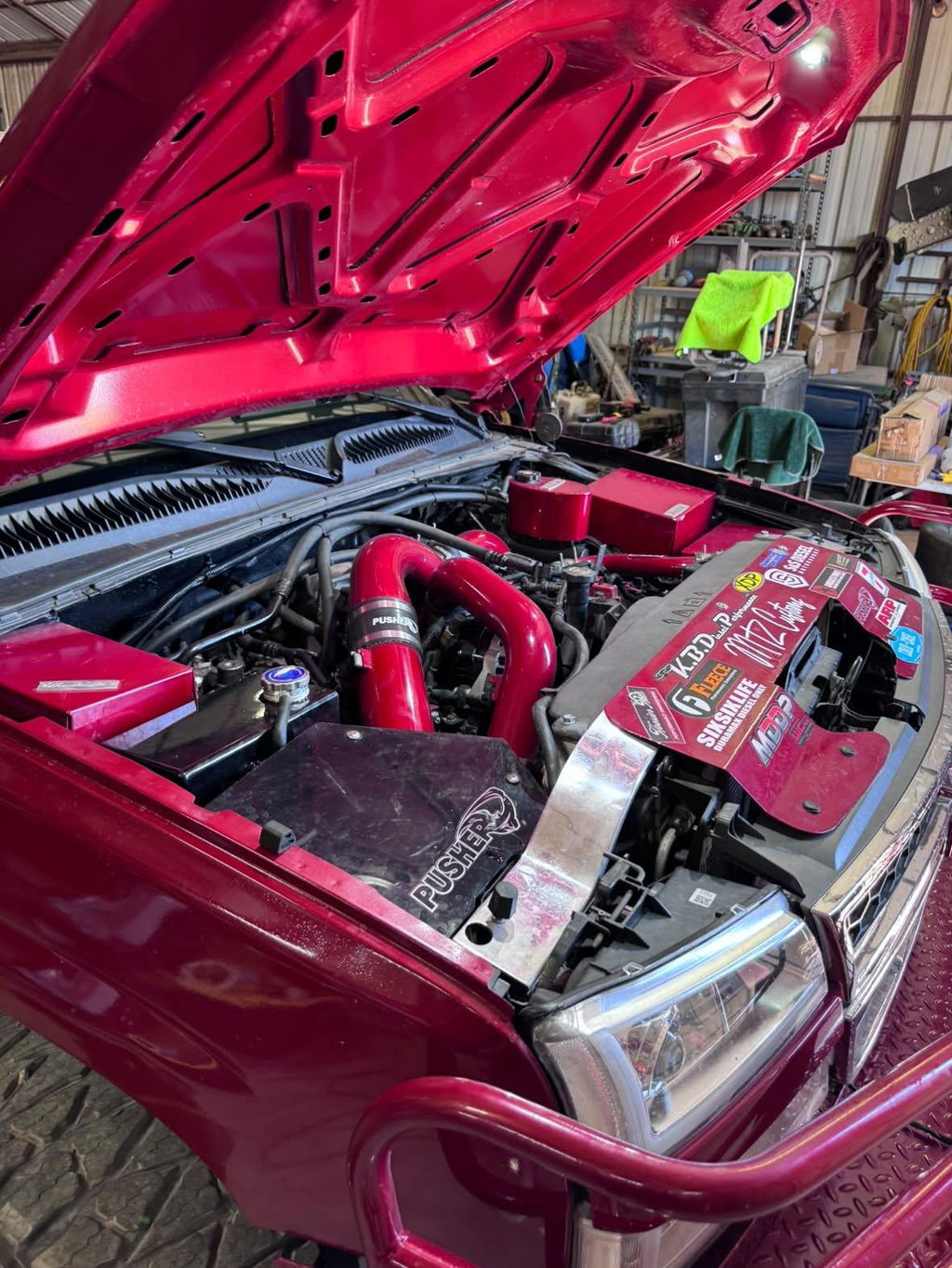
JOSHUA MOODY
It's beautiful, easy to install
It's beautiful, easy to install.
Coolant Reservoir for 2001-2007 LB7 / LLY / LBZ DURAMAX Coolant Overflow Tank | SPELAB
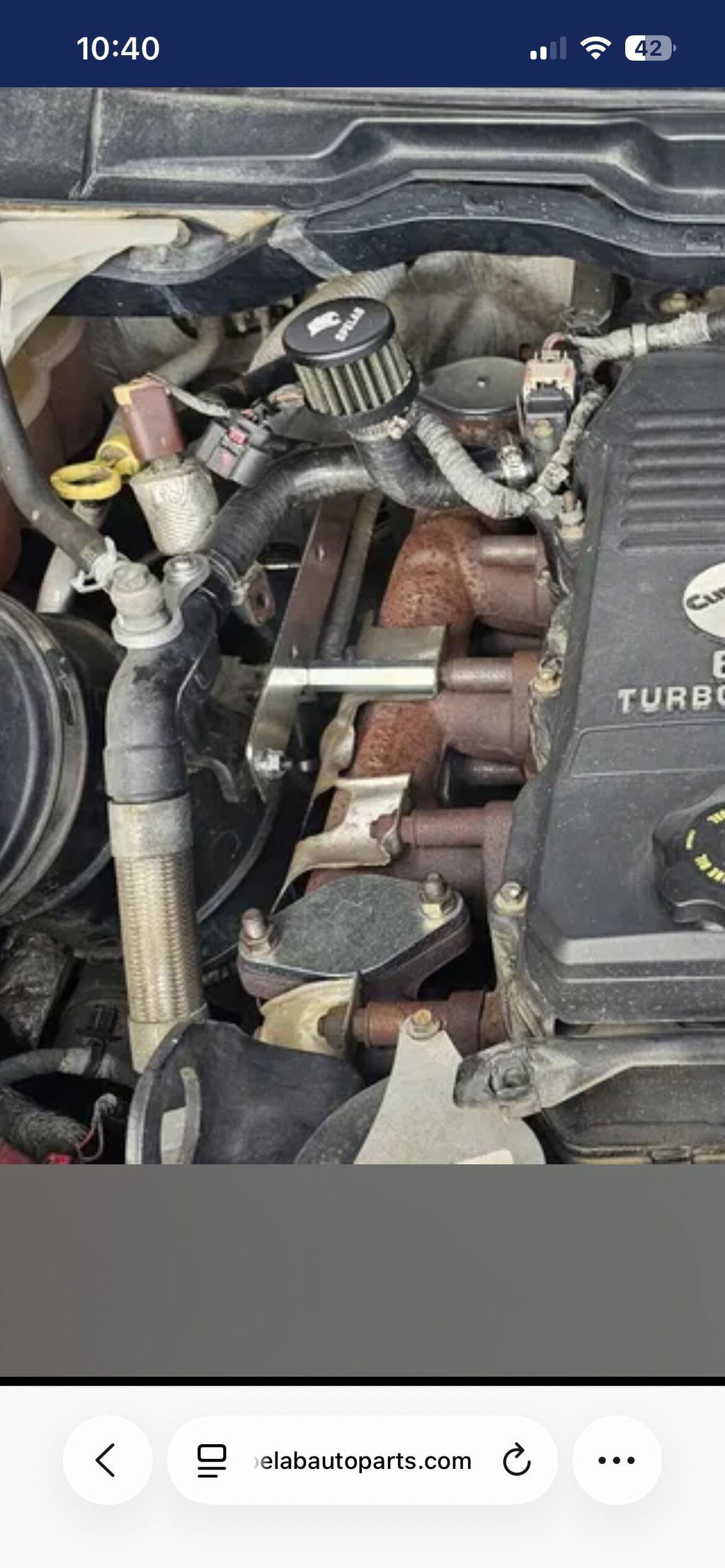
Shawn Young
6.7 Delete Pipe & EGR Delete
Great Product easy installation work flawlessly on my 2018 Ram 2500
For 4"/5" DPF Delete Race Pipe for 2013-2018 Dodge Ram 2500/3500 6.7 Diesel | SPELAB
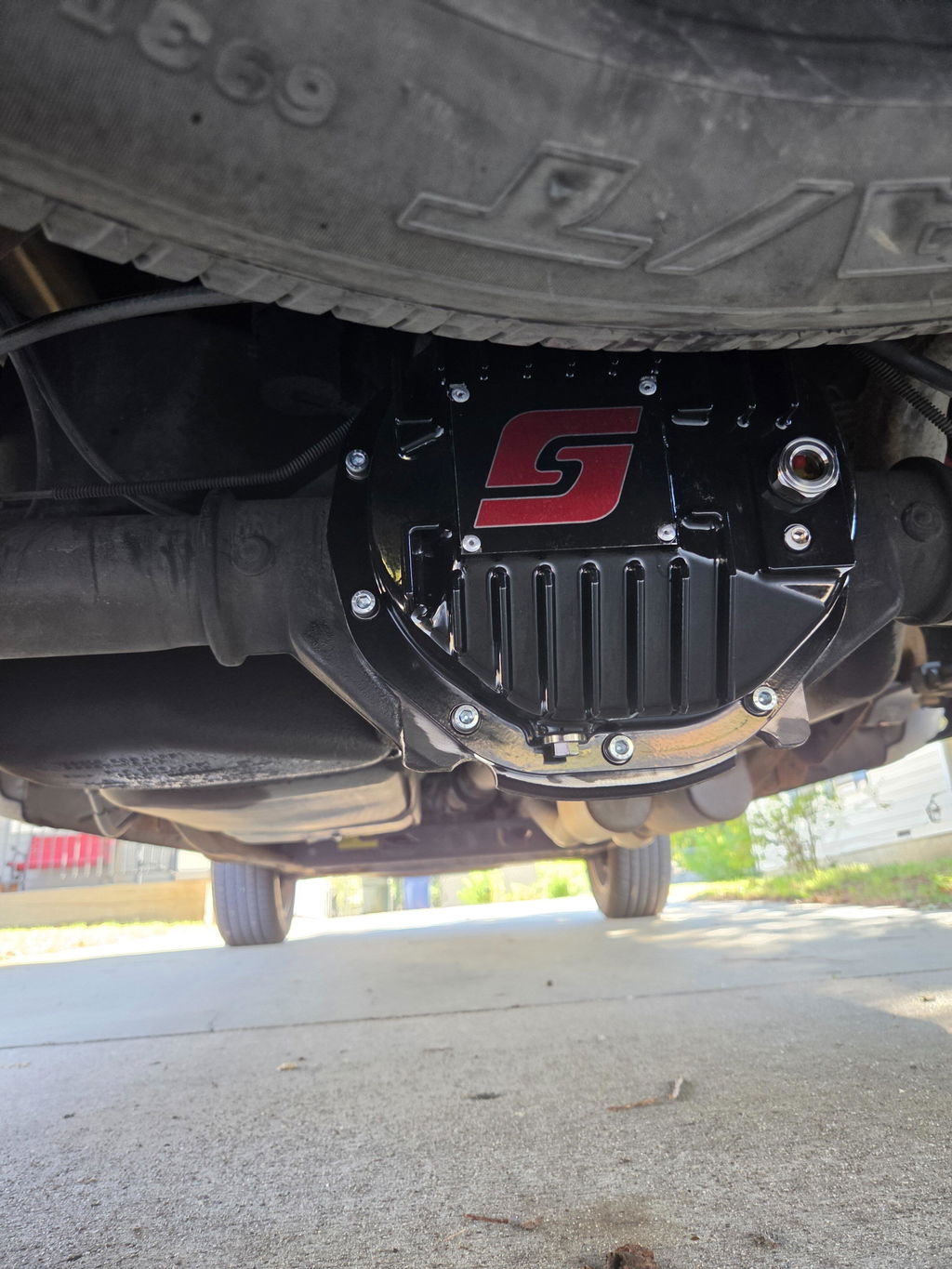
Joel Mondragon
As promised great product and perfect fit..Thank you SPELAB
Worry-Free Purchase
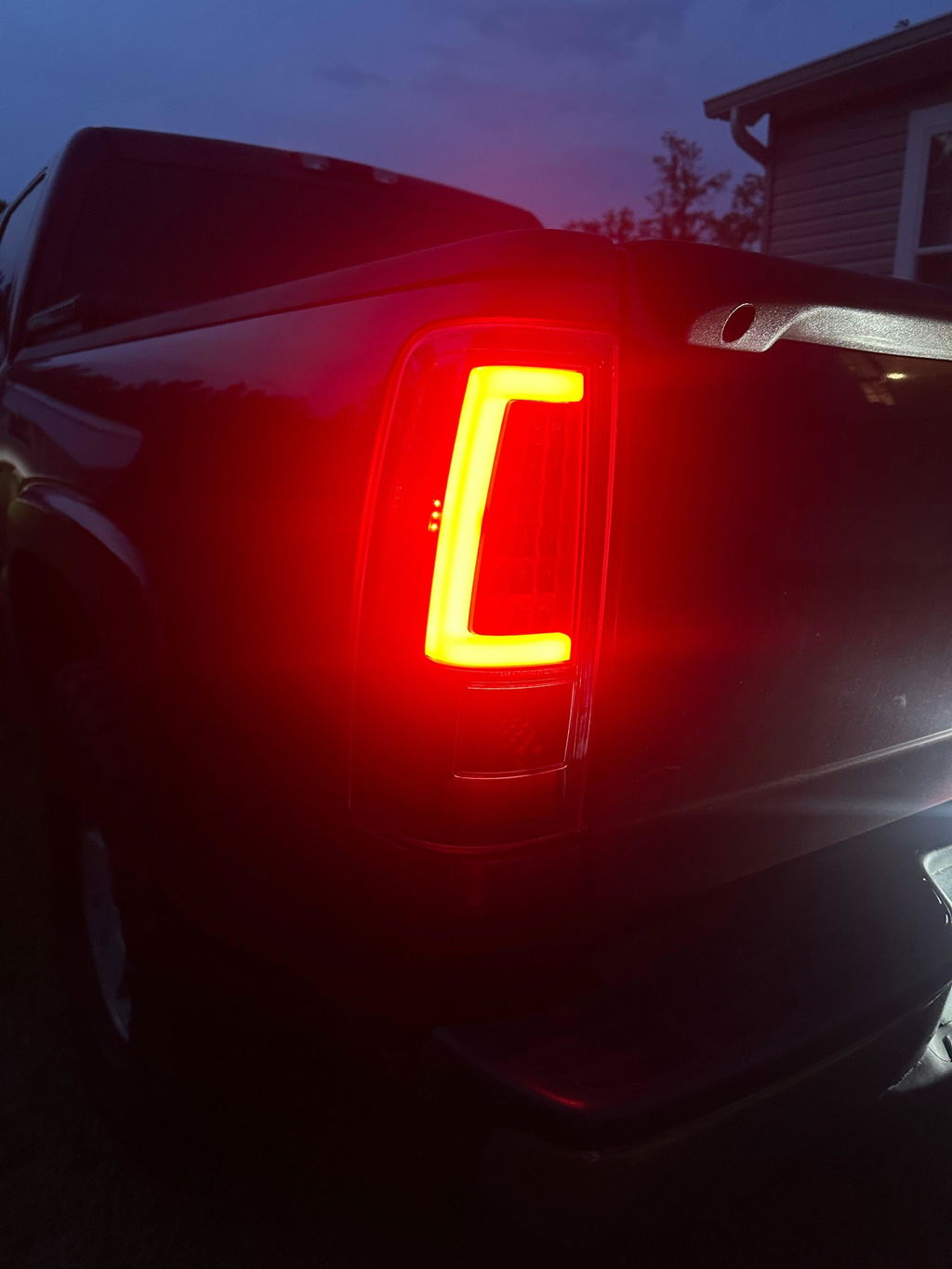
Hank Emmel
love the look
i love how they look on my truck
LED Tail Light Assembly Pair For 1999-2007 Duramax Chevy Silverado & GMC Sierra | SPELAB
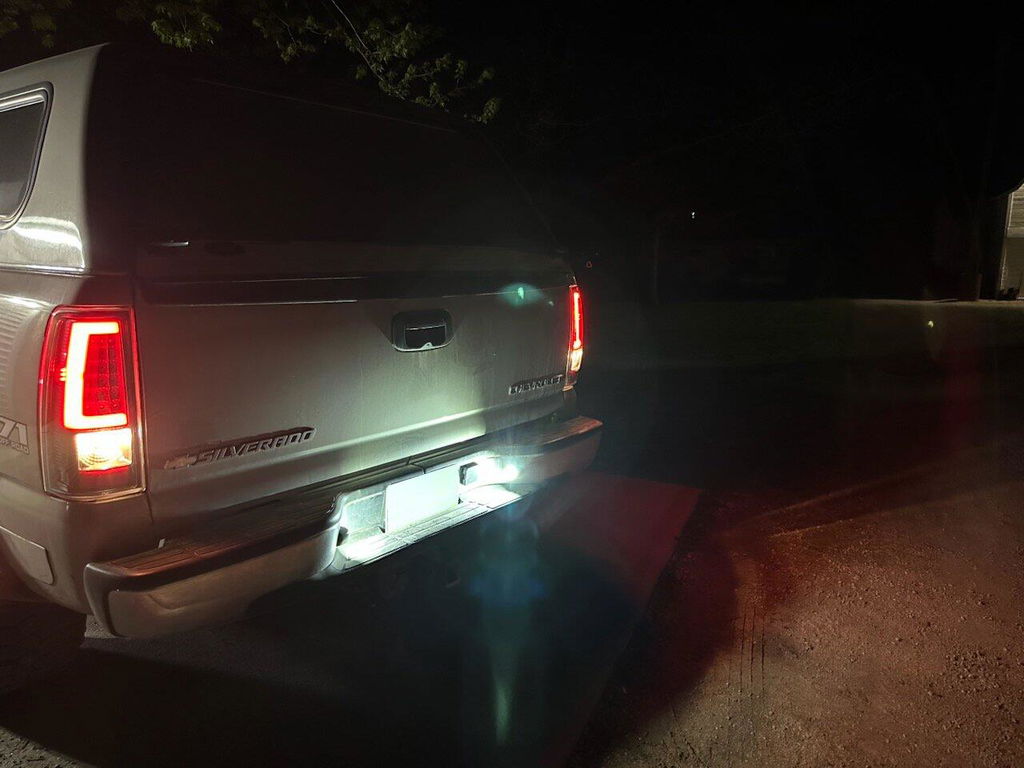
Darrell Hurd
Lights look great
Lights look great, and easy to install
LED Tail Light Assembly Pair For 1999-2007 Duramax Chevy Silverado & GMC Sierra | SPELAB