1 Product

Let customers speak for us
Chase Lee
Chase
Surprisingly fast shipping and decent quality with half of big brands price... will come back!
Cooling System Refresh Kit For 2011-2016 LML Chevrolet/GMC 2500HD 3500HD 6.6L Duramax | SPELAB
Johnatan Ruiz
Good Quality and Great Value
I was already planning to replace the radiator and coolant tube, so getting the reservoir included made this a great value. Parts arrived well packaged and everything looked good out of the box.
Cooling System Refresh Kit For 2013-2018 6.7L Dodge Ram 2500/3500 | SPELAB
Brandon
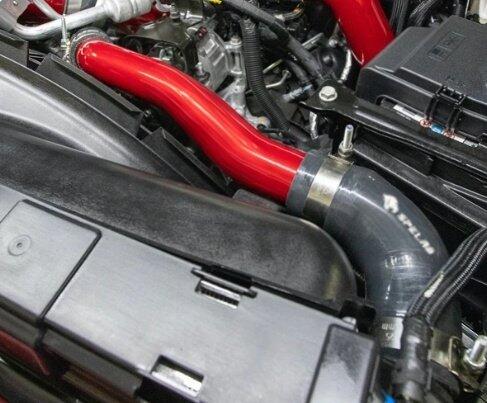
Looks and Feels More Durable
The aluminum upper coolant tube is a huge improvement over the factory plastic piece. The whole kit looks great under the hood and everything went together without any major issues.
Cooling System Refresh Kit For 2011-2019 6.7L Ford Powerstroke | SPELAB
Anonymous
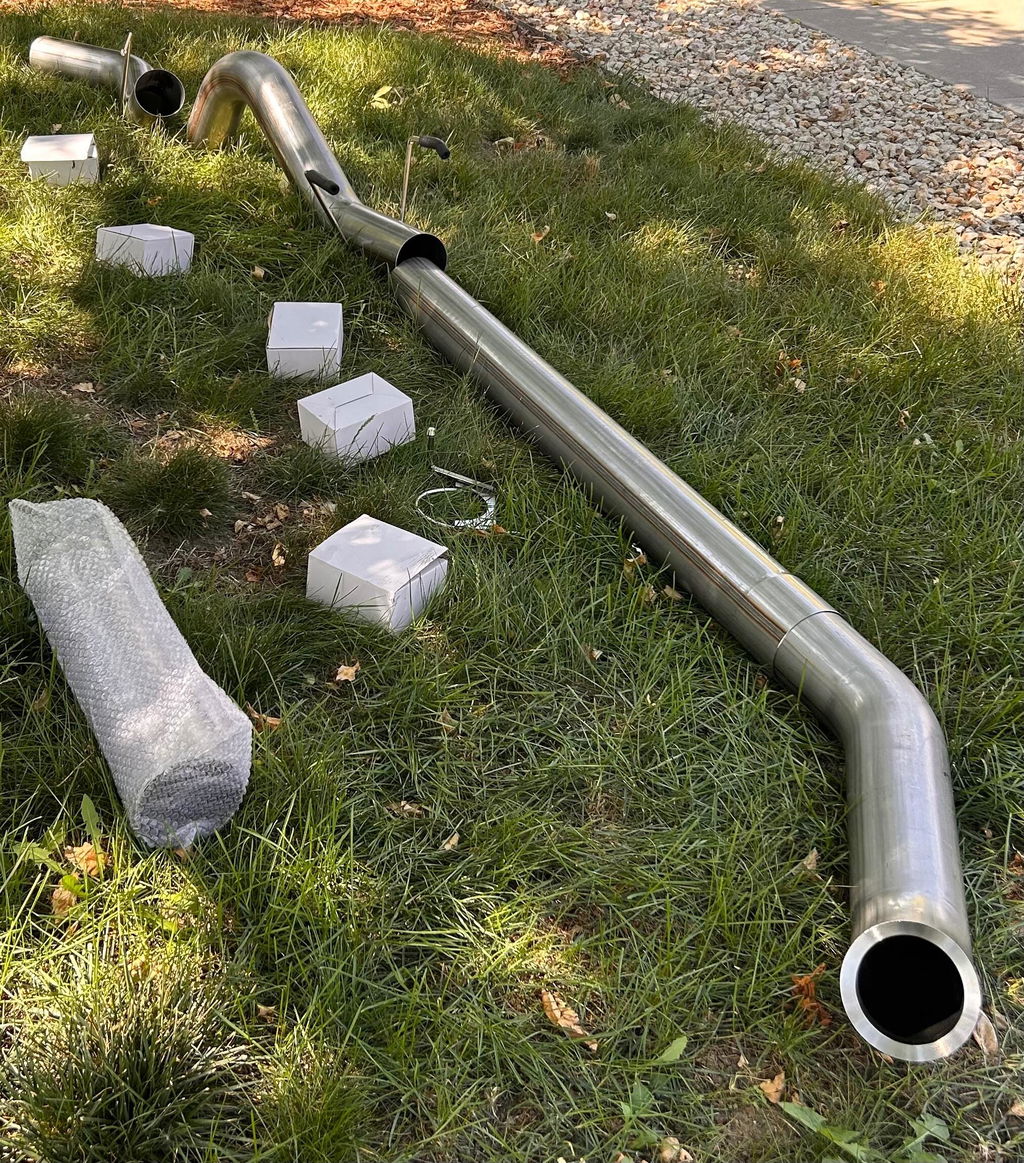
Sounds great, had all the hardware good quality metal and was easy to install only con was had to take off the spare tire to install.
For 4"/5" DPF Delete Race Pipe 2004.5-2007 Dodge Ram 2500/3500 5.9L Diesel | SPELAB
Thomas White
Tips for installation
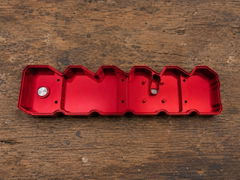
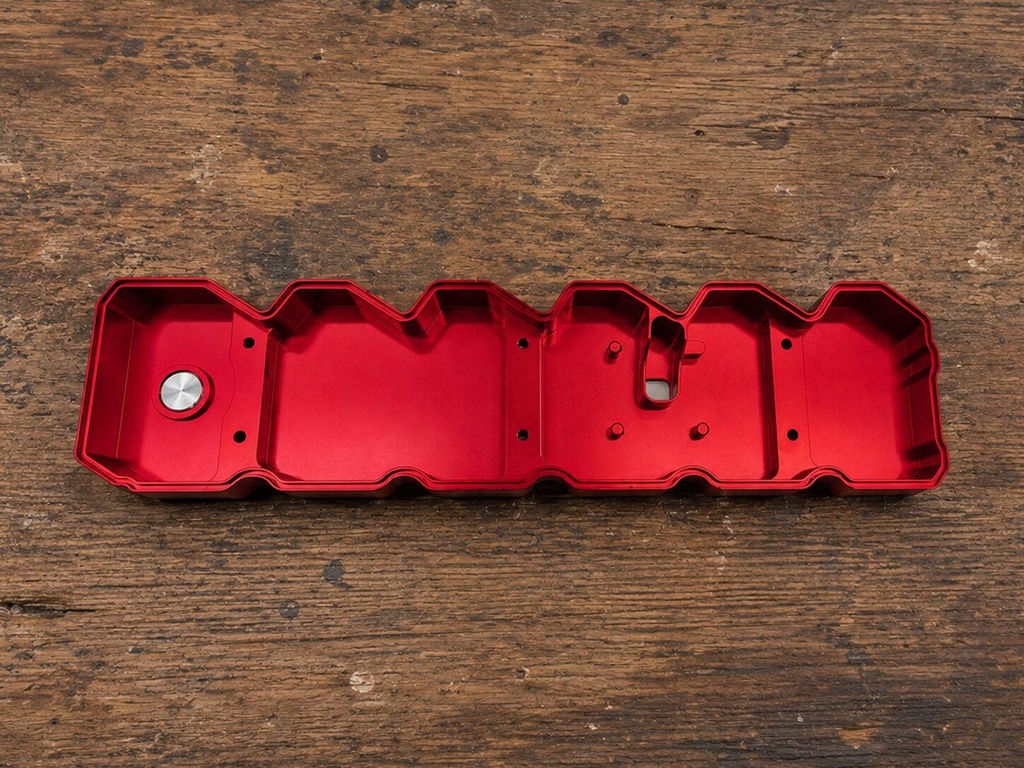
Main challenges are removing and sealing the factory crankcase-breather hoses, then transferring the factory O-ring without stretching or mis-seating it. Cap every disconnected factory port/tube correctly, lift the old cover straight up, keep debris out, and route the new breather hose safely—zip-tied away from moving/hot parts. Start all six bolts by hand, tighten from the center outward, and use only 4–8 ft-lb. Be gentle to avoid scratching anodized covers.
Billet Aluminum Valve Cover for 2003-2005 Dodge Ram 2500/3500 5.9L Diesel | SPELAB
Elizabeth Williams
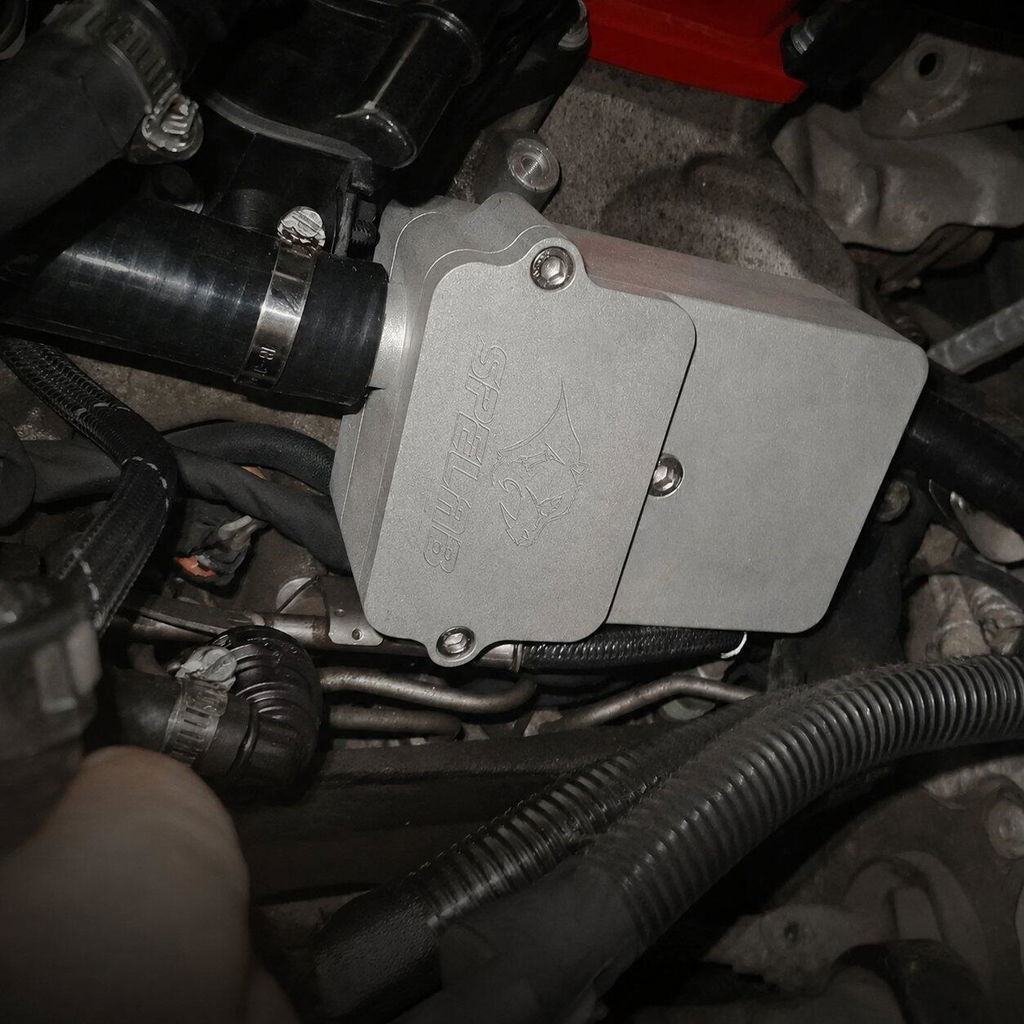
Good quality fair price yoooo
Good quality and half the big brands price love itttttt
CCV Recirculating Kit for 2011-2024 Ford 6.7L Powerstroke F250 F350 F450 | SPELAB
Dave Jordan
My f350 6.7
Great company and great products i was referred by a friend
Worry-Free Purchase
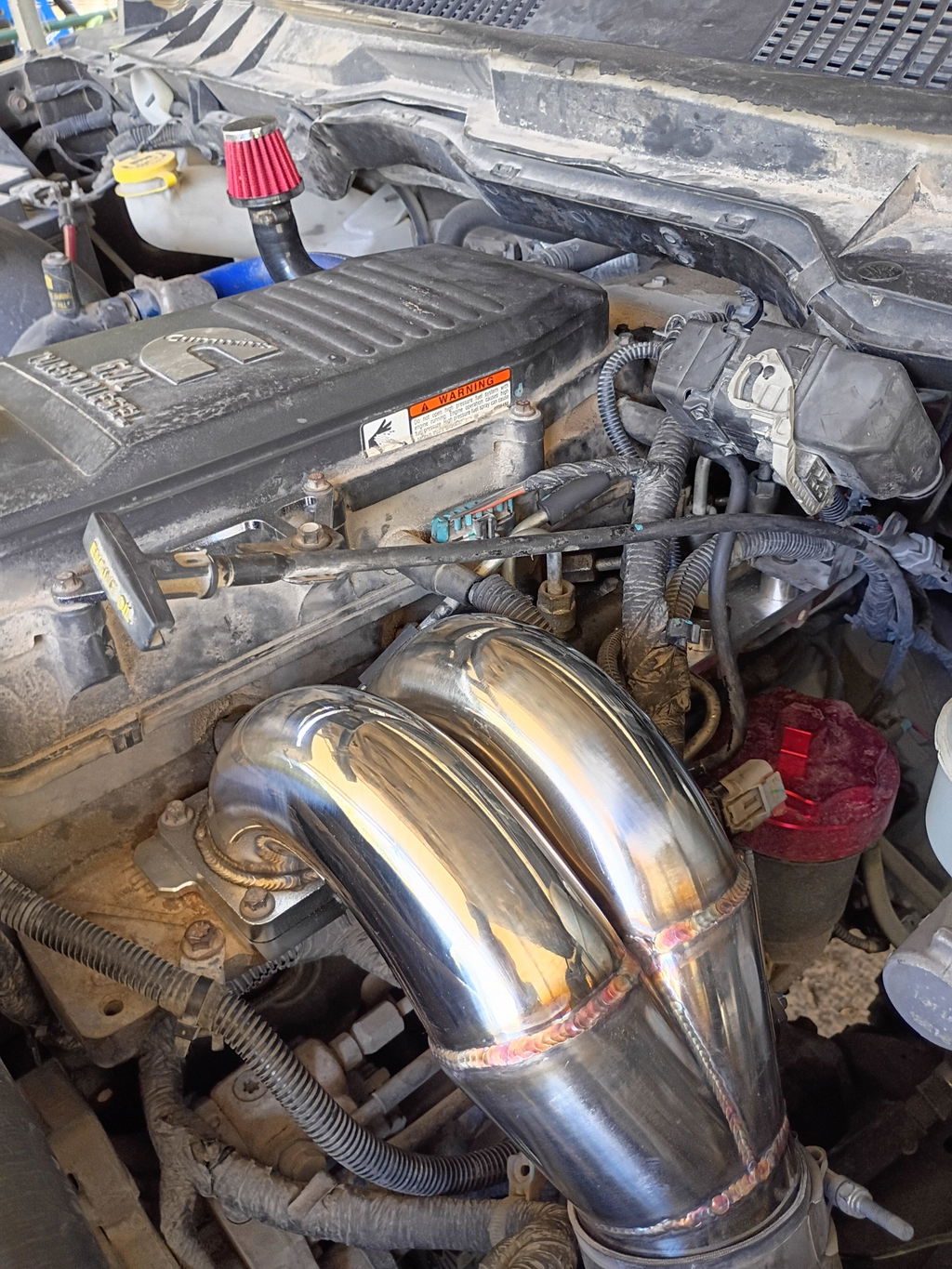
Shawn Dean
Looks awesome and works great
Definitely a noticable difference over stock, and looks better as well!
3.5" Intake Manifold with Heating Element for 2007-2024 Dodge Ram 2500/3500 6.7L Diesel | SPELAB
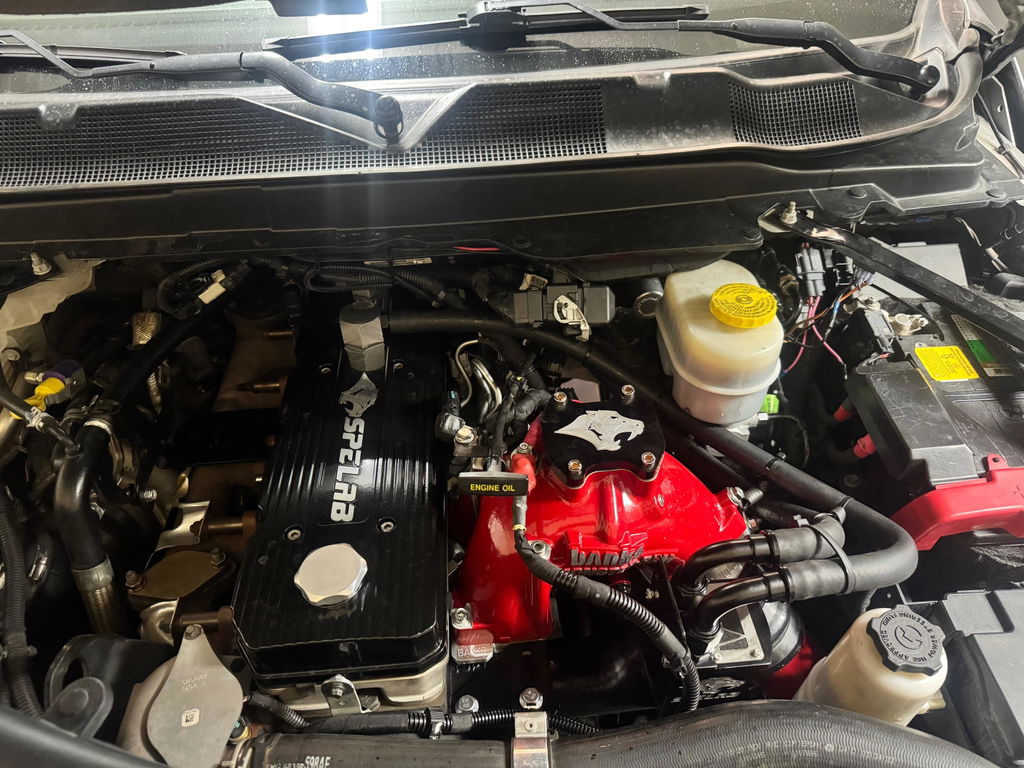
Los Coriz
Worth it!!!
I used a different oil catch can because it was “cheaper”. It just made a mess of my engine compartment. It couldn’t handle the pressure of the Cummins. Should have gotten this one in the first place. You get what you pay for! I have alot of SPELAB parts in my truck should have known better. Love the setup, easy to do yourself and now I don’t have to worry about it ever again. Set it and forget it! Love SPELAB!! Set up looks amazing!!!
Oil Catch Can for Dodge Ram 5.9L & 6.7L Diesel | SPELAB
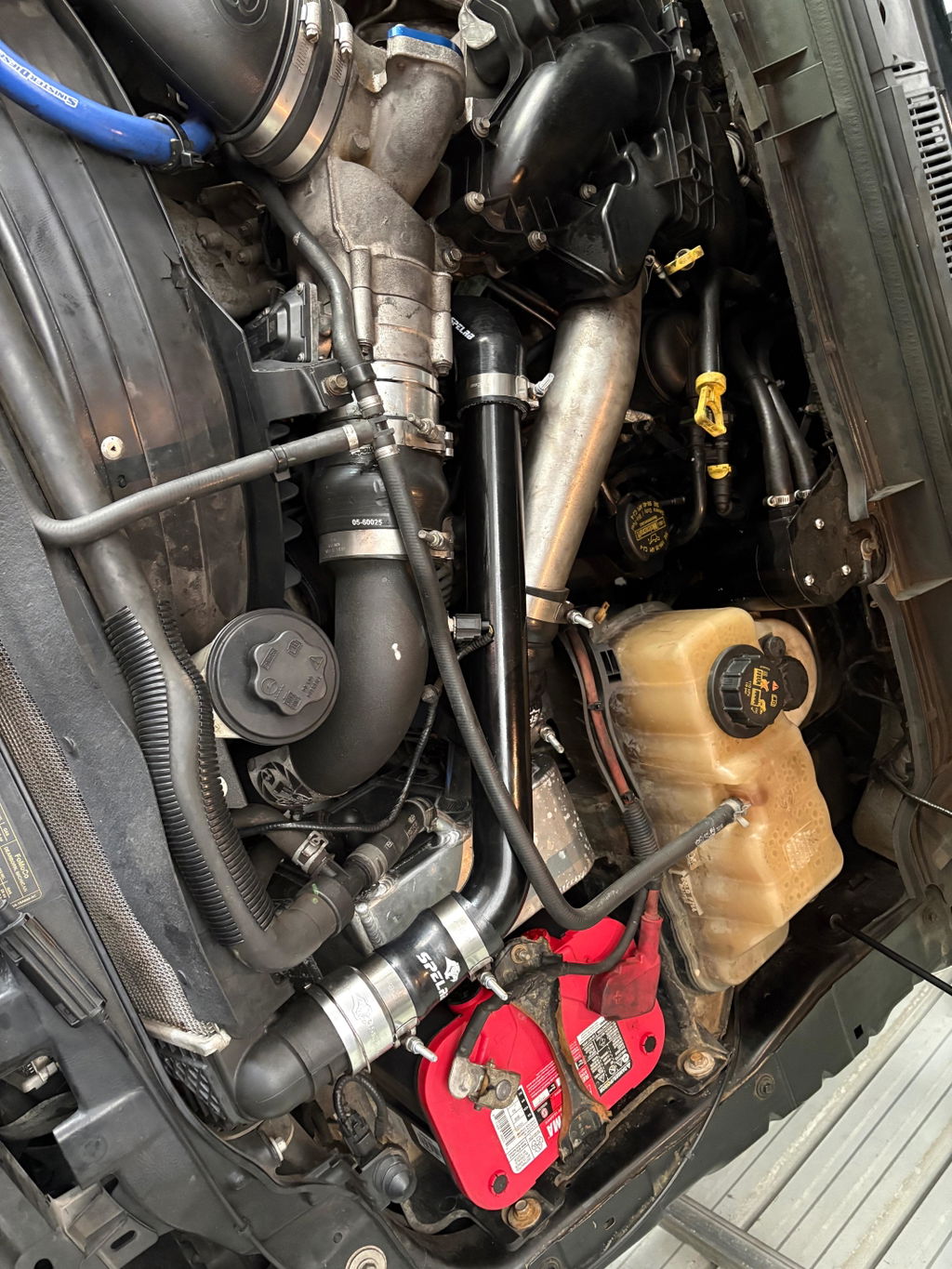
Dakota Woodward
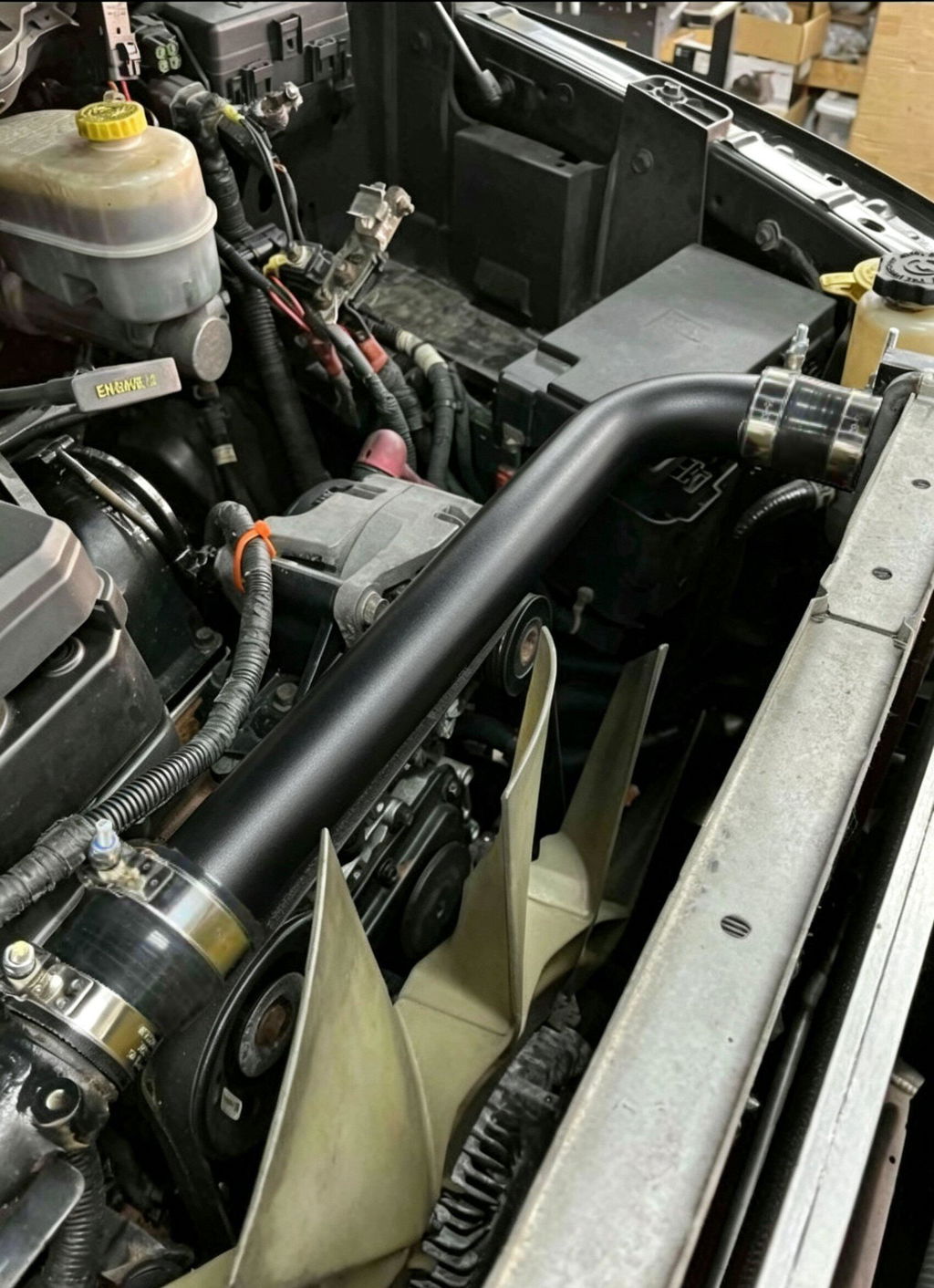
2011+ Upper Radiator Pipe
The kit came quickly and wasn’t missing everything. The finish of the billet parts it nice and so is the powder on the pipe. Drove 2000 plus miles with with on and have had zero issues.
Upper Coolant Tube for 2011+ 6.7L Powerstrokes Coolant Pipe | SPELAB
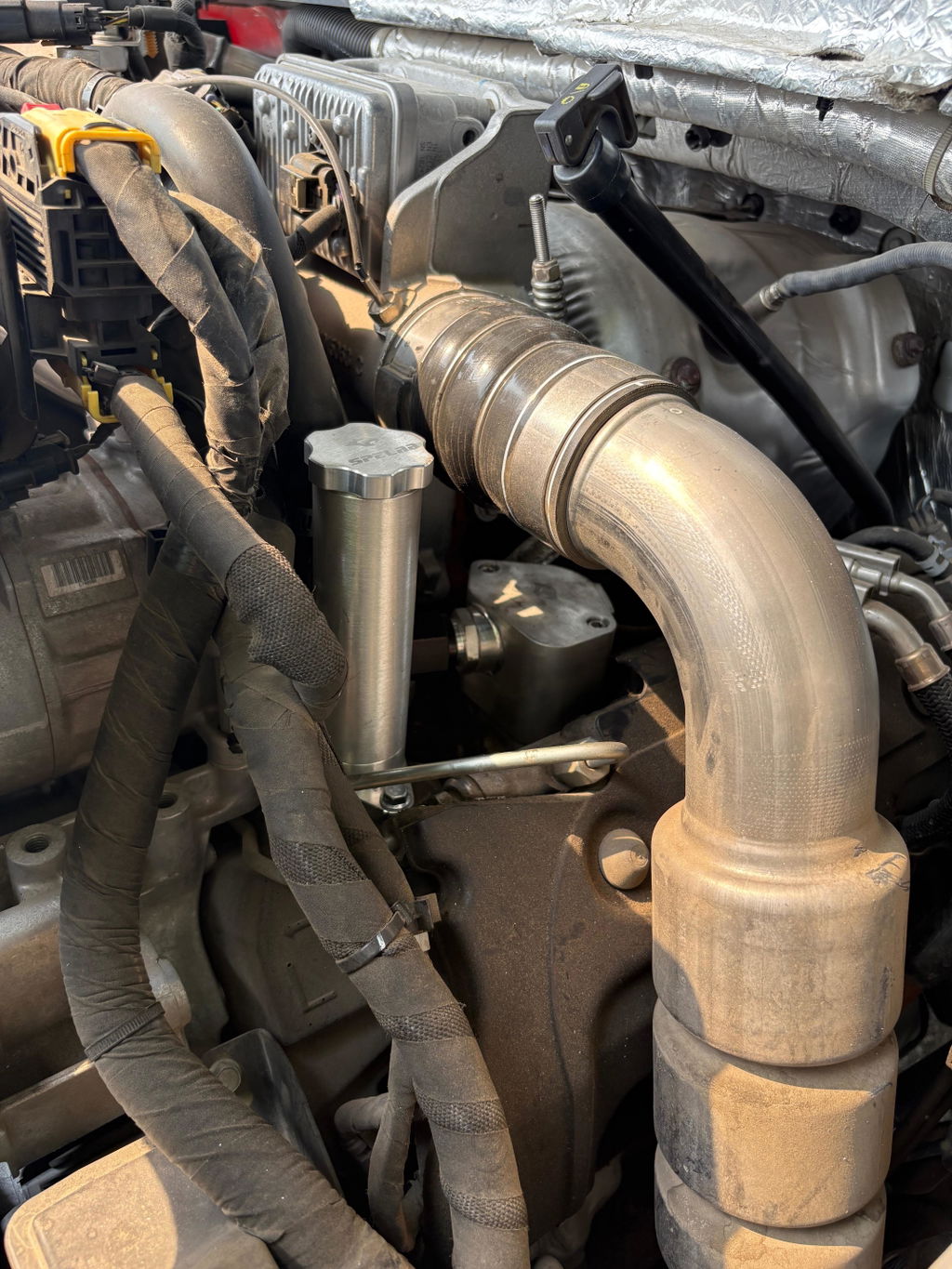
Don Blair
2019 Chevy 2500 LT Duramax L5P
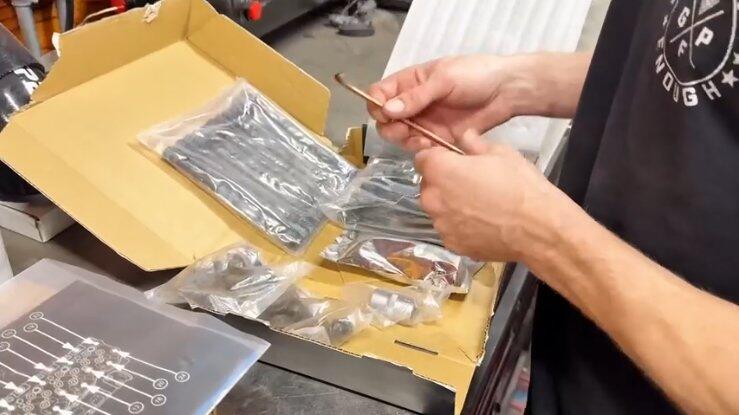
Loved the kit good fit and finish and easy to install. The little extraction tool helped immensely for that pesky bolt on the back. I purchased this kit because of the good reviews and I seen one on a 2018 Chevy Duramax that had been fully deleted and was asking the owner questions about the kit and where he bought it, he said SPELAB it was well worth the money and made it easier to put oil in the truck and yes does make it a lot easier to fill the engine with oil and if the old plastic ccv system cracks do to heat and and age it pushes oil on the engine and could cause a fire so it was well worth the money and piece of mind. So if you are looking for a CCV reroute kit I highly recommend this kit.
CCV Reroute/Delete kit For 2017-2024 L5P 6.6L Duramax | SPELAB
Jonnie Brown
Install studs hand-tight
do not treat head studs like ordinary bolts. Clean and chase every block thread, verify hole depth and any fluid passages, then apply the supplied assembly lubricant only where specified—especially on nut and washer contact surfaces.
Head Stud Kit for 1989-1998 Dodge Ram 5.9L Diesel 12-Valve | SPELAB
O'Connor Auto Parts
Good studs
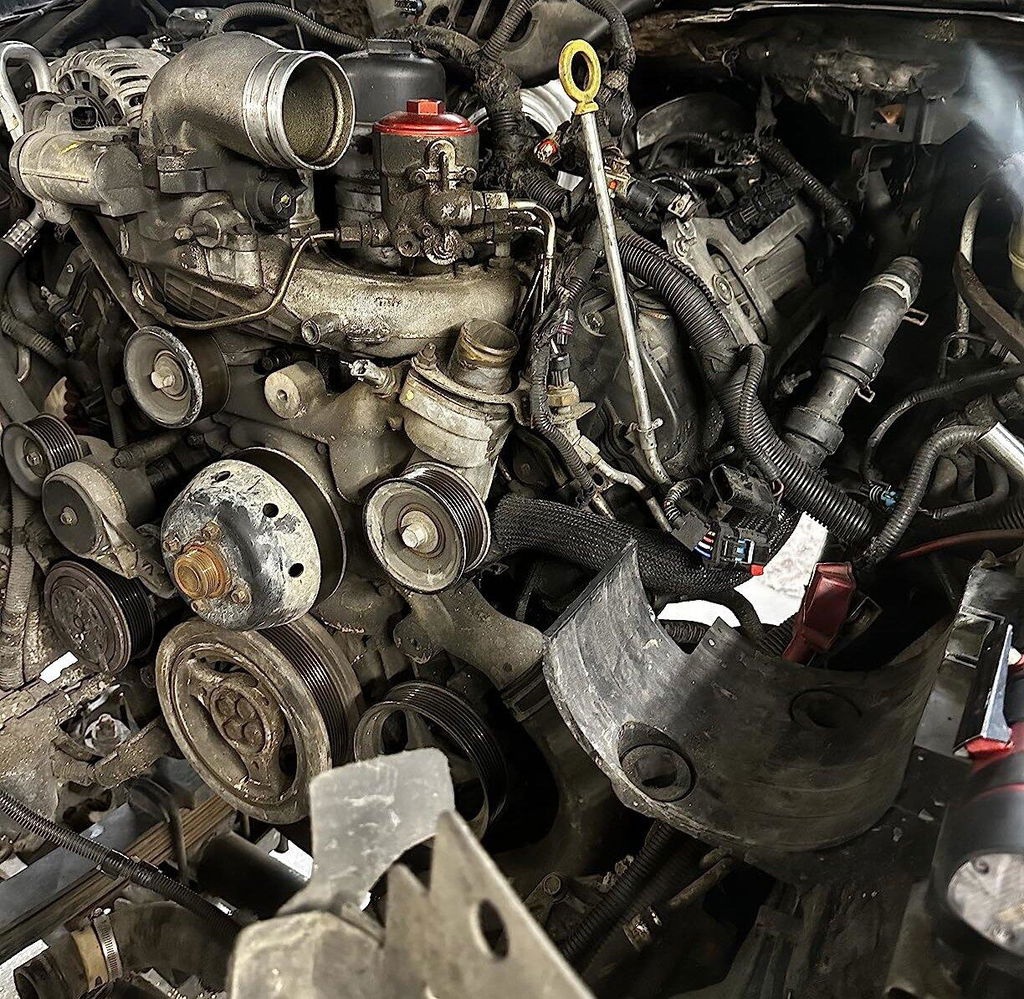
Took the gamble on these. Ive installed arp studs for customers and I did these in my truck. Few thousand miles now and no issues. I can’t say they are better than arp but I can say they are just as good for just half of the price.
Head Stud Kit For 2003-2007 6.0L Powerstroke Ford F250 F350 F450|SPELAB
Trey Auto Parts
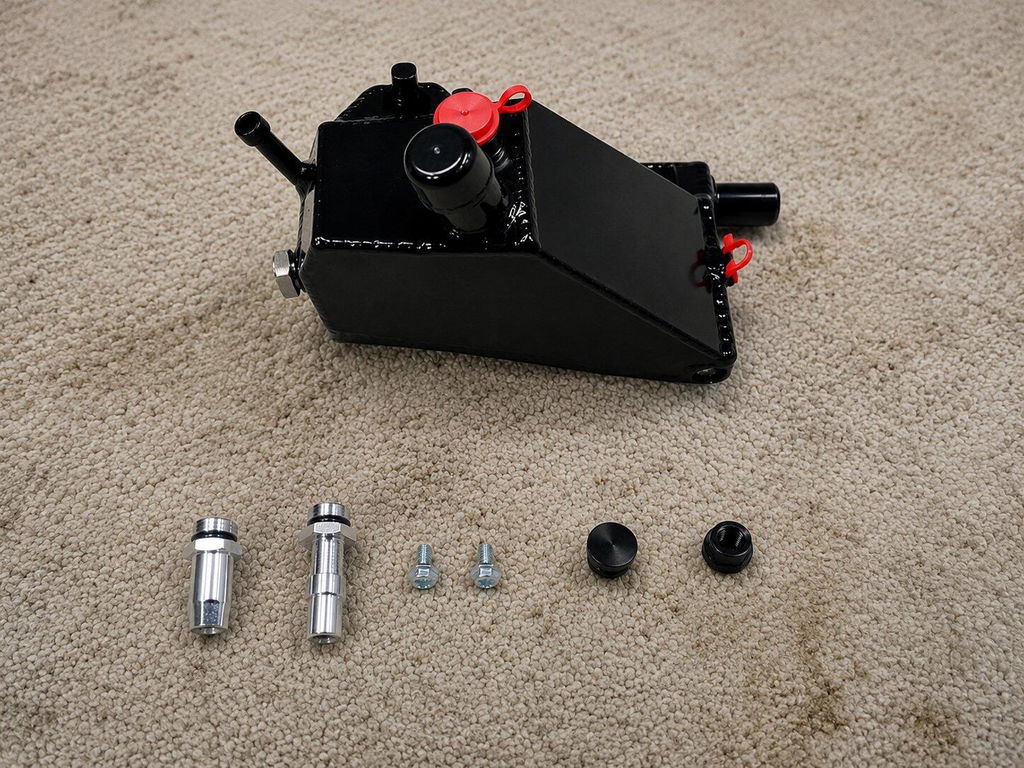
Good quality coolant tank with fair price!
Coolant Reservoir for 2011-2019 Ford 6.7L Powerstroke Coolant Overflow Tank | SPELAB
Good quality coolant tank with fair price!
Coolant Reservoir for 2011-2019 Ford 6.7L Powerstroke Coolant Overflow Tank | SPELAB
Travis
Intake horn with grid heater relocation
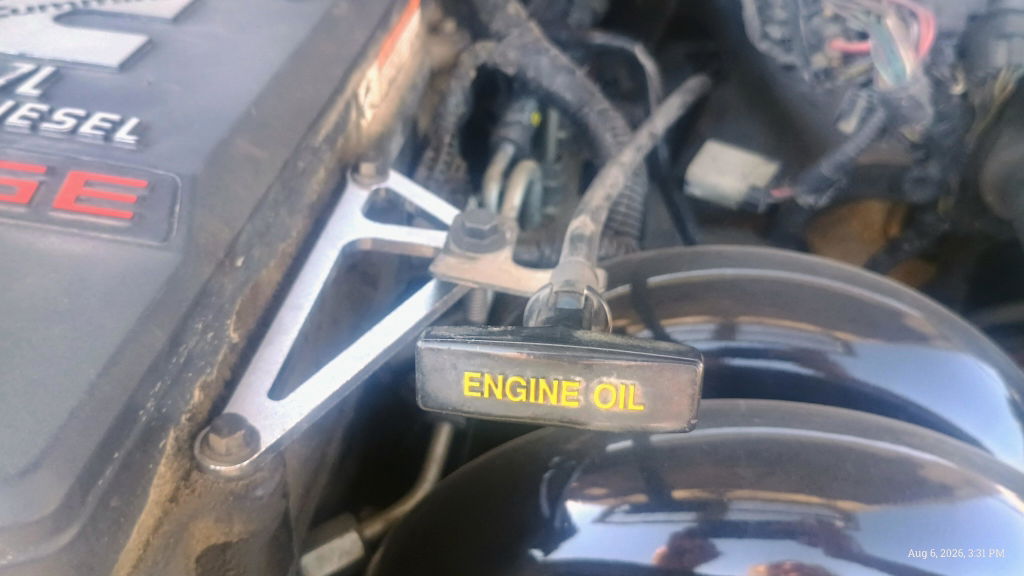
First off I purchased this intake horn/w grid heater relocation because of the price and the heating element came as a kit. I am not a truck mechanic and this part wasn't very easy for me to swap out. The parts were shipped extremely fast and well packaged this intake horn was installed in conjunction with Spelab's rid heater delete kit. I was also nervous to do this swap myself because I haven't messed with any of these parts previously. But Praise God I was able to take everything apart and install the new parts without any issues. The videos were alright also looked up a few videos on YouTube to get a better idea of what I was up against before I started. Overall Spelab has been a great experience, all the parts were very nice looking and well made. I will definitely do business with Spelab in the future. I am considering doing the head stud kit.
3.5" Intake Manifold with Heating Element for 2007-2024 Dodge Ram 2500/3500 6.7L Diesel | SPELAB