5 Products


Let customers speak for us
Quentin Dale
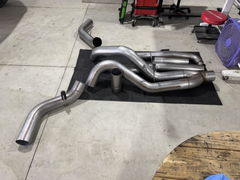
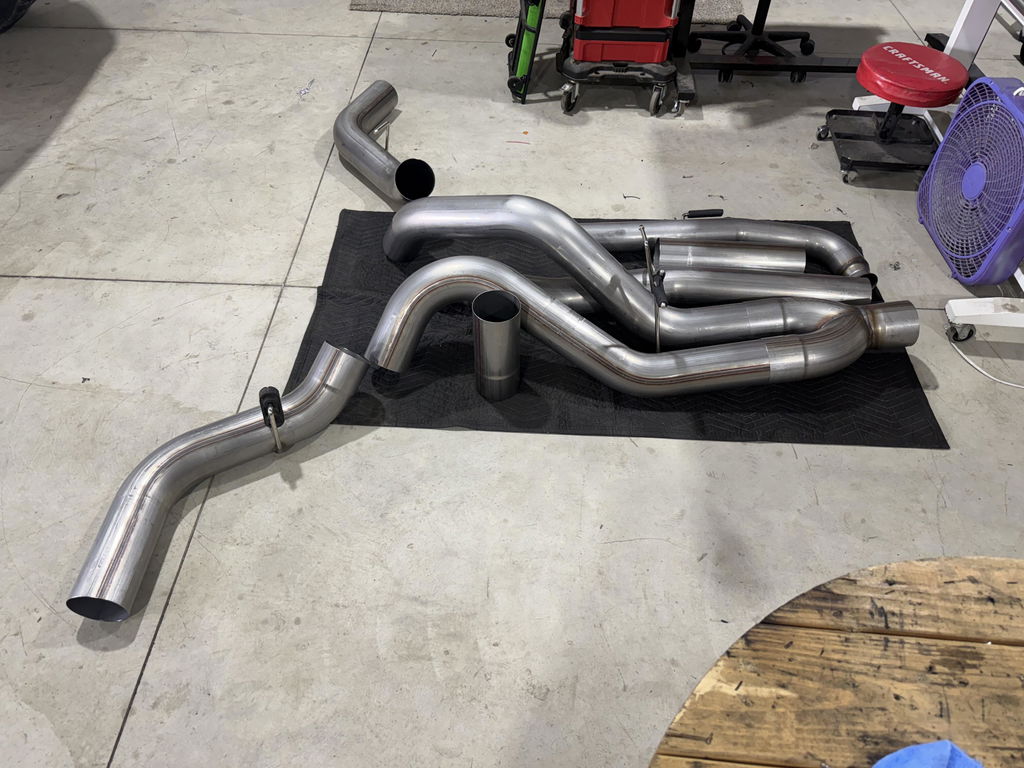
5” exhaust
The fitment was fantastic And it went together really well and fast
5'' Downpipe Back Duals 2011-2016 LML 6.6L Duramax DPF Delete Race Pipe GM 2500/3500|SPELAB
Arthur Maisner III
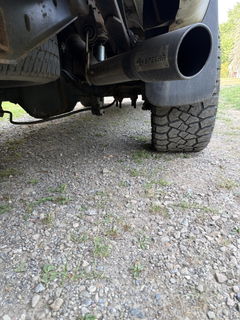
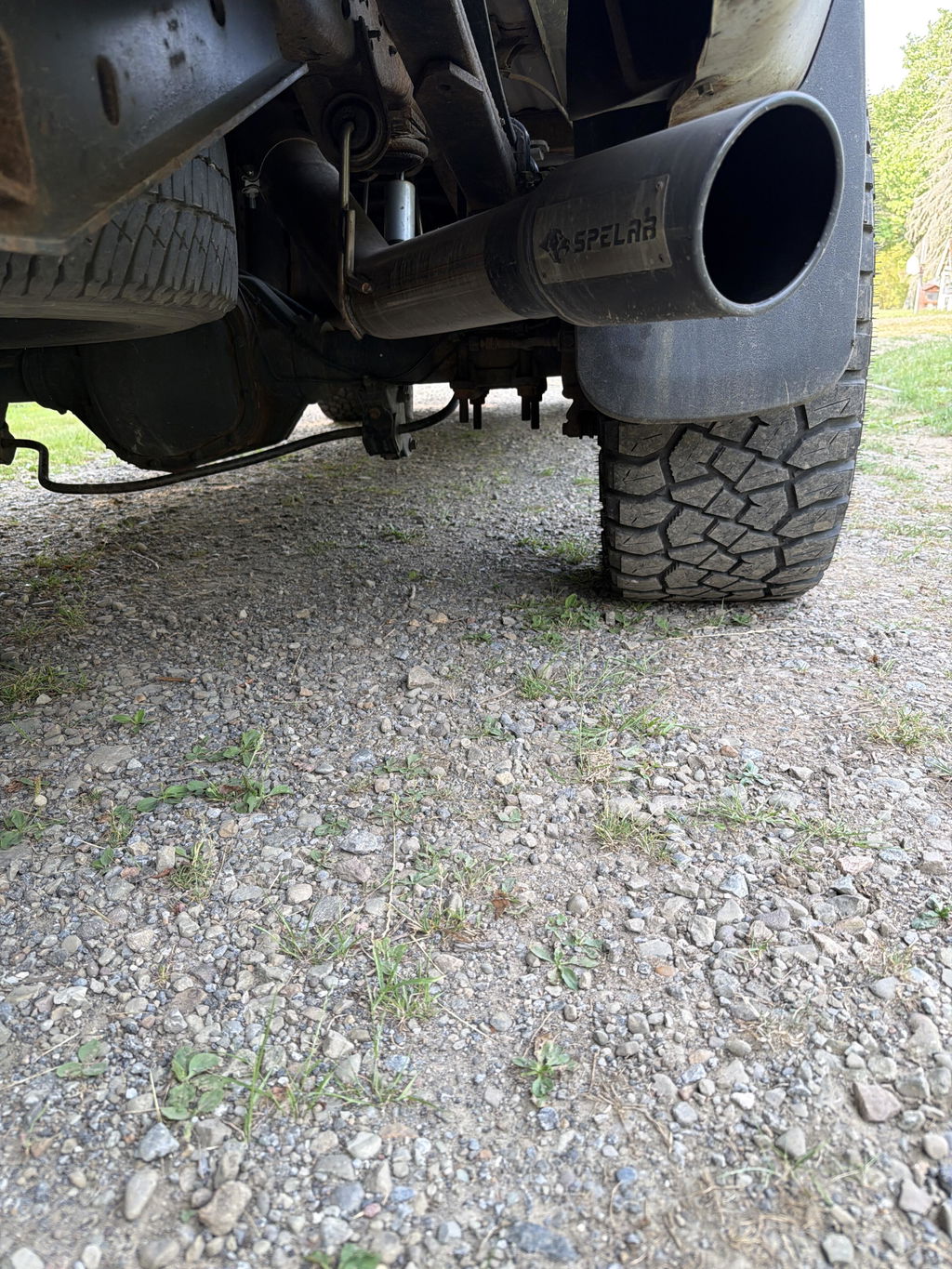
4 inch dpf back exhaust
Great shipping. Great product. Was easy to install even though I had to cut some pipe off but overall happy with product
4'' DPF Back Exhaust Single Side Exit 2011-2016 6.7L Powerstroke Ford F250 F350 F450
John Bitler
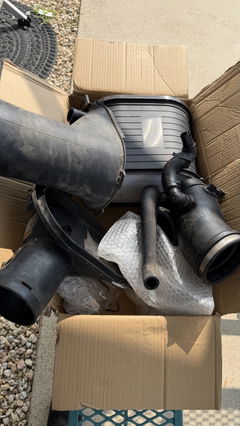
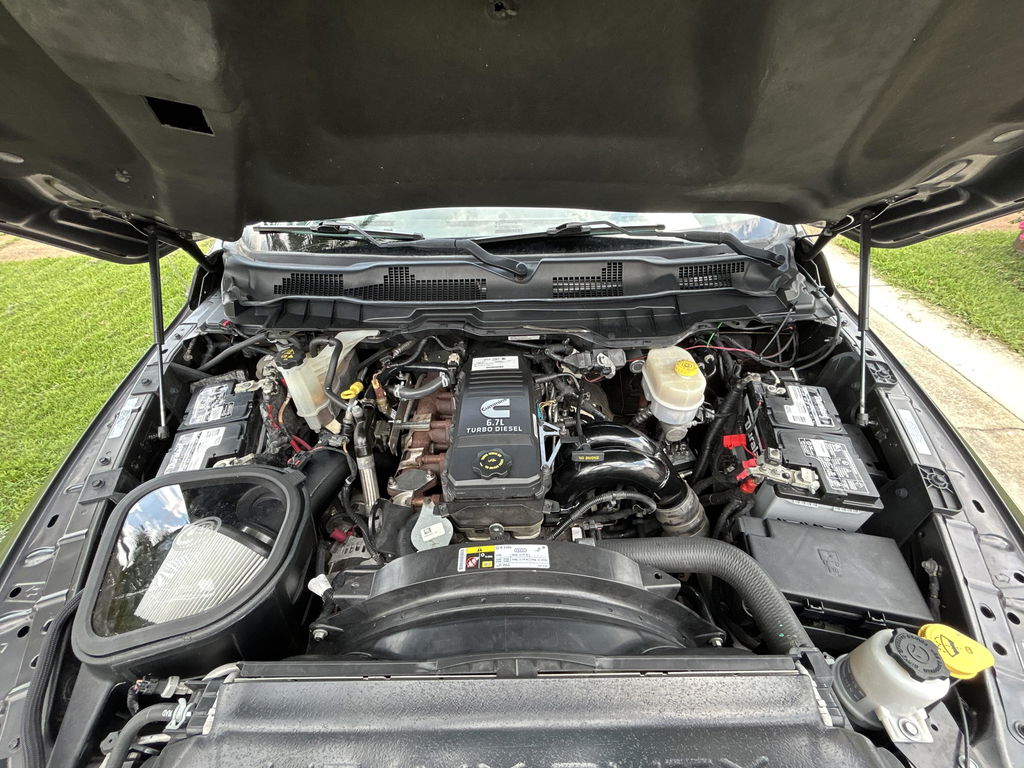
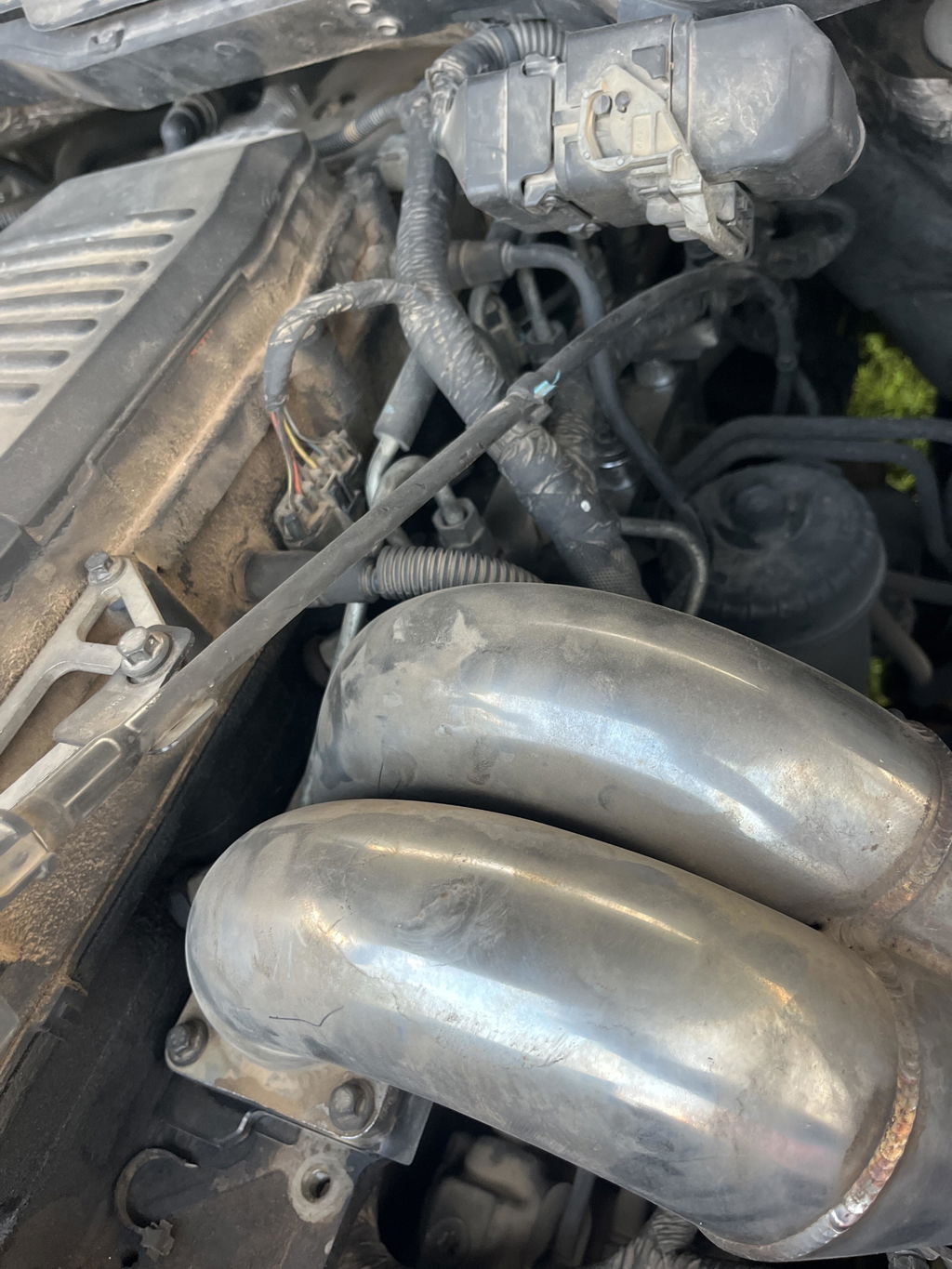
Intake Manifold
Solid intake manifold, no fitment issues.
3.5" Intake Manifold with Heating Element for 2007-2024 Dodge Ram 2500/3500 6.7L Diesel | SPELAB
Matt Richmond
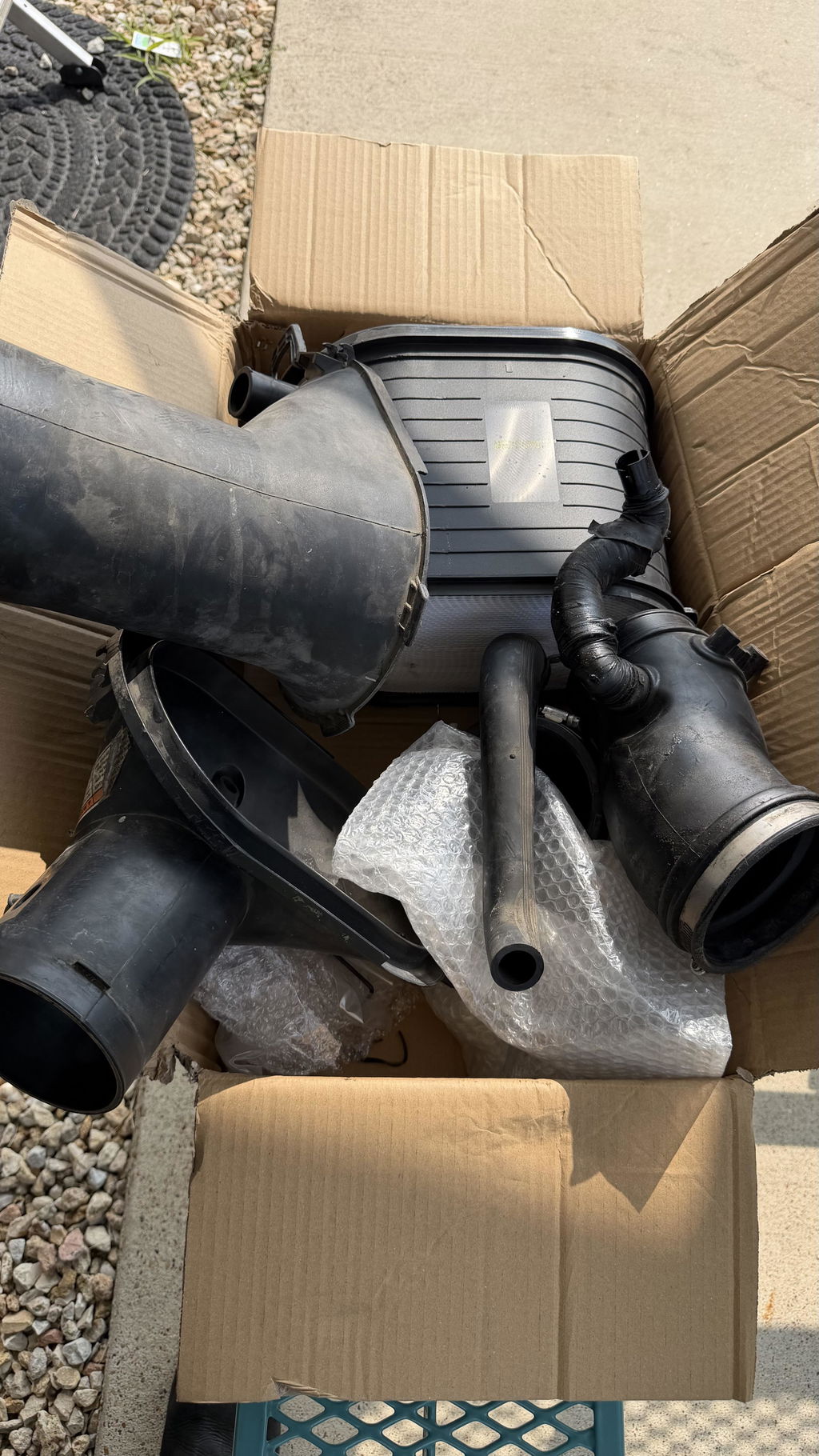
Perfect
Fit perfect and was of high quality material I have had the plate on my truck for about 2 weeks now and it is working great thanks SPELAB
Intake Horn/Manifold Grid Heater for 2007-2024 Dodge Ram 2500/3500/4500/5500 6.7 Diesel | SPELAB
Keegan Little
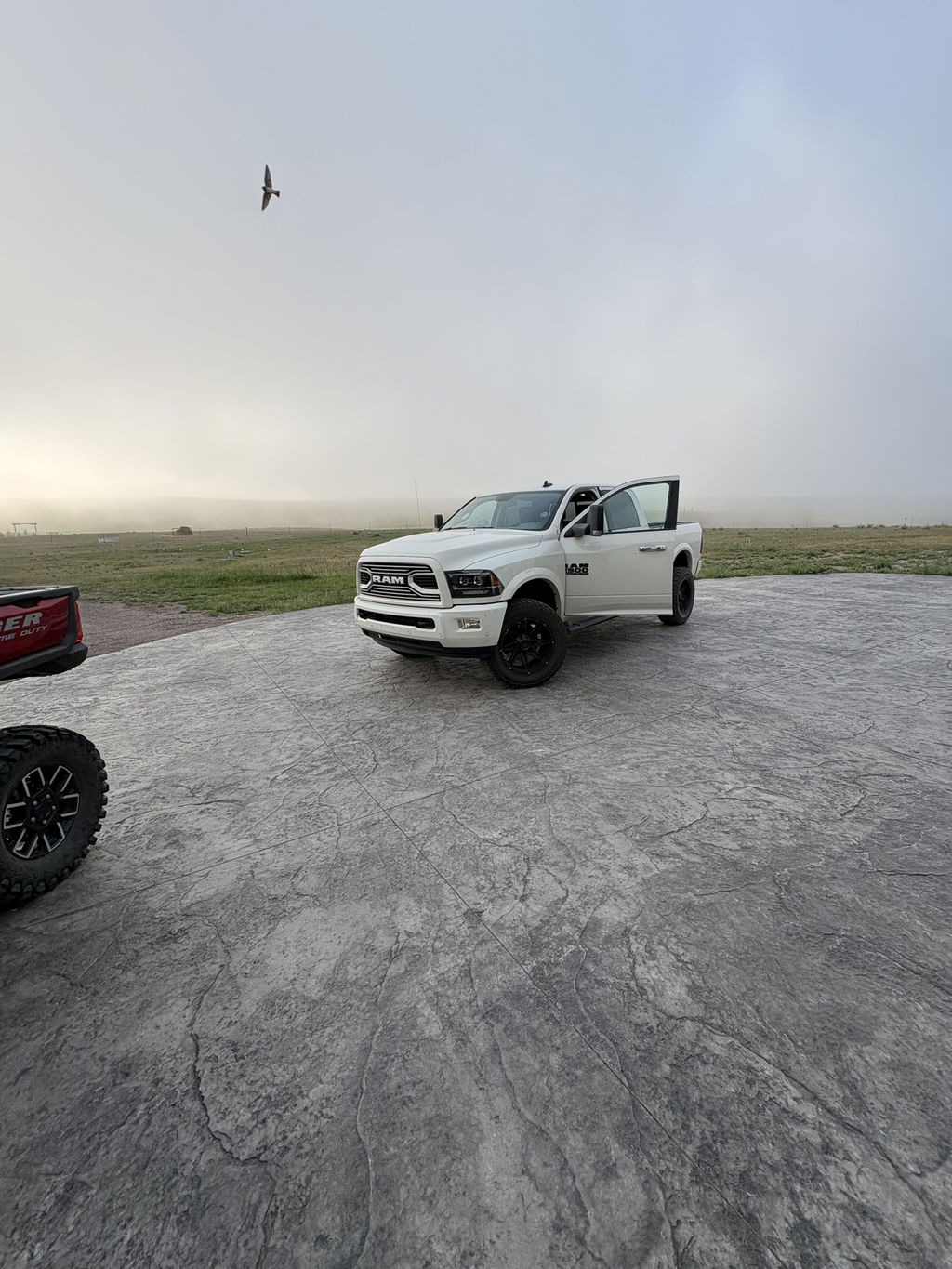
Great for the money
The cold air intake was easy and fast to install. it looks great and boosted my truck up a little for performance without breaking the bank. it’s the best bang for your buck even if your truck is stock or built it’s worth the money
SPELAB 4‘’ Cold Air Intake Kit For 2003-2007 Ford 6.0 Powerstroke Diesel F250 F350 F450 F550
Adam Santavy
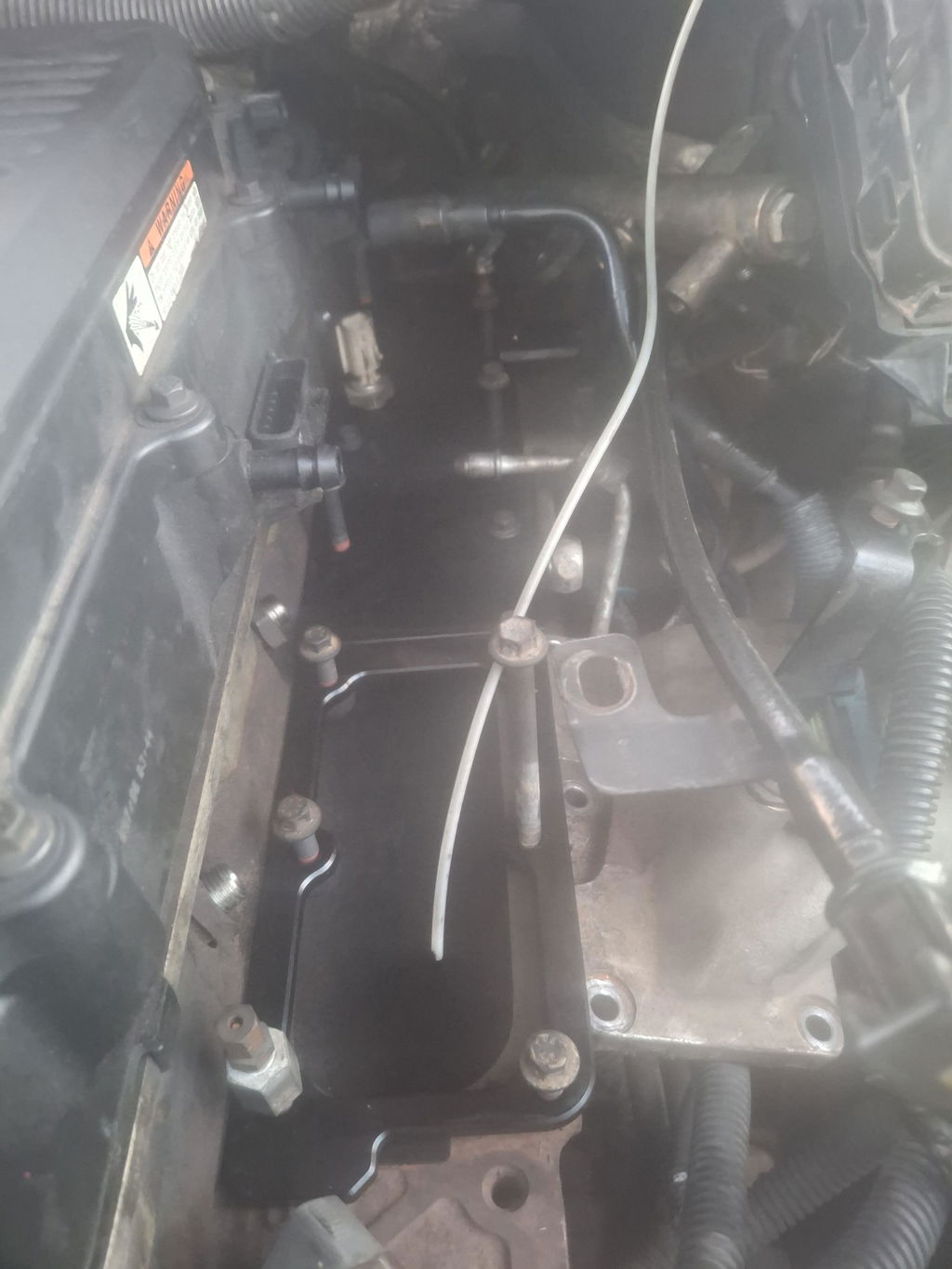
2018 ram 2500
hard parts are amazing and everything went together great
Worry-Free Purchase
Cody Osborne
Works Great
Install was easy and straightforward. Everything lined up nice. Peace of mind knowing there are no worries about potential destroying my engine, due to a nut.
Intake Horn/Manifold Grid Heater for 2007-2024 Dodge Ram 2500/3500/4500/5500 6.7 Diesel | SPELAB
GARRETT OLVERA
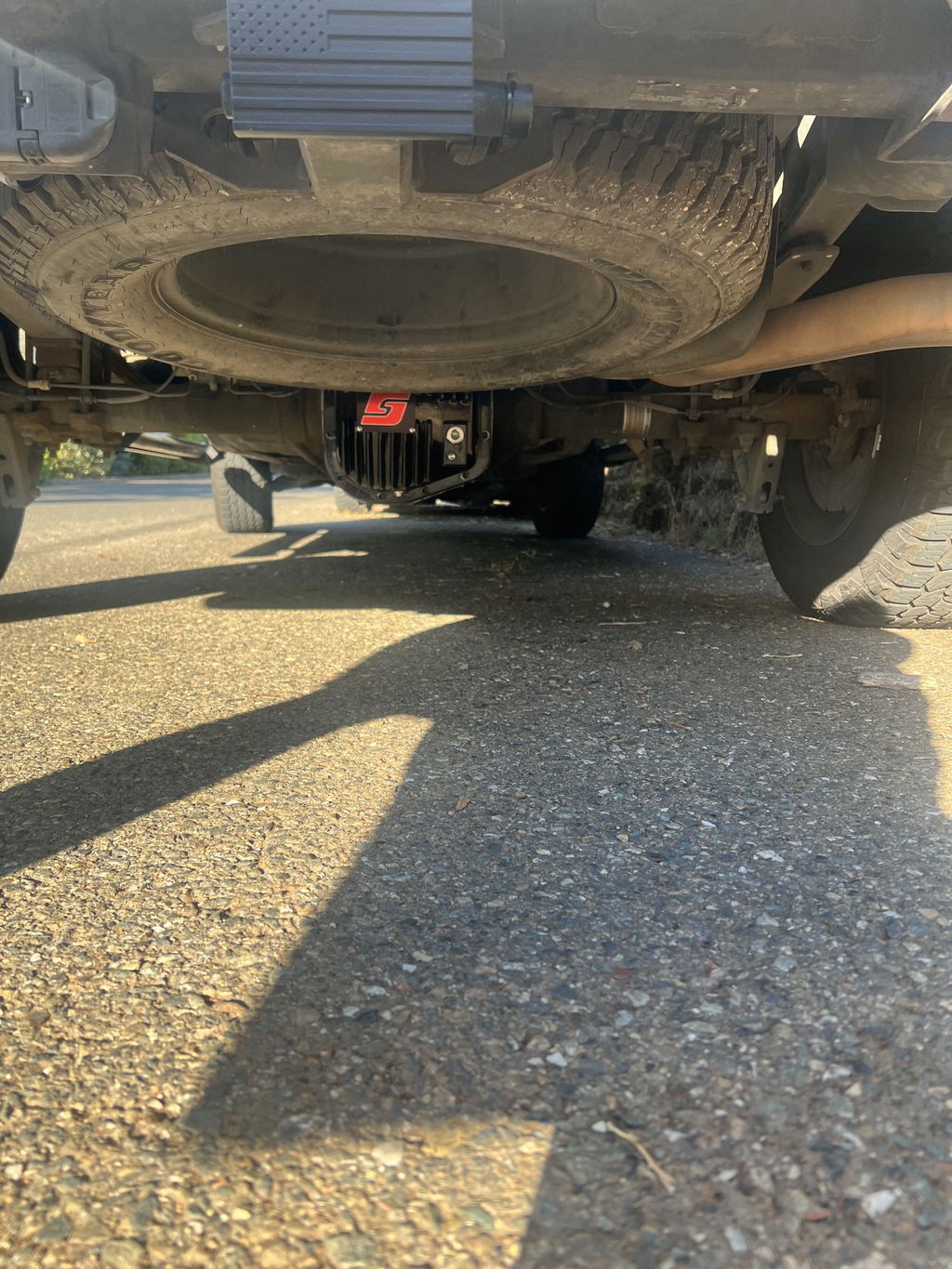
Excellent
Highly recommend for 2009-14 F150 4x4 3.5 ecobeast!
Differential Cover For Ford 9.75″ 12 Bolts Rear Axle | SPELAB
Eugene Hake
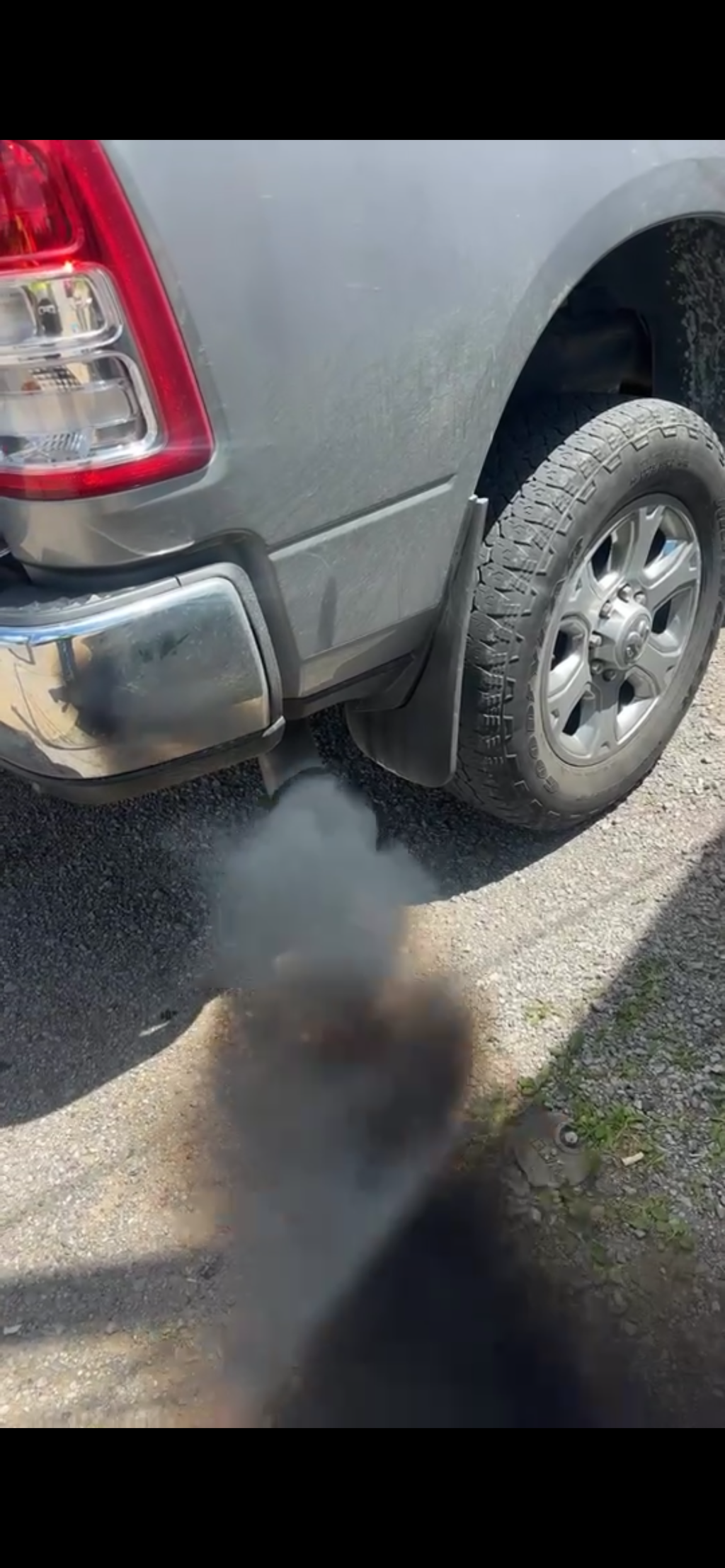
Good bang for buck
Installed myself at home took a little over a week for everything to show up, install went tough but that was the trucks fault parts were all good and the tunes run smooth, getting a little over 2 mpg average better fuel economy definitely worth the money.
DPF/DEF/EGR All-in-One Delete Kit for 2019-2021 Dodge Ram 6.7L Diesel 2500 3500
Brian C.
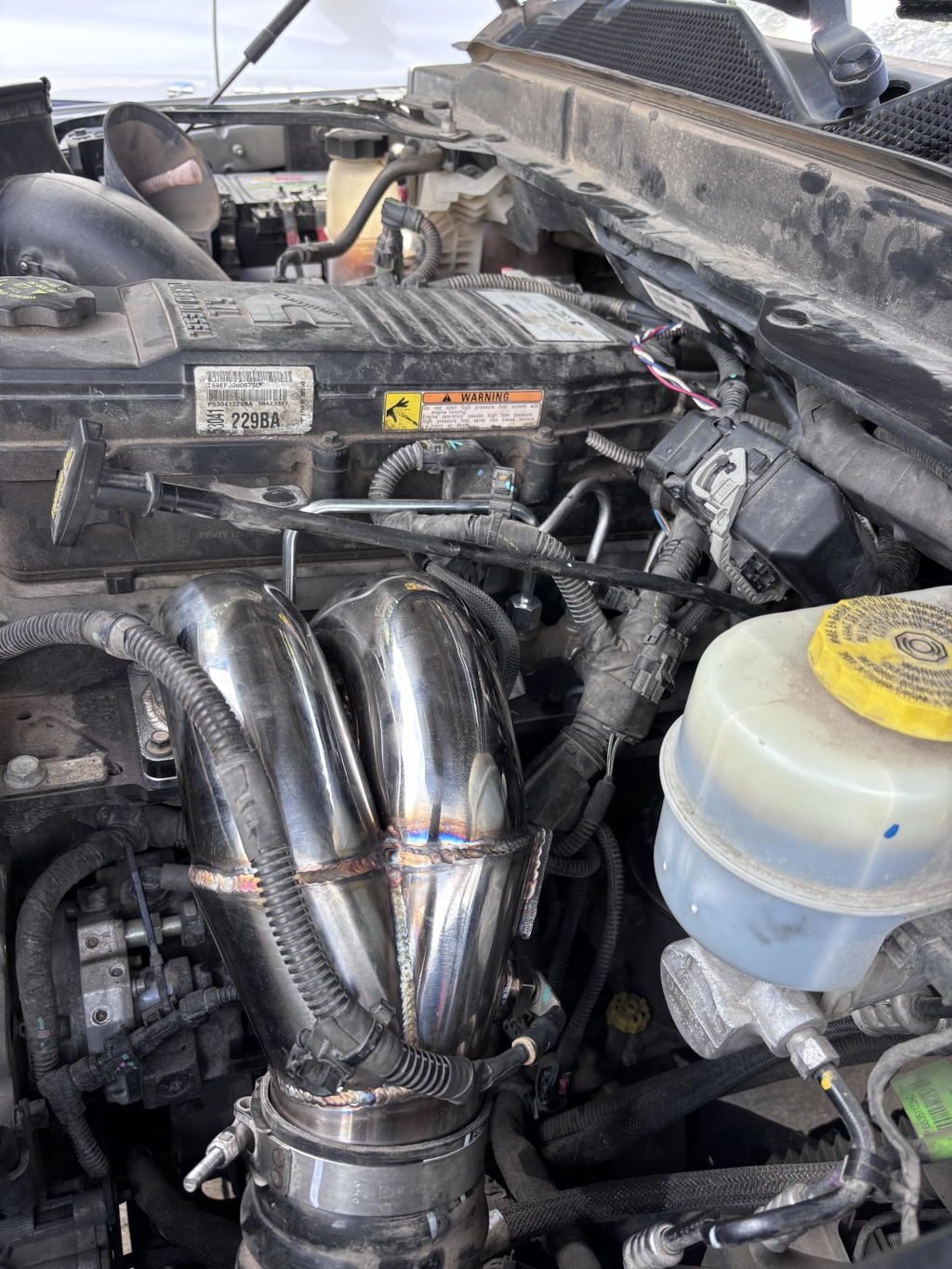
Intake horn
Made my truck run much better without having to worry about the grid heater bolt falling down in cylinder 6
3.5" Intake Manifold with Heating Element for 2007-2024 Dodge Ram 2500/3500 6.7L Diesel | SPELAB
Darby Poulsen
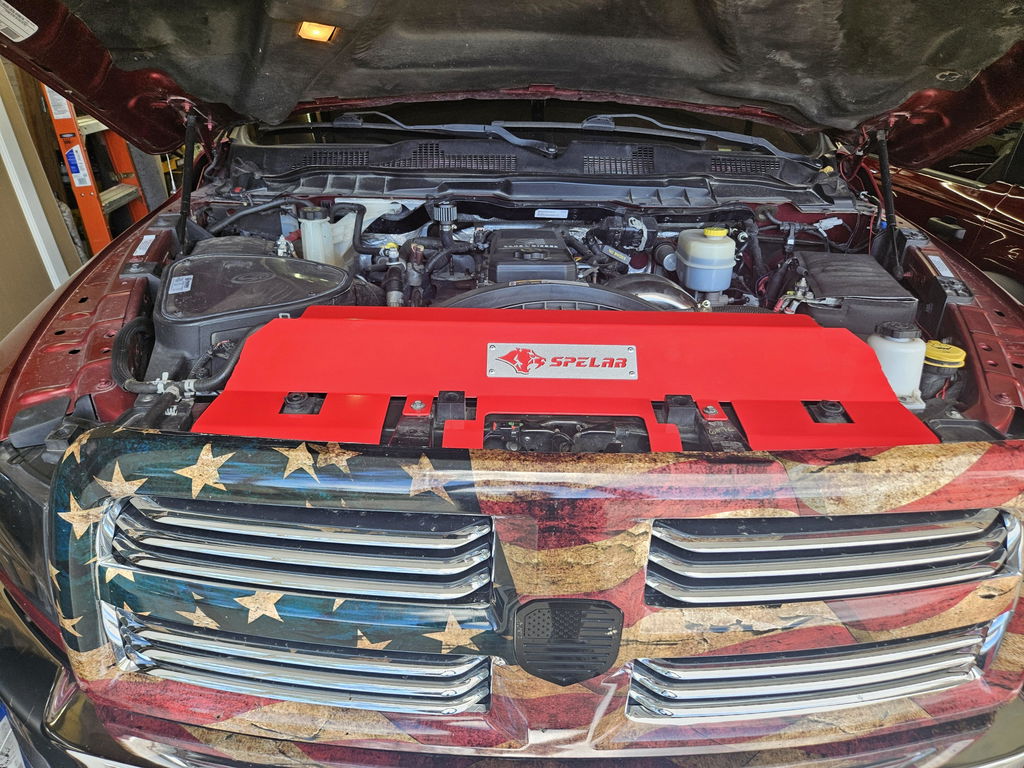
Fit is good
So far it looks nice and fit pretty well.
Aluminum Radiator Cover for 2010-2018 Dodge Ram 2500/3500 6.7L Diesel | SPELAB
Mike M.
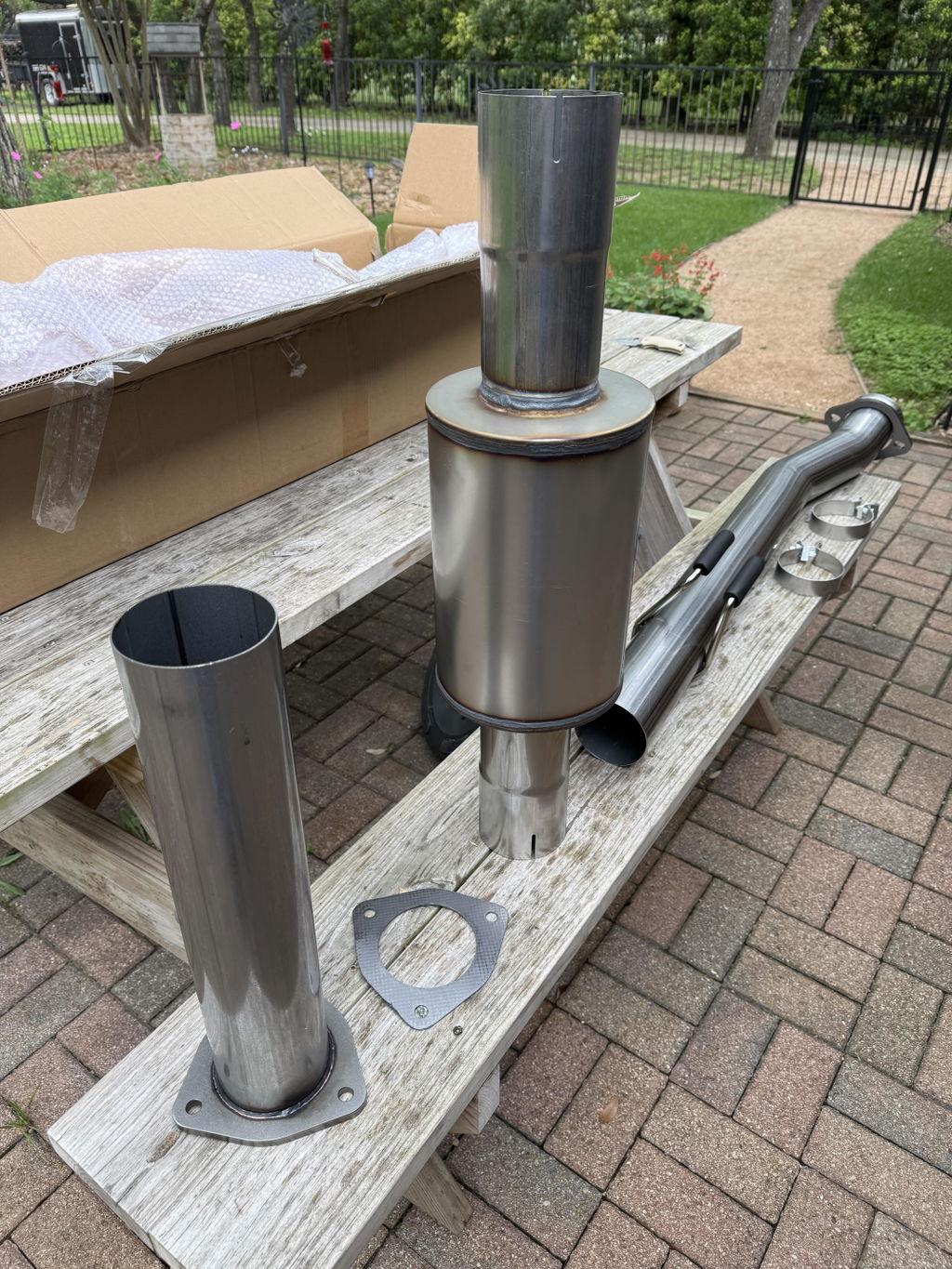
Very Well Built
Welds look solid and professional quality, I have not installed them yet but I did put them in place under truck to ensure length and thus far everything looks good. I will give an update after install and on the road with them
4‘’ 2011-2023 Ford 6.7 Powerstroke DPF Delete Race Pipe w/Muffler | SPELAB
Michael D.
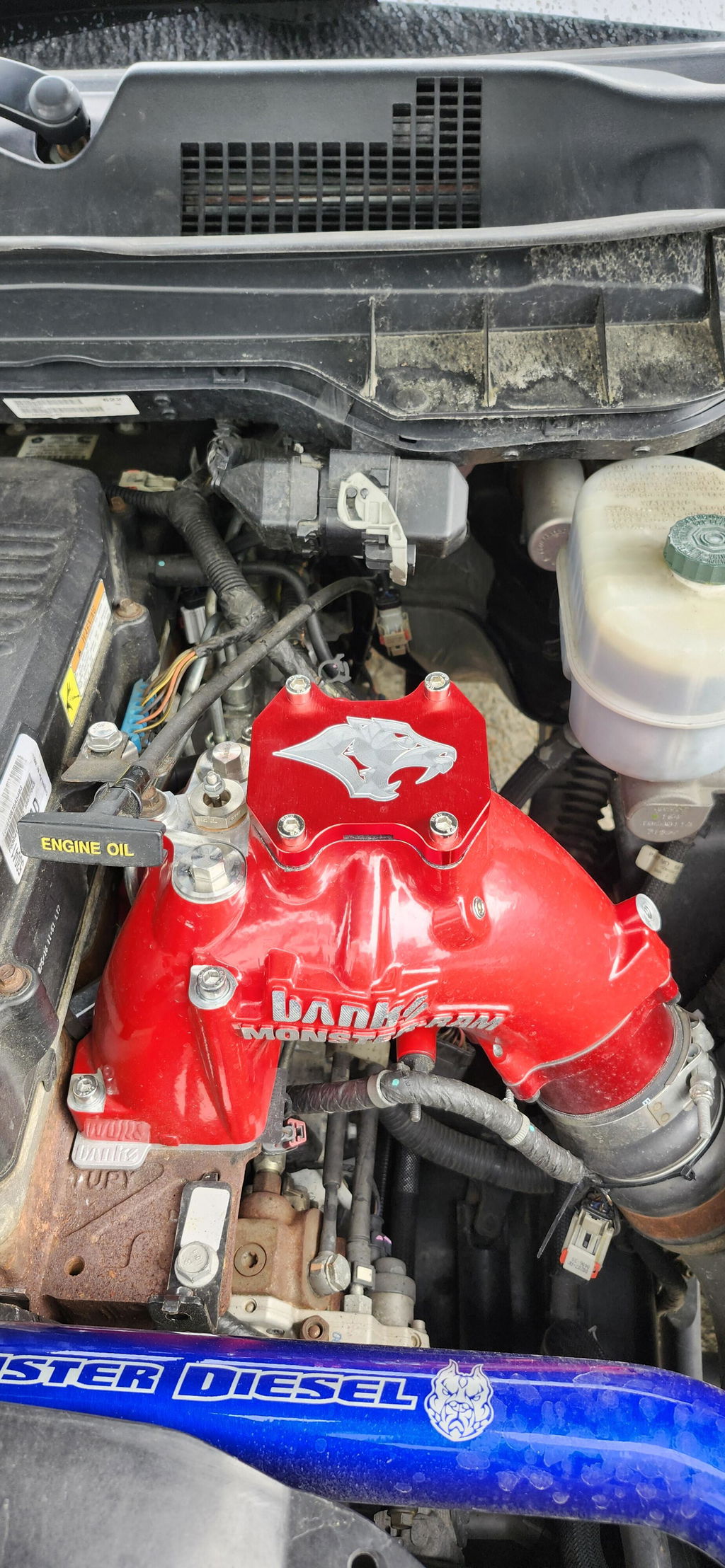
EGR Block-off Plate For 2009-2025 Dodge Ram 2500/3500 6.7L Diesel
Product came in earlier than expected and is made out of high quality materials. SPELAB hasn't let me down yet!!
EGR Block-off Plate For 2009-2025 Dodge Ram 2500/3500 6.7L Diesel | SPELAB
Ron Field
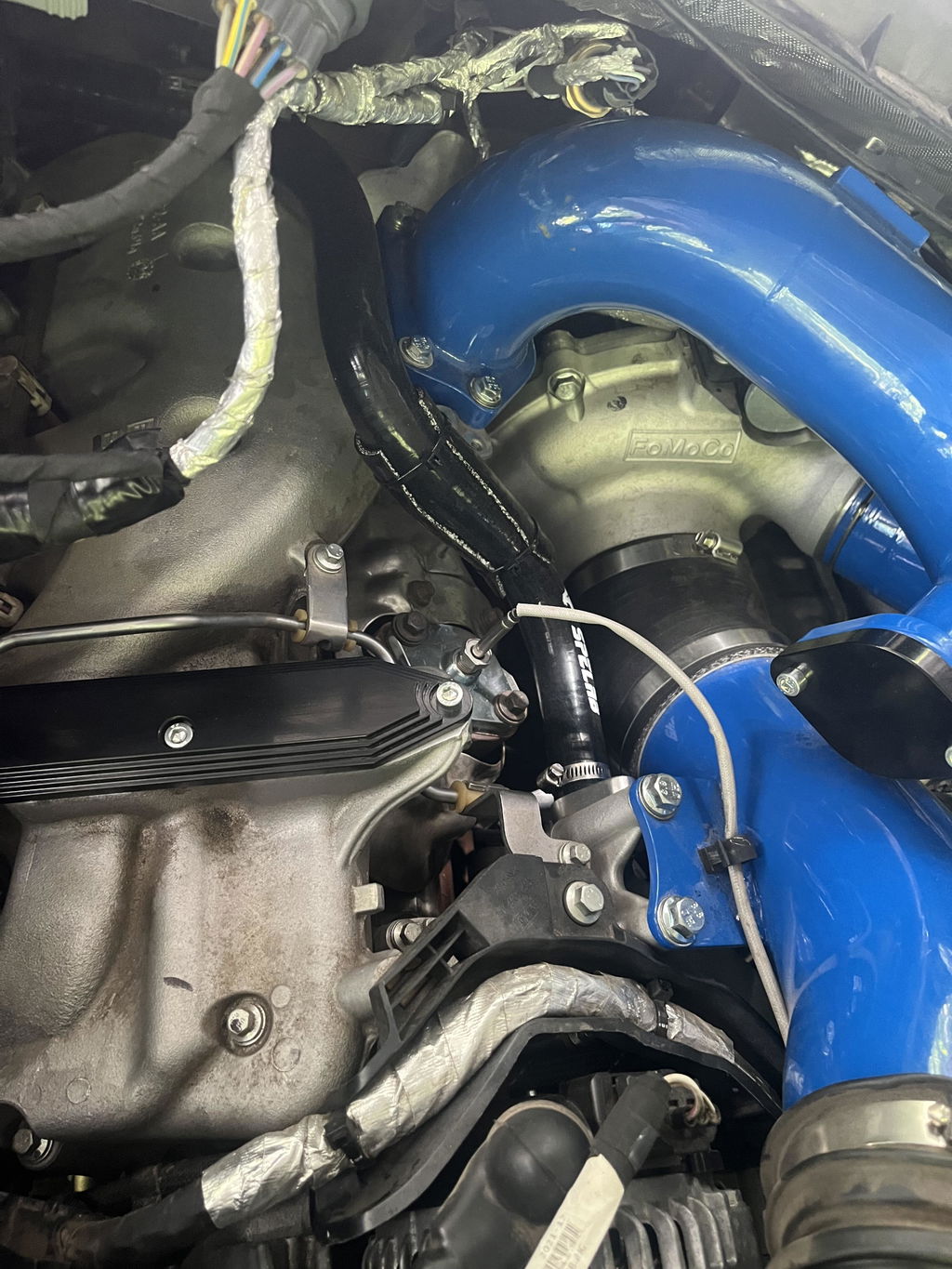
F250 coolant reroute kit.
The product installed perfectly high-quality superior part. For my 2022 f350. Coolant reroute kit.
Worry-Free Purchase
Corey Yergeau
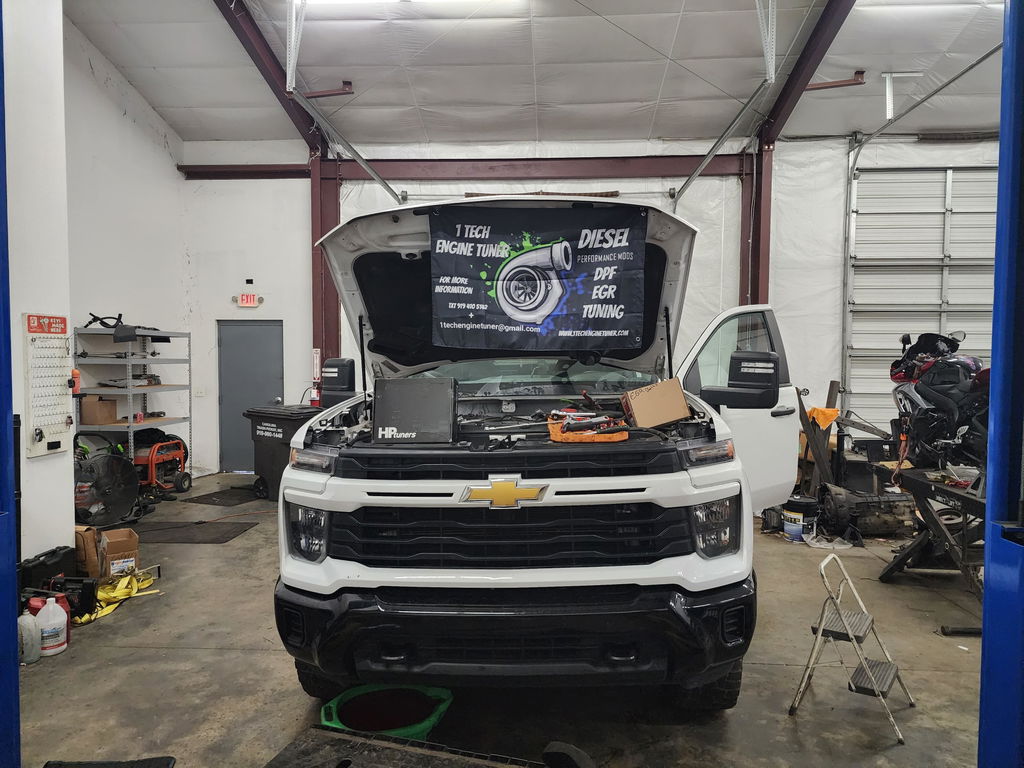
Fits perfectly
Everything works great all parts fit hangers fit have pictures if needed
EGR/DPF Delete Kit 2017-2025 L5P 6.6L Duramax Applicable Products | SPELAB