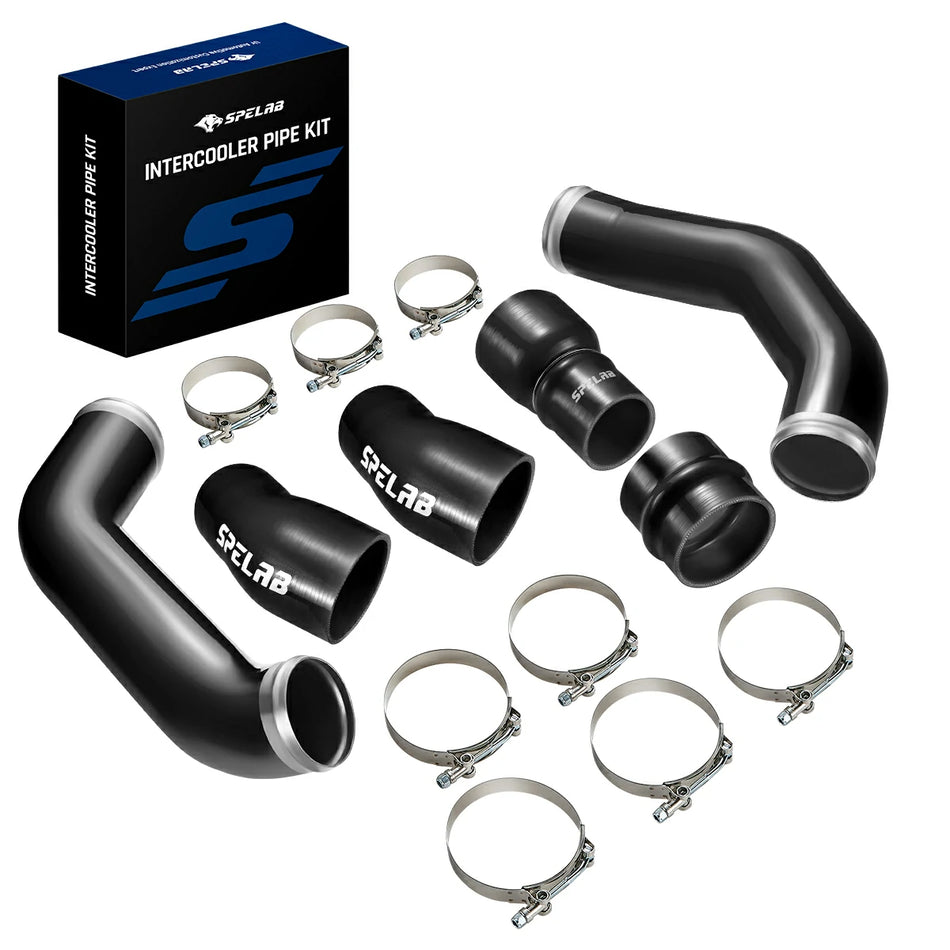
We’re upgrading packaging at SPELAB to better withstand handling during shipping and delivery, with a particular focus on preventing small components from escaping through damaged cartons or opened seams. Customer feedback about packaging damage and missing hardware is helping us prioritize this work. We’re introducing improvements in stages, especially for kits that contain multiple small parts.
Updated
We’ve Heard Your Concerns About Packaging and Missing Parts
Some customers have reported receiving damaged packaging or finding that a component was missing when they unpacked a kit. Those experiences fall short of what you should expect when ordering from us.
A missing bracket or bag of fasteners can interrupt a weekend installation, delay a workshop appointment, or leave a vehicle waiting for parts. Even when the main component arrives undamaged, an incomplete kit creates extra work for the person who ordered it.
We’re using these reports to identify packaging weak points and prioritize products that need attention. Our quality team is coordinating with suppliers on changes to carton closures and protection for multi-piece products.
How Parts Can Be Lost During Shipping and Delivery
During sorting, loading, transport, and final delivery by shipping carriers, packages can be dropped, compressed, or handled repeatedly. Those conditions can damage a carton or loosen its closures. If a seam opens, small components may escape before the package reaches the customer.
This is a key risk our packaging improvements are designed to address. A bracket or bag of fasteners can become separated from a shipment even when the main component remains inside the box, leaving the customer with an incomplete kit.
Our response is to strengthen the packaging around those vulnerable points. We’re improving closures and reviewing internal protection so our packages can better withstand the handling they may encounter on the way to your door.
What We’re Changing
The first priority is keeping the carton securely closed throughout handling. Reinforced closures and better-protected edges are intended to reduce the chance that shipping damage turns into lost components.
Reinforcing Top and Bottom Closures
For standard cartons with flaps that meet in the middle, we’re introducing an H-shaped taping pattern on both the top and bottom. Instead of covering only the center seam, the tape also runs across the two end seams, securing more of the edges where the flaps meet.
The bottom closure matters just as much as the top. We’re addressing both sides of these cartons because a package may change orientation several times before delivery.

Securing Exposed Box Edges
Not every box closes the same way, so we’re matching the sealing requirements to the box design. For the interlocking folding boxes covered by the updated requirements, the changes include taping the lid or locking-tab area and securing the bottom seam where the folded panels meet.
These are easy details to overlook when the main part still fits securely inside. But a gap near a flap or an unsecured bottom fold can leave a way out for smaller hardware. We’re focusing on those openings as well as the main lid, with the aim of keeping the whole kit together during transit.
Reviewing Protection for Smaller Components
We’re also evaluating additional wrapping and ways to keep smaller components together inside the package. Carton materials remain part of that review, with the choice depending on the product and packaging design. These options are being assessed alongside the sealing improvements rather than treated as one solution for every order.
How We’re Putting the Improvements Into Practice
We’re prioritizing affected products and introducing changes by product and shipment batch. This includes work on oil catch can packaging and multi-component kits where small parts need to stay securely contained.
Our quality team is sharing illustrated sealing requirements with suppliers, showing where tape should be applied for each box style. The diagrams cover top closures, bottom seams, and vulnerable flap openings, giving suppliers a clearer reference than a general instruction to add more tape.
Supplier follow-up and customer feedback remain part of the rollout. We’re using both to identify gaps in execution and decide where further packaging changes are needed.
Because the rollout is staged and inventory moves through different locations, packaging may vary between orders. A different-looking box does not, by itself, tell you whether the contents are complete. Please contact us about a damaged or incomplete order regardless of which packaging version you receive.

If Your Order Arrives Damaged or Incomplete
Contact our customer support team with your order number and a description of the affected or missing component. Photos of the outer carton, shipping label, internal packaging, and parts received can help us review what happened and identify the next steps.
If you have already opened the package, you can still contact us. Share the information and photos you have, and keep the remaining packaging while the issue is being reviewed. You do not need to determine whether a part was missed during packing or lost in transit before asking for help.
Before starting installation, compare the components received with the packing list or product instructions where provided. If a required component is missing or a part appears damaged, pause the installation and contact support.
The Work Continues
Our goal is packaging that better withstands shipping and delivery, helping more kits arrive complete and ready for installation. We’ll continue using customer reports and quality-team feedback to guide the next stages of improvement and review any problems that still occur.
Thank you to the customers who have taken the time to report an issue and share photos. Your feedback is helping us make specific changes to how we pack and protect your parts, with a better delivery and unpacking experience as the goal.
Packaging Update: Your Questions Answered
What is SPELAB changing about its packaging?
We're strengthening carton closures and reviewing protection for smaller components. Depending on the box design, changes include H-shaped sealing on the top and bottom, reinforced folding-box closures, and taped bottom seams. These improvements aim to help keep kits together during shipping and delivery.
Has every SPELAB order switched to the updated packaging?
Not yet. We're introducing packaging improvements in stages by product and shipment batch, so packaging may vary between orders. A different-looking box does not necessarily mean a kit is incomplete, and our support team can help with damaged or missing parts regardless of the packaging version.
What should I do if my order arrives damaged or incomplete?
Contact SPELAB customer support with your order number and a description of the damaged or missing part. Photos of the carton, shipping label, packaging, and contents can help us review the issue. You can still ask for help if you have already unpacked the order. Keep the remaining packaging during the review, and pause installation if a required component is missing or damaged.