
45 Products


Let customers speak for us
Matthew J
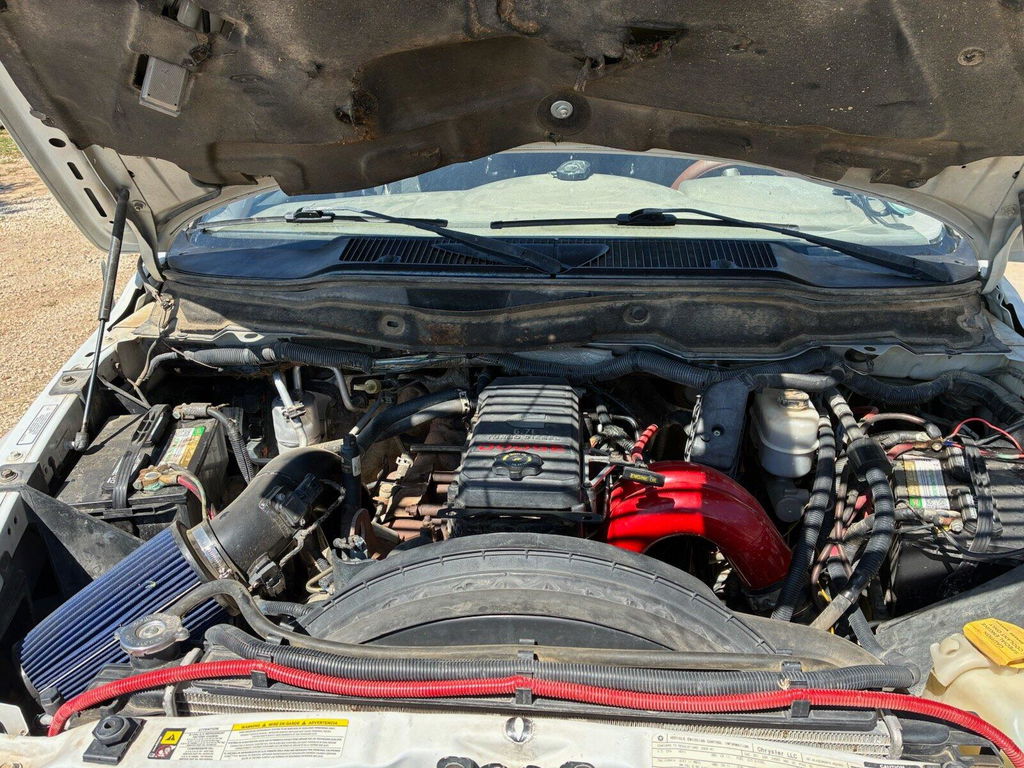
super easy and worth the money
took like 2 hours to do with all the right tools and has much better throttle response. would highly recommend!!
3.5" Intake Manifold with Heating Element for 2007-2024 Dodge Ram 2500/3500 6.7L Diesel | SPELAB
Haden Holaway
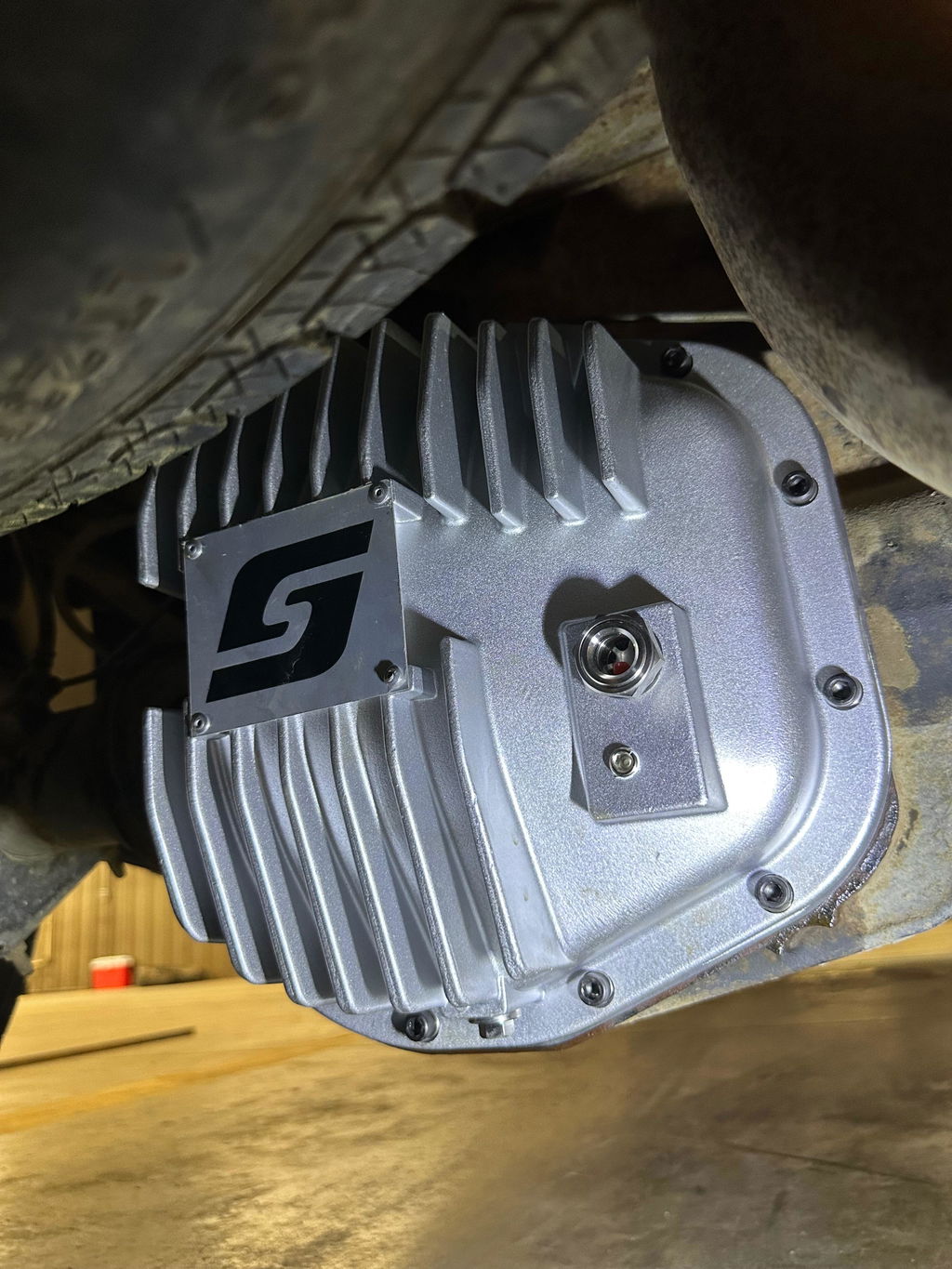
SPELAB 12 Bolt Differential Cover
Have had the differential cover on for almost a week now and have had zero issues. The cover looks very nice and I now having the drain & fill plugs and the sight glass will make fluid changes a lot easier. Only recommendation would be to swap from Allen head bolts to regular ones as they are a bit easier to torque but other than that love it. FYI for anyone wondering I torqued all my bolts to 22 ft/lbs and have had zero leaks, couldn't find an exact torque spec but this seems to suffice!
Differential Cover 10.25'/10.5' 12 Bolts for Ford 1986-2024 Ford F250 F350 | SPELAB
Gabe Potter
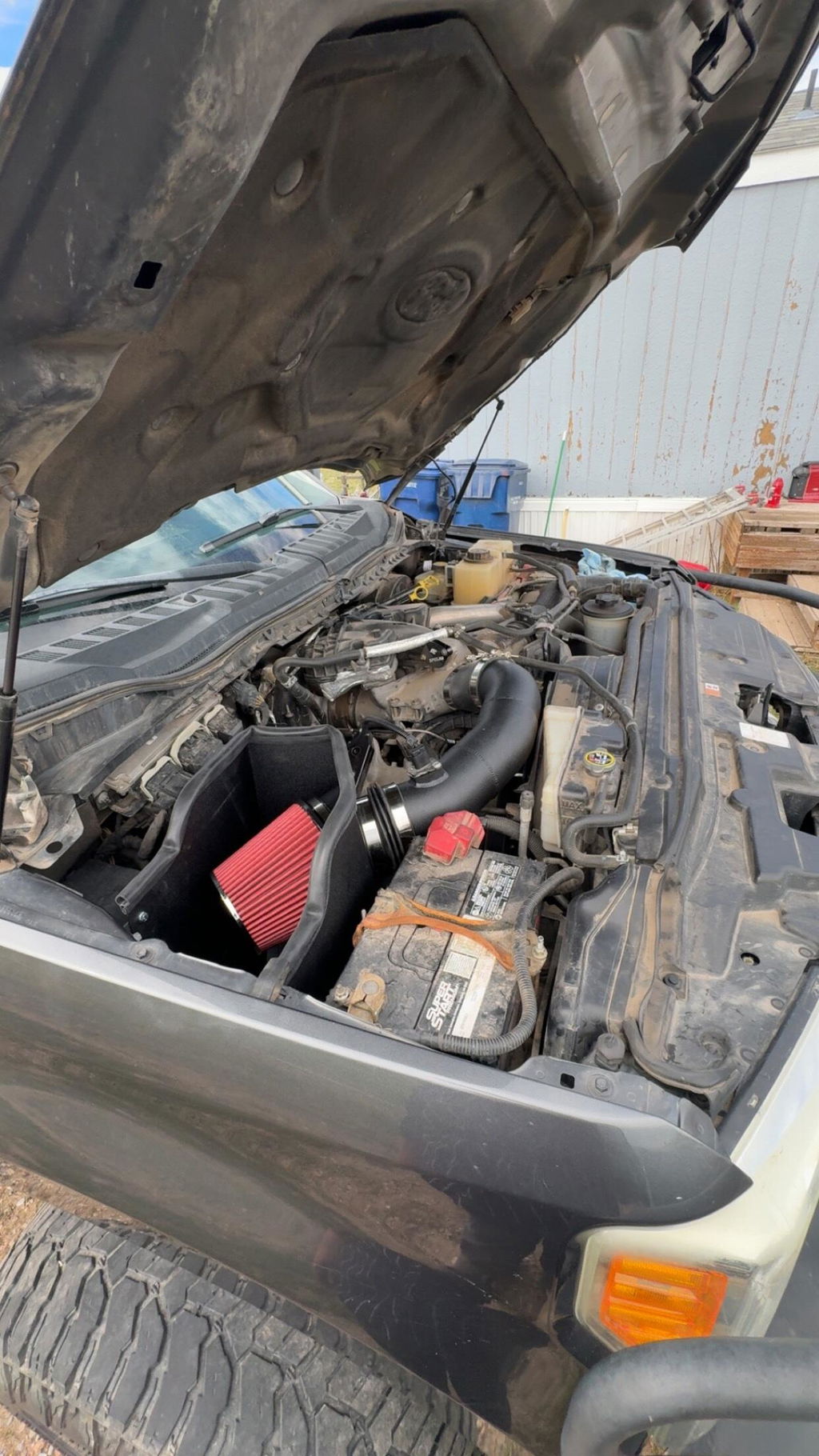
Great for the price
Great for the price and pretty simple install. Did have to modify one bracket but other than that it was a slick install and great product
Worry-Free Purchase
Jack
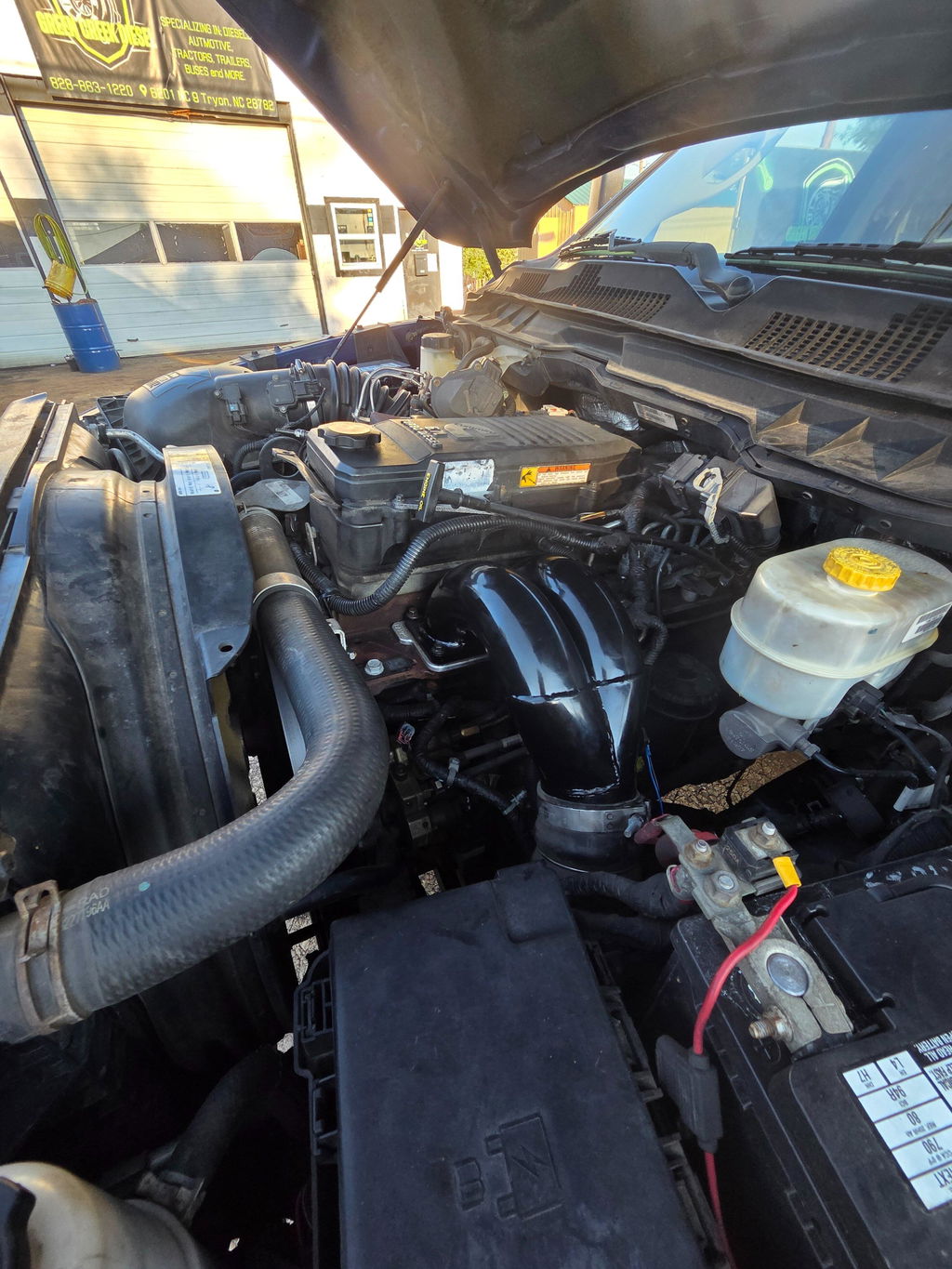
This Fits With Stock Fuel Line
I got burned with a Banks manifold when their #1 proprietary fuel line split on me. This manifold takes care of that! It was an easy swap out, and worked with the banks plate.
3.5" Intake Manifold with Heating Element for 2007-2024 Dodge Ram 2500/3500 6.7L Diesel | SPELAB
Bluecollarmechanical
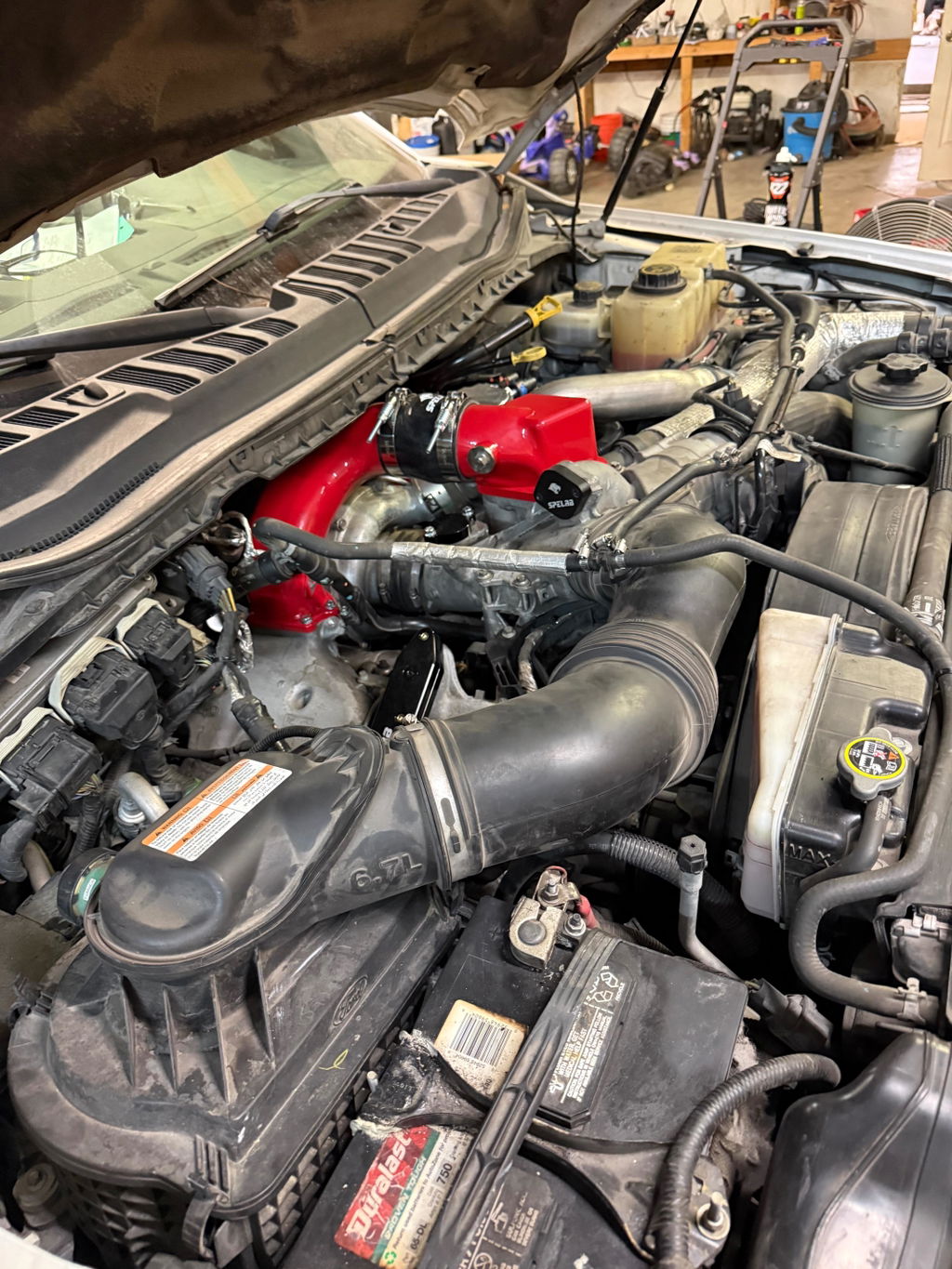
Great Product
Great Product. Quality seems really good too.
Intake Manifold for 2011–2019 Ford F250 F350 F450 F550 6.7L Powerstroke | SPELAB
Dezi Parnell
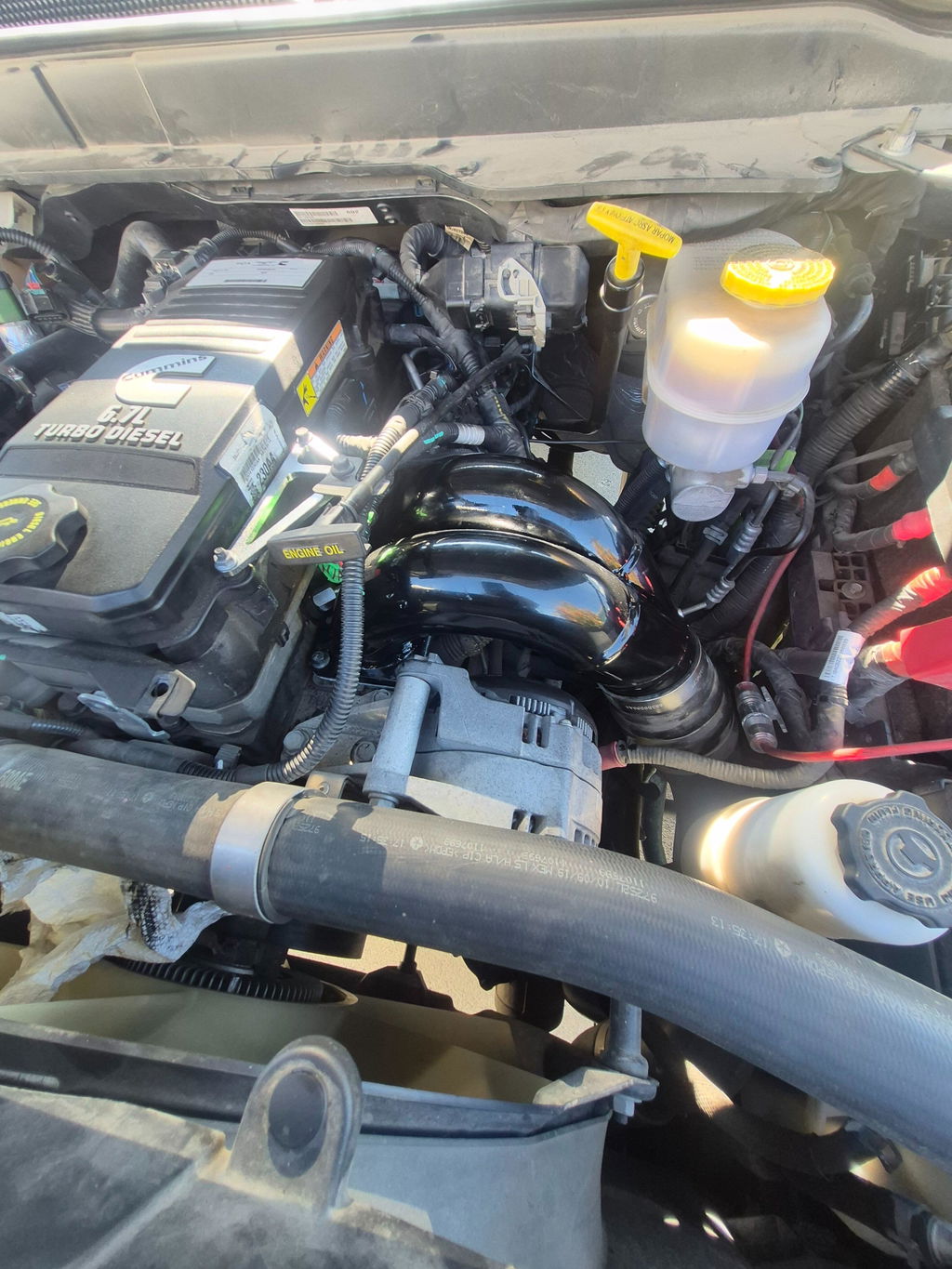
Pusher intake horn
Bought a intake manifold from spelab for my 3500 6.7 cummins, and it works perfect, shipping was fast all parts included. Great company to deal with, highly recommended.
3.5" Intake Manifold with Heating Element for 2007-2024 Dodge Ram 2500/3500 6.7L Diesel | SPELAB
Daulton Amick
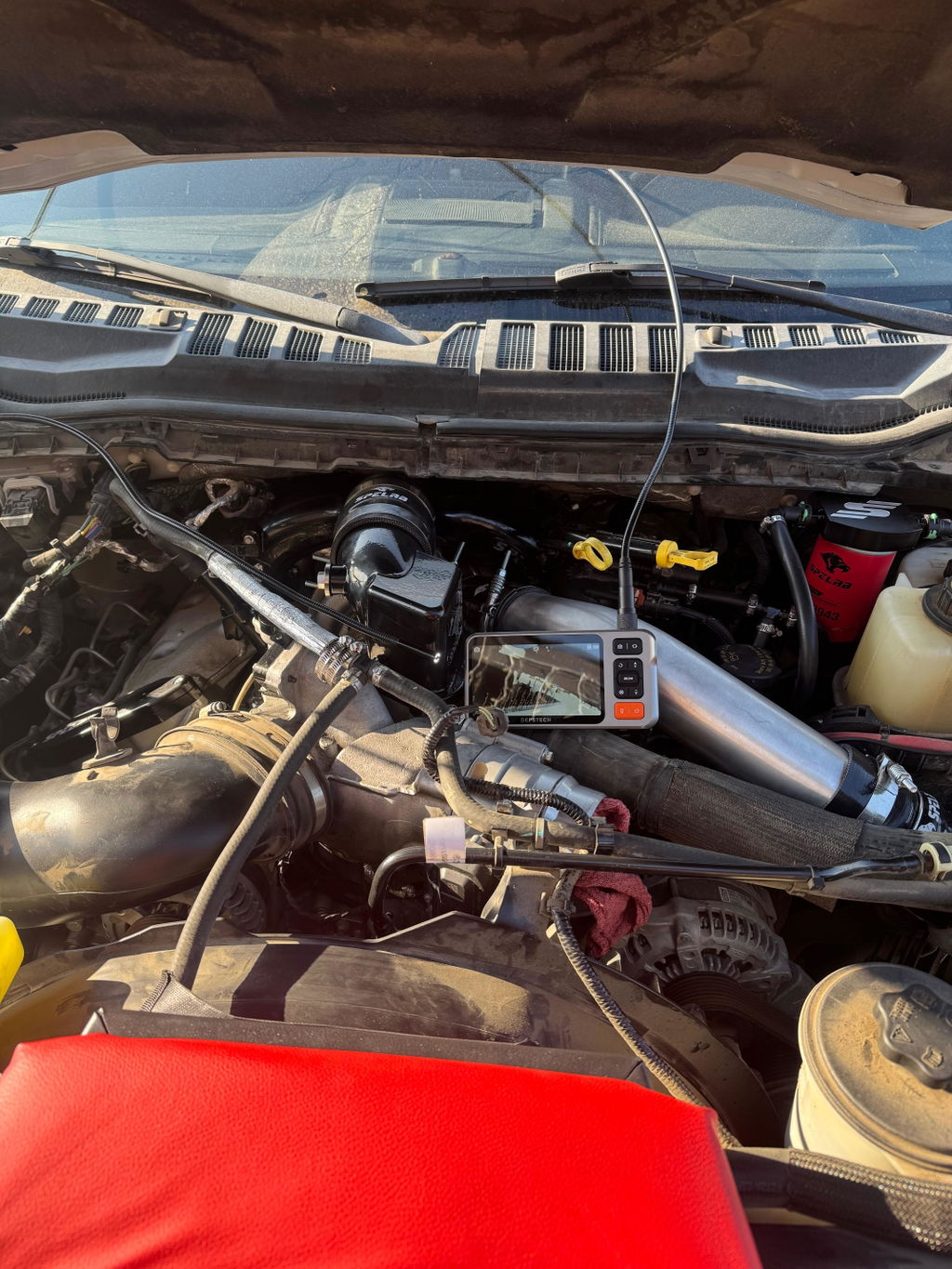
Good quality
Installation was easy
Intake Manifold for 2011–2019 Ford F250 F350 F450 F550 6.7L Powerstroke | SPELAB
Dalton Richards
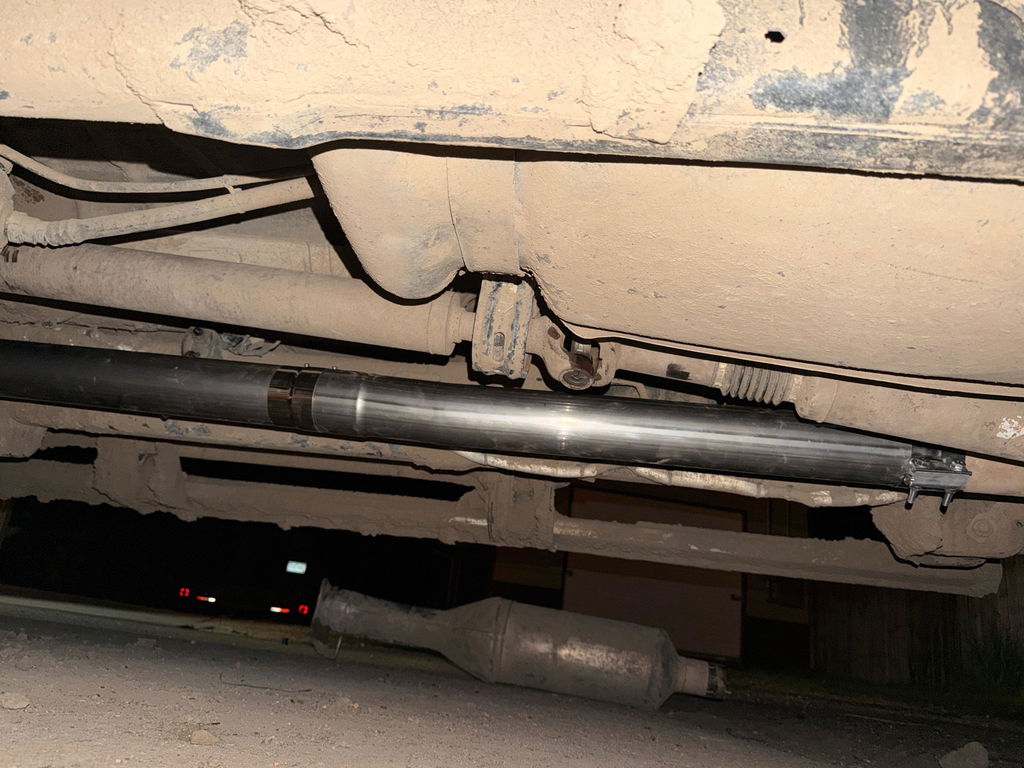
Absolutely perfect fit and easy to install!
Absolutely perfect fit! Super easy to install did move gasket from downpipe to DPF and reused but overall extremely pleased!
For 4''/5'' DPF Delete Race Pipe for 2013-2018 Dodge Ram 2500/3500 6.7 Diesel | SPELAB
Dallon
Does the job
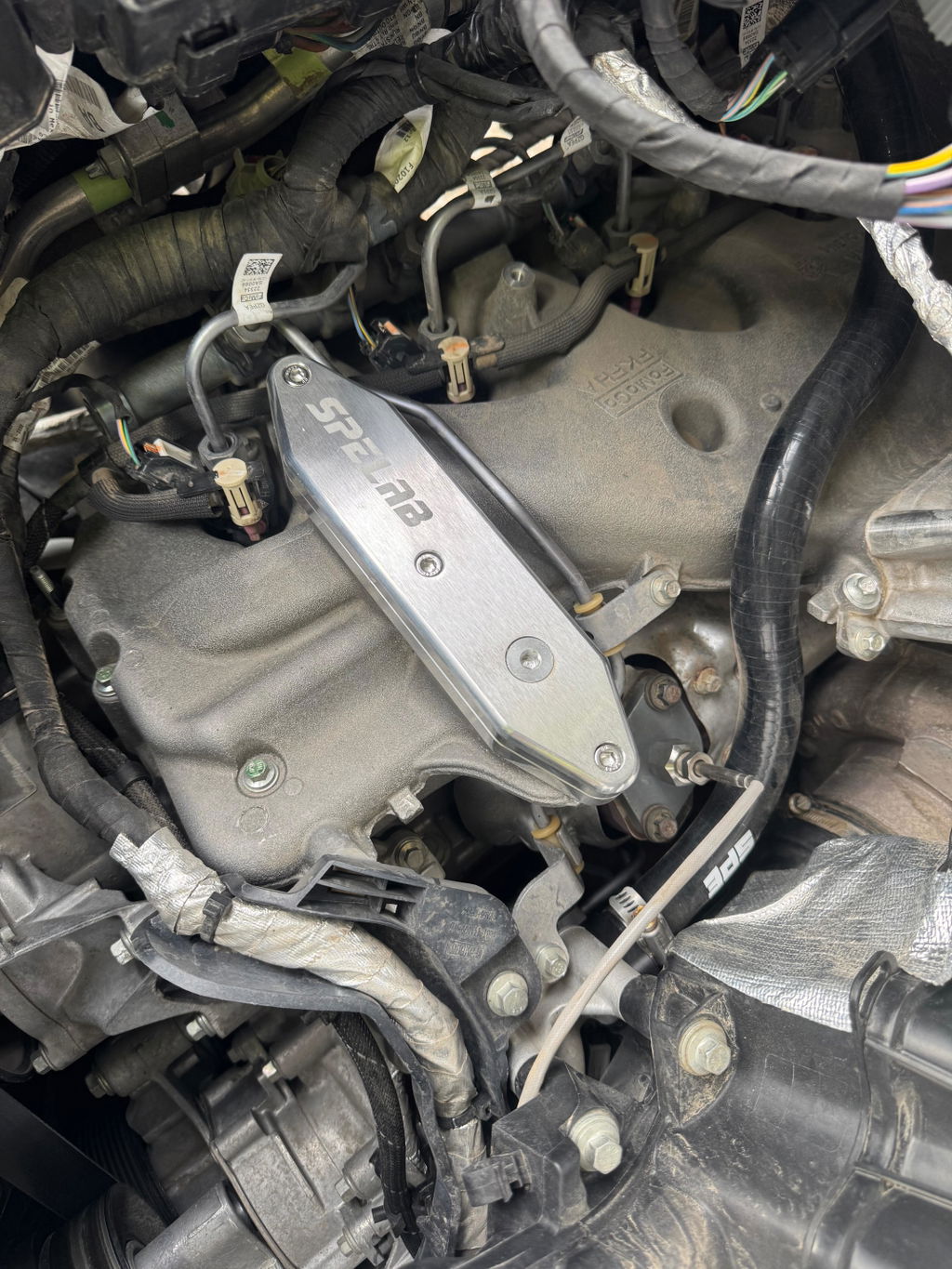
I bought the Chinese knock off because SPE Motorsports won’t sell it. As advertised. I’m sure it’ll do.
EGR Delete Kit For 2011-2025 Ford 6.7L Powerstroke Diesel F250 F350 F450 F550 | SPELAB
Anonymous
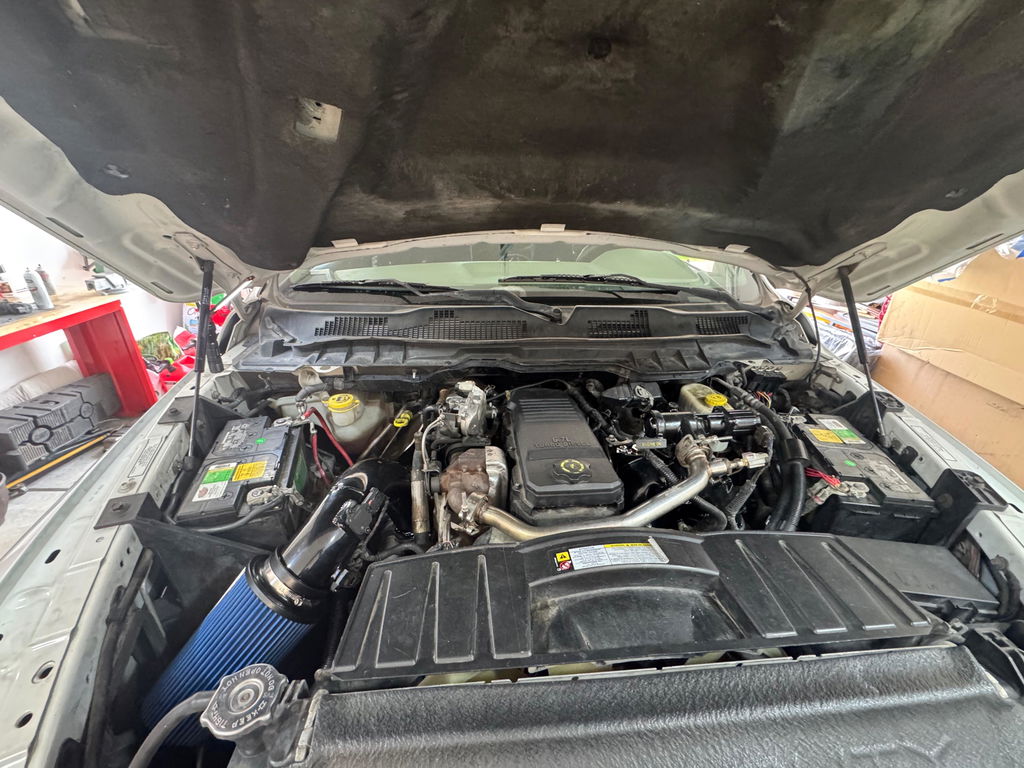
Purchased for my 2011 ram 2500 6
Purchased for my 2011 ram 2500 6.7 Cummins. Great product all the sensors holes lined up perfectly helped with acceleration a lot more responsive now on acceleration
SPELAB Cold Air Intake Kit For 2007.5-2012 Dodge Ram 6.7L Diesel Ram 2500 3500 4500 5500
Caleb
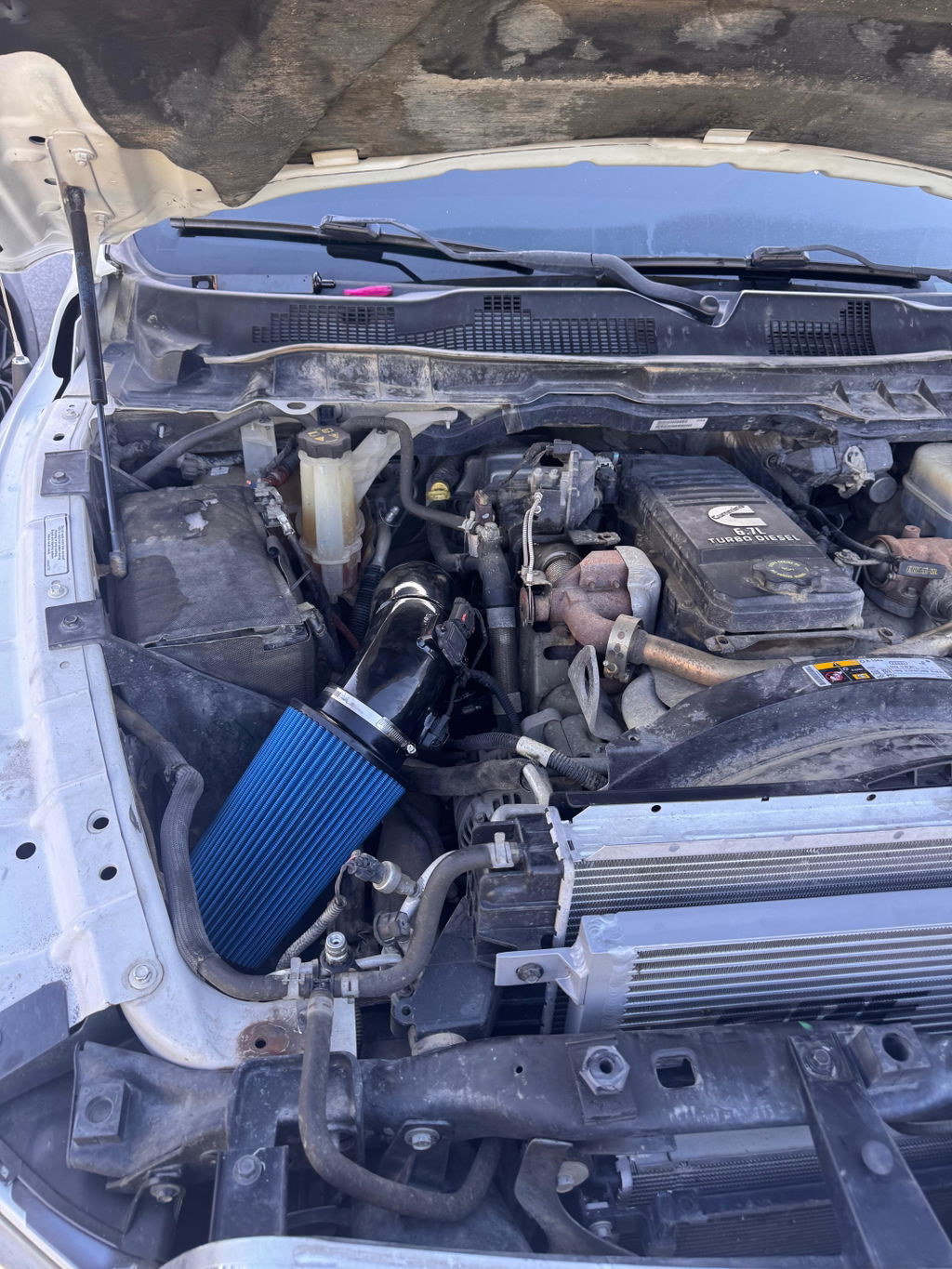
Installed on a 14 3500, seamless install
Installed on a 14 3500, seamless install maybe takes 10min. Definitely opens intake up. Noticeably more sound. Not sure any performance gains other than throttle response
SPELAB Cold Air Intake Kit For 2007.5-2012 Dodge Ram 6.7L Diesel Ram 2500 3500 4500 5500
Dennison Collard
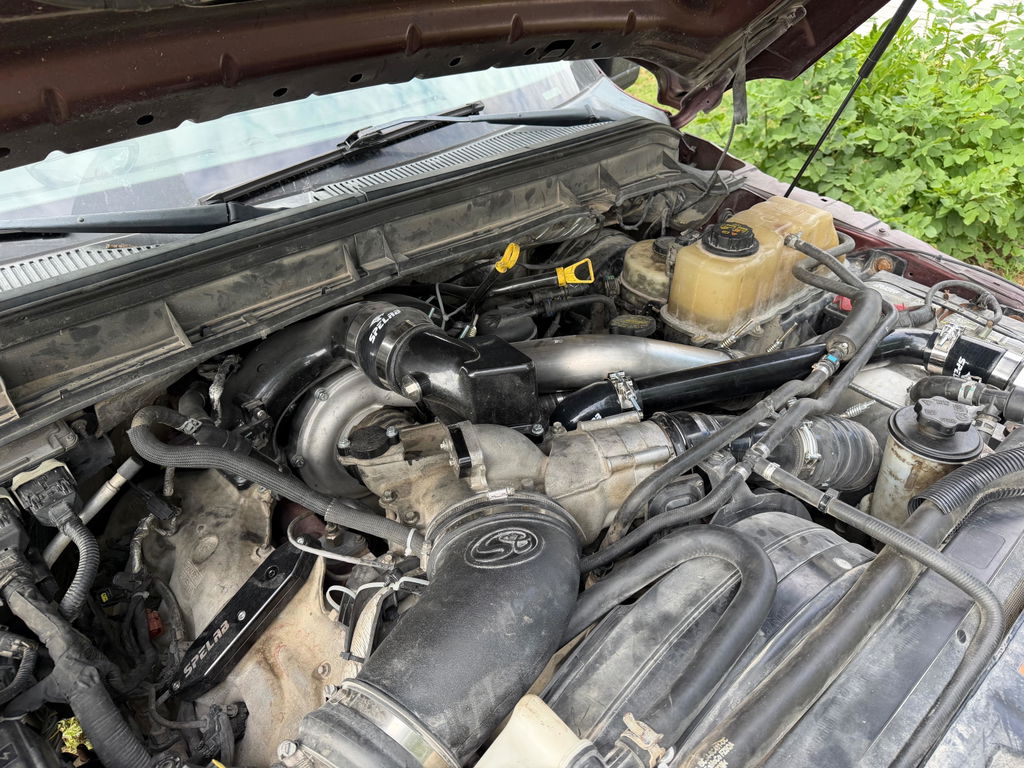
Full delete
I’ve purchased the EGR and CCV deletes as well as the upgraded intake manifold, upper radiator hose and thermostat block, and compressed air piping. Overall I am very satisfied with the quality and fit of all of the parts. Some of the instructions could use a little more detail, but if you are in any way mechanically inclined, you’ll be able to do these yourself no problem. I did have to make a very small modification to the aluminum quick connector on the upper radiator hose in order to get it to lock in place, but other than that everything has been great!
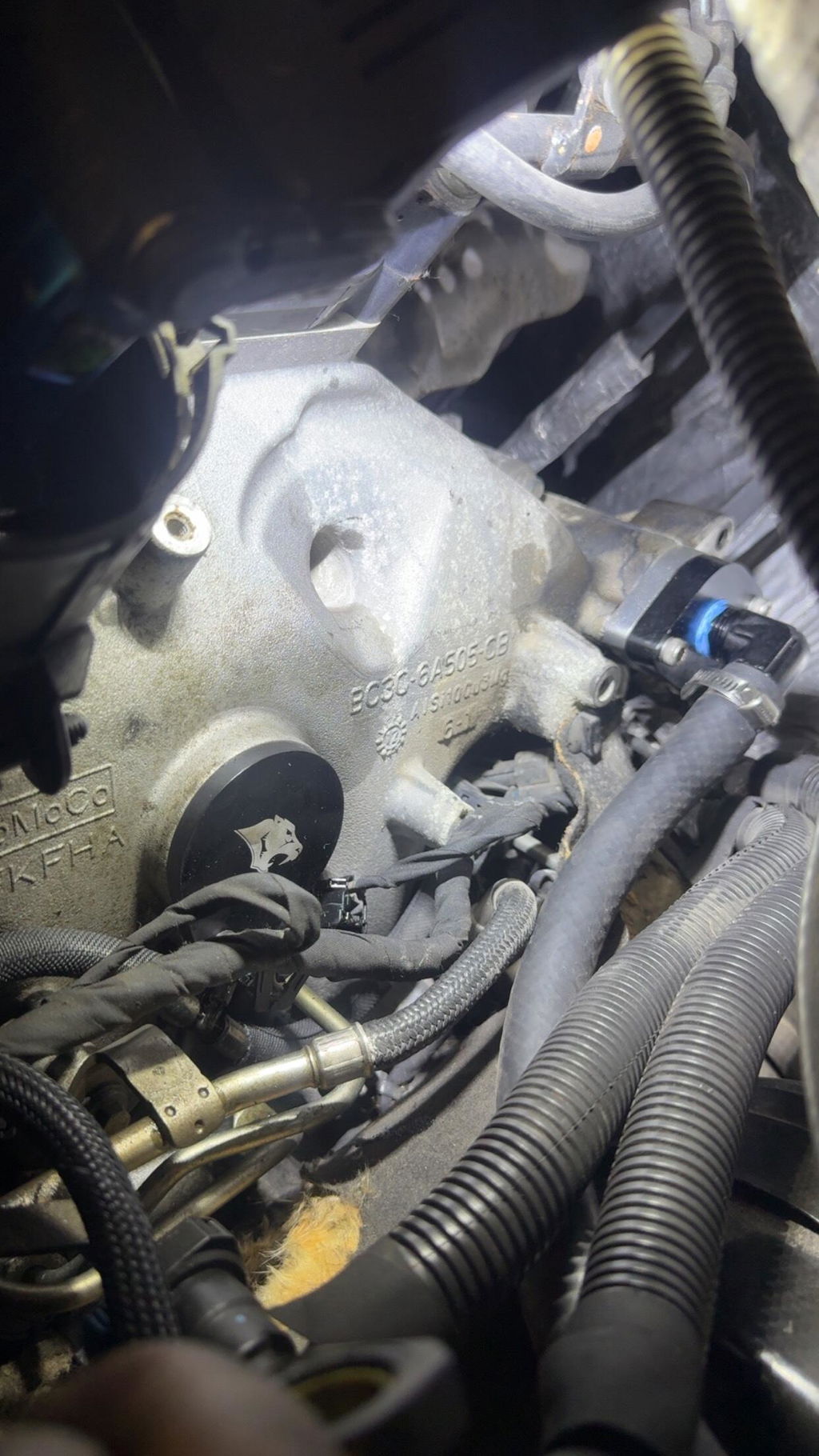
Intake Manifold for 2011–2019 Ford F250 F350 F450 F550 6.7L Powerstroke | SPELAB
Conner Burch
Works amazing and easy to install
Worry-Free Purchase
Joe Gerardi
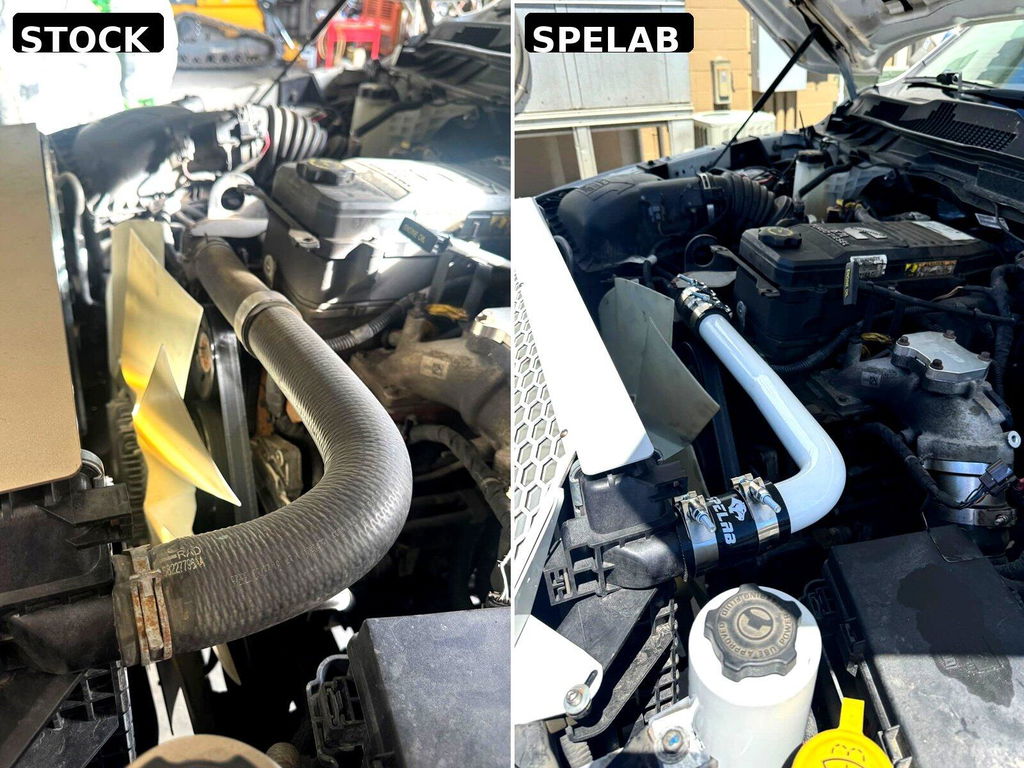
Love those pipes!
too good to not change them!
Upper Coolant Pipe for 2010-2024 6.7L Dodge Ram 2500HD/3500HD Radiator Pipe | SPELAB
Braeden Baluch
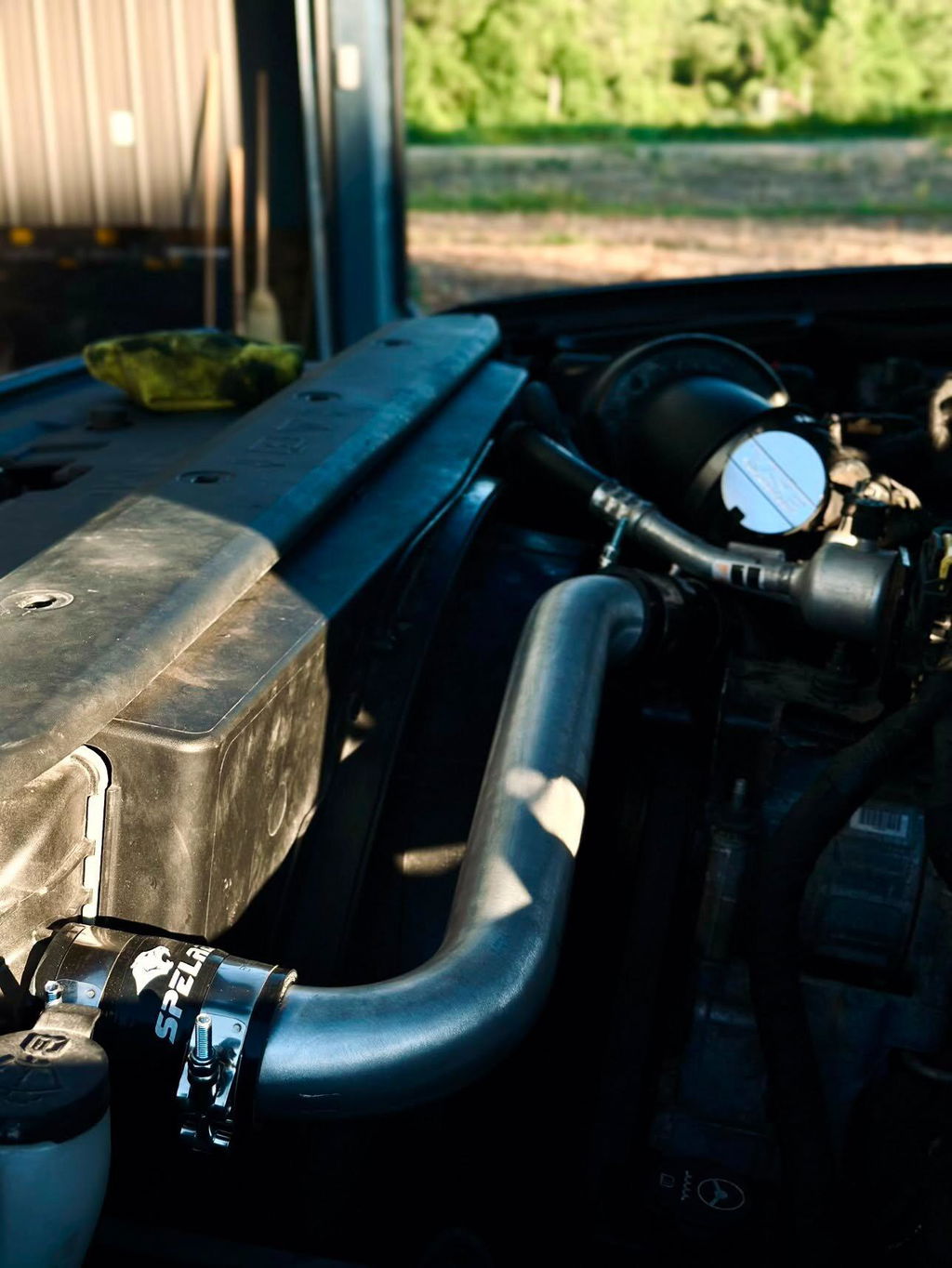
Pipes looking good!
Slowly piecing this thing back together for the freedom meet this weekend 🤟
Upper Coolant Tube for 2017-2025 L5P 6.6L Duramax Chevy/GMC 2500HD/3500HD Coolant Pipe Kit | SPELAB