Updated: May 19, 2026
An intercooler is a heat exchanger that cools compressed air before it enters the engine. On turbocharged and supercharged engines, the compressor increases boost pressure, but it also heats the air. Hot charge air is less dense, more knock-prone on gasoline engines, and harder on diesel engines under towing or high-load conditions. The intercooler removes heat from that compressed air so the engine receives a cooler, denser, more stable air charge.
Quick answer: An intercooler cools the hot compressed air coming from a turbocharger or supercharger before it reaches the intake manifold. Cooler intake air is denser, which helps the engine maintain more oxygen per cylinder, reduce intake air temperature, control exhaust gas temperature, resist heat soak, and support more consistent power under boost. It does not create horsepower by itself; it helps the engine keep power more safely and consistently when airflow, fueling, tuning, charge-air piping, and exhaust flow are working together.
This guide explains how intercoolers work, why turbo and diesel engines need them, how air-to-air and air-to-water intercoolers differ, how tube-and-fin compares with bar-and-plate, what boost leaks feel like, why intercooler boots blow off, and when an upgrade makes sense for Cummins, PowerStroke, Duramax, and other turbocharged platforms.
What Is an Intercooler?
An intercooler is a cooling device placed between the compressor outlet and the intake manifold. Its job is to remove heat from compressed charge air. On a turbo engine, air is compressed by the turbocharger before entering the engine. Compression raises air temperature. The intercooler reduces that temperature before the air reaches the cylinders.
For diesel trucks, the intercooler is especially important because the engine often works under long-duration load: towing, climbing grades, hauling, or running high boost for extended periods. A weak, undersized, leaking, or heat-soaked intercooler can lead to high intake air temperature, higher exhaust gas temperature, weaker throttle response, smoke, reduced boost consistency, and more stress on the turbocharger.
For platform-specific parts, start with an intercooler or a complete intercooler pipe kit.

Why Cooler Charge Air Matters
Engines make power by combining air and fuel. The more oxygen the engine can safely use, the more controlled combustion it can support. Cooler air is denser than hot air, which means a given volume of cooler air contains more oxygen molecules.
On a boosted engine, the intercooler helps by:
- Lowering intake air temperature: Cooler charge air improves density and reduces heat stress.
- Improving boost consistency: The engine is less likely to lose power from heat soak.
- Supporting safer tuning: Lower IAT gives the tune more stable air-density data.
- Reducing EGT under load: Better air density can help diesel combustion run cleaner and cooler.
- Reducing knock tendency: On gasoline engines, cooler air helps reduce detonation risk.
- Protecting parts: Lower thermal stress helps the turbo, pistons, valves, boots, clamps, gaskets, and charge pipes last longer.
The key word is “support.” An intercooler does not magically add power on every engine. It supports power by reducing the temperature penalty created by compression. The biggest real-world improvements usually appear on tuned trucks, towing trucks, high-boost engines, or vehicles suffering from heat soak or boost leaks.
How a Turbocharger Creates Heat
A turbocharger forces more air into the engine by compressing intake air. That compression is what creates boost. But compression also raises temperature. The more boost pressure you run, the more important charge-air cooling becomes.
In simple terms:
More Boost → More Compression Heat → Higher IAT → Greater Need for Intercooling
When hot compressed air enters the intake manifold directly, the engine may suffer from:
- Reduced oxygen density
- Slower throttle response
- Higher exhaust gas temperatures
- Increased risk of knock on gasoline engines
- More smoke and incomplete combustion on diesel engines
- Heat soak during repeated pulls or long uphill towing
- More stress on boots, clamps, gaskets, and the turbocharger
For diesel truck owners, the issue is often not one short acceleration pull. It is sustained load. A truck towing uphill for ten minutes can expose a weak intercooler system faster than a quick street pull ever will.
Intercooler Efficiency: The Practical Formula
A simple way to understand intercooler performance is to look at how much heat it removes from compressed air.
ηcooler = (Thot - Tout) / (Thot - Tambient)
Where:
- Thot = air temperature entering the intercooler from the turbo compressor
- Tout = air temperature leaving the intercooler toward the intake manifold
- Tambient = outside air temperature moving through the grille area
In real-world terms, a better intercooler lowers outlet temperature while maintaining acceptable pressure drop. A huge intercooler that cools well but restricts airflow can still hurt response. A tiny intercooler that flows well but heat-soaks quickly can also disappoint. The best setup balances cooling capacity, airflow, durability, and pressure drop.
For high-boost diesel trucks, this is where core mass and construction matter. A dense bar-and-plate intercooler can act like a stronger thermal sink during long towing pulls, helping prevent ηcooler from collapsing once the core gets heat-soaked.
Visual Guide: Hot Boost Air vs. Cooled Charge Air
[Turbo Output: Hot Compressed Air]
        ↓
[Aluminum Hot-Side Pipe]
        ↓
[Intercooler Core: Heat Dissipation]
        ↓
[Cool-Side Pipe: Lower IAT]
        ↓
[Intake Horn / Intake Manifold]
        ↓
[Denser Charge Air Into Cylinders]

Ambient grille airflow passes through the intercooler core and carries heat away.
The goal is not just colder air. The goal is colder air with stable flow. If the system has a cracked pipe, oil-softened boot, loose clamp, undersized core, or excessive pressure drop, the engine may still feel weak even if the intercooler looks upgraded.
Air-to-Air vs. Air-to-Water Intercoolers
Most trucks and street performance vehicles use one of two intercooler types: air-to-air or air-to-water.
Air-to-Air Intercooler
An air-to-air intercooler uses outside airflow to cool compressed charge air. As the truck moves, ambient air passes through the intercooler fins and removes heat from the internal charge-air passages.
Pros:
- Simple design
- Lower cost
- No coolant pump or water reservoir required
- Reliable for street, towing, and diesel truck use
- Common factory layout on many turbo trucks
Cons:
- Depends on vehicle speed and airflow through the front grille
- Can heat soak in slow-speed, high-load conditions
- Requires enough front-end space
Air-to-Water Intercooler
An air-to-water intercooler uses coolant or water to pull heat from charge air. The heated coolant then moves to a separate heat exchanger.
Pros:
- Very compact core packaging
- Excellent short-burst heat absorption
- Useful for drag racing or tight engine bays
- Can perform well at low vehicle speed if the system is sized correctly
Cons:
- More complex system
- Requires pump, reservoir, lines, and heat exchanger
- More weight and more failure points
- Can heat soak if the water circuit is undersized
For most diesel trucks, a well-sized air-to-air intercooler is the best balance of durability, cost, simplicity, and towing reliability. For a deeper comparison, read the cooling method comparison.
Tube-and-Fin vs. Bar-and-Plate Intercoolers
Beyond cooling medium, core construction matters. The two most common intercooler core styles are tube-and-fin and bar-and-plate.
| Core Type | Best For | Strengths | Trade-Offs |
|---|---|---|---|
| Tube-and-fin intercooler | Daily driving, lighter performance use, airflow-sensitive front ends | Lightweight, good external airflow, fast heat release | Less impact-resistant; can heat soak under prolonged heavy load |
| Bar-and-plate intercooler | High-boost diesel trucks, towing, off-road, sustained load | Durable, strong heat sink, handles higher boost and abuse | Heavier; dense core may reduce airflow to radiator if poorly matched |
For light-duty daily driving, a tube-and-fin core can be excellent. For a high-boost diesel truck that tows heavy loads uphill, a bar-and-plate core often provides better thermal stability. That is why many Cummins owners compare an all-aluminum tube-fin intercooler for 6.7 Cummins against a bar-and-plate intercooler for 6.7 Cummins before choosing.
Intercooler vs. Intercooler Pipe Kit: Which Upgrade Comes First?
Not every boost problem requires a full intercooler replacement. Sometimes the core is fine, but the factory plastic or rubber piping is the weak point. Many diesel trucks develop boost leaks from cracked charge pipes, blown boots, weak clamps, or oil-softened couplers.
| Symptom | Likely Area | Upgrade Direction |
|---|---|---|
| Whooshing noise under boost | Boot, clamp, or charge pipe leak | Inspect piping and couplers first |
| Oil residue around boots | CCV oil mist plus loose clamp or boot wear | Clean, inspect, and replace weak boots |
| High IAT after repeated pulls | Heat-soaked intercooler core | Consider full intercooler upgrade |
| Cracked plastic pipe | Factory charge pipe failure | Upgrade to aluminum pipe kit |
| Towing power fades uphill | Heat soak or undersized cooling system | Evaluate intercooler core, radiator airflow, piping, and tuning |
For Dodge Ram cooling upgrades, compare Cummins performance intercoolers and Cummins intercooler pipe kits. For planning the upgrade order, read the cooling upgrade decision path.
Shop Mechanical Warning: Boot Blow-Off Is Often Misdiagnosed as Intercooler Failure
One of the most common diesel-truck failures is not a cracked intercooler core. It is a boot blow-off.
On high-mileage 6.7 Cummins and PowerStroke trucks, the factory CCV/PCV system can send oil vapor through the intake tract. That oil mist coats the inside of the charge pipes, intercooler, and rubber boots. Over time, the boots can soften, swell, or lose grip on the flange. Add a tune, heavy towing, high intake temperature, and 30–35+ PSI of boost, and the boot can slide off or split under load.
The driver usually hears a loud “pop” from the engine bay, followed by sudden power loss, black smoke, underboost codes, and a truck that feels like it has no turbo. In many cases, the intercooler core is not the failed part—the weak link is the pipe, boot, clamp, or oily connection surface.
That is why an aluminum hard-pipe upgrade with stronger couplers and T-bolt clamps can be the more direct fix when the problem is repeated boost leakage. The intercooler core controls heat, but the intercooler pipe kit controls whether the boosted air actually reaches the intake manifold.
Common Signs of Intercooler Problems
A failing intercooler system does not always look like a broken core. Many problems start with the boots, clamps, pipes, or sensor data.
- Loss of boost: The truck feels flat under load.
- Whooshing or hissing sound: Pressurized air is escaping.
- Black smoke on diesel engines: Fuel is being added without enough clean air.
- High intake air temperature: The core may be heat-soaked, blocked, or undersized.
- Oil residue on boots: Oil mist may be weakening couplers and attracting dirt.
- Check engine light: Boost, MAF, MAP, or air temperature data may look unreasonable.
- Poor towing response: The truck may lose consistency during sustained load.
If symptoms look like sensor confusion rather than a physical leak, read about airflow sensor contamination and drivability symptoms.
Boost Leaks: The Intercooler Problem Most Owners Miss
A boost leak happens when compressed air escapes before it reaches the intake manifold. The turbo may still be working, but the engine is not receiving the airflow the ECU expects.
Common boost leak locations include:
- Intercooler end tanks
- Rubber boots and silicone couplers
- Loose or weak clamps
- Cracked plastic charge pipes
- Intercooler pipe welds
- MAP sensor ports
- Intake horn connections
For diesel trucks, a boost leak can create a chain reaction. Less clean air reaches the engine, combustion becomes dirtier, soot output rises, EGT can increase, and the DPF may work harder. This is why a small boost leak should not be ignored on a towing truck.
Oil Film Inside the Intercooler: Why It Hurts Heat Transfer
A light oil film in a diesel charge-air system is common, especially on engines that route crankcase ventilation back into the intake. But when the intercooler begins to collect heavy oil residue, that film can work like a thermal barrier. It reduces direct heat transfer between the hot charge air and the aluminum core, making the intercooler heat-soak faster under load.
Oil contamination can also soften boots, attract dirt, and create sticky sludge when mixed with EGR soot. Cleaning the intercooler may help, but if the oil source remains unchanged, the residue can return.
For trucks where crankcase oil vapor is the root of repeated intake contamination, a diesel oil catch can may help reduce oil mist entering the intake path. Legality and routing depend on the vehicle platform, installation method, and local inspection rules, so confirm your setup before changing factory ventilation routing.
Intercoolers and Exhaust Flow: Keep the Relationship in the Right Order
The intercooler handles the intake side by lowering charge-air temperature. The exhaust system handles the exit side by moving spent gases out efficiently. On some performance builds, improving both sides can help the engine breathe more consistently.
However, exhaust headers should not be treated as the main solution for a diesel intercooler issue. If the problem is high intake air temperature, boost leak, oil-softened boots, or charge-pipe failure, fix the intercooler system first. If the problem is exhaust restriction, heat management, or scavenging on a gasoline or naturally aspirated platform, exhaust design becomes more important.

Diesel Platform Notes: Cummins, PowerStroke and Duramax
6.7 Cummins
On 6.7 Cummins trucks, intercooler upgrades often make sense when the truck tows heavy, runs higher boost, suffers from heat soak, or has weak factory boots and charge pipes. Oil vapor from the CCV system can also soften boots and coat the inside of the charge-air system over time.
6.4 and 6.7 PowerStroke
PowerStroke trucks often place heavy demand on charge-air piping and boots under boost. If the truck has repeated pipe failures, oily boots, or a whooshing sound under acceleration, inspect the piping before assuming the core itself is bad. For 2008-2010 Ford trucks, compare an all-aluminum tube-fin intercooler for 2008-2010 Ford 6.4L PowerStroke.
Duramax
Duramax owners should evaluate the full charge-air path, not just the intercooler core. LML and newer trucks may also have intake bridge, cold-side pipe, boot, and sensor-related symptoms that feel like intercooler problems. For system diagnosis, read the charge-air system troubleshooting guide.
Product Fitment Examples
The original article included three useful product examples. Instead of using heavy product-card CSS, the cleaner version below keeps the products in a simple table that is easier for Shopify to render and easier for search engines to parse.
| Product | Image | Best Use Case | Link |
|---|---|---|---|
| All-Aluminum Tube-Fin Intercooler for 6.7 Cummins | 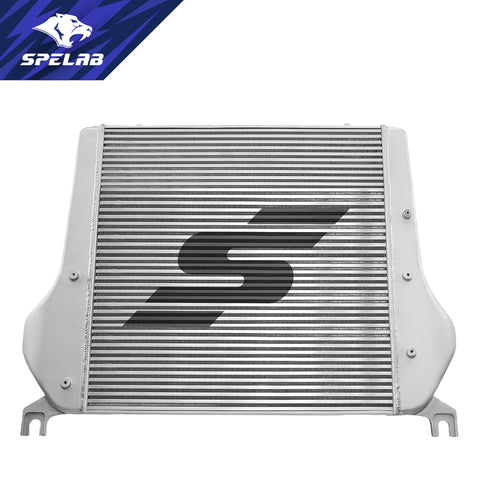 |
Lightweight cooling upgrade for Dodge Ram 2500/3500 applications | View tube-fin Cummins intercooler |
| Intercooler Bar-and-Plate for 6.7 Cummins | 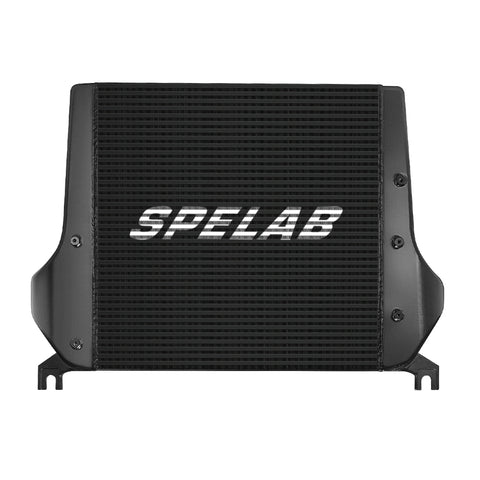 |
Heavy-duty cooling stability for higher boost and towing load | View bar-and-plate Cummins intercooler |
| All-Aluminum Tube-Fin Intercooler for 2008-2010 Ford 6.4L PowerStroke | 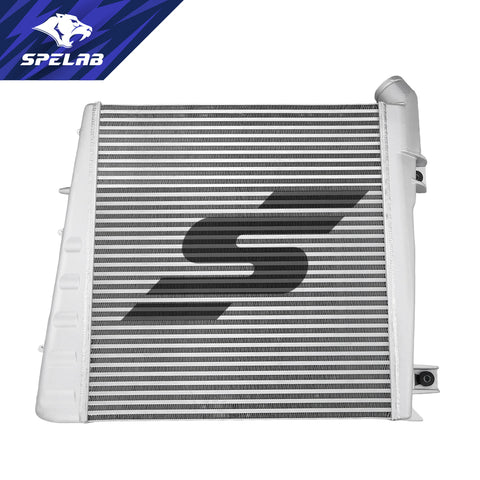 |
Cooling and durability upgrade for Ford Super Duty 6.4L applications | View 6.4L PowerStroke intercooler |
Intercooler Maintenance and Care
An intercooler is not usually a high-maintenance part, but it should not be ignored. Diesel trucks in particular can collect oil mist, dust, bugs, road debris, and boot residue over time.
Maintenance checklist:
- Inspect external fins: Remove debris that blocks airflow through the core.
- Check boots and clamps: Look for oil saturation, swelling, cracks, or loose clamps.
- Pressure test the system: A boost leak test is more reliable than guessing.
- Inspect end tanks: Look for cracks, separation, or seepage.
- Check for oil pooling: Some mist is normal, but puddles may point to turbo seal or CCV issues.
- Monitor IAT and EGT: Rising temperatures under similar load may indicate heat soak or airflow restriction.
- Clean carefully: Avoid crushing fins or forcing debris deeper into the core.
For hard-working diesel trucks, inspect the charge-air system at every major service interval, and check boots and clamps before towing season.
When Is an Intercooler Upgrade Worth It?
An upgraded intercooler is most worth considering when the current system is limiting consistency, reliability, or towing performance.
Good reasons to upgrade include:
- The factory intercooler has cracked plastic end tanks
- The truck loses power during long uphill towing
- IAT climbs quickly during repeated pulls
- Boost leaks keep returning at the boots or pipes
- The truck runs higher boost than stock
- The factory charge pipes are known to fail
- You are already upgrading turbo, intake, piping, or tuning
An intercooler upgrade may not feel dramatic on a stock daily driver with no heat-soak problem, no boost leak, and normal intake temperatures. The biggest benefits appear when the engine is actually asking the cooling system to do more work.
Final Verdict
An intercooler cools compressed air before it enters the engine. That cooler, denser air helps the engine maintain more stable combustion, lower intake temperatures, better boost consistency, and safer performance under load.
For turbo diesel trucks, the intercooler is not just a performance accessory. It is part of the engine’s thermal management system. A good intercooler helps control intake air temperature, reduce heat soak, support towing consistency, and protect the turbocharged air path from excessive stress.
The right upgrade depends on your platform, use case, boost level, towing load, and failure point. If your pipes and boots are failing, start with the charge-air piping. If your core heat-soaks under load, compare tube-and-fin and bar-and-plate intercoolers. If your sensors show airflow confusion, diagnose MAF, MAP, boost leaks, and oil contamination before replacing parts.
FAQ
Q:What exactly does an intercooler do for a turbocharged engine?
A:An intercooler cools compressed air from the turbocharger or supercharger before it enters the intake manifold. Cooler air is denser, helping the engine maintain more oxygen, more stable combustion, and better boost consistency.
Q:Does an intercooler add horsepower?
A:An intercooler does not create horsepower by itself. It supports power by lowering intake air temperature and reducing heat soak. Gains depend on boost level, tuning, engine condition, airflow, and how restricted or heat-soaked the original system was.
Q:Is an intercooler worth it for a diesel engine?
A:Yes, especially for turbo diesel trucks that tow, run higher boost, or suffer from heat soak. A good intercooler can help reduce intake air temperature, lower EGT, improve consistency, and reduce stress on charge-air components.
Q:Can I run a turbo diesel without an intercooler?
A:It may be physically possible on some setups, but it is not recommended for modern towing or performance use. Hot compressed air reduces density, increases thermal stress, and can hurt power, EGT control, and reliability.
Q:What is the difference between air-to-air and air-to-water intercoolers?
A:Air-to-air intercoolers use outside airflow to cool charge air and are common on trucks because they are simple and reliable. Air-to-water intercoolers use coolant to remove heat and can be compact and efficient, but they add pumps, lines, fluid, and complexity.
Q:Which is better: tube-and-fin or bar-and-plate?
A:Tube-and-fin is lighter and often better for daily driving and airflow through the front stack. Bar-and-plate is heavier but more durable and better at resisting heat soak under high boost or heavy towing.
Q:What are signs of a bad intercooler?
A:Common signs include boost loss, whooshing noises, black smoke on diesel engines, high intake air temperature, oil residue around boots, poor towing response, and check engine lights related to boost, MAF, MAP, or temperature data.
Q:Why do intercooler boots blow off?
A:Boots often blow off because of oil contamination, weak clamps, softened rubber, poor flange grip, high boost pressure, or poor installation. On diesel trucks, CCV oil mist can make the problem worse by coating the boot and pipe connection.
Q:How often should I maintain my intercooler?
A:Inspect the intercooler, boots, clamps, and charge pipes during major service intervals and before towing season. Clean debris from the fins and pressure test the system if you suspect a boost leak.
Q:Do naturally aspirated engines need intercoolers?
A:Usually no. Naturally aspirated engines do not compress intake air with a turbo or supercharger, so they do not create the same compression heat. A cold air intake or improved ducting may be more relevant for naturally aspirated setups.
Q:Should I upgrade the intercooler or the intercooler pipes first?
A:If you have cracked pipes, blown boots, or loose clamps, start with the pipe and boot system. If your core heat-soaks or cannot control intake air temperature under load, consider a full intercooler upgrade.

John Lee
Mechanical Engineer | 10+ Years Experience
John has spent the last decade engineering and testing high-performance automotive components. Specializing in drivetrain durability and thermal management across Powerstroke, Cummins, and Duramax applications, he bridges the gap between OEM limitations and aftermarket performance. His philosophy: "Factory parts are just a starting point."