
Updated July 13, 2026.
The most reliable diesel engine is not always the one with the biggest horsepower number. For a truck owner, reliability means cold starts without drama, steady towing temperatures, no mystery blow-by, clean service records, and a drivetrain that does not turn every road trip into a repair estimate.
If you are shopping for a used diesel truck, building a work rig, or deciding whether to keep an older pickup alive, the real question is simple: which engine gives you the best chance of towing, commuting, working, and staying out of the shop? That is where names like 5.9 Cummins, 7.3 Powerstroke, LBZ Duramax, 6.7 Cummins, and 6.7 Powerstroke all deserve a fair look.
Key takeaway: The 5.9 Cummins, 7.3 Powerstroke, and LBZ Duramax have earned their reputations because they are simpler, durable, and well understood. Newer engines like the 6.7 Cummins, 6.7 Powerstroke, and L5P Duramax can also be excellent, but emissions systems, fuel systems, cooling parts, tuning history, and previous owner maintenance matter more than the badge on the fender.

What Makes a Diesel Engine Reliable?
A reliable diesel engine is not just an engine that can make high mileage. It is an engine that survives its real job. A ranch truck that idles all winter, a hotshot truck pulling every week, and a highway commuter all punish parts differently.
| Reliability Factor | What Owners Should Check | Why It Matters |
|---|---|---|
| Cold start behavior | Long crank, white smoke, rough idle, weak batteries, grid heater or glow plug issues. | A hard-starting diesel can hide injector, compression, fuel, or intake heater problems. |
| Blow-by and crankcase pressure | Oil cap dance, heavy vapor, oil leaks, residue around breather or intake boots. | Excess blow-by can point to worn rings, poor ventilation, or high-mileage fatigue. |
| Cooling system health | Coolant smell, low coolant warnings, crusted fittings, fan clutch behavior, towing temps. | Many “bad engine” stories start as ignored cooling problems. |
| Fuel system condition | Injector balance, rail pressure, lift pump health, metal in fuel filter housing. | Modern high-pressure diesel fuel systems can turn one failure into a full system repair. |
| Oil quality and change history | Service records, oil type, change interval, fuel dilution, coolant contamination. | On some engines, oil quality directly affects injection and top-end life. |
| Transmission and frame condition | Shift flare, delayed engagement, fluid smell, gear ratio, fresh undercoating, frame rust. | A strong engine does not help if the transmission or frame is already tired. |
The Most Reliable Diesel Engines Worth Shortlisting
5.9 Cummins: The Simple Workhorse
The 5.9 Cummins earned its reputation because it is simple, durable, and easy for shops to understand. The inline-six layout leaves room to work, the aftermarket is huge, and many owners like how forgiving the platform feels compared with newer emissions-heavy engines.
That does not mean every 5.9 is automatically a good buy. A neglected truck with hot tunes, poor fuel filtration, weak cooling maintenance, high blow-by, and a tired transmission can still be a money pit. If the goal is long-term reliability, inspect the cooling system, fuel system, crankcase ventilation, and drivetrain before spending money on upgrades.
7.3 Powerstroke: Tough, but HEUI Oil Care Matters
The 7.3 Powerstroke is not the fastest diesel engine in modern traffic, but owners still respect it because it is tough, relatively simple, and known for long service life when maintained. For buyers who care more about dependability than speed, it remains one of the safest older Ford diesel choices.
Here is the old-truck truth: the 7.3L HEUI injection system depends heavily on engine oil. Oil is not just lubrication in this engine; high-pressure oil helps actuate the injectors. Cheap oil, long change intervals, neglected filters, or fuel dilution can make a good 7.3 feel weak, hard-starting, or injector-hungry. A clean 7.3 with records is valuable. A cheap one with twenty years of deferred maintenance is not a bargain.
LBZ Duramax: The Sweet-Spot Duramax
The LBZ Duramax is often treated as one of the best GM diesel combinations because it balances strong power, good drivability, and a reputation for fewer emissions headaches than later platforms. Many owners like the way an LBZ tows, starts, and drives without feeling as old-school as earlier diesel trucks.
Still, a good LBZ is usually not cheap anymore. Check injector health, coolant condition, transmission behavior, front-end wear, and signs of hard towing. If you are comparing GM platforms and supporting upgrades, the Duramax applicable products page is a better next step than guessing from engine name alone.
6.7 Cummins: Strong Torque, More Systems to Watch
The 6.7 Cummins can be a serious long-mileage engine, especially in trucks that have been serviced correctly and not abused with questionable tuning. It pulls hard, parts support is strong, and owners who tow appreciate the torque.
Its reliability depends heavily on how the truck was used. Watch for EGR and DPF history, turbo actuator issues, coolant leaks, intake restriction, CCV condition, grid heater bolt concerns, and transmission health. For owners building around this platform, Cummins diesel applicable products can be useful after the truck passes a real inspection.
6.7 Powerstroke: Powerful, Comfortable, and Fuel-System Sensitive
The 6.7 Powerstroke is one of the better modern Ford diesel engines, especially compared with the reputation problems of the 6.0L and 6.4L eras. It makes strong power, drives well, and works hard in Super Duty trucks.
The owner’s fear is not imaginary, though. Fuel contamination, CP4-related problems on certain years, cooling system concerns, turbo and emissions issues, and charge-air leaks can get expensive quickly. Before towing heavy with a used Ford, a pre-tow inspection checklist is more useful than trusting the seller’s “it runs great” comment.
The Used-Truck Traps That End Good Engines
Diesel forums are full of trucks that had “one of the good engines” and still became financial disasters. Usually, the engine family was not the problem. The problem was what happened to the truck before the new owner got the keys.
| Trap | What It Looks Like | Owner-Level Advice |
|---|---|---|
| Fresh black undercoating | Frame, axle, and crossmembers look newly painted, but bolts, seams, and brake lines look crusty. | Bring a flashlight and a small magnet. If the coating is suspiciously thick or the magnet will not stick where it should, walk away. |
| “It has a tune” with no documentation | Seller claims the truck is fast, “street tuned,” or “tow tuned,” but cannot show the tuner, file source, or service history. | Assume the truck has been worked hard. Price it like it may need engine, turbo, fuel, or transmission work. |
| Deleted or modified emissions hardware | Missing parts, unplugged sensors, unknown tuning, no original components included. | Confirm local road-use rules, inspection requirements, and whether the setup matches your intended use before buying. |
| Clean engine bay, dirty records | Everything looks pressure-washed, but the seller has no oil, fuel filter, coolant, or transmission records. | A shiny engine bay is not maintenance. Records matter more than tire shine. |
| Warm-start only showing | Seller has the truck running before you arrive. | Ask for a true cold start. A diesel that only behaves warm may be hiding injector, glow plug, grid heater, compression, or fuel issues. |
Old-owner rule: The easiest way to make a diesel feel fast is often the easiest way to make it unreliable. If the previous owner cannot explain the tune, cannot show records, and cannot provide the original parts, do not pay clean-stock-truck money for it.
Quick Ranking by Real-World Owner Priority
| Owner Priority | Best Shortlist | Why | Main Warning |
|---|---|---|---|
| Lowest complexity | 5.9 Cummins, 7.3 Powerstroke | Older, simpler, widely understood platforms. | Age, previous owners, oil leaks, worn transmissions, and rust. |
| Best used-truck balance | LBZ Duramax | Strong reputation, good drivability, fewer late-model emissions headaches. | Clean examples are expensive and still need careful inspection. |
| Modern towing comfort | 6.7 Powerstroke, L5P Duramax, 6.7 Cummins | More power, better cabins, stronger daily usability. | Emissions, fuel system, sensors, and repair costs. |
| Heavy Ram towing build | 6.7 Cummins | Strong torque and deep aftermarket support. | Transmission setup, cooling, EGR/DPF history, and crankcase ventilation. |
| Older Ford work truck | 7.3 Powerstroke | Durable and well known by diesel shops. | HEUI oil demands, injector age, wiring, up-pipes, and overall truck age. |

Most Reliable Diesel Trucks: Do Not Judge by Engine Alone
Truck reliability is engine plus transmission plus cooling plus emissions plus owner history. A clean engine in a worn-out chassis can still drain your wallet. A slightly less famous engine in a well-maintained truck may be the smarter buy.
| Truck Platform | Why Owners Like It | What to Inspect Before Buying |
|---|---|---|
| 1999-2003 Ford Super Duty 7.3 Powerstroke | Durable, simple by modern standards, strong owner community. | Oil quality records, HEUI-related symptoms, injector health, up-pipes, transmission, wiring, rust. |
| 2003-2007 Ram 5.9 Cummins | Strong inline-six, good support, respected long-mileage platform. | Transmission, lift pump, injectors, blow-by, front-end wear, and towing abuse. |
| 2006-2007 Chevrolet/GMC LBZ Duramax | Great balance of power, reliability, and drivability. | Allison service history, injector balance, coolant leaks, front suspension, rust. |
| 2011+ Ford 6.7 Powerstroke | Strong modern towing truck with comfortable daily driving. | Fuel system, coolant system, turbo, emissions history, charge-air boots, CP4 concerns. |
| 2013+ Ram 6.7 Cummins | Strong torque, broad aftermarket, excellent tow platform when maintained. | DPF/DEF/EGR history, CCV condition, grid heater issue, transmission, coolant leaks. |
| 2017+ L5P Duramax | Strong power, refined drivability, improved GM HD truck feel. | Emissions system, cooling, DEF faults, fuel system records, towing use. |
Engines With Great Reputations Can Still Be Bad Buys
This is where real truck ownership gets less romantic. A “legendary” diesel with bad maintenance is not legendary anymore. If the truck has cold-start smoke, high blow-by, hidden coolant loss, deleted emissions hardware without documentation, poor tuning, rusty frame rails, or a slipping transmission, the engine badge does not save it.
On a 6.7 Cummins, do not ignore the grid heater bolt failure check. On a 6.7 Powerstroke, learn the early CP4 warning signs. These are the kinds of checks that separate a smart buy from a driveway project.
Owner warning: If the seller says “it just needs a sensor,” slow down. A sensor code can be the cheap part of a larger problem involving fuel pressure, exhaust aftertreatment, boost leaks, wiring, or cooling system faults. Pull codes, check live data, inspect service records, and do not buy a diesel truck based only on idle sound.
Do an Oil Analysis Before You Start Modifying
After buying a used diesel, the first money should not go to shiny parts. Pull an oil sample and send it for oil analysis. A basic report can show wear metals, fuel dilution, coolant contamination, soot loading, and whether the engine is quietly eating itself before it becomes obvious.
Think of oil analysis as an X-ray for a used diesel engine. It will not tell you everything, but it can catch problems that a clean engine bay and smooth idle will never show. If coolant is showing up in the oil, if wear metals are elevated, or if fuel dilution is high, solve that before adding power or towing heavy.
Reliability Upgrades That Actually Match the Problem
Good reliability upgrades solve a known weak point. Bad upgrades are parts thrown at a truck because a forum thread made them sound exciting. Start with inspection, then choose the part that matches the failure pattern.
| Problem Pattern | Smart Upgrade Category | What It Can Help | What It Cannot Fix |
|---|---|---|---|
| Oily charge pipes or intake contamination | Cummins oil catch can or CCV service | Reduces oil vapor entering the intake path when routed correctly. | Worn rings, failed turbo seals, or heavy blow-by. |
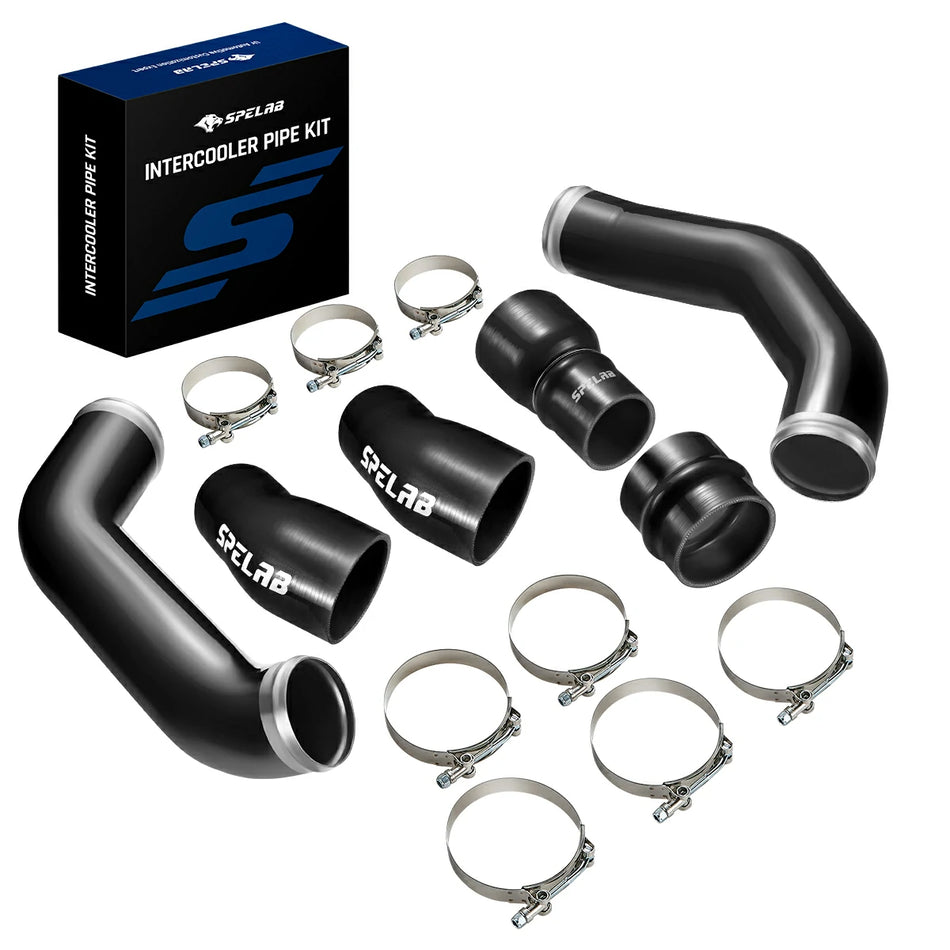
| Boost leaks under load | Powerstroke intercooler pipe kits | Improves pipe and boot durability on trucks with known charge-air weak points. | Turbo failure, bad sensors, or poor tuning. |
| Oil leaks or top-end service needs | diesel valve covers | Useful when replacing aging covers, gaskets, or CCV-related top-end parts. | Crankcase pressure problems that have not been diagnosed. |
| Platform-specific GM build planning | Duramax applicable products | Helps owners compare parts by engine family and vehicle use. | A neglected truck with unknown fuel or cooling history. |
Which Diesel Engine Should You Choose?
If you want the simplest older diesel ownership, look hard at a clean 5.9 Cummins or 7.3 Powerstroke. If you want one of the best-balanced used GM choices, the LBZ Duramax deserves its reputation. If you want modern towing comfort, the 6.7 Powerstroke, L5P Duramax, and 6.7 Cummins can all work well, but they demand better records and deeper inspection.
| Your Situation | Best Direction | Practical Advice |
|---|---|---|
| You want a lower-tech long-term work truck | 5.9 Cummins or 7.3 Powerstroke | Buy the cleanest truck you can afford. Do not chase the cheapest listing. |
| You want a strong older GM diesel | LBZ Duramax | Pay attention to transmission service, injector balance, and rust. |
| You tow heavy with a modern truck | 6.7 Cummins, 6.7 Powerstroke, L5P Duramax | Watch cooling, fuel, emissions, and charge-air data before adding power. |
| You are buying a modified truck | Proceed only with documentation | Ask who tuned it, what parts were changed, and whether the factory parts are included. |
| You want reliability before performance | Service first, upgrade second | Fluids, filters, belts, hoses, batteries, cooling parts, and codes come before power parts. |
FAQ
What is the most reliable diesel engine for a pickup truck?
For older pickups, the 5.9 Cummins, 7.3 Powerstroke, and LBZ Duramax are usually the safest short list. For modern trucks, the 6.7 Cummins, 6.7 Powerstroke, and L5P Duramax can be reliable if maintenance, fuel quality, cooling, and emissions systems are in good condition.
Is the 5.9 Cummins more reliable than the 6.7 Cummins?
The 5.9 Cummins is simpler and often easier to own long term. The 6.7 Cummins is stronger and more modern, but it has more emissions and electronic systems to maintain. The better buy depends on condition, records, and intended use.
Why do diesel owners respect the 7.3 Powerstroke?
The 7.3 Powerstroke is respected because it is durable, simple compared with newer diesels, and well supported. Its HEUI injection system depends on clean, quality oil, so oil maintenance is a major part of 7.3 reliability.
Why is the 6.0 or 6.4 Powerstroke not high on this list?
For experienced diesel mechanics, a sorted 6.0L or 6.4L Powerstroke can be built into a strong truck. For most owners who want low drama, commuting reliability, or work-truck uptime, these platforms carry higher repair risk and require deeper diesel knowledge. Newer buyers are usually better served by a clean 7.3L or a well-maintained 6.7L Powerstroke.
Should I buy a tuned diesel truck?
Only if the seller can document the tune source, supporting parts, maintenance history, and how the truck was used. If the seller only says “it is tuned and fast,” assume the truck has been worked hard and price the risk accordingly.
What should I do first after buying a used diesel?
Change fluids and filters, pull codes, inspect the frame, check cooling and fuel data, and send an oil sample for analysis. Do that before buying performance parts.
Before You Buy or Upgrade
The most reliable diesel truck is rarely the one with the loudest internet reputation. It is the one with the right engine, clean records, healthy fuel and cooling systems, stable towing temperatures, solid frame rails, and a drivetrain that matches the job. A clean 5.9 Cummins, 7.3 Powerstroke, or LBZ Duramax can still be a smart buy. A well-maintained 6.7 Cummins, 6.7 Powerstroke, or L5P Duramax can be an excellent modern work truck. But if the inspection looks ugly, walk away. Diesel repairs do not care how famous the engine is.

About the Author
John Lee
Mechanical Engineer | 10+ Years Experience
John has spent the last decade engineering and testing high-performance automotive components. Specializing in drivetrain durability and thermal management across Powerstroke, Cummins, and Duramax applications, he bridges the gap between OEM limitations and aftermarket performance. His philosophy: "Factory parts are just a starting point."





1 comment
Great overview of top reliable diesel engines and trucks — from Cummins and Power Stroke to Duramax, highlighting what makes these heavy-duty powerplants and platforms dependable choices for serious use. It’s useful for anyone looking to understand which diesel engines have proven longevity and how the right performance parts can support reliability in custom builds and upgrades.”