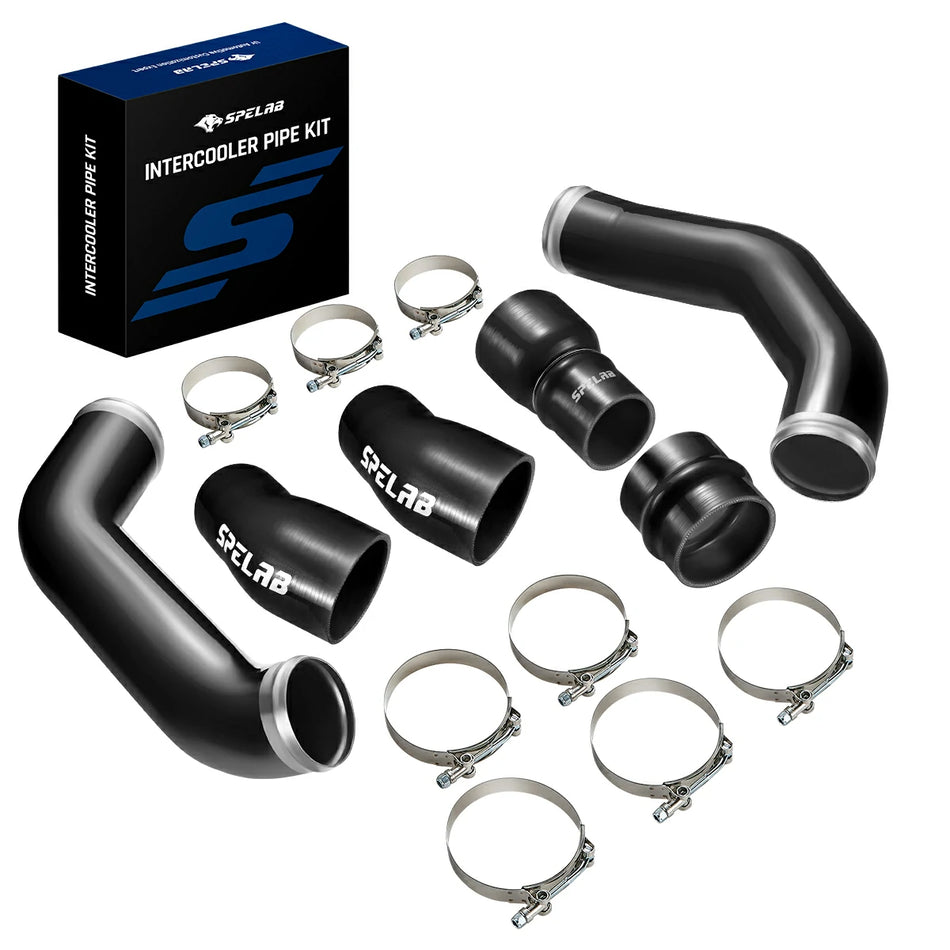
A deleted diesel may pass inspection in some places with limited diesel checks, but that does not make the truck legal, compliant, or low-risk for public-road use. If the inspection includes visual emissions equipment checks, OBD readiness, MIL/CEL function, emissions-related codes, smoke opacity, or registration-linked compliance, a deleted truck can fail. Passing once also does not erase federal tampering risk, resale problems, return-to-stock cost, or trouble when the truck moves to another state or county.
Key Takeaways
A deleted diesel inspection result depends on inspection type, emissions hardware, tune status, registration class, local rules, and whether the truck is used on public roads.
- Passing one inspection does not make a deleted diesel legal. A local inspection pass is not a federal compliance shield.
- No check engine light does not mean the truck is inspection-safe. OBD readiness, permanent codes, disabled monitors, and sensor communication can still expose problems.
- Visual checks can catch missing or altered hardware. A missing DPF canister, SCR/DEF system, EGR hardware, catalyst, or modified exhaust layout can raise a flag.
- Buying a deleted diesel can get expensive fast. Missing OEM parts, hacked wiring, tune history, registration failure, warranty issues, and return-to-stock labor can hit the wallet.
- The safe path for a street truck is compliant diagnosis and repair. Restore required emissions equipment, fix codes, and verify state and county rules through official sources.
Direct Answer: Can a Deleted Diesel Pass Inspection?
A deleted diesel can sometimes pass inspection where diesel checks are light, but it can fail anywhere that checks emissions hardware, OBD readiness, smoke, registration compliance, or emissions-related faults.
Truck owners usually ask this before registration renewal, after buying a tuned truck, or while shopping for a used 6.7 Powerstroke, 6.7 Cummins, or 6.6 Duramax. The blunt answer is this: “it passed last year” is not the same as “it is legal.” One station, one county, or one loose inspection does not protect the truck from future inspection changes, resale trouble, enforcement risk, or a return-to-stock bill.
We see this problem from the parts side all the time. A truck looks clean from ten feet away, but the underbody tells a different story: missing DPF canister, cut-and-welded exhaust, absent DEF tank, disabled EGR hardware, unplugged sensors, hacked wiring, or a tuner still sitting in the glove box. That setup may move down the road, but it may not survive a careful inspection, a dealer trade-in, or a move into an emissions county.
| Inspection Type | Pass Risk | Why It Matters | Safe Owner Takeaway |
|---|---|---|---|
| Safety-only inspection | May pass locally | Some safety checks may not inspect diesel aftertreatment closely | Local pass still does not prove federal emissions compliance |
| Visual emissions check | High fail risk | Missing DPF, SCR/DEF, EGR, catalyst, or sensors may be visible | Identify missing hardware and price legal restoration |
| OBD emissions check | High fail risk | Readiness, MIL/CEL behavior, permanent codes, or sensor communication may expose issues | Scan the truck before inspection or purchase |
| Smoke / opacity review | Medium to high risk | Visible smoke draws attention and may trigger further review | Fix fueling, boost, aftertreatment, or calibration issues legally |
| Registration-linked inspection | Depends on location and vehicle class | State, county, GVWR, private/commercial use, and model year can change requirements | Verify current official rules before renewal or purchase |
This Is Not a Guide to Trick Inspection
This article explains legal and practical risks; it does not explain how to hide, disable, fool, or defeat emissions inspection.
Do not use inspection talk as a workaround plan. Public-road diesel trucks are subject to federal, state, and local emissions rules. The EPA states that required emission controls often include exhaust filters and catalysts, plus calibrations that manage fueling strategy and engine operation. The same EPA page says the Clean Air Act prohibits tampering with emissions controls and manufacturing, selling, or installing aftermarket devices intended to defeat those controls.
EPA also reports that known sales of defeat devices for certain diesel trucks after 2009 and before 2020 resulted in more than 570,000 tons of excess NOx and 5,000 tons of excess particulate matter over the lifetime of those trucks. EPA finalized 172 civil enforcement cases from FY 2020 through FY 2023, with civil penalties totaling $55.5 million, under its aftermarket defeat-device initiative.
Reference: EPA National Enforcement and Compliance Initiative: Stopping Aftermarket Defeat Devices.
What Inspectors May Check on a Diesel Truck
A deleted diesel is at risk when an inspection looks at missing emissions hardware, OBD readiness, emissions-related codes, smoke, or registration-linked emissions compliance.

Inspection rules vary across the United States. Some places only do safety checks. Some counties care about emissions readiness. Some commercial or heavy-duty setups face a different process than a privately owned pickup. Risk climbs when the truck still has a public-road registration but no longer has the emissions equipment it was built and certified with.
| Inspection Item | What It Looks For | Deleted Diesel Risk | Owner-Safe Next Step |
|---|---|---|---|
| Visual emissions check | DPF canister, EGR components, SCR/DEF parts, catalyst, exhaust routing | Missing, altered, or disguised hardware can fail or trigger deeper review | Identify missing equipment and price legal restoration |
| OBD readiness | Monitor status, emissions system communication, readiness state | Disabled monitors or non-ready systems can flag the truck | Scan with a proper tool and compare against OEM service data |
| MIL / CEL function | Warning light operation and stored or permanent DTCs | Disabled or suspicious MIL behavior can create inspection trouble | Repair root causes instead of clearing codes and hoping |
| Smoke / opacity concern | Visible smoke, soot output, or heavy-duty opacity testing where used | Heavy visible smoke draws attention fast | Fix fueling, boost, EGR, aftertreatment, or tune-related issues legally |
| Registration-linked compliance | State or county requirements tied to renewal | Registration can be delayed or denied if emissions compliance fails | Verify current DMV, DOT, inspection, or environmental agency rules |
State and County Rule Checklist: What to Verify Before Inspection
Diesel inspection risk changes by state, county, GVWR, model year, registration class, and whether the truck is privately owned, commercial, or fleet-operated.
Do not treat state names as simple yes/no answers. A truck may face a safety-only check in one county and emissions-linked registration in another. A 3500 dually used for hotshot work may face more paperwork than a privately owned weekend tow rig. A cab chassis work truck can also land in a different bucket than a pickup with the same engine family.
| What to Verify | Why It Matters | Where to Check |
|---|---|---|
| Safety-only vs emissions inspection | A safety-only inspection may not look like an OBD or visual emissions check | State DMV, DOT, or official inspection program |
| County-based emissions rules | Emissions requirements can apply only in certain counties or metro areas | State inspection or environmental agency website |
| GVWR and registration class | 2500, 3500, cab chassis, commercial, and fleet vehicles may be treated differently | DMV registration rules and inspection program documents |
| OBD readiness requirements | Modern diesel monitors, MIL/CEL function, and permanent codes can matter | Official inspection manual or licensed inspection station |
| Visual emissions equipment rules | Missing DPF, SCR/DEF, EGR, catalyst, or sensors can create failure risk | Official inspection checklist or emissions program guidance |
| Private vs commercial use | Work trucks and registered business vehicles can face stricter review | DOT, DMV, fleet compliance, or business vehicle registration guidance |
5-Minute Buyer Check: How to Spot a Deleted Diesel Before You Buy
A five-minute check can reveal missing emissions hardware, unknown tuning, disabled warning lights, hacked wiring, or return-to-stock costs before the truck becomes your problem.

Bring a flashlight, your phone, and a scan tool if the seller allows it. This is not a full pre-purchase inspection, but it can keep you from buying a truck that needs thousands in emissions restoration before it can be registered or traded cleanly.
- Look under the truck for the DPF/SCR canister. A straight pipe, fresh clamps, odd welds, or missing canister under the passenger-side exhaust path can signal removed aftertreatment.
- Check whether the DEF tank is present on trucks that should have one. Missing DEF hardware, capped lines, or disconnected wiring can point to SCR/DEF removal.
- Turn the key on and watch the MIL/CEL bulb check. A light that never comes on during key-on can be a red flag, even if the dash looks clean after start-up.
- Scan for readiness, permanent codes, and sensor communication. No check engine light does not prove the monitors are ready or the tune is compliant.
- Ask for the original emissions parts. DPF, SCR/DEF parts, EGR hardware, NOx sensors, pressure sensors, brackets, hangers, and heat shields matter.
- Ask for the tuner, stock file, and service paperwork. Unknown tune history can make return-to-stock harder and more expensive.
- Look for cut wiring or hacked harness repairs. Clean hardware can still be a mess if the sensor wiring was butchered during the delete.
Why Passing Once Does Not Make a Deleted Diesel Safe
A deleted diesel that passed one inspection can still fail later, lose resale value, face registration trouble, or require expensive return-to-stock work.
Inspection is a snapshot. The rules, station, county, scan process, truck ownership, and use case can change. A private-sale truck that “passed fine for me” may become your problem when you move, renew plates, trade it in, or try to finance it through a dealer that will not touch deleted emissions equipment.
| Situation | Why Risk Changes | Practical Consequence |
|---|---|---|
| Moving to another state or county | Inspection rules and diesel requirements may change | Registration renewal can become a problem |
| Dealer trade-in | Dealers may avoid trucks with missing emissions equipment | Lower offer, refusal, or return-to-stock demand |
| Private resale | Buyers may ask for emissions parts, tune status, and inspection proof | Lower resale value or a smaller buyer pool |
| Commercial or fleet use | Business vehicles often face more paperwork and compliance review | Downtime, audit risk, and higher restoration cost |
| Insurance or accident review | Vehicle condition may be inspected more closely | Coverage, liability, or valuation disputes can get messier |
Return-to-Stock Cost Factors Most Buyers Miss
Return-to-stock is not just buying a DPF canister; it can involve missing emissions hardware, sensors, wiring, brackets, calibration, labor, and platform-specific fitment.

Deleted trucks often lose more than one part. A seller may include a pipe and tuner story but not the original DPF/DOC/SCR assembly, DEF tank, NOx sensors, EGT sensors, pressure lines, clamps, hangers, heat shields, tailpipe sections, or stock calibration file. That missing hardware is where the “cheap” truck starts bleeding money.
| Cost Factor | Why It Gets Expensive | What to Verify Before Buying |
|---|---|---|
| DPF / DOC / SCR assembly | Large exhaust aftertreatment parts vary by year, wheelbase, cab style, and OEM vs aftermarket availability | Original canister, catalyst sections, clamps, gaskets, heat shields, and hanger locations |
| DEF tank, pump, heater, and lines | Missing or damaged DEF hardware can keep SCR readiness and DEF codes unhappy | Tank, pump module, heater wiring, fluid lines, injector/doser, and mounting hardware |
| NOx, EGT, and pressure sensors | Incomplete sensors can affect OBD readiness, emissions DTCs, and monitor behavior | Sensor count, plug condition, harness integrity, and correct locations |
| Wiring, brackets, clamps, and hangers | Cut harnesses, missing brackets, and hacked exhaust mounting add labor fast | Look for splices, rubbed wires, missing hangers, welded patches, and loose sections |
| Stock calibration | Unknown tunes can complicate readiness, drivability, and legal restoration | Ask for stock file, tune history, tuner device, and service records |
| Labor and fitment | Cab chassis, long bed, short bed, dually, pickup, and commercial configurations can require different parts | Match the exact year, engine, GVWR class, wheelbase, and body style |
Buying a Deleted Diesel: Inspection, Resale, and Return-to-Stock Risks
A used deleted diesel can look like a bargain until missing emissions parts, tune status, registration rules, and return-to-stock cost hit the bill.
Private sellers love soft language. “Emissions fell off.” “Off-road tune.” “It passes where I live.” “No check engine light.” Those lines do not prove the truck is legal, complete, or easy to register. A missing DPF, missing DEF tank, cut exhaust, removed EGR hardware, deleted NOx sensors, unknown tune, or hacked harness can turn a cheap truck into a long weekend under the lift.
We look at fitment and hardware every day, and the expensive part is not always the pipe. The expensive part is finding every missing OEM piece, restoring sensor locations, matching harness plugs, loading compliant calibration, clearing real root-cause codes, and getting the truck ready for legal street use.
| Question | Why It Matters | Red Flag |
|---|---|---|
| Are the original emissions parts included? | Return-to-stock cost depends on missing DPF, SCR/DEF, EGR, sensors, and hardware | Seller says parts are gone or “not needed” |
| Is the truck tuned? | Calibration affects readiness, emissions codes, drivability, and repair path | No tuner, unknown tune, or disabled monitors |
| Does the MIL/CEL work normally? | A disabled warning light can hide emissions and engine problems | Light never comes on during key-on check |
| Can it be registered in your county? | Local rules can differ from the seller’s area | Seller only says “it passed for me” |
| Has it passed a legal inspection recently? | Recent inspection helps but does not prove long-term compliance | No paperwork, no station record, or vague answer |
| What would return-to-stock cost? | Restoration can require parts, labor, sensors, wiring, and calibration | No estimate, missing parts, or hacked wiring |
Common Truck Platforms Where Inspection Risk Comes Up
Inspection risk changes by platform because emissions hardware, sensor layout, DEF/SCR equipment, calibration complexity, and cab chassis fitment all vary by year and engine family.
A 6.7 Powerstroke, 6.7 Cummins, and 6.6 Duramax do not all fail the same way. Late-model trucks often carry more aftertreatment logic, more sensors, and more calibration checks. Older trucks may have simpler layouts but can still face visual inspection, smoke, or registration problems when emissions parts are missing.
| Platform | Common Emissions Systems Involved | Platform-Specific Risk | Safe Owner Action |
|---|---|---|---|
| 6.7 Powerstroke | DPF, EGR, SCR/DEF, NOx sensors depending on year | SCR/DEF and NOx readiness issues can still matter even when the dash has no warning light | Verify emissions equipment, readiness, sensor communication, and calibration against exact model year |
| 6.7 Cummins | DPF, EGR, SCR/DEF on later trucks, pressure and temperature sensors | Pickup vs cab chassis exhaust fitment and required equipment can differ | Check pickup vs cab chassis configuration, wheelbase, GVWR class, and required hardware |
| 6.6 Duramax LML | DPF, EGR, DEF/SCR, NOx sensors | DEF/SCR and NOx sensor problems can drive readiness and inspection issues | Check NOx sensors, DEF system status, missing hardware, and restoration cost before purchase |
| 6.6 Duramax L5P | DPF, EGR, SCR/DEF, NOx sensors, late-model calibration logic | Tune history, ECM/calibration complexity, and sensor communication can make restoration harder | Verify ECM history, emissions readiness, stock calibration path, and legal repair plan |
| 6.4 Powerstroke | DPF, EGR, DOC, pressure and temperature sensors | Older hardware may still raise visual, smoke, and DPF-related code risk | Inspect physical exhaust layout, EGR hardware, smoke behavior, and scan data before buying |
If Your Deleted Diesel Needs Inspection Soon, What Should You Do?
If a deleted diesel needs inspection soon, verify the rules, identify missing parts, scan the truck, and talk to a qualified diesel emissions repair shop before spending money.
- Check official rules first. Use your state DMV, DOT, inspection program, or environmental agency website, not a forum rumor or a buddy’s station story.
- Identify what is missing or disabled. Look for DPF, EGR, SCR/DEF, NOx sensors, pressure sensors, exhaust routing, wiring, and tune status.
- Scan the truck correctly. Check emissions-related DTCs, readiness status, MIL function, permanent codes, and sensor communication.
- Document the current setup. Take photos, list missing parts, and keep service records before calling shops.
- Price legal restoration or compliant repair. Ask about OEM-style parts, calibration, labor, sensor replacement, and inspection readiness.
- Check related systems while the truck is being restored. Boost leaks, coolant leaks, crankcase ventilation problems, and hacked wiring can keep emissions monitors unhappy even after missing hardware goes back on.
- Avoid “guaranteed pass” promises. A shop or seller promising a shortcut can leave you holding the registration problem.
What Not to Do Before Inspection
Do not try to hide the problem, disable warning lights, install inspection tricks, or rely on a story that the truck “passes every year.”
| Bad Advice | Why It Creates Risk | Safer Path |
|---|---|---|
| “Just clear the codes before inspection.” | Readiness monitors and permanent codes may still expose the problem | Diagnose and repair the emissions-related fault |
| “No check engine light means it is fine.” | MIL/CEL status alone does not prove readiness, calibration, or sensor communication is correct | Scan readiness, permanent codes, and emissions monitors before trusting the dash |
| “Nobody checks diesel trucks here.” | Rules, counties, stations, and resale situations can change | Check official current rules and keep compliant records |
| “Keep it stock-looking and hope nobody checks closely.” | Trying to disguise missing or altered emissions hardware can still create inspection, registration, resale, and legal risk | Restore required emissions equipment and verify the truck through compliant repair channels |
| “Buy it deleted; it saves money.” | Missing parts and restoration can cost more than the discount | Estimate return-to-stock cost before purchase |
| “It passed once, so it is legal.” | One inspection pass does not remove tampering or future inspection risk | Treat legality, registration, and resale as separate checks |
Legal Repair Paths for Street-Driven Diesel Trucks
A street-driven diesel should be repaired through compliant diagnosis, emissions system restoration, DPF service, DEF/SCR repair, EGR repair, sensor repair, or OEM-style replacement.
Good repair work starts with the failure, not the rumor. A truck with frequent regen may need DPF cleaning, pressure sensor repair, thermostat work, boost leak repair, or EGT diagnosis. A truck missing a DPF can need full restoration. A truck with DEF quality codes may need SCR/DEF system work, not another exhaust shortcut.
During a return-to-stock repair, check the systems around the emissions hardware too. Boost leaks, coolant leaks, crankcase ventilation problems, worn clamps, cut brackets, missing hangers, and hacked wiring can keep readiness monitors unhappy after the major exhaust parts are restored. A clean repair is the whole system working together, not just a canister bolted under the bed.
| Problem Found | Legal Repair Path | Why It Matters for Inspection |
|---|---|---|
| Missing DPF or catalyst hardware | Restore required exhaust aftertreatment hardware | Visual inspection and compliance depend on required equipment being present |
| Disabled EGR system | Repair or restore EGR valve, cooler, plumbing, wiring, and calibration | EGR-related faults can trigger codes and emissions failure |
| DEF/SCR or NOx sensor faults | Diagnose DEF quality, dosing, heaters, NOx sensors, and SCR function | Modern diesel inspections may care about readiness and emissions DTCs |
| Frequent regen or DPF restriction | Check pressure data, clean serviceable DPF, or replace failed filter | A clean and functional system is easier to keep inspection-ready |
| Unknown tune or disabled monitors | Restore compliant calibration and verify readiness behavior | OBD inspection can expose missing or disabled emissions logic |
| Boost, coolant, CCV, or wiring problems after restoration | Repair related leaks, harness damage, brackets, clamps, and sensor connections | Supporting system faults can keep monitors unhappy even after major hardware is back on |
Use our DPF cleaning vs replacement cost guide when the truck still has its emissions system but needs a repair decision. Use our DPF system guide when you need to identify what the hardware does before talking to a shop.
FAQ
Most deleted diesel inspection questions come down to local testing rules, missing equipment, OBD readiness, registration risk, and whether the truck is used on public roads.
Q: Can a deleted diesel pass inspection?
A: It may pass in some places with limited diesel checks, but it is not safe to treat a deleted truck as legal or low-risk. Visual checks, OBD readiness, registration rules, resale, and federal tampering risk can still create problems.
Q: Can a DPF-deleted truck pass emissions testing?
A: If the test checks emissions equipment, readiness monitors, MIL function, smoke opacity, or emissions-related codes, a DPF-deleted truck can fail. Requirements vary by state, county, GVWR, model year, and inspection type.
Q: Can a deleted diesel pass inspection with no check engine light?
A: No check engine light does not prove the truck is inspection-ready. OBD readiness, permanent codes, disabled monitors, sensor communication, and calibration history can still create inspection or registration problems.
Q: How can I tell if a diesel truck has been deleted?
A: Look for missing DPF/SCR canisters, missing DEF hardware, cut exhaust sections, unplugged sensors, hacked wiring, unknown tune devices, abnormal MIL/CEL behavior, and non-ready emissions monitors.
Q: Should I buy a deleted diesel truck?
A: Only after checking local registration rules, missing emissions parts, tune status, MIL/readiness behavior, return-to-stock cost, and resale risk. Many buyers underestimate the cost of legal restoration.
Q: How much does it cost to return a deleted diesel to stock?
A: Cost depends on missing DPF/DOC/SCR parts, DEF hardware, NOx/EGT/pressure sensors, wiring damage, brackets, hangers, calibration, labor, model year, and platform fitment. Price the full parts list before buying.
Q: Does passing inspection once mean my deleted truck is legal?
A: No. One inspection result does not remove federal tampering risk, future inspection risk, resale problems, or registration issues after moving to another state or county.
Final Recommendation: Do Not Gamble a Street Truck on One Inspection
A deleted diesel is not something to gamble with if inspection, registration, resale, fleet use, or public-road legality matters.
Check the rules before the truck is on the lift. Verify the hardware before you buy. Scan the tune status before you trust the seller. Price return-to-stock before you call a deleted truck “cheap.” A strong-running diesel that cannot be registered, traded, financed, or legally driven is not a bargain. It is a project with paperwork attached.
Use compliant diagnosis, legal repair, emissions system restoration, and official state or federal sources when the truck is meant for public-road use. A deleted setup may be a separate non-public-road discussion, but it should never be sold to yourself as a clean inspection plan.

About the Author
John Lee
Mechanical Engineer | 10+ Years Experience
John has spent the last decade engineering and testing high-performance automotive components. Specializing in drivetrain durability and thermal management across Powerstroke, Cummins, and Duramax applications, he bridges the gap between OEM limitations and aftermarket performance. His philosophy: "Factory parts are just a starting point."