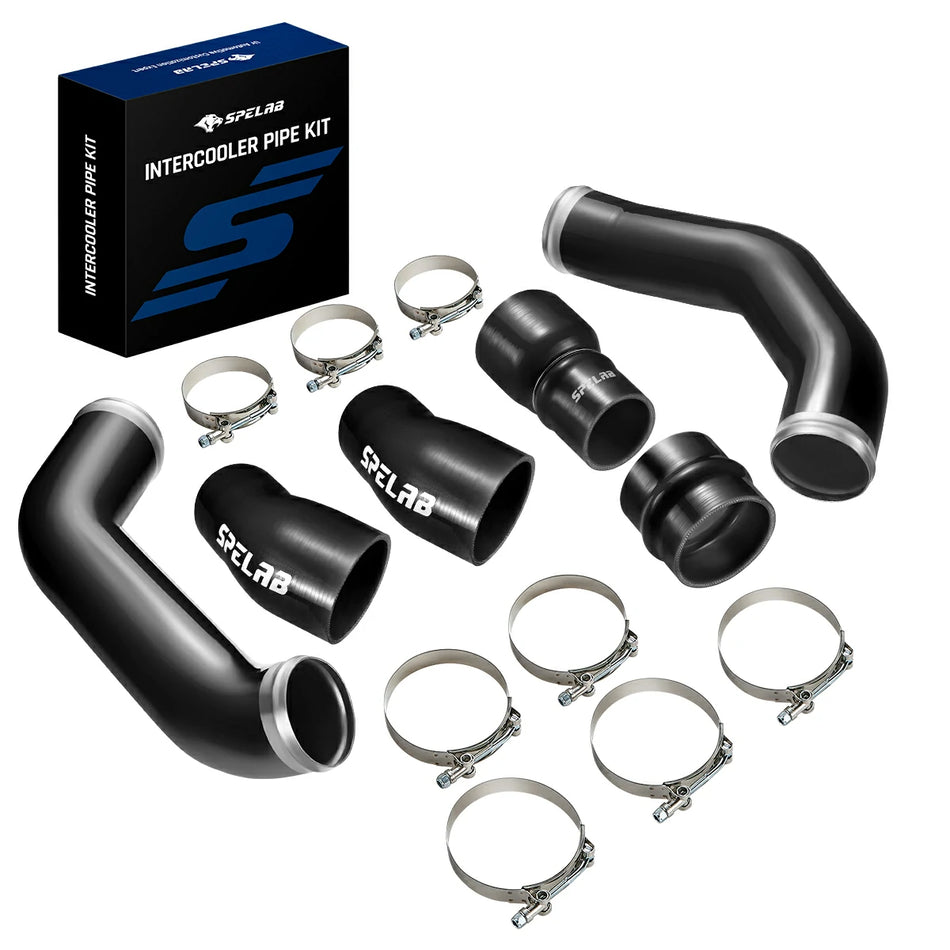
DPF cleaning is usually the first cost-saving move when the filter is soot-loaded but still healthy, DPF replacement is the compliant fix when the filter is damaged or ash-packed, and DPF delete should not be treated as a legal public-road repair. A diesel truck that regens too often, loses power, or throws DPF codes needs diagnosis before parts. The real question is not only “What does it cost?” The real question is “Which repair path actually fits the failure and keeps the truck working?”
Key Takeaways
The right DPF cost decision starts with live data, filter condition, downtime risk, truck use, and legal road status.
- DPF cleaning is usually the best first major service when the filter is soot-loaded but not cracked, melted, oil-soaked, coolant-contaminated, or ash-saturated.
- DPF replacement is the right compliant repair when the substrate is damaged, the ash load is too high, or cleaning cannot restore flow.
- Sensor and hose repair can be the cheapest fix when bad pressure data, split hoses, wiring faults, or EGT sensor problems are making the DPF look guilty.
- Downtime can matter as much as the invoice for hotshot, jobsite, snow-plow, ranch, towing, and fleet trucks.
- DPF delete belongs only in documented race-only or legally allowed non-public-road discussions, not as a street-truck repair shortcut.
Direct Answer: Which DPF Fix Should You Price First?
Price diagnosis first, cleaning second if the filter is serviceable, replacement third if the filter is failed, and delete only as a separate non-public-road fitment discussion.
We see this mistake in the shop all the time: the truck owner sees a DPF code, searches parts prices, and skips the boring data. That is how a split pressure hose gets misread as a dead filter, or a sensor problem turns into a multi-thousand-dollar parts bill.
Start with live data. Check DPF differential pressure at idle and under load. Check soot load, ash estimate, regen history, exhaust leaks, boost leaks, EGT behavior, DEF/SCR codes where equipped, and pressure hose condition. A repair path picked before those checks is just a guess with a credit card attached.
Legal and Road-Use Warning
DPF delete hardware is not a legal emissions repair for a public-road diesel truck.
Street-driven diesel pickups must follow federal, state, and local emissions rules. Removing, bypassing, or disabling emissions equipment can create Clean Air Act tampering and defeat-device risk. The EPA lists Clean Air Act vehicle and engine requirements around testing, reporting, warranty, labeling, tampering, defeat devices, maintenance, and vehicle or engine alterations.
Use delete-related information only for documented closed-course race-only builds, permitted export use, or legally allowed non-public-road applications where applicable. A street truck should be diagnosed, cleaned, repaired, or replaced with compliant emissions parts.
Reference: EPA Clean Air Act Vehicle and Engine Enforcement Case Resolutions.
Typical DPF Cleaning, Replacement, and Repair Cost Ranges
Most DPF repair bills fall into a few planning ranges: diagnostics, sensor or hose repair, forced regen, professional cleaning, replacement, or non-public-road delete planning.
Use these numbers as planning ranges, not quotes. Final cost changes by truck platform, labor rate, OEM vs aftermarket parts, location, filter access, sensor layout, parts availability, and whether the root problem is soot, ash, contamination, bad data, or a physically failed filter.
| Repair Path | Typical Planning Range | Typical Downtime | Best Use Case | What Can Change the Bill |
|---|---|---|---|---|
| Diagnostic scan / live data check | $100–$250 | Same day | First step for DPF lights, limp mode, regen complaints, P2002, P242F, or P2459 | Shop rate, scan depth, road test time, freeze-frame review |
| DPF pressure sensor / hose repair | $150–$600 | Same day to 1 day | Odd pressure readings, split hoses, clogged tubes, wiring faults | Sensor access, melted tubes, wiring repair, OEM sensor pricing |
| Forced regen | $150–$400 | Same day | Controlled soot load where the system can safely complete regen | Temperature readiness, code status, soot level, shop time |
| Professional DPF cleaning | $300–$1,000+ | Same day to 1–2 business days | Healthy filter with soot or serviceable ash restriction | On-truck vs off-truck service, filter size, labor access, fleet pricing |
| DPF replacement | $2,000–$8,000+ | Same day to 2+ days | Cracked, melted, ash-packed, contaminated, or failed filter | OEM vs aftermarket, sensors, clamps, labor, truck platform, parts availability |
| DPF delete | Use dedicated delete-cost guide | Not a public-road repair | Documented race-only or legally allowed non-public-road builds | Pipe, tuner, labor, troubleshooting, legal-use status, return-to-stock risk |
DPF Cleaning vs Replacement vs Delete Cost Comparison
Cleaning usually costs less than replacement, replacement is the clean public-road repair for a failed filter, and delete should not be priced as a street-truck repair.
| Option | Cost Position | Best For | Bad For | Check First | Legal / Risk Note |
|---|---|---|---|---|---|
| Sensor / Hose Repair | Often the cheapest fix | False DPF codes, odd pressure readings, split hoses, wiring faults | True filter failure, cracked substrate, high ash load | Live data, wiring, pressure tubes, freeze-frame data | Compliant diagnostic repair path |
| DPF Cleaning | Lowest major DPF service cost | Soot-loaded filters, failed regen, moderate restriction, fleet maintenance | Cracked, melted, oil-soaked, coolant-contaminated, or ash-saturated filters | Differential pressure, soot load, ash estimate, exhaust leaks | Street-truck friendly when performed correctly |
| DPF Replacement | Highest compliant repair cost | Damaged substrate, high ash load, failed cleaning, broken housing | Misdiagnosed sensor faults or simple soot-loading issues | Physical filter inspection, sensor data, OEM fitment | Cleanest compliant path for public-road trucks |
| DPF Delete | Varies; not a simple repair bill | Documented race-only or legally allowed non-public-road builds | Public-road trucks, inspection states, warranty-sensitive owners | Legal-use status, pipe fitment, tuner path, sensor strategy | Not a legal public-road emissions repair |

When DPF Cleaning Makes Sense
DPF cleaning makes sense when the filter is restricted by soot or serviceable ash but the ceramic substrate and housing are still intact.
Cleaning is the smart first major service for a truck that still has a physically healthy filter. We see it most on short-trip diesels, jobsite trucks that idle too much, cold-weather rigs that never finish regen, and tow trucks that work hard but still have usable filter structure.
Look for rising backpressure, more frequent regen, mild limp events, poor fuel economy, or soot-loading codes without signs of oil, coolant, melted ceramic, or cracked substrate. Ash matters too. Soot can burn during regen. Ash does not burn away the same way, so a high-mileage filter may clean only part of the way back.
Use cleaning when the data says the filter is loaded, not dead. That means checking differential pressure, soot estimate, ash estimate, exhaust leaks, EGT sensor behavior, and the truck’s regen history before the filter comes off.
When DPF Replacement Makes Sense
DPF replacement makes sense when the filter is physically failed, contaminated, ash-packed, or unable to recover after proper cleaning.
Replacement hurts the wallet, but some filters are done. A cracked substrate, melted core, broken flange, damaged housing, oil-soaked filter, coolant-contaminated filter, or filter that will not recover flow after cleaning should not go back under the truck.
High-mileage work trucks need a harder look. A service body that idles at a jobsite, a plow truck working cold starts, a ranch truck creeping around fields, and a hotshot rig pulling heavy all load the DPF in different ways. When ash takes up too much filter volume, cleaning may not give enough flow back to justify the labor.
Pick replacement when the truck must stay inspection-ready, keep resale value, stay fleet-compliant, or run on public roads without emissions tampering risk. For a daily-driven Powerstroke, Cummins, or Duramax, compliant replacement is sometimes the expensive but clean answer.
Is DPF Delete Cheaper Than Replacement?
DPF delete can look cheaper upfront if you only compare pipe price to a new filter, but it is not a legal public-road repair and the full cost is not just hardware.
A dedicated how much a DPF delete costs guide should handle the detailed pipe, tuner, labor, platform, troubleshooting, return-to-stock, and legal-risk discussion. This page only uses delete as one comparison point because the main decision here is cleaning, replacement, or better diagnosis.
Keep delete out of the street-truck repair column. For public-road use, compare sensor repair, forced regen, professional cleaning, DEF/SCR service where equipped, EGR service, and compliant replacement first.
Common DPF Cost Scenarios by Symptom
Symptoms should guide the first check, because the same DPF warning light can lead to sensor repair, cleaning, replacement, or root-cause engine work.
| Symptom | First Check | Likely Path | Mechanic Note |
|---|---|---|---|
| Regen every 50–100 miles | Pressure sensor, soot load, thermostat, driving cycle | Sensor repair, forced regen, or cleaning | Short regen intervals do not automatically mean the DPF is dead. |
| P242F ash accumulation code | Ash estimate, mileage, differential pressure | Cleaning or replacement | Ash does not burn off like soot, so high-mileage filters need a hard look. |
| Limp mode while towing | Backpressure, EGT readings, exhaust leaks, boost leaks | Diagnosis, cleaning, or replacement | Payload and heat can expose a filter already near its limit. |
| Oil smell or oil residue in exhaust | Turbo seal, injector issue, crankcase ventilation, oil consumption | Fix root cause before cleaning or replacement | Oil contamination can kill a cleaned or new filter fast. |
| Cracked or melted substrate | Physical inspection of filter core and housing | Replacement | No cleaning service can save a physically failed ceramic core. |
| Pressure data does not match how the truck drives | Pressure tubes, sensor wiring, clogged hose, water contamination | Sensor or hose repair | Bad data can make a good filter look plugged. |
Bad DPF or Bad Sensor? Symptoms to Check First
A pressure sensor, EGT sensor, NOx sensor, wiring fault, or split pressure hose can trigger DPF complaints even when the filter is not the root failure.
Start with scan data. Look at DPF differential pressure at idle and under load. Check whether the numbers move in a believable way. Inspect pressure tubes for soot blockage, cracks, melting, rubbing, loose fittings, and water contamination. Check EGT sensors for normal temperature movement during warm-up and regen.

Do not treat one DPF pressure number as universal across every diesel platform. A warm-idle differential pressure reading should be low and stable, then rise in a believable way under load. If the scanner shows a high idle reading, a reading that jumps around, or pressure that does not match how the truck drives, compare it against OEM service data before condemning the filter.
- P2002: DPF efficiency code that may involve filter performance, sensor data, leaks, or failed regen.
- P242F: ash accumulation or restriction concern that needs soot/ash evaluation, not guessing.
- P2459: regen frequency concern often tied to duty cycle, sensor data, soot loading, or incomplete regen.
- Short regen intervals: regen every 50–100 miles can point to soot loading, failed sensors, exhaust leaks, low exhaust temperature, or thermostat behavior.
- Limp mode after towing: high heat and load can expose restriction, sensor drift, or a filter already near its limit.
Use the DPF pressure sensor problems guide when the pressure readings do not match how the truck actually drives.
Before You Pay for a DPF Replacement, Ask the Shop
A good shop should be able to explain whether the problem is soot, ash, bad sensor data, contamination, or physical filter damage before selling you a replacement DPF.
Bring this list before you approve a big repair. A real diesel shop will not be offended by good questions. A parts changer might be.
- What was the DPF differential pressure at idle and under load?
- Did you compare those pressure readings against OEM service data for this exact truck?
- Did you inspect the pressure hoses and tubes for cracks, soot blockage, melting, or water?
- Is the issue soot load, ash load, or physical substrate damage?
- Did you check for oil or coolant contamination before recommending cleaning or replacement?
- Did you confirm EGT sensor readings during warm-up and regen?
- Did you inspect exhaust leaks before and after the DPF?
- Is the replacement OEM, reman, or aftermarket, and what warranty comes with it?
Decision Matrix: Which Option Should You Choose?
Choose sensor repair for bad data, cleaning for a healthy but loaded filter, replacement for a failed filter, and delete only for legal non-public-road use.
| Truck Situation | First Move | Why | Do Not Skip |
|---|---|---|---|
| Truck regens too often but still drives normally | Diagnostics, then possible cleaning | Frequent regen can come from soot load, duty cycle, leaks, or sensor issues | DPF pressure data and regen history |
| Filter is cracked, melted, oil-soaked, or physically damaged | Replacement | Cleaning will not fix a failed substrate or contaminated filter | Root-cause check for oil, coolant, injector, or turbo problems |
| Code points to pressure or temperature feedback | Sensor and hose testing | Bad data can mimic DPF failure | Wiring, pressure lines, OEM service data, live data, and freeze-frame data |
| Street-driven truck in an inspection area | Compliant repair | Road use brings legal, inspection, resale, and registration concerns | State rules and emissions readiness |
| Closed-course race-only or legal non-public-road build | Fitment and tuning verification | Pipe, sensors, tuner, and ECM strategy must match the exact truck | Legal-use status, model year, pipe diameter, and calibration path |
How Towing, Idling, and Short Trips Change DPF Cost
Towing, payload, idling, short trips, cold weather, and jobsite work change DPF cost because they change exhaust temperature and regen success.

A diesel pickup wants heat and load. A truck towing a fifth-wheel across Texas runs a different DPF life than a utility-body truck idling through a cold Montana morning. A farm truck that idles at gates, creeps around fields, and never sees highway time will not clean itself like a daily highway rig.
- Long-haul towing: cleaning may work well when the filter is loaded but healthy because the truck sees enough heat to support regen.
- Short-trip commuting: repeated incomplete regen can stack soot fast, especially in cold weather.
- Jobsite idling: low exhaust temperature and idle hours can load the DPF without many miles on the odometer.
- Heavy payload: extra heat helps regen, but hard use can expose weak sensors, exhaust leaks, turbo issues, or oil consumption.
- High-mileage fleet use: ash load matters more because ash does not burn off during regen.
Bad Habits That Plug a DPF Faster
Most DPF problems get worse when a diesel truck is used like a gas grocery getter instead of a heavy-duty work truck.
- Letting the truck idle through lunch every day in winter with the heater running.
- Using a diesel for repeated five-minute short trips without enough hot highway time.
- Ignoring a bad thermostat that keeps engine and exhaust temperatures too low.
- Clearing DPF codes without checking regen history, soot load, or pressure data.
- Driving with boost leaks, exhaust leaks, or sensor faults while waiting for the problem to “burn itself clean.”
- Towing heavy after the truck already showed regen, pressure, or EGT sensor warnings.
Give the truck a real heat cycle when the system is healthy and road conditions allow it. A diesel aftertreatment system works better when it sees enough exhaust temperature and steady load to finish regen instead of being parked, idled, and short-tripped all week.
Street Truck Alternatives Before Any Delete Talk
A street-driven diesel should be diagnosed and repaired with compliant parts before any delete conversation starts.
Start with the boring checks. Check the air filter, boost leaks, thermostat operation, injector balance, turbo health, exhaust leaks, pressure hoses, sensor wiring, DEF quality where equipped, and regen data. A DPF problem is often the symptom at the tailpipe, not the first thing that failed under the hood.
- Professional DPF cleaning when soot or serviceable ash is the main restriction.
- OEM or compliant replacement when the filter is physically failed or too ash-loaded to recover.
- Sensor and hose repair when live data does not match the truck’s behavior.
- DEF/SCR service when NOx codes, DEF quality, dosing, heaters, or SCR performance drive the warning light.
- EGR service when stuck valves, clogged passages, cooler issues, or intake buildup are feeding the DPF problem.
The emissions delete decision guide is worth reading when the real question is cost, reliability, compliance, or bad diagnosis.
Fitment Notes for Non-Public-Road Builds
Non-public-road delete fitment still has to match the exact truck, not just the engine badge.
Check year, engine family, cab style, bed length, wheelbase, 2500 vs 3500, SRW vs DRW, pickup vs cab chassis, exhaust diameter, sensor bungs, clamp style, hanger location, and tuner compatibility. A 6.7 Cummins, 6.6 Duramax LML, 6.6 Duramax L5P, 6.7 Powerstroke, and 6.4 Powerstroke all have their own packaging headaches.
Pipe size matters. A 4-inch pipe usually gives easier clearance around crossmembers, spare tire zones, wiring, heat shields, and frame brackets. A 5-inch pipe may fit a competition-style high-flow setup, but it needs real room.
Pipe diameter is not only a clearance question. On a VGT diesel, exhaust diameter, turbine drive pressure, and gas velocity all affect how the truck feels off the bottom. A 5-inch pipe may help a competition-style high-flow setup, but it does not excuse bad fitment, poor tuning, rattles, wiring heat damage, or low-rpm drivability complaints.
FAQ
Most DPF cost questions come down to whether the filter is cleanable, physically failed, misdiagnosed, or being considered for legal non-public-road delete use.
Q: What is the cheapest DPF fix?
A: Sensor or hose repair is often the cheapest if bad data is blaming the filter. If the filter is truly restricted but still healthy, DPF cleaning is usually the lowest major DPF service cost.
Q: Is DPF cleaning worth it?
A: Yes, when the filter is soot-loaded or serviceable but not cracked, melted, oil-soaked, coolant-contaminated, or ash-saturated. Cleaning is not magic for a physically failed filter.
Q: When does a DPF need replacement instead of cleaning?
A: Replace it when the substrate is cracked or melted, the housing is damaged, the ash load is too high, the filter is contaminated, or cleaning cannot restore flow.
Q: Is DPF delete cheaper than replacement?
A: It can look cheaper upfront if you only compare pipe price to a new DPF. Once tuning, labor, inspection risk, return-to-stock cost, resale limits, and legal-use status are counted, it is not a simple cheaper repair.
Q: Why does my diesel keep regenerating every 50–100 miles?
A: Short regen intervals can come from soot loading, bad pressure data, EGT sensor problems, exhaust leaks, short-trip use, cold operation, thermostat issues, or a filter near its ash limit.
Q: Can a bad DPF pressure sensor cause expensive wrong repairs?
A: Yes. A bad differential pressure sensor, split hose, clogged tube, or wiring fault can make a good filter look restricted. Test live data and compare readings against OEM service data before replacing parts.
Q: Is DPF delete legal on a street truck?
A: No, not as a public-road emissions repair. Delete hardware should only be discussed for documented closed-course race-only or legally allowed non-public-road use where applicable.
Final Recommendation: Diagnose First, Then Pick the Repair Path
Choose sensor repair for bad data, DPF cleaning for a healthy loaded filter, replacement for a failed filter, and delete only for legal non-public-road use.
Do not let a parts price make the decision by itself. Scan the truck, check live data, inspect pressure hoses, verify regen history, compare pressure readings with OEM service data, look for oil or coolant contamination, and match the repair to how the truck is actually used. A tow rig, hotshot truck, ranch truck, snow-plow truck, and jobsite diesel do not load a DPF the same way.
A clean repair starts with the truth under the truck. Guessing is how diesel owners buy a new filter they did not need, clean a filter that was already dead, or chase a delete plan that does not fit the truck or the law.