
Updated on March 17, 2026.
Author: John Lee – Mechanical Engineer | 10+ Years Experience
TL;DR: A bad transfer case shift motor can prevent 4WD engagement, cause grinding noises, or trigger warning lights. Proper testing with a multimeter can confirm failure before replacing the motor.
What Does a Transfer Case Do? (AWD vs 4WD Explained)
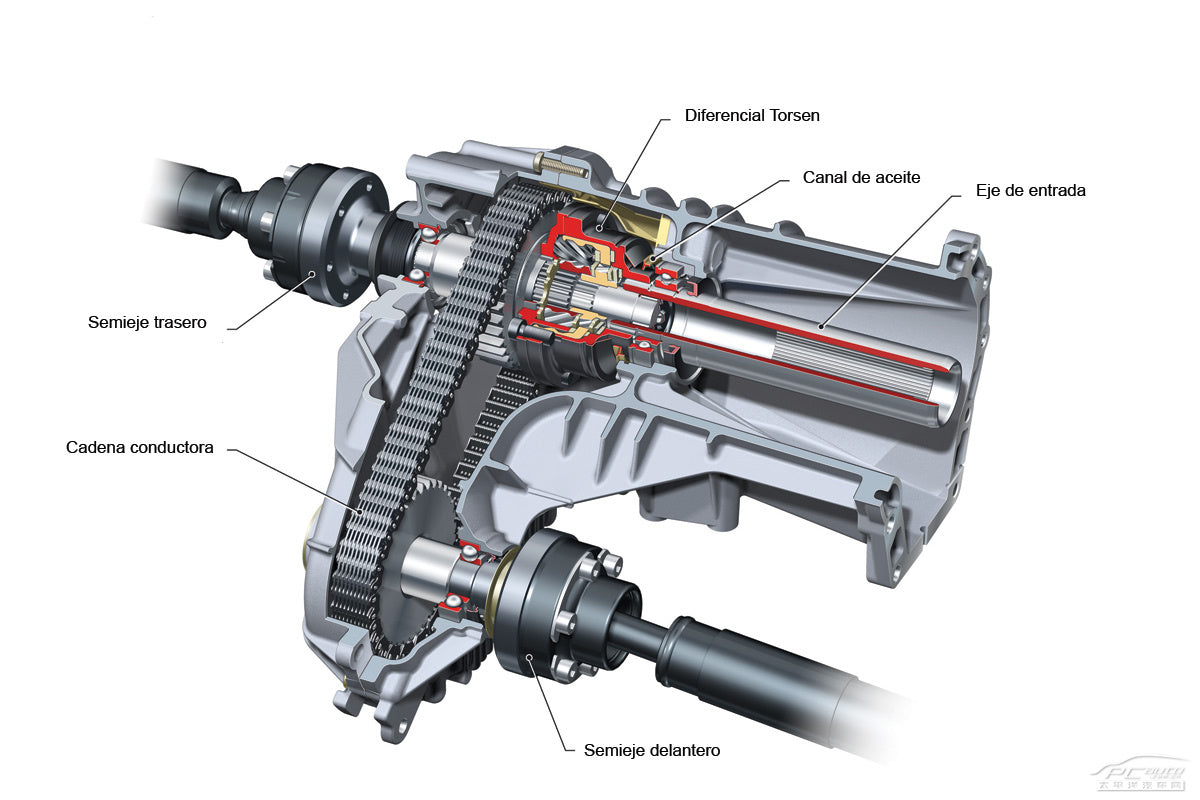
The transfer case is a critical drivetrain component that distributes power between the front and rear wheels. It plays a key role in differentiating four-wheel drive (4WD) and all-wheel drive (AWD) systems.
In AWD systems, a center differential manages power automatically. In contrast, 4WD systems use a transfer case to manually or electronically engage both axles, providing better traction in off-road, towing, or low-traction conditions.
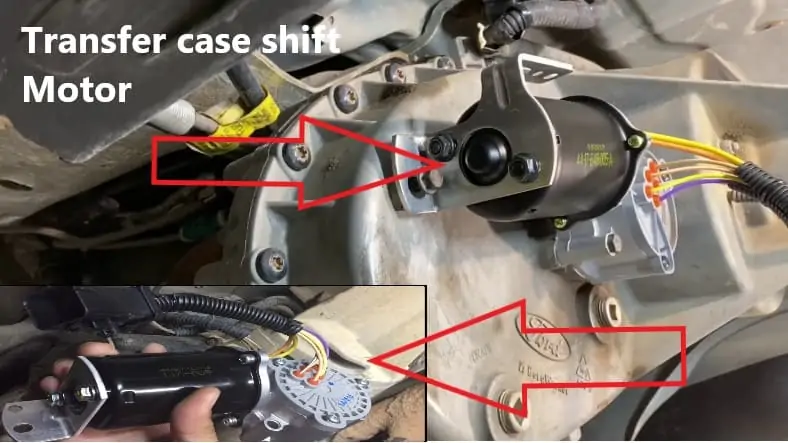
The transfer case shift motor is responsible for switching between drive modes such as 2WD, 4H, and 4L.
7 Symptoms of a Bad Transfer Case Shift Motor
1. 4WD Won’t Engage or Disengage
This is the most common issue. Pressing the 4WD button results in no response, often due to a failed shift motor or electrical fault.
2. Stuck in 4WD or 2WD
A failing motor may get stuck mid-operation, leaving the drivetrain locked in one mode.
3. Grinding, Clicking, or Humming Noise
Unusual noises during acceleration or when switching modes often indicate worn gears, loose internal chains, or a failing motor. If the noise increases with speed, it may point to internal transfer case wear.
4. 4WD Warning Light or Flashing Indicator
Many vehicles display a “Service 4WD” message or blinking light when the system detects a fault.
5. Intermittent 4WD Operation
The system may work inconsistently due to worn motor brushes or unstable electrical connections.
6. Transfer Case Fluid Leak (Puddle Under Vehicle)
A visible fluid puddle under the transmission area may indicate a leaking transfer case seal. Low fluid levels can lead to overheating, gear damage, and poor 4WD engagement.
7. Gear Shifting Issues (Especially 4L)
Grinding when shifting into 4L is often caused by improper operation. Most vehicles require stopping completely and shifting into neutral before engaging 4L. Ignoring this can mimic symptoms of a bad shift motor.
Quick Diagnosis Table
| Symptom | Likely Cause | Recommended Fix |
|---|---|---|
| 4WD not engaging | Shift motor failure | Test resistance |
| Grinding noise | Gear wear / misuse | Inspect transfer case |
| Fluid leak | Seal failure | Repair leak & refill fluid |
| No response | Electrical issue | Check wiring/fuse |
| Stuck in 4WD | Motor jammed | Replace actuator motor |
Can You Drive with a Bad Transfer Case?
Driving with a faulty transfer case or shift motor is not recommended.
It can lead to:
- Drivetrain binding when stuck in 4WD on dry pavement
- Loss of traction in snow, mud, or towing situations
- Severe transmission or differential damage over time
In real-world scenarios, many drivers only discover the issue when they actually need 4WD—such as during off-road driving or bad weather.
How to Test a Transfer Case Shift Motor
Method 1: Resistance Test (Multimeter)
1. Safely raise the vehicle (jack stands recommended)
2. Locate and remove the shift motor from the transfer case
3. Identify the control wires (commonly orange and yellow)
4. Set the multimeter to Ohms (200 range)
Normal range: 2.0 – 3.0 ohms
Values outside this range typically indicate a faulty motor.
Method 2: Direct Power Test
1. Connect the motor to a 12V battery or jumper pack
2. Observe gear movement
A healthy motor should move smoothly in both directions. Weak, stuck, or erratic movement indicates failure.
Real-World Mechanic Insight
In real-world diagnostics on Ford, GM, and Ram trucks, a large percentage of 4WD engagement issues are caused by the shift motor rather than internal transfer case damage. This is especially true for electronic 4WD systems.
However, if you hear loud grinding or feel drivetrain binding, the issue may already involve internal components such as gears or chains.
Replacement Cost
- Shift motor: $50 – $150
- Labor: $100 – $300
- Total repair cost: $150 – $450
DIY replacement is typically straightforward and can be completed in under two hours on most trucks.
Final Thoughts
A failing transfer case shift motor is one of the most common causes of 4WD problems. The good news is that it’s usually affordable and easy to fix if diagnosed early.
Always start with proper diagnostics before assuming major drivetrain failure.
FAQ
Q: Can a bad transfer case motor drain the battery?
A: Yes, a stuck motor may continuously draw power and slowly drain the battery.
Q: Is the shift motor the same as the actuator?
A: In most modern vehicles, they refer to the same component, although some systems separate encoder functions.
Q: What causes transfer case leaks?
A: Worn seals, cracked housings, or loose connections are common causes.
Q: Why does my 4WD light keep flashing?
A: This usually indicates a fault in the shift motor or control module.
Q: Can low fluid cause similar symptoms?
A: Yes, low fluid can cause noise, overheating, and poor engagement.
Q: How do I know if it’s the motor or the transfer case?
A: If the motor receives power but doesn’t move, it’s likely faulty. If it moves but doesn’t engage gears, the issue may be internal.
Q: Can I replace it myself?
A: Yes, most DIYers can replace it with basic tools.
Q: How long does a transfer case shift motor last?
A: Typically between 100,000 and 150,000 miles depending on usage.

John Lee
Mechanical Engineer | 10+ Years Experience
John has spent the last decade engineering and testing high-performance automotive components. Specializing in drivetrain durability and thermal management across Powerstroke, Cummins, and Duramax applications, he bridges the gap between OEM limitations and aftermarket performance. His philosophy: "Factory parts are just a starting point."


