8 Products
Valve Cover
Valve Cover Shopping Guide
The engine valve cover is an essential protective component for diesel engines. It shields crucial parts within the valve chamber—such as valves, springs, and rocker arms—from contaminants and damage. Choosing the right valve cover can make a big difference in your engine's performance, reliability, and longevity.
At SPELAB, we understand the importance of both functionality and aesthetics. We design our Cummins billet valve covers in-house to offer the best balance of fit, finish, and functionality, while keeping your budget in mind. Our valve covers are made from aircraft-grade 6061-T6 aluminum and come equipped with all stainless steel fasteners. Explore our range of valve cover products to find the perfect match for your diesel engine today!

What valve covers do SPELAB have?
|
Product |
Color Options | Material | Compatibility | Vehicle Type |
Engine |
Manufacturing Process |
Customization |
| 1 |
Silver Red Black |
Cast Aluminum Billet Aluminum | 2006-2024 |
Dodge Ram 2500 Dodge Ram 3500 |
5.9 Cummins 6.7 Cummins |
CNC-machined |
Custom colors logos available |
| 2 |
Silver Red Black Blue |
Cast Aluminum Billet Aluminum | 2005-2019 | Dodge Hemi |
Hemi 5.7L Hemi 6.1L Hemi 6.4L |
N/A |
N/A |
| 3 | Silver | Aluminum | 1966-2000 | BBC Chevy | Chevy Big Block V8 | N/A | N/A |
| 4 | Silver | Aluminum | 1958-1986 | Chevy | Chevy Small Block V8 | N/A | N/A |
One of the Cummins valve cover was developed by SPELAB.,start shopping sensibly based on known valve cover products!
Our innovative Valve Cover
- Reinforced and Reliable: SPELAB valve covers have a reinforced aluminum inner structure that exceeds conventional market standards in terms of durability. Our materials and structure can withstand temperatures up to 600°F and pressures of up to 120 PSI, handling even the most demanding conditions with ease.
-
Integrated CCV Filter: The valve covers are designed with direct CCV (Crankcase Ventilation) filter ports that fit perfectly. This design effectively redirects up to 95% of oil vapors to reduce oil mist in the intake tract, helping keep the engine cleaner and performing at its best.
-
One-Stop Installation Kit: Our valve covers come with everything you need right out of the box, so there's no need for extra purchases. The kit includes a CCV filter, hoses, clamps, filter cartridges, and brackets, making DIY installation easy, even for beginners, with clear installation instructions.
-
Personalization Options: Valve covers feature the SPELAB logo and are available in a variety of colors, letting you customize the look of your engine compartment to match your style.
Finding the Perfect Valve Cover
1. Material
-
Cast Aluminum: This is a cheaper and common material. It is more durable, dissipates heat well, and is suitable for daily driving or light modifications. However, for extreme performance, cast aluminum is not as strong.
-
Billet Aluminum: Since billet aluminum valve covers are made from a single block of aluminum, they are stronger and more durable than cast aluminum. Valve covers made from billet aluminum can withstand higher pressures and temperatures, making them ideal for high performance or modified vehicles.
-
Carbon Fiber: Carbon fiber valve covers are lightweight and strong, making them ideal for racing or extreme conditions. However, they are expensive and not suitable for daily driving.
2. Manufacturing Processes
-
CNC Machining: This process is used for billet aluminum valve covers and creates a more accurate and durable valve cover CNC machined valve covers are high quality and ideal for those looking for performance and longevity.
-
Casting: Cast aluminum valve covers are typically manufactured using the casting process, which is faster and less expensive. Cast valve covers, while strong, are less precise and may not be as durable as CNC machined valve covers, making them ideal for the average driver.
3. Design
- Heat dissipation: High-quality valve covers often have special heat dissipation features such as cooling fins. This design keeps engine temperatures stable and is useful for drivers who run their engines at high loads for long periods of time.
-
Sealing: Good valve covers focus on sealing to prevent oil leaks. This is especially important for modified or high-performance engines.
-
Custom Looks: Some brands offer color options and logo customization for a personalized touch, like red, silver, black, etc. Billet aluminum covers are particularly easy to customize in terms of appearance.
How to choose the right Valve Cover
1. Adaptation
- Key Consideration: Make sure the product is compatible with your vehicle’s make, model, and engine specifications.
- Example: If you own a 2018 Dodge Ram with a 6.7L Cummins engine, you’ll need a valve cover that specifically supports that year and engine type, like fit for the SPELAB 2007-2023 6.7L Cummins valve cover.
2. Price
- Key Consideration: Determine your budget and balance it with the quality and features of the product.
- Example: If you're looking for an affordable upgrade, cast aluminum valve covers offer good durability at a lower price. For those seeking higher performance and durability, billet aluminum options are available but generally come at a higher cost.
3. Application Market
- Key Consideration: Choose a product suited to how you plan to use your vehicle—daily driving, off-road, or racing.
- Example: For everyday driving, a standard cast aluminum valve cover will be sufficient. However, for high-performance or off-road use, a billet aluminum cover with CNC machining, like those offered by SPELAB, provides enhanced strength and heat resistance, ideal for demanding conditions.
Services we provide
1. Return Policy
Hassle-Free Returns, Friendly Service: At SPELAB, we’re committed to providing you with a worry-free shopping experience. If you’re not satisfied with your product, our support team is here to assist you every step of the way, ensuring your needs are met. Your satisfaction is our top priority.
2. Knowledge Hub
Answers at Your Fingertips: Our Knowledge Hub covers common questions to help you find quick answers. Whether it’s about product compatibility or installation, we’re here to make everything easy and clear for you.
How to Replace Valve Cover Gasket: Step-by-Step Guide for 6.7 Cummins
Best Valve Covers for 6.7L Cummins Engines: A Comprehensive Brand Comparison
Best SPELAB Valve Cover Options for 6.7 Cummins Owners
3. Manuals & Video Tutorials
Clear Guidance, DIY Made Easy: We offer detailed manuals and video tutorials to simplify the installation process. Whether you’re a beginner or a pro, we’ve got you covered, making sure you feel confident every step of the way.
Learn more about spelab videos
4. SPELAB Membership
Exclusive Perks for Members: Join the SPELAB membership program to enjoy special discounts, early access to new products, and more. We’re grateful for each customer, adding value to your modification journey.




Let customers speak for us
William Simpson
Very nice
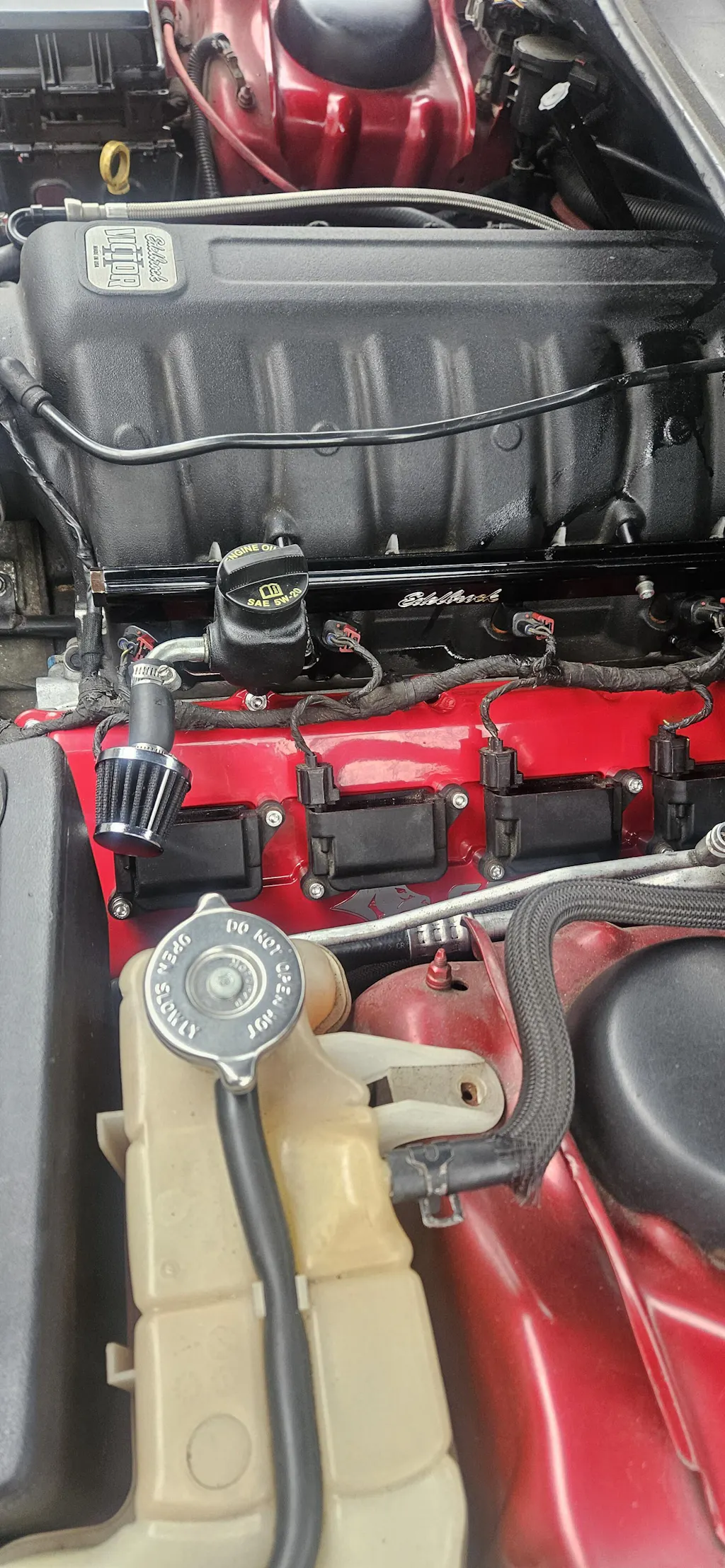
Valve Cover For 2003-2020 5.7/6.1/6.4 Hemi Gen III Engine Cast/Billet Aluminum | SPELAB
L&M Automotive
Good products great
Good products great pricing
SPELAB
Malachi Ottinger
Does exactly what it is made for
Works great, find out how to wire it on YouTube if you aren’t sure, super easy though only two wires
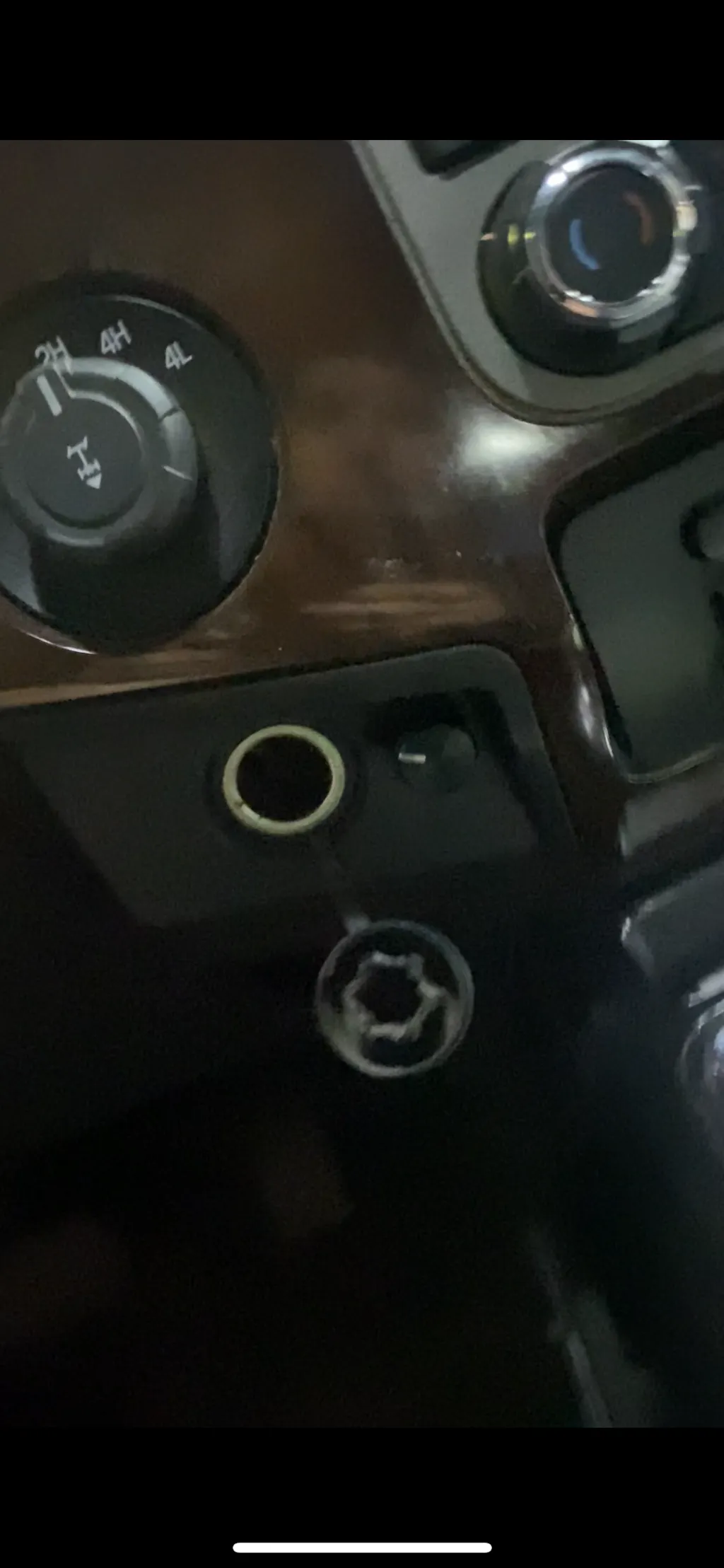
5-Mode SOTF Switch for 2011-2020 6.7L Powerstroke | SPELAB
CARLTON NEWTON
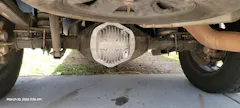
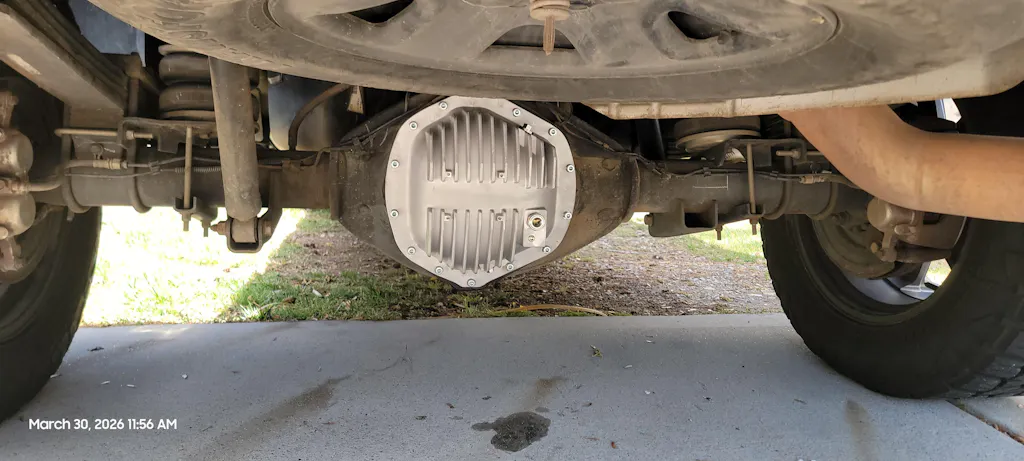
Installed my new rear Diff cover on 2017 ram 3500 diesel!!!
this 2017 3500 Ram with now 111274 miles was used by PO to pull 5th wheel and now it pulls a 30 ft airstream TT.. I change out fluid at 96K with OEM cover and started looking for replacement.. this is great with magnetic drain plugs which is a great help as we change out oil every 35K miles as we tow a lot..
This new alum cover with fins is much like the AAM unit used on teh HO engines from factory with not quite the amount of and placement of fins but in the end this accomplished the goal of keeping the fluid cooler especially when towing.
One thing i did notice was the no actual instruction on what was proper level of oil in sight glass.. Usually on OEM cover you fill till the oil dribbles out the fill plug on cover and that if good..
on this model I noticed the sight glass was lower than the OEM plug determining the level need to be not the middle of the sight glass but at the TOP of the sight glass.. just saying.. the inside has fluid diversion fins so help move the oil to ponion gear and the side bearing on housing..
The fit and finish are great and it looks super cool now in the alum color.. I though about spray painting and sanding the edge of the fins to have that nice contrast but left it silver.
highly recommend and the price is right..
Differential Cover For AAM 11.5"/11.8″ 14 Bolts Rear Axle for 01-19 GM and 03-18 RAM | SPELAB
Ethan Johnson
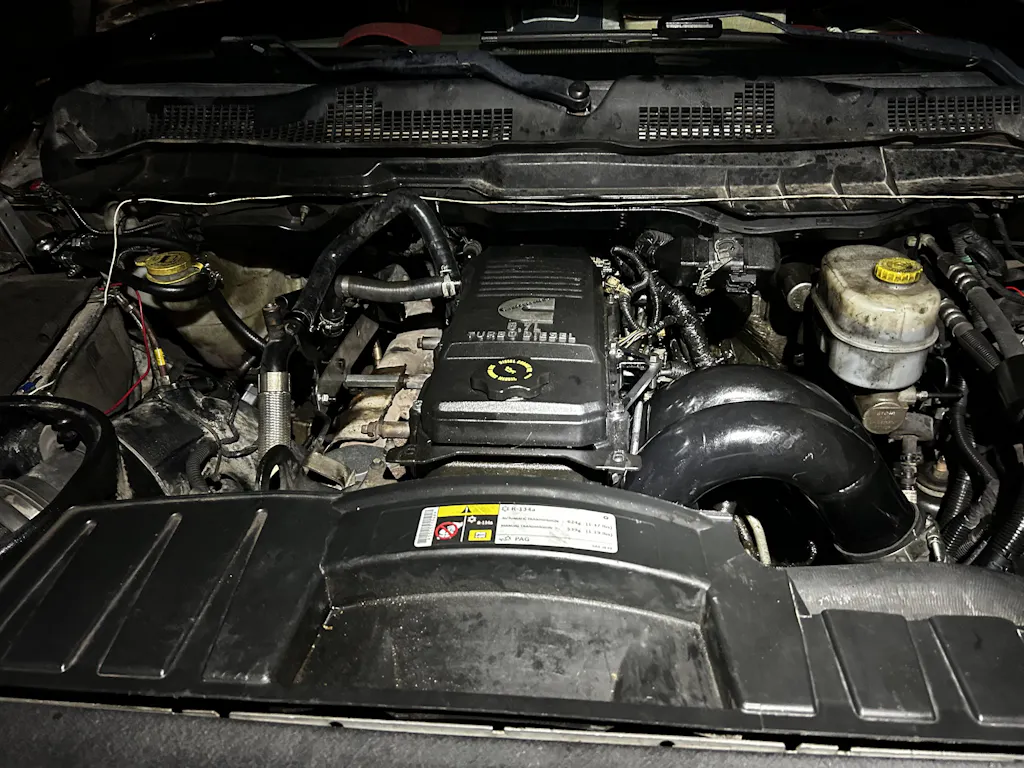
3.5‘’ Intake Manifold with Heating Element for 2007-2024 Dodge Ram 2500/3500 6.7L Diesel
Order came in a few days earlier than the expected delivery day pretty easy install it makes the engine may look a lot better
3.5‘’ Intake Manifold with Heating Element for 2007-2024 Dodge Ram 2500/3500 6.7L Diesel | SPELAB
Roberto Taylor
Fantastic Electric Cutous
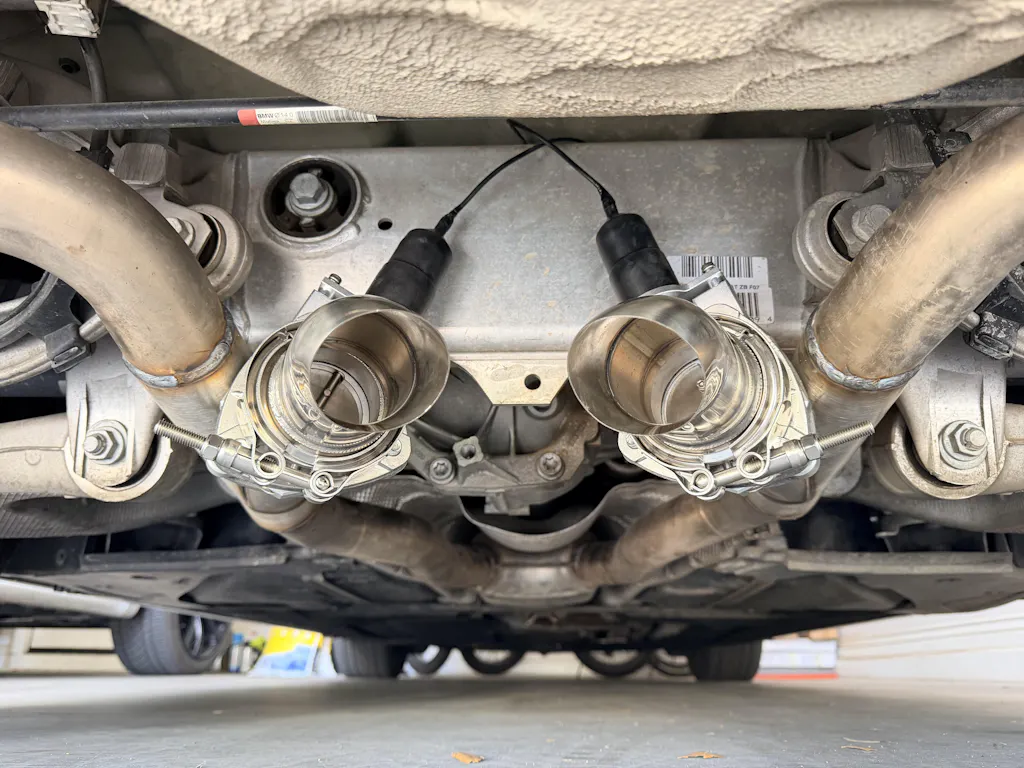
I purchased a pair of Spelab Electric Cutouts for my BMW. Everything in the kit was shipped quickly, was perfectly packaged and the quality of their product is top notch. I installed the cutouts and I couldn't happier with the way they work. I was even able to pair the remote to the Homelink buttons to open and close the valves.
Worry-Free Purchase
Bailey Bracewell
Hoping to gain a sponsorship soon I use yalls
Hoping to gain a sponsorship soon I use yalls parts on my personal build and customers builds
SPELAB
CYNDE ASHCRAFT
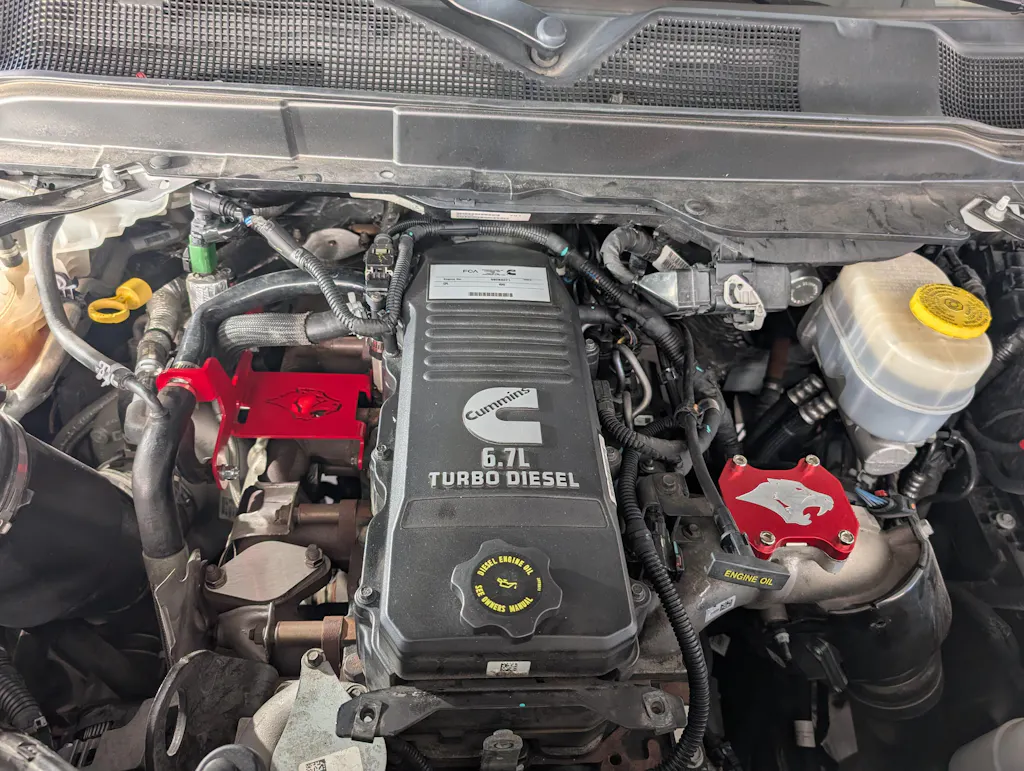
Egr delete kit
Very good quality kit and was easy to install!! I highly recommend it!!
SPELAB EGR Delete Kit For 2010-2025 Dodge Ram 2500 3500 6.7L Diesel
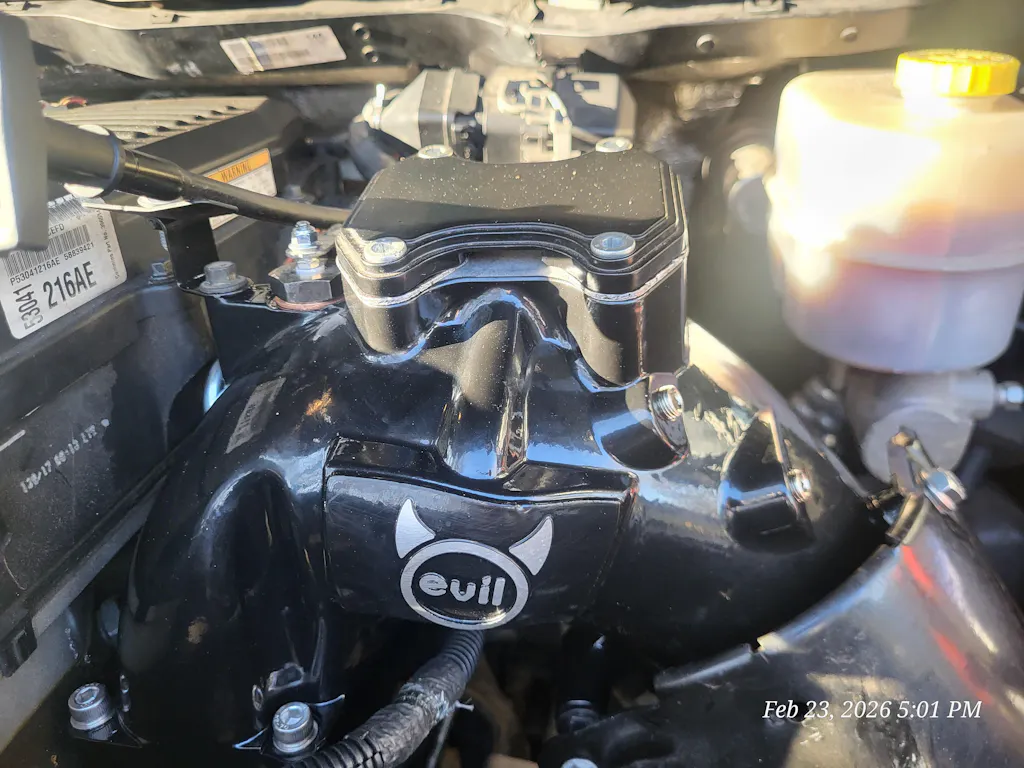
Mitch
Great product
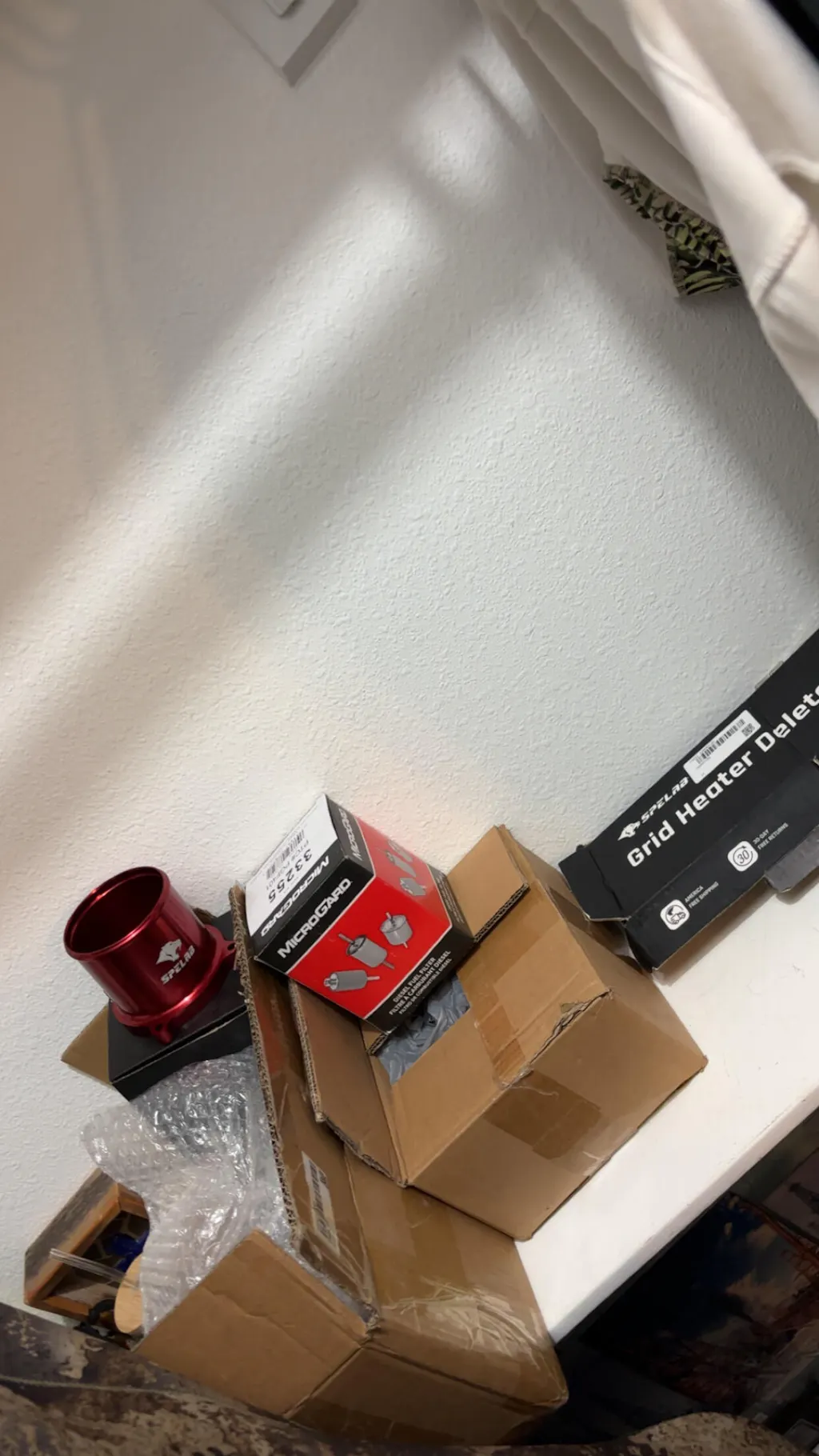
Im very pleased with the intake horn and grid heater delete for my Cummins 6.7.
Instalation was straight forward and the kit came with everything required.
Worry-Free Purchase
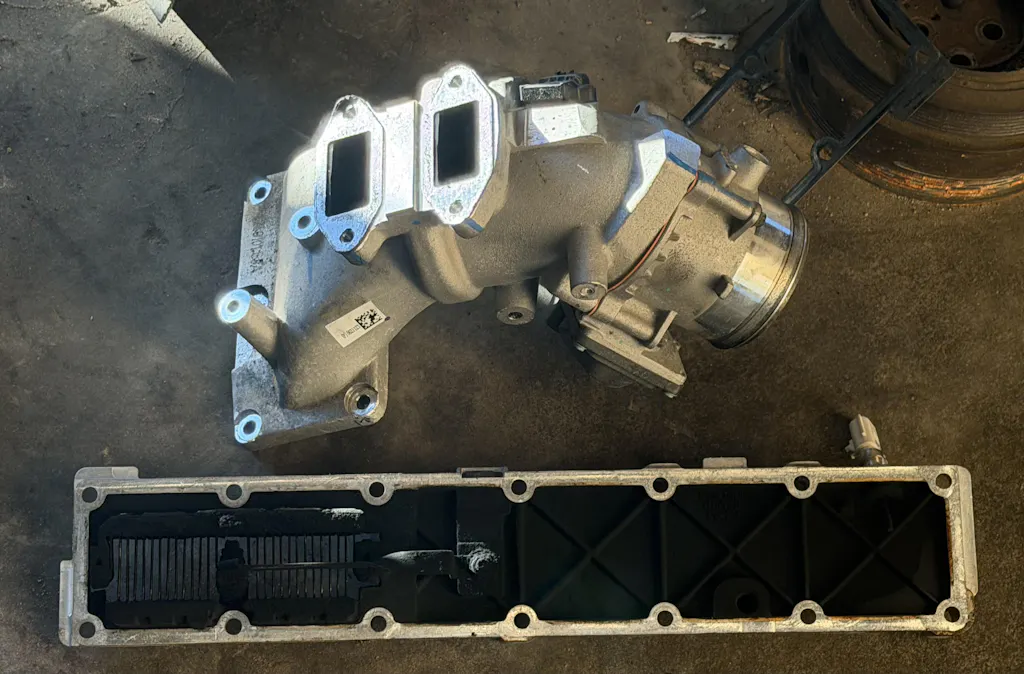
Mo
2024 Ram 3500 Tradesmen 6.7 H.O. Cummins
Excellent quality product that definitely delivers a difference in throttle response. You can tell that the engine is breathing much better. I highly recommend this to everyone out there. Shipping was fast too!! And to top it off, the dreaded engine killing grid heater plate is gone for good! Look how bad the grid heater was after only 46,000 mi. You can barely see thru the grids. Ridiculous design by Cummins/Ram. They should be ashamed for putting that piece of junk on such a good engine. Next up, turbo tubes!
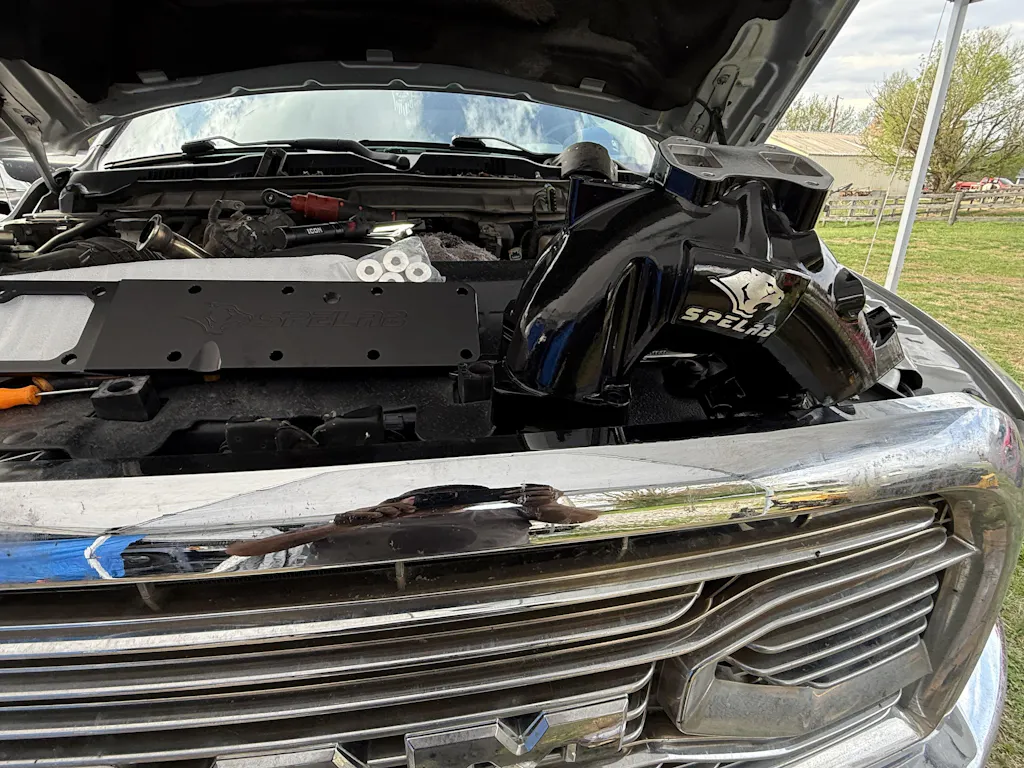
Intake Horn/Manifold Grid Heater for 2007-2024 Dodge Ram 2500/3500 6.7 Diesel | SPELAB
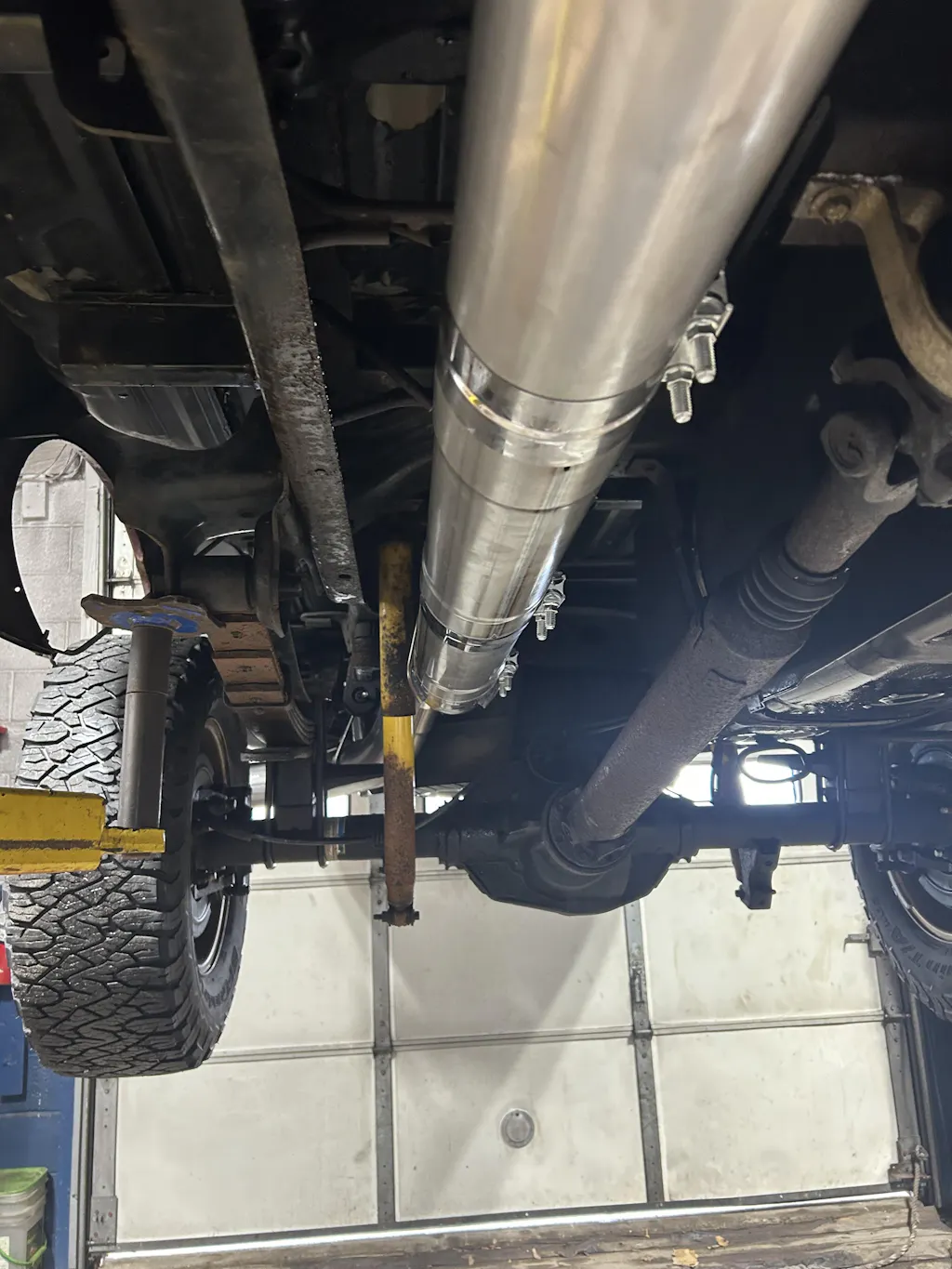
Brian R
Fit well sounds great
Fit my 08 6.4 extended cab just fine. Sounds great with a 5x7 tip
4‘’/5'' 2008-2010 Ford 6.4 Powerstroke Cat & DPF Delete Race Pipe | SPELAB
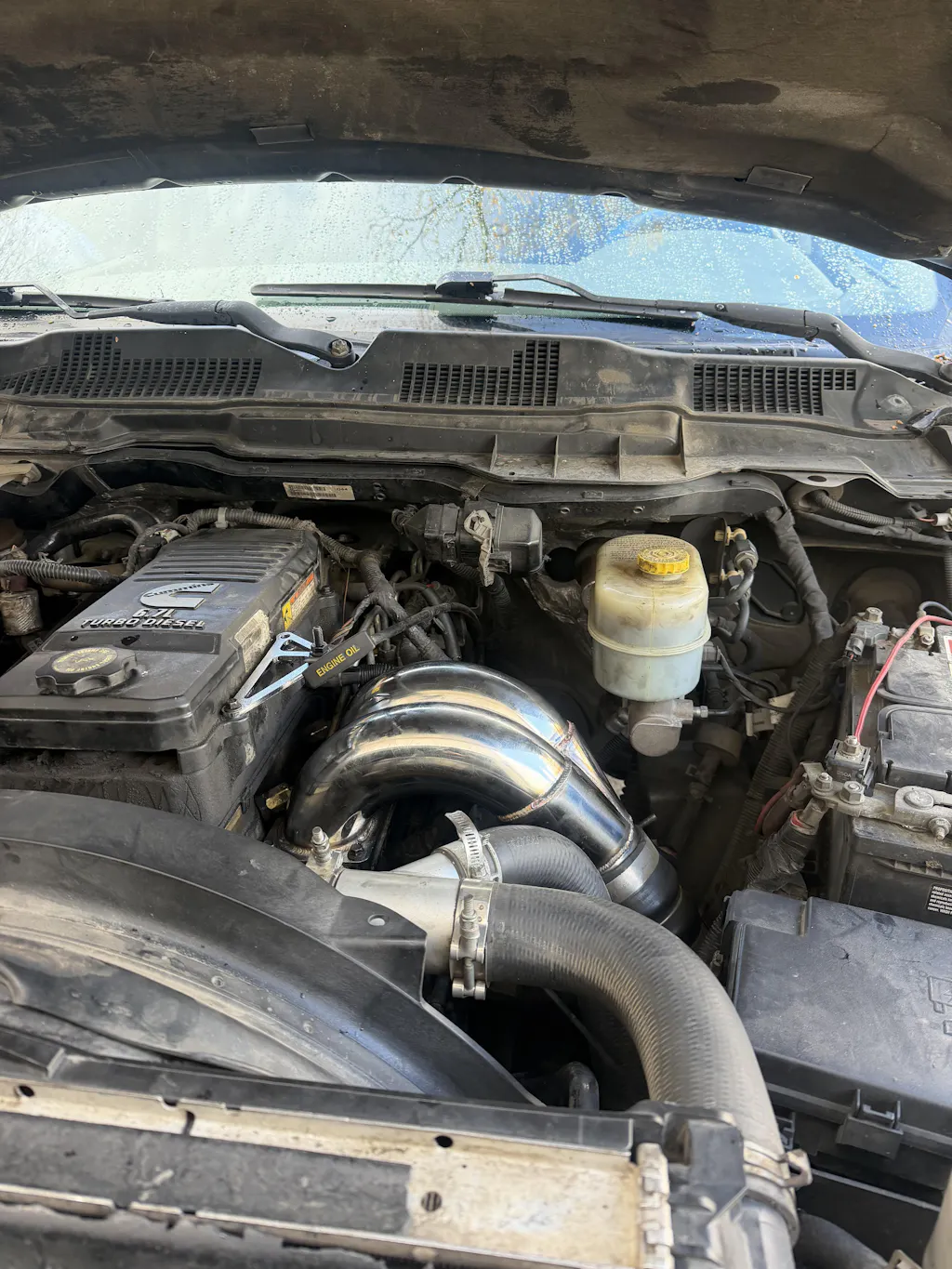
Josmian Sosa
Awesome products
I have always used there products and customers always are happy
EGR/DPF/DEF Delete for 2013-2018 Dodge Ram 6.7L Diesel 2500 3500 All-in-One Kit | SPELAB
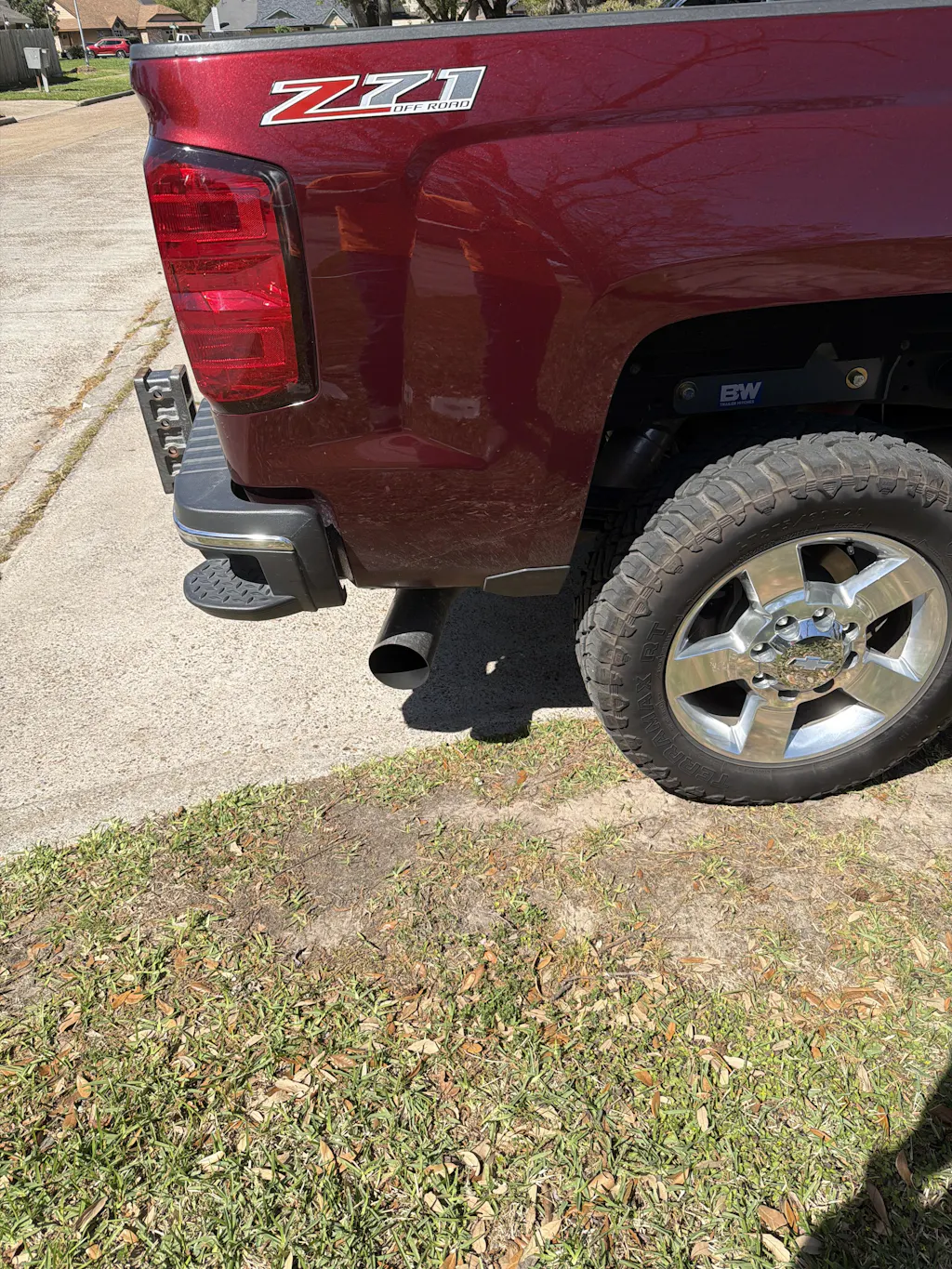
Bobby Baker
2016 Duramax 5” exhaust from down pipe/back
Was on the fence between the 4 or 5…but definitely glad I went with the 5! Fits perfect and sounds amazing!!
5" Downpipe-Back 2015.5-2016 LML 6.6 Duramax DPF Delete Race Pipe | SPELAB
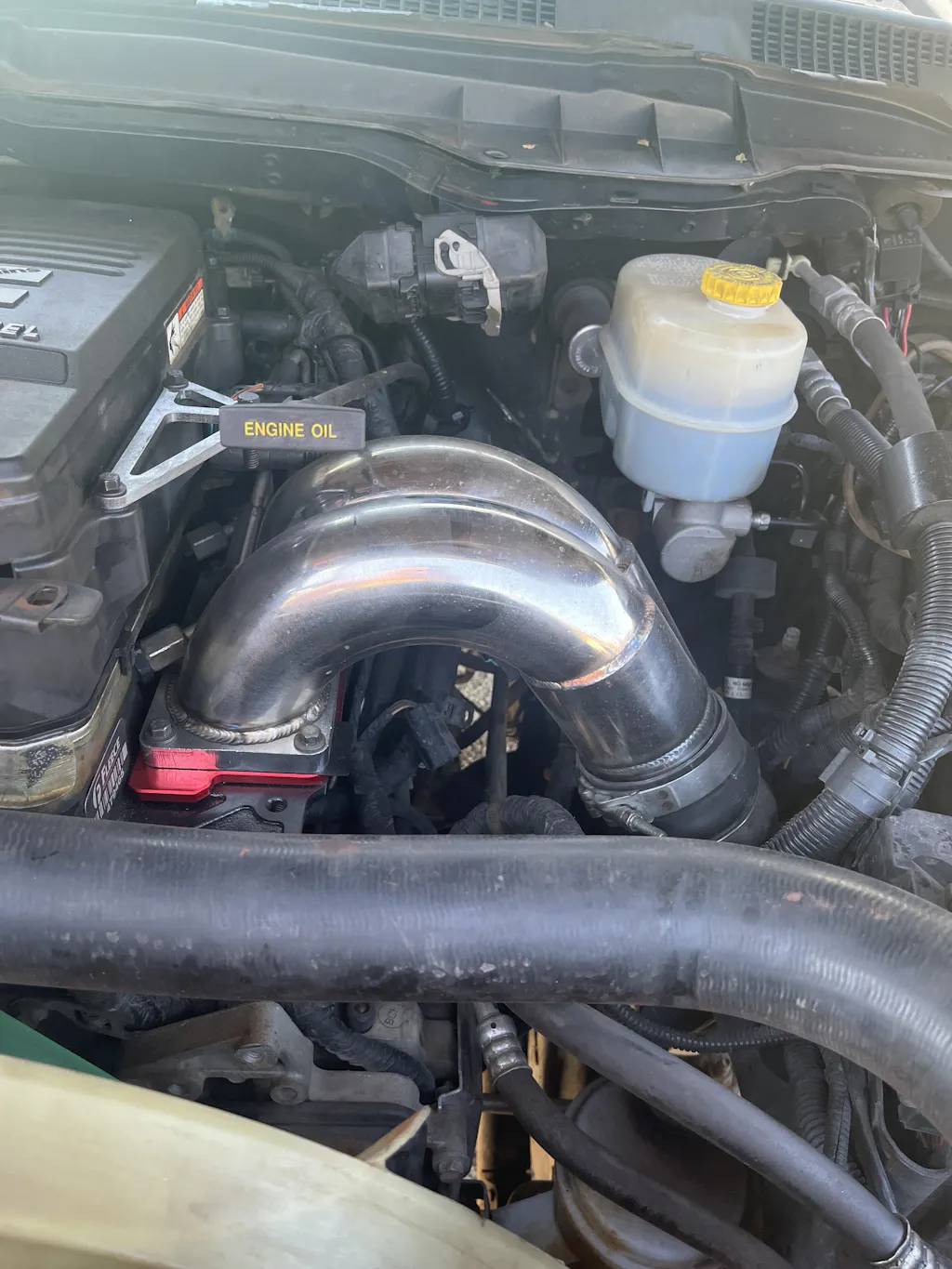
Aaron Cowgill
Intake horn
Wow. That says it all. Fast shipping, looks great big thing is what a difference it makes from stock things just act different with the more air flow.
Worry-Free Purchase
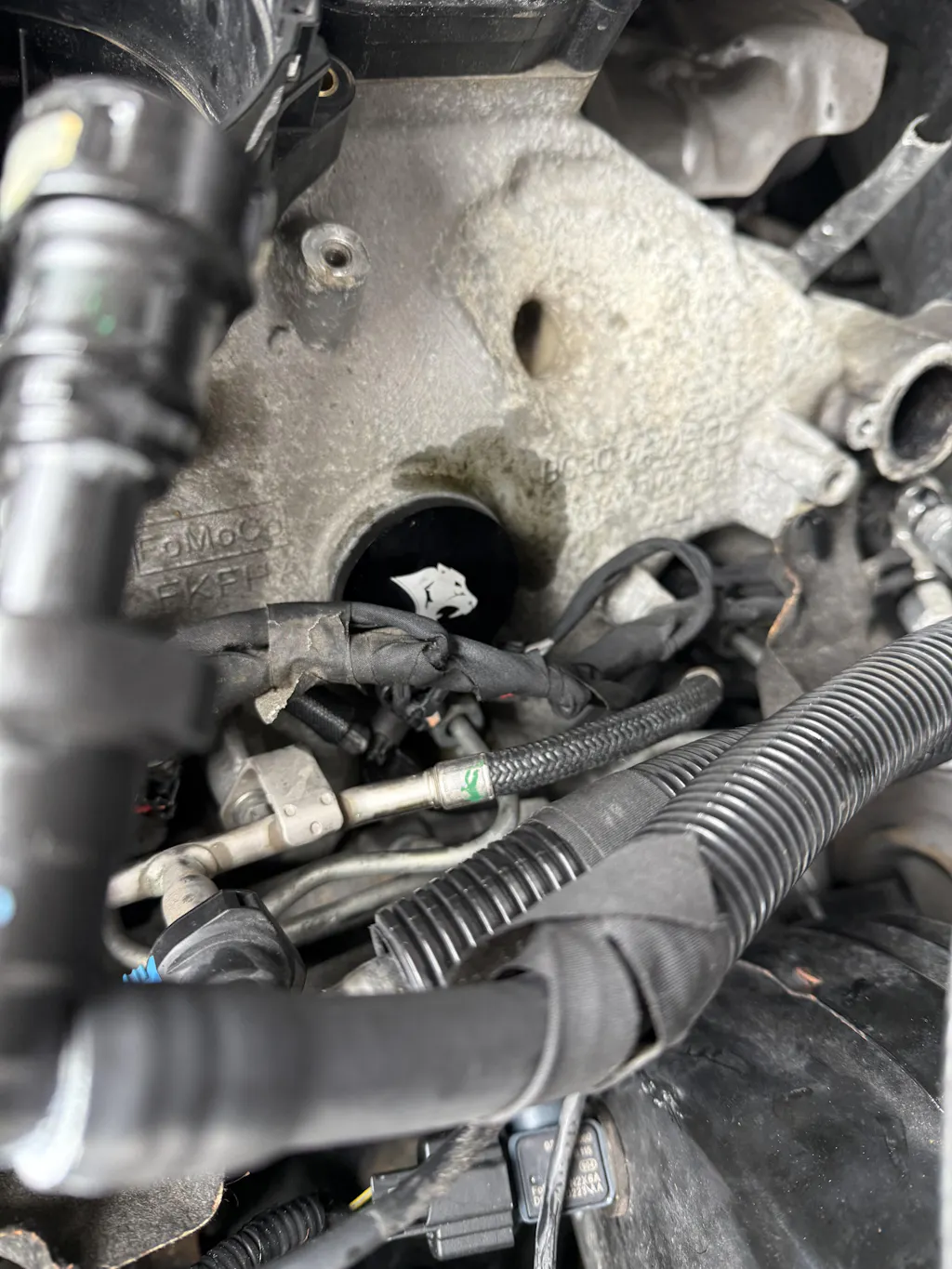
eugene keller
Ccv kit 2016 ford f250
Installed CCV catch can kit for a 2016 Ford F250 very easy to install so far no issues would recommend/seems to be very good quality/
CCV Reroute/Delete Kit 2011-2025 Ford 6.7 Powerstroke F250 F350 F450 F550 w/Catch Can | SPELAB