2 Products
CP4 Disaster Prevention Kit | CP4 Bypass Kit
A failing high-pressure pump can send metal debris through the entire fuel system of a 6.7L Powerstroke. A CP4 Bypass Kit redirects return fuel back to the tank to help protect injectors, rails, and other critical components.
Why CP4 Pump Failures Can Damage the Entire Fuel System
The high-pressure pump in the 6.7 Powerstroke fuel system operates with extremely tight tolerances. If internal wear occurs, small metal particles can form inside the pump housing. Without any form of protection, those particles can quickly spread throughout the rest of the fuel system.
Once contamination begins, the debris can travel through several critical components at once.
| Fuel System Component | Risk After Pump Failure |
|---|---|
| Fuel Injectors | Fine metal particles can clog or damage precision injector components |
| Fuel Rails | Contaminated high-pressure fuel circulates through the rail system |
| High-Pressure Fuel Lines | Debris spreads throughout both supply and return circuits |
| Fuel Return System | Particles continue circulating through the system |
| Fuel Tank | Often requires cleaning or flushing during repairs |
Because contamination spreads quickly, repairing this type of failure often requires replacing multiple components rather than just the pump itself. In many cases, a full fuel system repair can cost between $8,000 and $12,000 depending on parts and labor.
How CP4 Disaster Prevention Kits Protect Your Powerstroke
CP4 bypass kits work by changing the path that fuel takes when leaving the high-pressure pump. Instead of allowing potentially contaminated fuel to travel toward the injectors, the system redirects it back toward the fuel tank through a dedicated return line.
The simplified flow paths below illustrate the difference between a factory configuration and a system equipped with a CP4 disaster prevention kit.
In the factory configuration, fuel leaving the pump continues toward the rails and injectors. If contamination occurs, those components are exposed immediately.
With a CP4 disaster prevention kit installed, the system reroutes the return path so debris generated inside the pump is directed back to the tank instead of entering the high-pressure injection system.
Which 6.7 Powerstroke Trucks Use This Pump Design?
This type of high-pressure pump design was used in early generations of the 6.7L Powerstroke diesel engine. Owners of these trucks commonly install CP4 bypass kits as a preventative upgrade.
- 2011 Ford F250/F350/F450/F550 Super Duty 6.7L Powerstroke
- 2012 Ford F250/F350/F450/F550 Super Duty 6.7L Powerstroke
- 2013 Ford F250/F350/F450/F550 Super Duty 6.7L Powerstroke
- 2014 Ford F250/F350/F450/F550 Super Duty 6.7L Powerstroke
- 2015 Ford F250/F350/F450/F550 Super Duty 6.7L Powerstroke
- 2016 Ford F250/F350/F450/F550 Super Duty 6.7L Powerstroke
- 2017 Ford F250/F350/F450/F550 Super Duty 6.7L Powerstroke
- 2018 Ford F250/F350/F450/F550 Super Duty 6.7L Powerstroke
- 2019 Ford F250/F350/F450/F550 Super Duty 6.7L Powerstroke
- 2020 Ford F250/F350/F450/F550 Super Duty 6.7L Powerstroke
- 2021 Ford F250/F350/F450/F550 Super Duty 6.7L Powerstroke
- 2022 Ford F250/F350/F450/F550 Super Duty 6.7L Powerstroke
- 2023 Ford F250/F350/F450/F550 Super Duty 6.7L Powerstroke
- 2024 Ford F250/F350/F450/F550 Super Duty 6.7L Powerstroke
- 2025 Ford F250/F350/F450/F550 Super Duty 6.7L Powerstroke
The same system was also used across other Super Duty models during those years, including F-350, F-450, and F-550 trucks equipped with the 6.7L diesel engine.
Why Many Powerstroke Owners Install a CP4 Bypass Kit
- Helps prevent catastrophic fuel system contamination
- Protects expensive injectors and fuel rails
- Costs far less than a full fuel system repair
- Common preventative upgrade among diesel truck owners
- Simple installation compared with major fuel system modifications
For owners who rely on their trucks for towing, work, or long-distance driving, this upgrade offers additional peace of mind against one of the most expensive failures associated with modern diesel fuel systems.
Quick and Simple CP4 Bypass Installation
Most CP4 disaster prevention kits install as a bolt-on upgrade that integrates with the factory fuel system. The process typically involves adding a bypass line and fittings that redirect the fuel return path.
Installation usually takes about one to two hours using basic hand tools. Because the pump itself does not need to be removed, this upgrade is considered one of the simpler preventative modifications for the 6.7 Powerstroke platform.
 SPELAB CP4 Bypass/Disaster Prevention Kit Installation
Symptoms of CP4 Pump Failure on 6.7 Powerstroke
Before a high-pressure fuel pump experiences a complete failure, many trucks begin to show early warning signs. Recognizing these symptoms early can help prevent more severe damage to the fuel system.
Because the injection system operates at extremely high pressure, even small internal wear inside the pump can affect fuel delivery and engine operation.
| Common Symptom | Possible Cause |
|---|---|
| Hard starting or extended crank time | Fuel pressure may be dropping due to internal pump wear |
| Sudden loss of engine power | High-pressure fuel supply becomes inconsistent |
| Engine entering limp mode | Fuel pressure readings fall outside normal ECU limits |
| Metal particles found in the fuel filter | Internal pump components may be beginning to wear |
| Check engine light with fuel pressure codes | The fuel system may be detecting pressure irregularities |
One of the most serious warning signs is the presence of metallic debris in the fuel filter housing. This can indicate that internal components inside the pump are beginning to break down.
If contamination spreads beyond the pump, the debris can travel toward injectors, rails, and fuel lines. Once this happens, repairing the system becomes significantly more expensive.
For this reason, many diesel owners choose to install a CP4 bypass kit as preventative protection. By redirecting the return fuel path, the system helps prevent debris from reaching the most sensitive components in the fuel system.
Why Choose SPELAB CP4 Disaster Prevention Kits?
- Engineered for High-Pressure Performance: Specifically designed for 6.7L Powerstroke demands, rated for 350 PSI working pressure and 700 PSI burst pressure, ensuring reliability under heavy towing and high-load conditions.
- Superior 9-Micron & 20-Micron Filtration: Industry-leading protection options: our 2011-2025 kits feature a 9-micron filter with 99% efficiency, while our 2011-2016 kits utilize a patented, reusable 20-micron return-side filter to trap microscopic metal shavings.
- CNC-Machined 6061 Billet Aluminum: Every bypass block is precision CNC-machined from high-strength 6061 billet aluminum with a leak-free metal ball seal design—eliminating threads that can create internal metal contamination.
- OE-Style NBR Fuel Lines & Quick Connects: Uses premium NBR rubber fuel lines and OE-style quick-connect fittings for a 100% plug-and-play installation. No cutting of factory lines is required, keeping your 6.7 Powerstroke system intact.
- Enhanced High-RPM Fuel Delivery: Our engineered bypass routing is proven to improve CP4 pump output past 3,000 RPM, providing consistent fuel flow even when your F250, F350, or F450 is pushed to its performance limits.
- Cost-Effective Fuel System Insurance: A minor investment that prevents a $12,000+ repair catastrophe. By redirecting contaminated fuel back to the tank, you protect your expensive injectors, rails, and lines from CP4 pump failure debris.

CP4 Bypass/Disaster Prevention Kit For 2011-2025 6.7 Powerstroke Diesel Ford F250/F350/F450 | SPELAB
For Powerstroke owners who rely on their trucks for work, towing, or long-distance driving, a CP4 disaster prevention kit offers added protection and peace of mind against one of the most expensive fuel system failures in modern diesel engines.
Protect Your 6.7 Powerstroke Fuel System
If you own a 2011–2019 6.7L Powerstroke truck, installing a CP4 bypass kit is one of the most widely recommended preventative upgrades. While it cannot stop the pump itself from failing, it can significantly reduce the damage caused by contamination in the event of a failure.
For many diesel owners, this small upgrade provides valuable protection against one of the most expensive fuel system repairs found in modern diesel trucks.


Let customers speak for us
Mike M.
Very Well Built
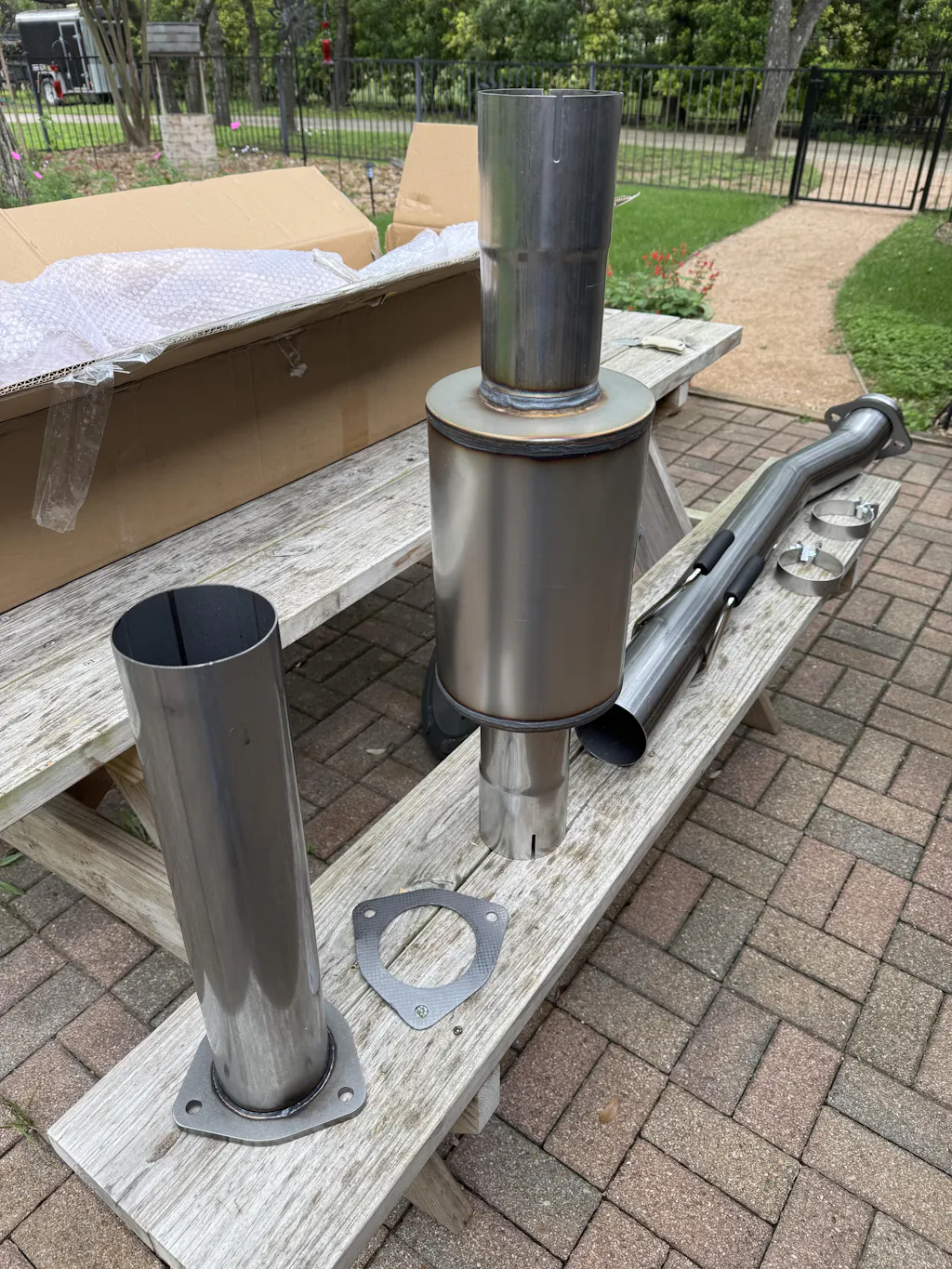
Welds look solid and professional quality, I have not installed them yet but I did put them in place under truck to ensure length and thus far everything looks good. I will give an update after install and on the road with them
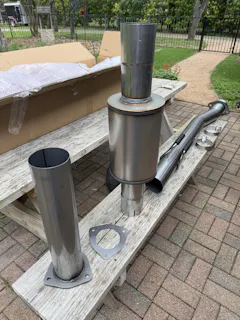
4‘’ 2011-2023 Ford 6.7 Powerstroke DPF Delete Race Pipe w/Muffler | SPELAB
Michael D.
EGR Block-off Plate For 2009-2025 Dodge Ram 2500/3500 6.7L Diesel
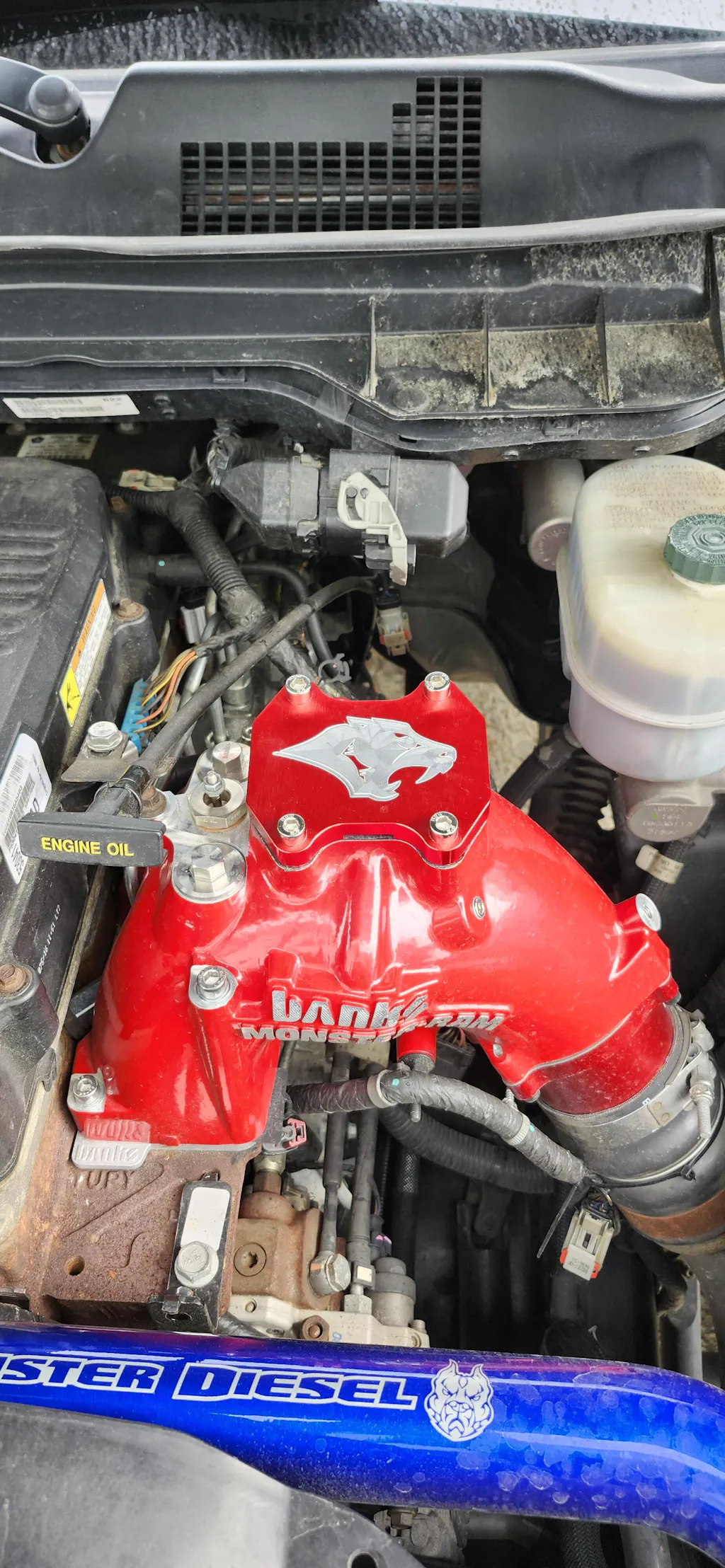
Product came in earlier than expected and is made out of high quality materials. SPELAB hasn't let me down yet!!
EGR Block-off Plate For 2009-2025 Dodge Ram 2500/3500 6.7L Diesel | SPELAB
Ron Field
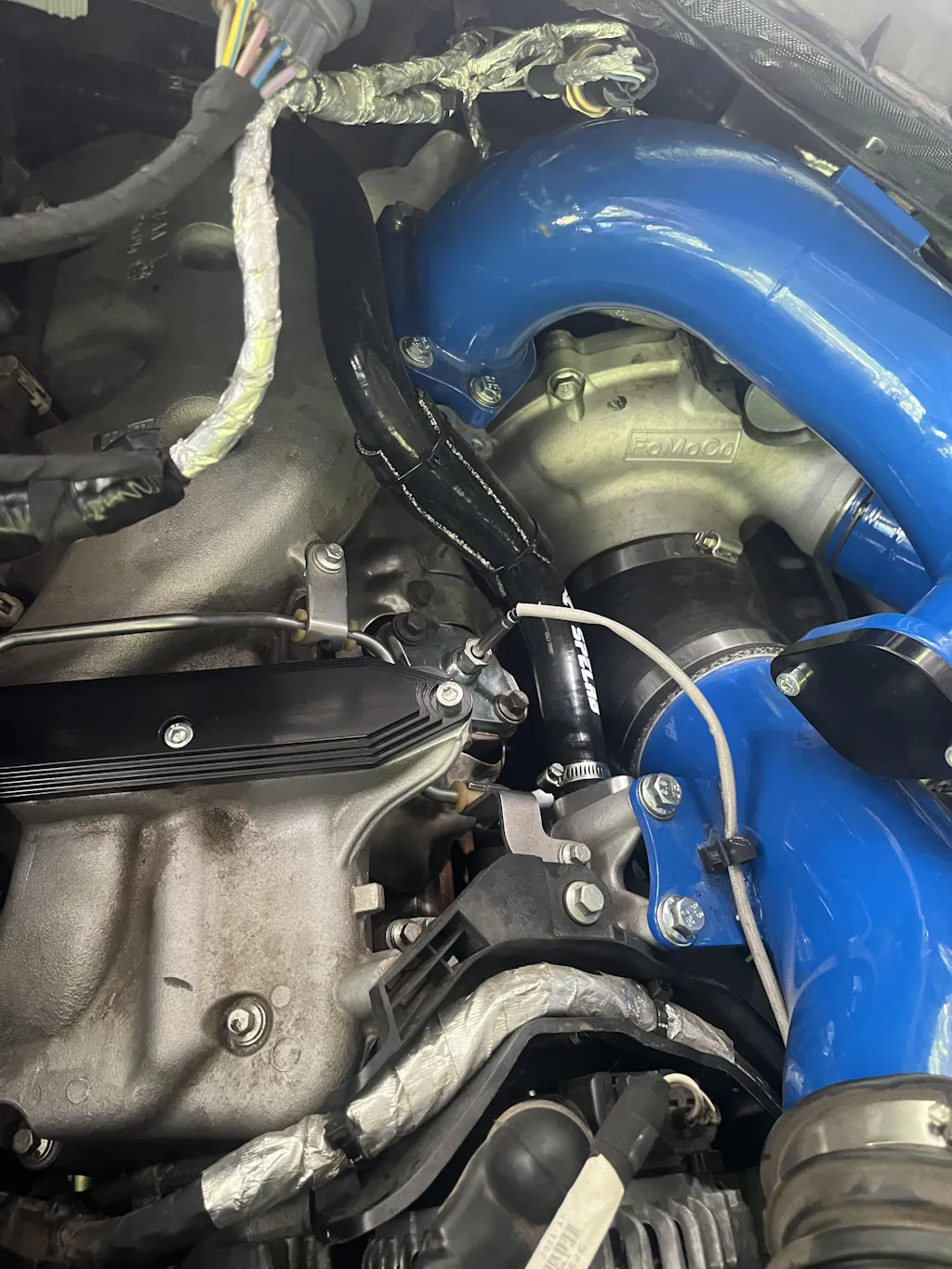
F250 coolant reroute kit.
The product installed perfectly high-quality superior part. For my 2022 f350. Coolant reroute kit.
Worry-Free Purchase
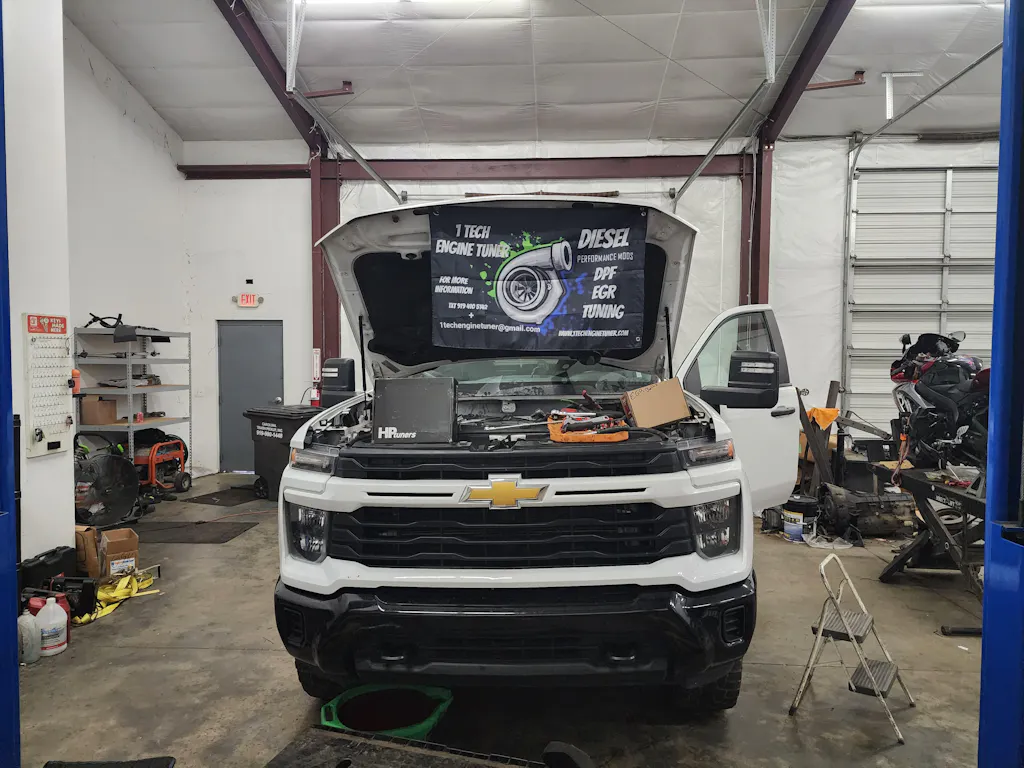
Corey Yergeau
Fits perfectly
Everything works great all parts fit hangers fit have pictures if needed
EGR/DPF Delete Kit 2017-2025 L5P 6.6L Duramax Applicable Products | SPELAB
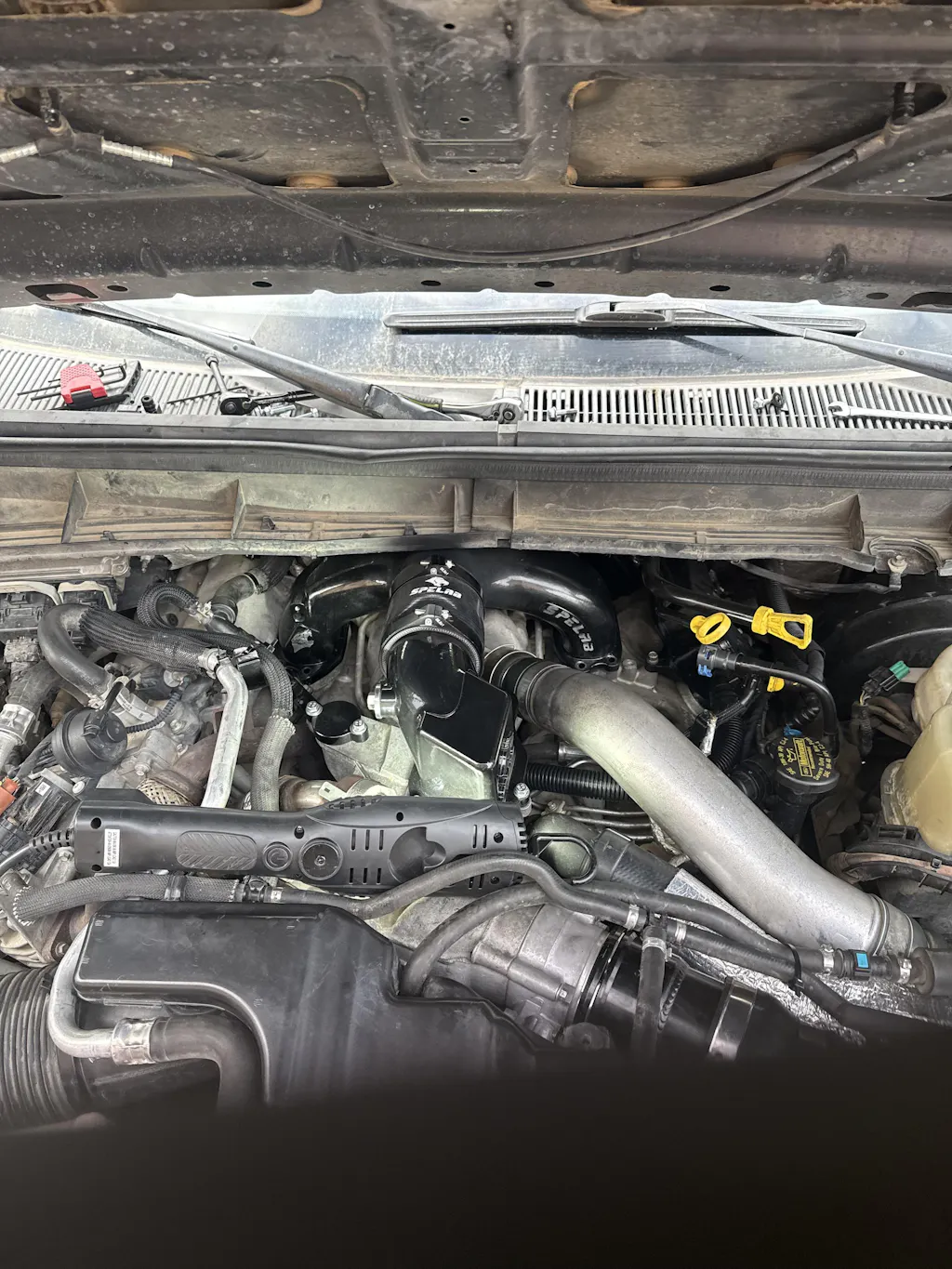
Lee Mullert
2014 F350
This is a really nice set up inexpensive but well-made. Make sure you use 1/4 inch drive and torque wrench, if you get the half socket 10mm and multi size extensions even better it’ll make getting those two back bolts easy
Intake Manifold for 2011–2019 Ford F250 F350 F450 F550 6.7L Powerstroke | SPELAB
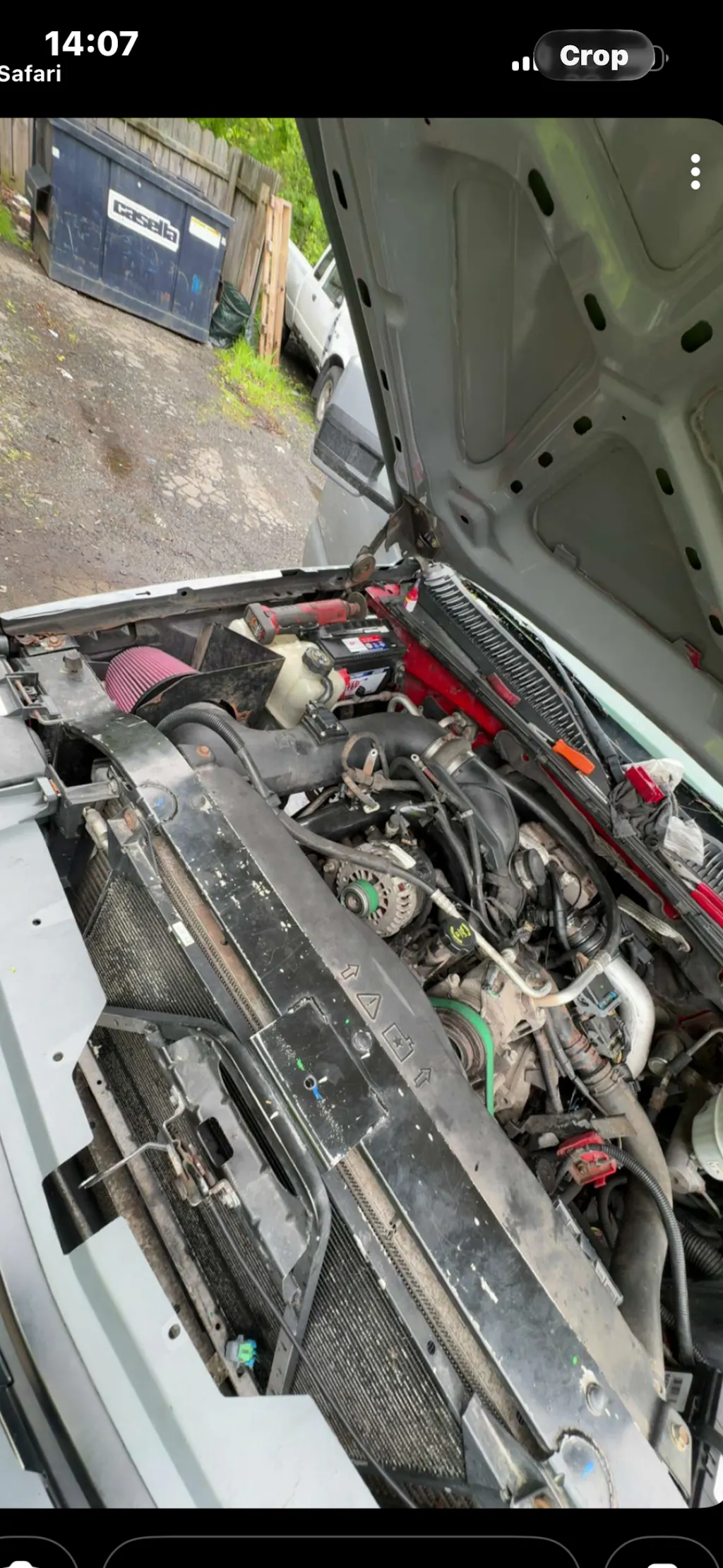
CP
EGR delete is mint
Makes truck breathe better and will definitely blow your y bridge out so do that while you’re in there looks great and fits up pretty good not perfect
SPELAB 2006-2007 6.6L Duramax LBZ EGR Delete Kit w/High Flow Intake Elbow
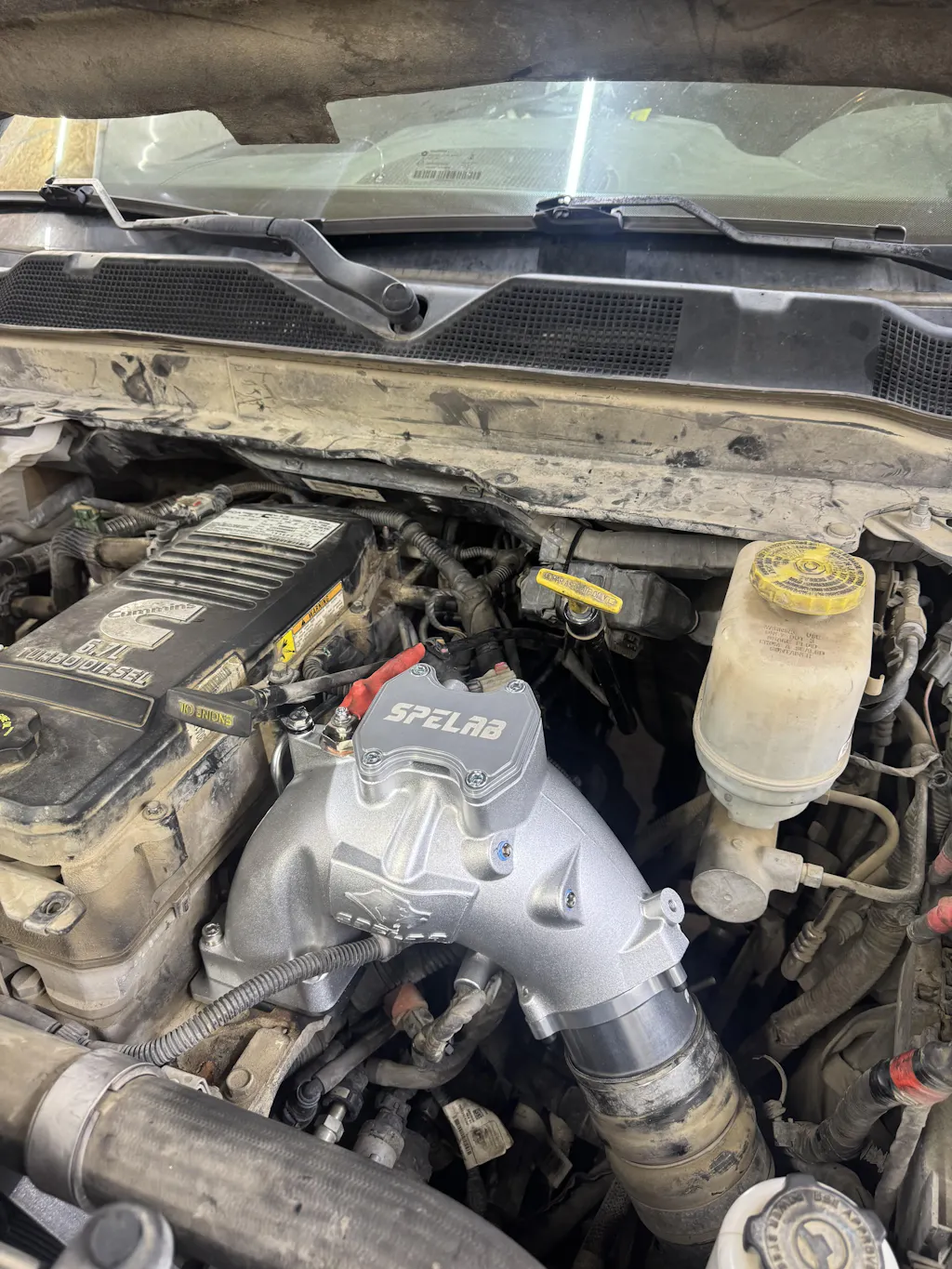
Drew Cook
Great Fit and Easy Install
Installed this SPELAB EGR Throttle Valve Delete on my 6.7 Cummins and the fitment was perfect. The kit was well made, installation was straightforward, and all the necessary parts were included. Everything lined up as it should and the truck runs great. Highly recommend for anyone looking for a quality replacement component.
EGR Throttle Valve Delete for 2007-2025 Dodge Ram 6.7L Diesel | SPELAB
Nick F
Budget friendly
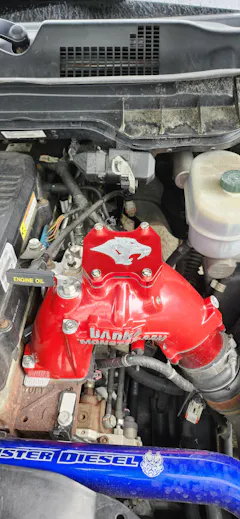
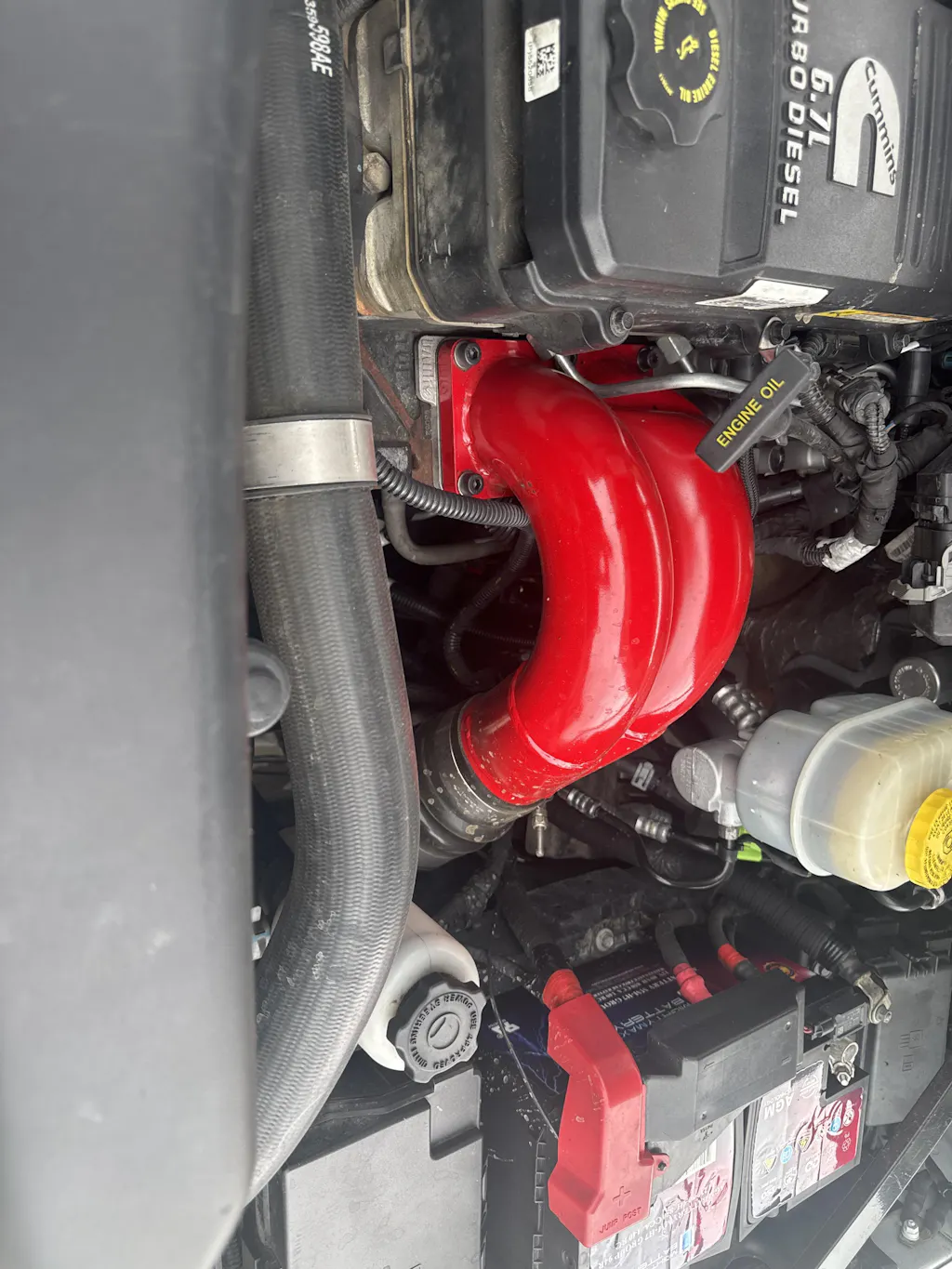
I originally had the Banks Monster Ram intake with grid heater delete, and costed $1200. Recently I decided to give Spelab a try for their 3.5” pusher style intake with grid heater delete. Fraction of the price and performs the same. Only regret I have was my purchase of Banks.
3.5‘’ Intake Manifold with Heating Element for 2007-2024 Dodge Ram 2500/3500 6.7L Diesel | SPELAB
Shawn Plank
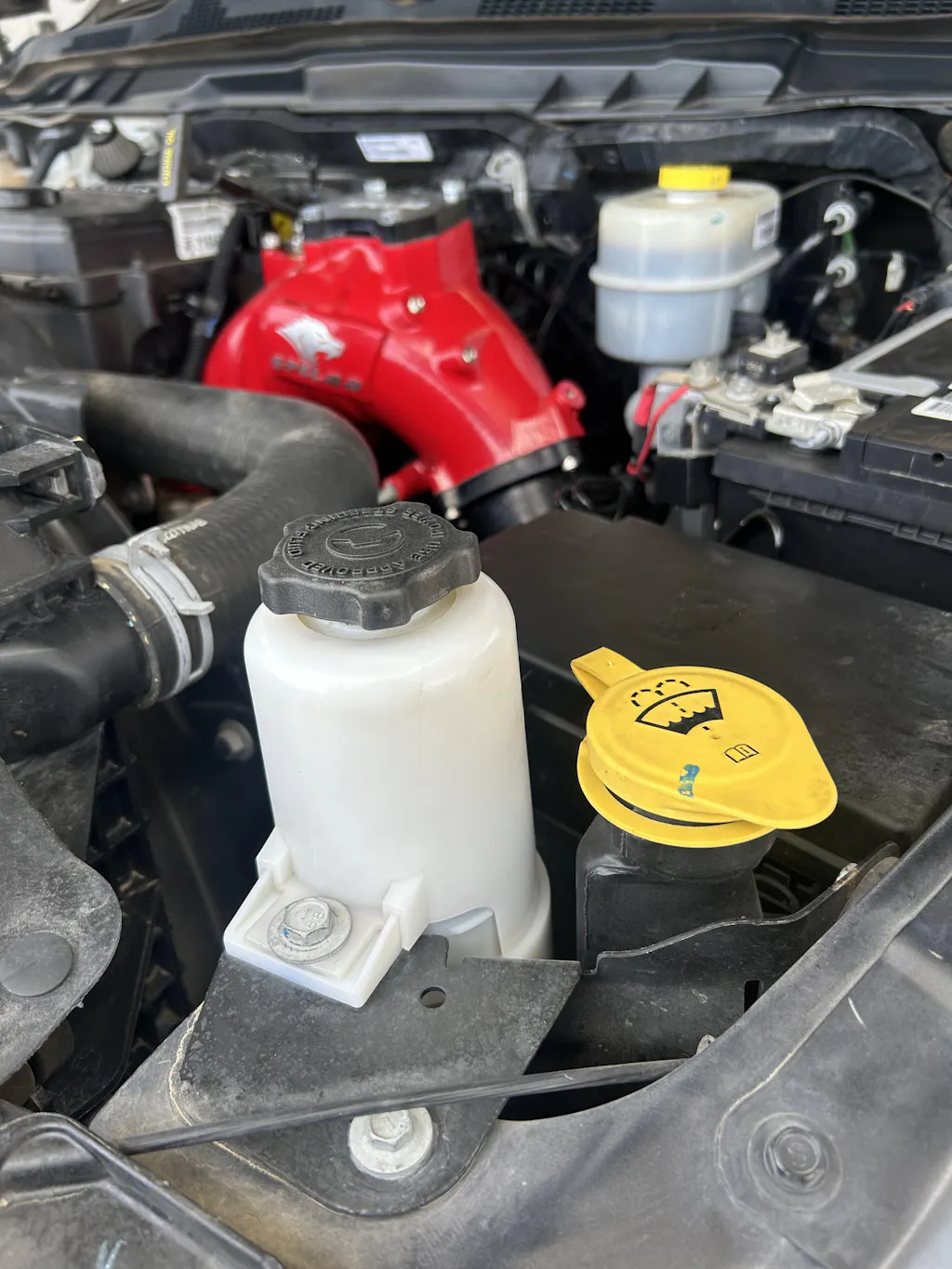
Heater element
Great product
Heating Element for 2007.5–2024 Dodge Ram 6.7L Diesel | SPELAB
Isaac Wood
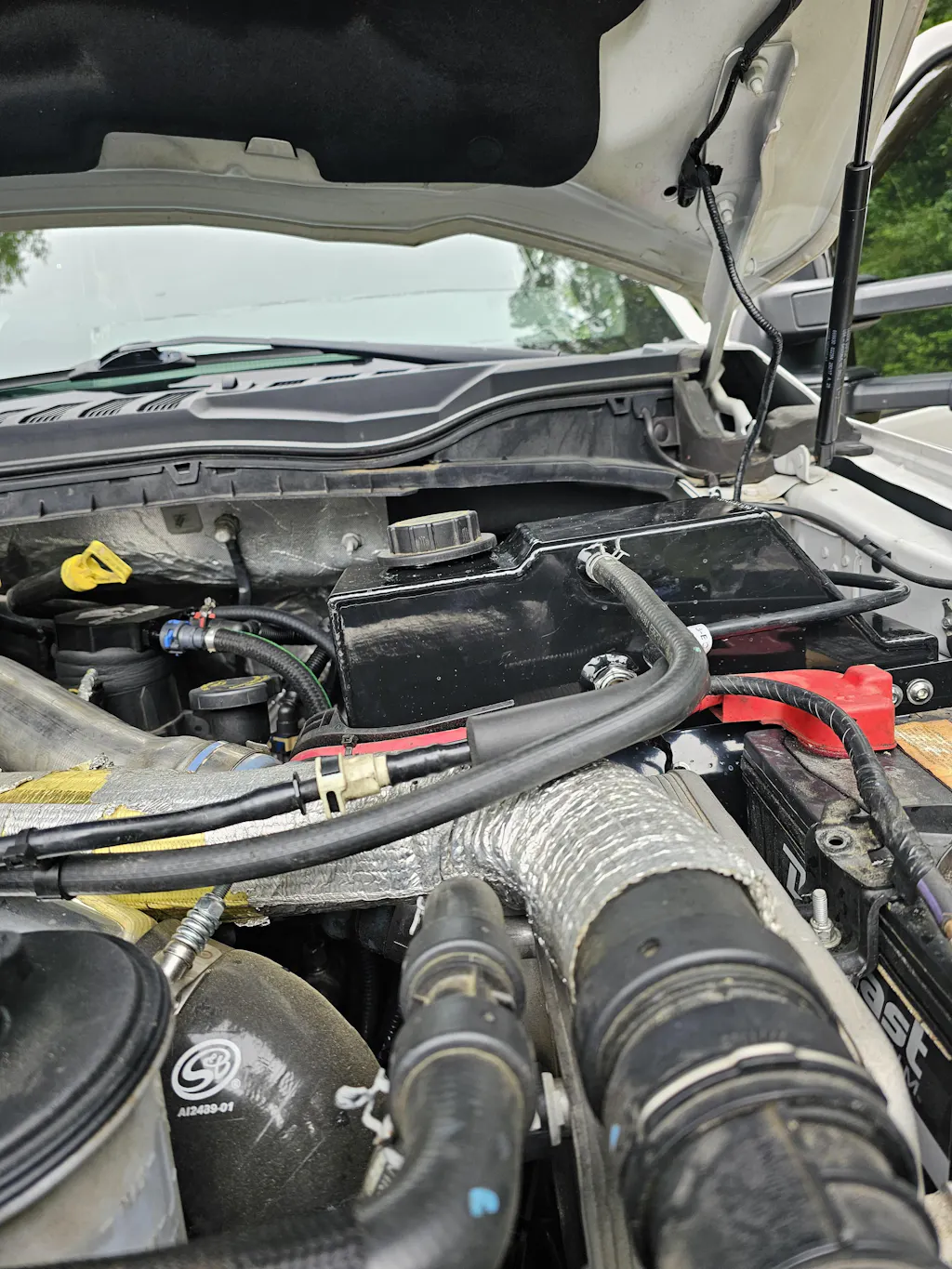
Good product fast sipping was not that bad of a job
Worry-Free Purchase
John Marcotte
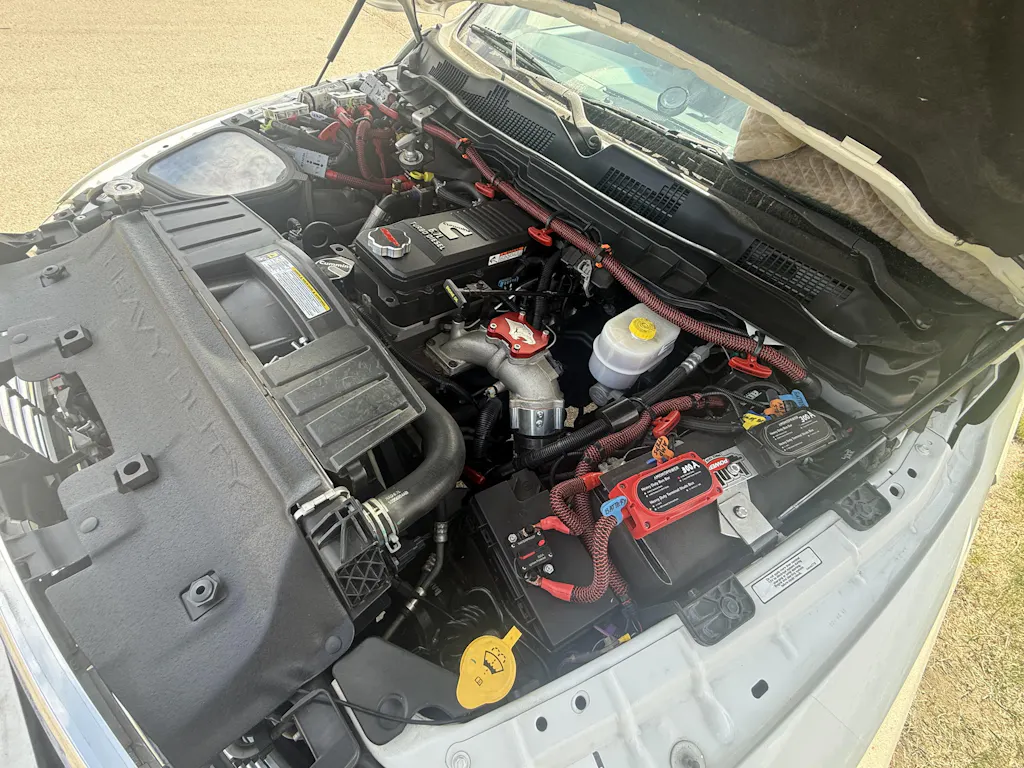
Very nice billet
Nicely done ✅
EGR Block-off Plate For 2009-2025 Dodge Ram 2500/3500 6.7L Diesel | SPELAB
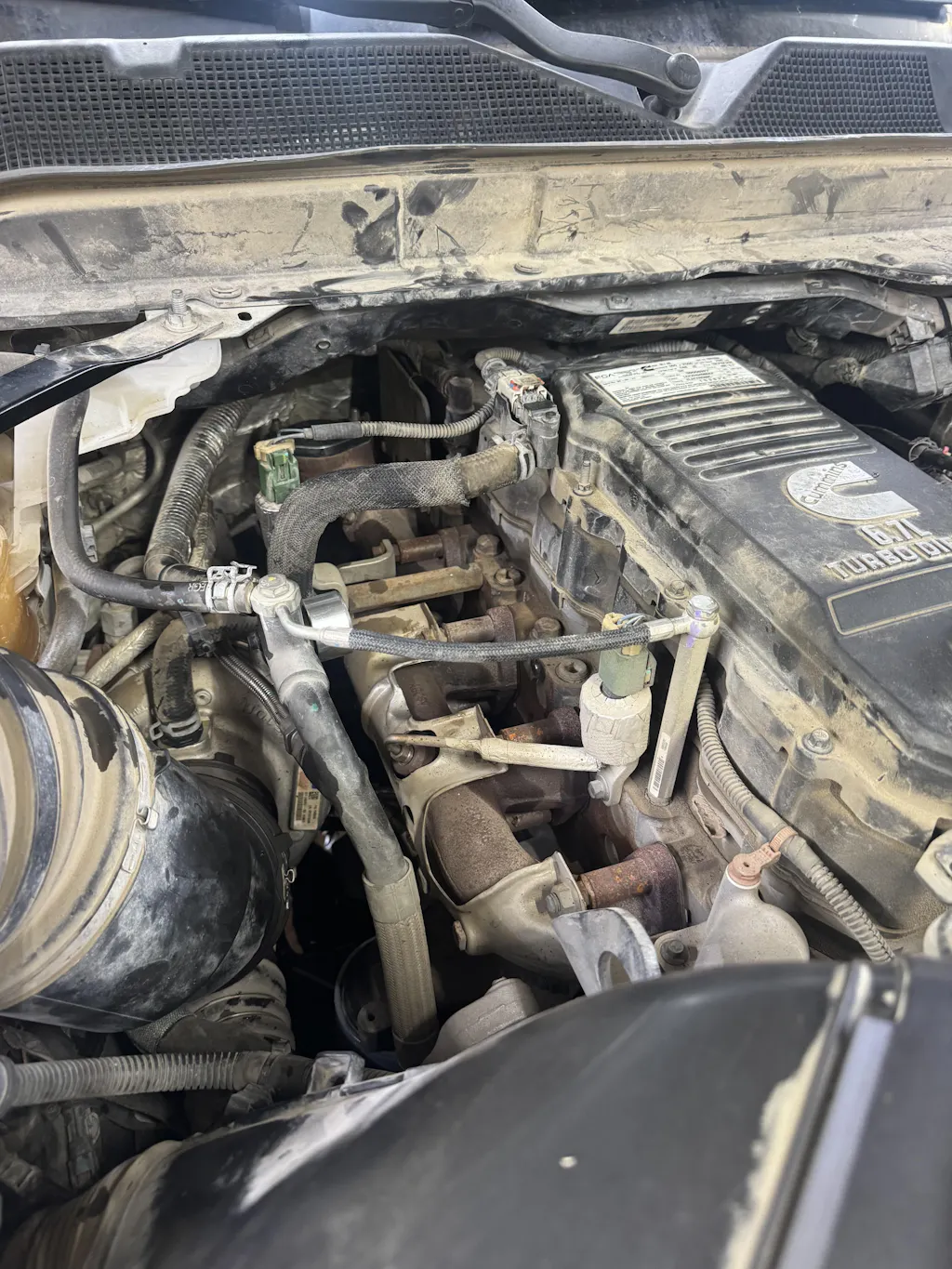
Drew Cook
Reliable Quality and Perfect Fit
Easy installation and everything fit perfectly. The kit is well-made, comes with the necessary components, and worked as expected. Shipping was fast and the quality exceeded my expectations. Highly recommend for anyone looking for a reliable EGR delete kit.
EGR Delete Kit for 2013-2023 Dodge Ram 6.7L Diedel Cab & Chassis SPELAB
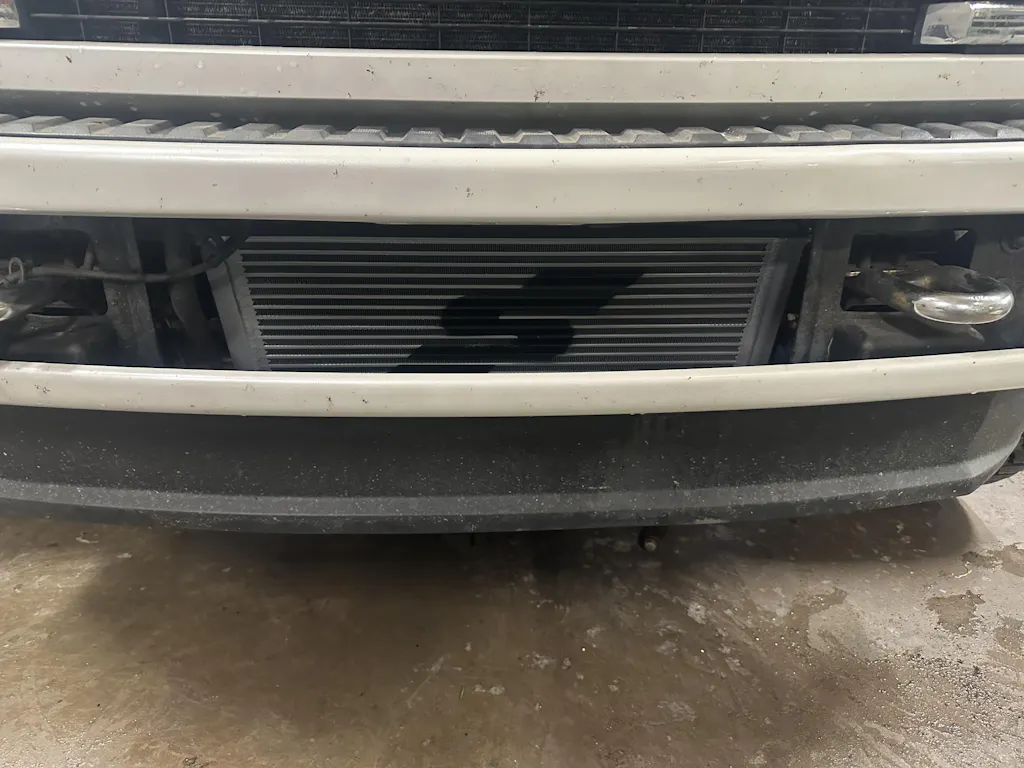
Jason Hanshaw
Quality construction
Very impressed with the quality of the cooler. Couldn’t find any instructions for the install. However, I was able to figure it out and plan to post a video for anyone else who may need help with the install.
Transmission Cooler Kit For 2011-2016 Ford 6.7L Powerstroke Trans Cooler Kit | SPELAB
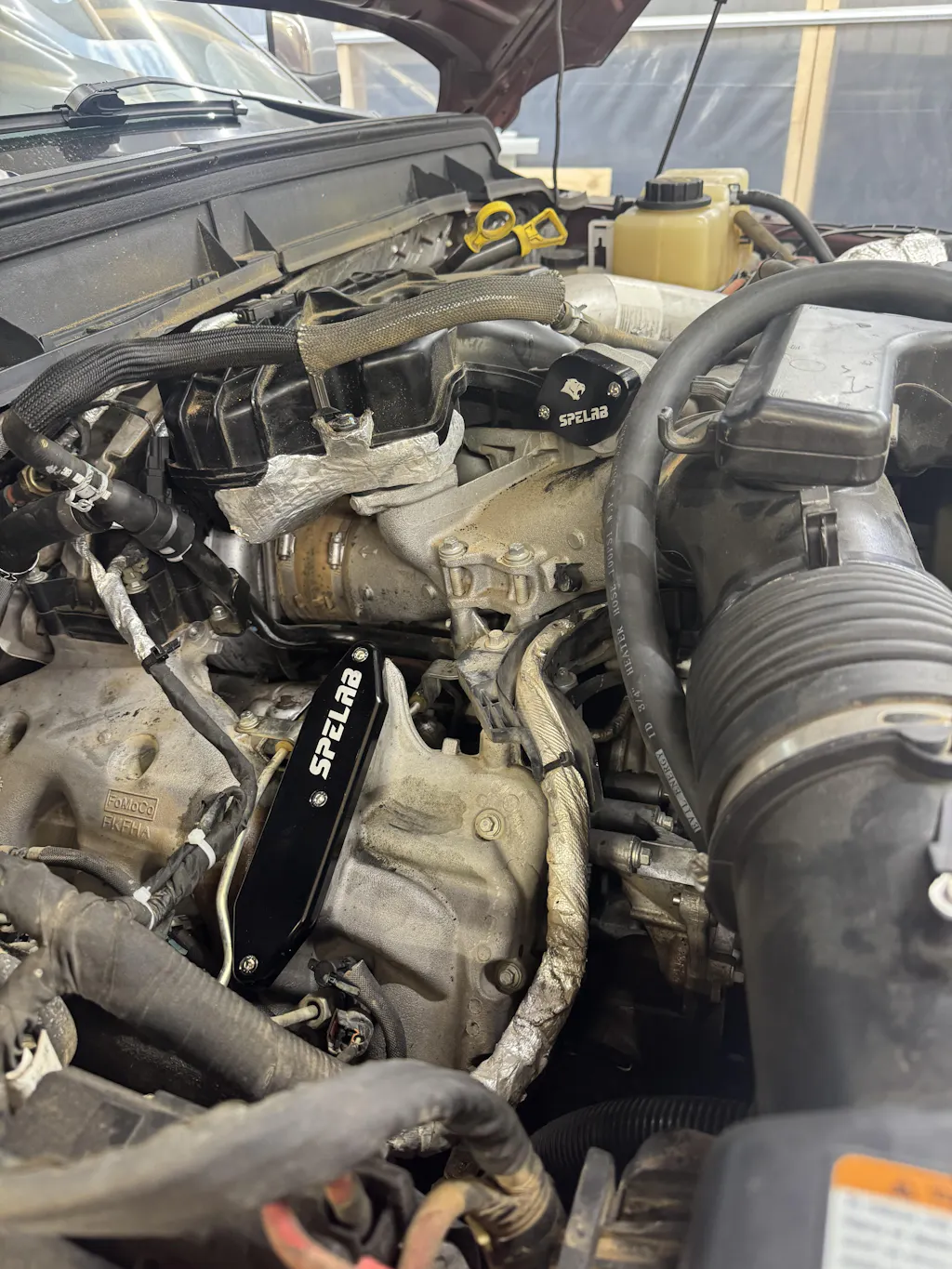
Drew Cook
Great Fit and Easy Install
Installed this on my 2015 6.7 Powerstroke and everything fit perfectly. Quality parts, straightforward install, and noticeable improvement in engine temps and reliability. Would definitely recommend this kit to anyone doing an EGR delete.
SPELAB 2015-2016 Ford 6.7L Powerstroke EGR Cooler Delete Kit
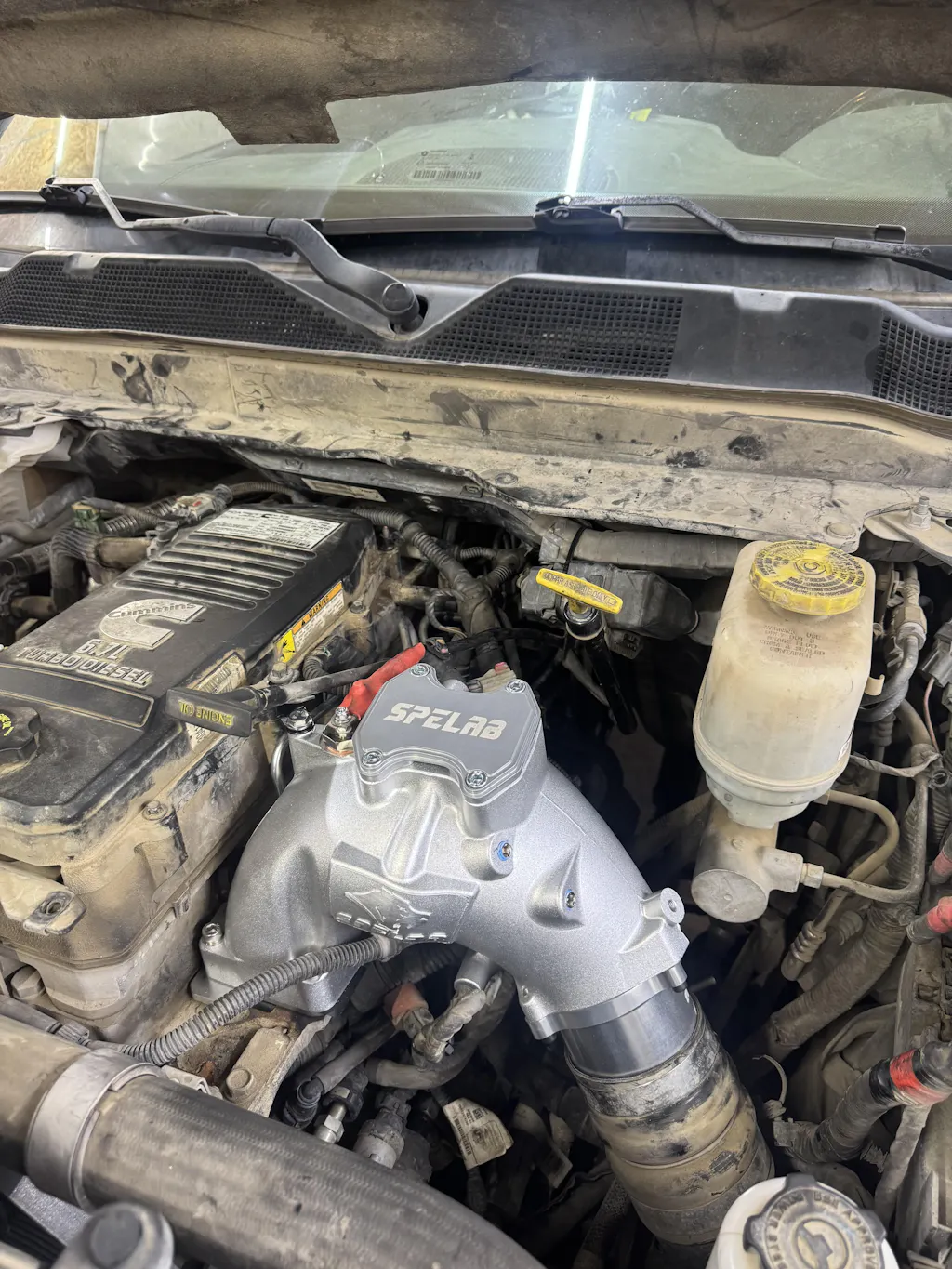
Drew Cook
2019 cab and chassis
Installed on a 2019 Ram cab and chassis with no issues. Fitment was good, quality looks solid, and throttle response feels better. Definitely recommend this intake horn/grid heater upgrade.
Intake Horn/Manifold Grid Heater for 2007-2024 Dodge Ram 2500/3500/4500/5500 6.7 Diesel | SPELAB