
Updated: May 18, 2026
The factory grid heater on a Dodge Ram 6.7L Cummins exists for a reason: it helps cold starts, reduces white smoke during startup, and supports the factory cold-start strategy. But it also sits directly in the intake path and introduces one of the most feared low-frequency, high-consequence failure points on the platform: the loose grid heater nut, often called the “Killer Bolt.”
Quick answer: Many 6.7 Cummins owners delete the grid heater to reduce the risk of grid heater hardware falling into the engine, improve intake airflow geometry, simplify the intake path, and support long-term reliability in performance or towing builds. The trade-offs are colder-start difficulty in winter, possible intake heater codes such as P2609 or P0542, emissions-compliance concerns, warranty risk, and the need for careful sealing and calibration planning.
This guide explains what the grid heater does, why the Killer Bolt became controversial, when a grid heater delete makes sense, when it is not worth it, how cold starts are affected, and which upgrades should be considered while the intake horn is already removed.
What Is the Grid Heater on a 6.7 Cummins?
The grid heater is an electric intake-air heater mounted between the intake horn and the cylinder head area on many Dodge Ram 6.7L Cummins trucks. Its job is to warm incoming air during cold starts so the engine can light off more cleanly and stabilize combustion sooner.
From the OEM perspective, the grid heater helps with:
- Cold-start combustion stability
- Reduced white smoke during startup
- Lower cold-start hydrocarbon output
- Idle stability during warm-up
- Factory emissions and drivability calibration strategy
For a product reference, see the 6.7 Cummins grid heater delete plate.

Legal and Compliance Notes Before You Modify It
Any modification to emissions-related components, intake heating strategy, or factory calibration should be treated carefully. For vehicles used on public roads in the United States, tampering with emissions control systems can violate the Clean Air Act.[1]
The grid heater itself is not the same thing as an EGR, DPF, or SCR system, but it may be connected to the factory cold-start and emissions strategy depending on model year and calibration. If the truck is street-driven, inspected, under warranty, or commercially used, confirm the legal and warranty implications before deleting or recalibrating any factory system.
Why the Grid Heater Became Controversial
The controversy is not simply that the grid heater restricts airflow. On a mostly stock truck, the airflow restriction is usually not the first issue owners notice. The bigger reason owners talk about deleting it is the exposed retaining hardware inside the intake stream.
Over time, heat cycling, vibration, and repeated expansion/contraction can loosen the retaining nut or related hardware. If a piece detaches, it can be pulled into the intake runner and enter the engine. That is the failure known in Cummins communities as the Killer Bolt.
For more background, read how to prevent grid heater bolt failure.
The Killer Bolt Failure: Low Probability, High Consequence
The Killer Bolt is not the most common 6.7 Cummins failure. Turbo wear, emissions faults, coolant leaks, injector issues, and intake contamination may show up more often. But the grid heater nut problem is feared because the consequence can be catastrophic.
If hardware enters the intake and reaches a cylinder, possible damage can include:
- Piston crown damage
- Valve damage
- Cylinder head damage
- Cylinder wall scoring
- Turbo contamination from debris after failure
- Complete engine teardown or replacement
From a reliability engineering standpoint, this is a classic low-frequency, high-impact failure mode. It may not happen to every truck, but if it does happen, the repair is rarely minor.
Why Cylinder #6 Gets Mentioned So Often
Cylinder #6 is frequently discussed because of the 6.7 Cummins longitudinal inline-six layout and rear-runner position. The rear of the engine sits closest to the firewall, which makes inspection, repair, and damage recovery more difficult if loose hardware reaches that area.
It is too aggressive to claim every loose nut will always go into Cylinder #6. A more accurate explanation is that the rear runner area is one of the most feared outcomes because the intake-path geometry, gravity, and airflow direction can make hardware ingestion highly destructive if it reaches the back of the manifold. For owners, the key takeaway is simple: loose hardware inside the intake stream is unacceptable anywhere.
Airflow Restriction: Does the Grid Heater Hurt Performance?
The grid heater element partially obstructs the intake path. On a stock truck, peak horsepower gains from removing it are usually modest. The more realistic benefit is cleaner intake geometry, reduced turbulence, and better sealing when paired with a quality intake horn or intake manifold upgrade.
In tuned, high-boost, or heavy-towing applications, smoother airflow can matter more because the turbo is trying to deliver consistent boost under load. The benefit is usually felt more as response and stability than as a dramatic dyno number.

The Intake Pressure Drop Problem
The intake system’s job is simple: deliver compressed air from the turbo and charge-air system into the engine with as little loss and turbulence as possible. Any obstruction, poor sealing surface, or intake bottleneck can increase pressure loss.
A simple way to think about intake-side restriction is:
ΔP = Pboost - Pplenum
Here, Pboost is the pressure the turbo and charge-air system are trying to deliver, while Pplenum is the usable pressure available in the intake plenum. When the grid heater matrix, soot buildup, gasket mismatch, or a leaking flange creates restriction, the engine may receive less usable air than expected under load.
In heavy towing or higher-boost setups, increased pressure drop can force the turbocharger to work harder to maintain the same target airflow. The driver may feel that as slower VGT response, higher EGTs, weaker throttle response, or less consistent boost recovery on long grades.
This is why many owners pair a grid heater delete with a smoother Cummins intake manifold and intake horn upgrade rather than treating the delete plate as a standalone performance part.
Electrical and Diagnostic Considerations
The grid heater is a high-current electrical component. Removing or disabling it may reduce one electrical load, but it may also trigger diagnostic trouble codes depending on model year, wiring, and calibration.
| Code / Issue | What It Usually Means | What to Check |
|---|---|---|
| P2609 | Intake air heater system performance | Grid heater circuit, relay, wiring, calibration, intake heater status |
| P0542 | Intake air heater circuit high | Power feed, relay, wiring, heater circuit, ECM logic |
| Hard cold start | Reduced intake-air heating during cold conditions | Battery health, block heater, intake heater strategy, fuel quality |
| Boost leak after installation | Poor gasket seal or incorrect torque | Plate gasket, intake horn flange, clamps, pressure test |
A grid heater delete should not be treated as “remove parts and hope.” The electrical side, sealing side, and calibration side all need to be planned.
Cold Start Strategy Without a Grid Heater
Cold starts are the main trade-off. Above roughly 20°F (-6°C), many owners report that a healthy 6.7 Cummins starts acceptably without the factory grid heater. Below that, cold-start quality depends more heavily on preparation.
Cold-weather strategies include:
- Use the factory block heater in winter.
- Keep batteries and cables in excellent condition.
- Use the correct winter-rated engine oil, often 5W-40 synthetic where appropriate.
- Use winter-grade diesel and anti-gel additive when needed.
- Allow idle to stabilize before loading the engine.
- Do not ignore weak injectors, poor compression, or slow cranking speed.
For owners in extremely cold regions, a full “no heat” setup may not be the best daily-driver choice. Some owners prefer an upgraded intake design or relocated heating solution that reduces intake-stream hardware risk while keeping cold-start support.
Grid Heater Delete vs. Relocated Heater vs. Stock Replacement
There is no single best answer for every truck. The right choice depends on climate, use case, emissions requirements, warranty status, and risk tolerance.
| Option | Best For | Trade-Offs |
|---|---|---|
| Keep stock grid heater | Stock daily drivers in cold climates | Maintains cold-start support but retains factory hardware risk |
| Grid heater delete plate | Moderate climates, performance builds, owners prioritizing reliability risk reduction | Cold-start help is reduced; codes may require calibration strategy |
| Relocated single-element intake heater | Cold climates where owners want reduced intake-stream hardware risk and retained heating support | More complex; fitment, wiring, calibration, and legal use case must be verified |
| Upgraded intake manifold with safer design | Owners upgrading airflow while addressing grid heater concerns | Higher upfront cost but better system-level improvement |
For cold-region owners, the ideal solution may not be “delete all heat.” A relocated single-element intake heater or a purpose-built intake system can move the heating function away from the most dangerous exposed hardware location while preserving better winter-start support. This type of setup is most relevant for trucks in Alaska, Canada, mountain states, or any region where sub-freezing starts are routine.
For system-level airflow upgrades, review the ultimate intake system kit collection.
Cost Comparison: Prevention vs. Failure
Cost is one reason owners take this modification seriously. A grid heater delete plate is relatively inexpensive compared with engine teardown.
| Scenario | Typical Cost Range | Notes |
|---|---|---|
| Delete plate kit | Usually low hundreds | Parts only; depends on kit and year |
| Professional installation | Often several hundred dollars | Depends on shop rate, rust, access, and paired upgrades |
| Boost leak repair after poor install | Variable | Usually caused by gasket alignment, surface prep, or torque error |
| Engine damage from hardware ingestion | Can exceed thousands to five figures | Depends on piston, valve, head, cylinder, and turbo damage |
That is why owners often describe the grid heater delete as preventative insurance. But like any insurance decision, it should be based on actual use case, climate, and legal considerations.
Installation Overview
This is not a full installation manual, but the general workflow helps owners understand what is involved.
- Disconnect batteries and allow the engine to cool.
- Remove the intake horn and related intake plumbing.
- Disconnect the heater power lead and related wiring safely.
- Remove the factory grid heater assembly.
- Clean sealing surfaces thoroughly.
- Install the delete plate with the correct gasket.
- Torque fasteners evenly to specification.
- Reconnect or secure wiring according to the chosen strategy.
- Pressure test for boost leaks after installation.
- Scan for codes and confirm cold-start behavior.
Proper sealing is critical. A poorly sealed delete plate or intake horn can create a boost leak, which may cause low power, black smoke, higher EGTs, or underboost codes.
For related leak diagnosis, read how to diagnose 6.7 Cummins intake leaks.
Logical Upgrade Path: Delete Plate + Intake Horn
If the intake horn is already off, it is logical to inspect the intake path, grid heater area, MAP sensor, gaskets, and charge-air plumbing at the same time. Many owners pair the delete plate with a smoother intake horn or manifold because the labor overlaps.
Useful supporting checks include:
- Inspect intake horn sealing surface.
- Clean MAP sensor passage.
- Inspect intercooler boots for oil saturation or cracks.
- Check charge-air clamps.
- Inspect CCV oil vapor contamination.
If charge-air plumbing is weak or oil-soaked, review the Cummins intercooler pipe kit collection. If oil vapor is coating the intake path, compare the Cummins oil catch can collection.
Product Reference: High-Flow Intake Manifold for 6.7 Cummins
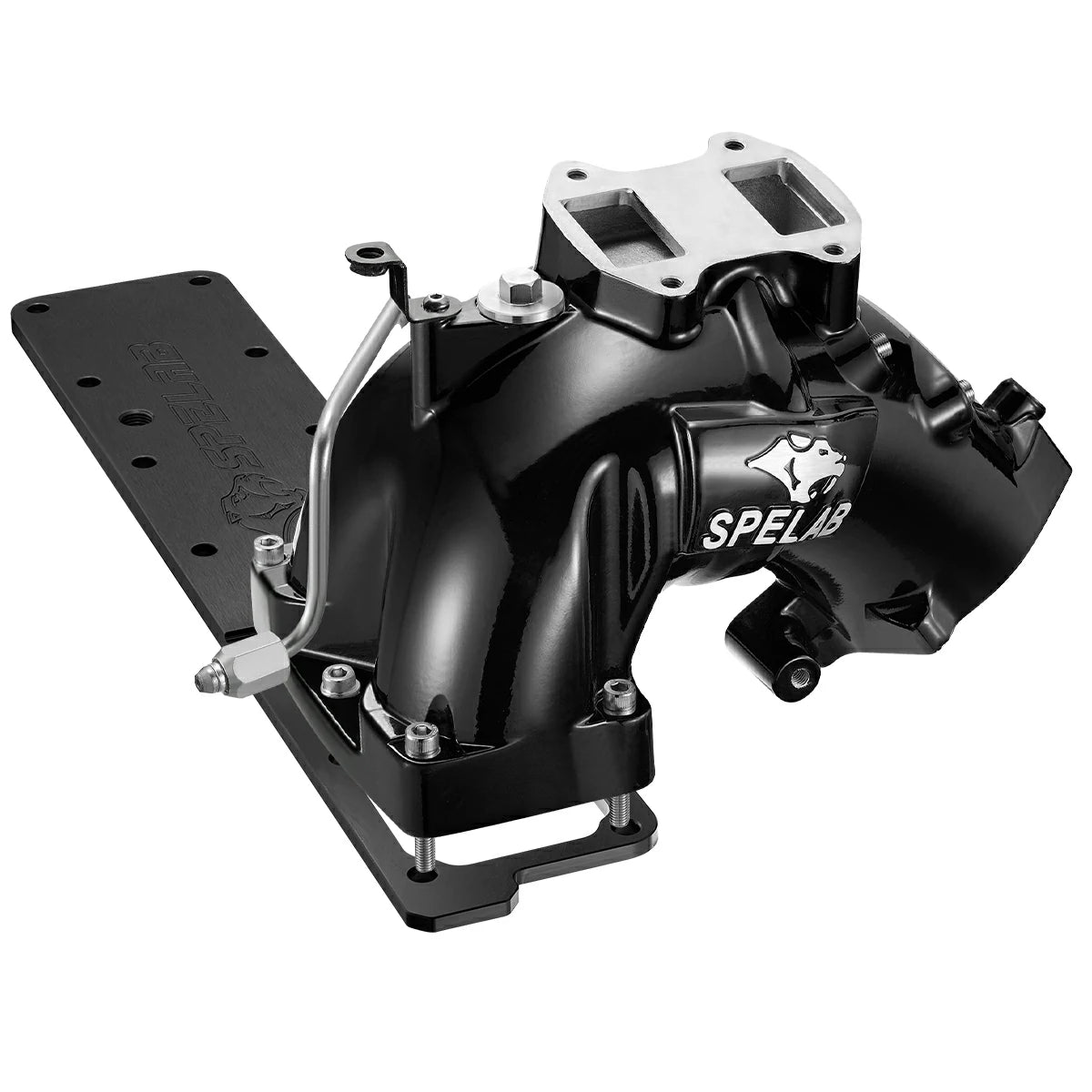
High-Flow Intake Manifold for 6.7L Cummins
When the grid heater is removed, a smoother intake path can improve airflow stability and sealing integrity. This type of upgrade is most logical when the intake horn is already removed for service or grid heater work.
View 6.7 Cummins Intake ManifoldWhen a Grid Heater Delete Makes Sense
A grid heater delete may make sense if:
- You are concerned about the Killer Bolt failure mode.
- The truck operates mostly in moderate climates.
- You are already removing the intake horn for service.
- You are upgrading the intake horn or manifold.
- The truck is a performance, towing, off-road, or high-boost build where intake restriction matters.
- You understand the cold-start, code, warranty, and compliance trade-offs.
For related Cummins airflow parts, browse the Cummins intake manifold collection.
When a Grid Heater Delete Is Not Worth It
A grid heater delete may not be the right first move if:
- You live in an extreme cold climate and rely on fast cold starts.
- The truck is under warranty and dealer coverage matters.
- The truck is street-driven and inspected in a strict emissions area.
- You do not have a plan for possible intake heater codes.
- You are not prepared to pressure-test for boost leaks after installation.
- The real problem is actually weak batteries, poor fuel quality, injector issues, or low compression.
For owners dealing with oil contamination rather than grid heater hardware, read what happens if the CCV filter is ignored.
Final Verdict: Why Delete the Grid Heater?
The strongest reason to delete the grid heater on a Dodge Ram 6.7L Cummins is not peak horsepower. It is risk management. Owners want to remove a known intake-stream hardware failure point before it has a chance to become an engine-damaging event.
That said, the factory grid heater has a purpose. It helps cold starts and supports the OEM strategy. Removing it means you must plan for winter starting, electrical codes, sealing quality, warranty concerns, and legal compliance.
For moderate-climate owners, performance builds, towing trucks, or owners already upgrading the intake path, a grid heater delete plate can be a logical reliability modification. For extreme cold daily drivers, a retained or relocated heating strategy may be the smarter path.
FAQ
Q:Why do people delete the grid heater on a 6.7 Cummins?
A:Most owners delete it to reduce the risk of grid heater hardware loosening and entering the engine. Secondary reasons include reducing intake restriction, simplifying the intake path, and pairing it with a high-flow intake horn.
Q:Is the 6.7 Cummins Killer Bolt failure common?
A:It is not one of the most common 6.7 Cummins failures, but it is feared because the consequence can be catastrophic. It is a low-probability, high-impact failure mode.
Q:Why is Cylinder #6 often mentioned in grid heater bolt failures?
A:Cylinder #6 is discussed because the 6.7 Cummins is a longitudinal inline-six engine, and the rear-runner area is one of the most concerning places for loose intake hardware to end up. It is not accurate to say every loose bolt must enter Cylinder #6, but any intake-stream hardware failure can be severe.
Q:Does a grid heater delete increase horsepower?
A:On a stock truck, peak horsepower gains are usually modest. The more realistic benefit is smoother airflow, improved sealing, and more consistent boost response when paired with supporting intake upgrades.
Q:Will a grid heater delete trigger a check engine light?
A:It can, depending on model year and calibration. Possible codes include P2609 for intake air heater performance and P0542 for intake heater circuit high. Some trucks require a calibration or wiring strategy.
Q:Does deleting the grid heater hurt cold starts?
A:It can in cold weather. In moderate temperatures, many healthy 6.7 Cummins engines start acceptably without the heater. In freezing climates, use a block heater, winter fuel, healthy batteries, and proper oil viscosity.
Q:What should cold-climate owners do instead of a full no-heat delete?
A:Cold-climate owners can consider a retained heater, relocated intake heater, or upgraded intake system designed to reduce intake-stream hardware risk while keeping some cold-start support. Fitment, wiring, and calibration should be verified first.
Q:Is grid heater delete mainly for performance or reliability?
A:It is mainly a reliability modification. Performance benefits are secondary and usually depend on the full intake setup, tuning, and boost level.
Q:Can the grid heater delete be reversed?
A:Usually yes, if factory parts are retained and no permanent modifications are made. However, any calibration or wiring changes may also need to be restored.
Q:Does grid heater delete affect emissions or legality?
A:It may, depending on vehicle use, jurisdiction, and calibration. If the truck is street-driven or emissions-inspected, confirm local rules before modifying factory systems.[1]
Q:What is the best upgrade to pair with a grid heater delete?
A:A high-flow intake horn or intake manifold is the most logical paired upgrade because the intake horn is already removed and airflow/sealing improvements complement the delete plate.
Q:Can a poor grid heater delete installation cause problems?
A:Yes. Poor gasket alignment, dirty sealing surfaces, incorrect torque, or loose clamps can cause boost leaks, underboost, black smoke, higher EGTs, and drivability complaints.
Q:Should I delete the grid heater if I live in a cold state?
A:Not always. If your truck regularly starts below freezing, consider whether a retained or relocated heating solution makes more sense. A no-heat setup requires better winter-start preparation.
Q:Does grid heater delete reduce intake soot?
A:It removes one obstruction where residue can collect, but it does not stop soot generation. Intake soot and sludge are mostly driven by EGR flow and CCV oil vapor contamination.
Legal Notes
[1] In the United States, tampering with a vehicle emissions control system can violate the Clean Air Act. EPA also states that the Clean Air Act prohibits manufacturing, selling, offering for sale, or installing aftermarket devices that effectively defeat emissions controls. Reference: EPA Clean Air Northeast: Tampering and Aftermarket Defeat Devices.
[2] Owners should confirm federal, state, provincial, and local regulations before modifying any factory emissions-related component, intake-heating strategy, or calibration. For broader aftermarket compliance context, review: EPA Fact Sheet on Aftermarket Defeat Devices and Tampering.

John Lee
Mechanical Engineer | 10+ Years Experience
John has spent the last decade engineering and testing high-performance automotive components. Specializing in drivetrain durability and thermal management across Powerstroke, Cummins, and Duramax applications, he bridges the gap between OEM limitations and aftermarket performance. His philosophy: "Factory parts are just a starting point."


3 comments
Will these components fit a 2018 diesel pusher motor home freight liner 360 hp 6.7?
what is the part number for the intake air heater for the Spelab Air Horn.
I have purchased the Grid Heater Delete Kit, and was wondering if you have a part number for the intake air heater for you air horn?