
Updated on May 10, 2026.
The DPF pressure sensor, also called a DPF differential pressure sensor, helps the powertrain control module estimate soot loading inside the diesel particulate filter. When this sensor, its hoses, or its wiring fails, the truck may trigger a check engine light, frequent regeneration, no regeneration, limp mode, or reduced engine power.
The DPF pressure sensor is part of the emissions-control system. Removing, disabling, bypassing, or manipulating emissions equipment may violate federal, state, or local law. This guide is for diagnosis, repair, maintenance, and educational purposes only. The U.S. EPA states that tampering with emissions controls and installing defeat devices can lead to enforcement and penalties.[1][2]
If you searched for “how to bypass DPF pressure sensor,” your truck may already have a warning light, DPF code, limp mode, or regeneration problem. But bypassing the sensor usually hides the symptom instead of fixing the cause. A safer and more professional approach is to inspect the sensor circuit, clean or replace blocked hoses, test voltage output, review scan-tool live data, and confirm whether the DPF itself is actually restricted.

What Does a DPF Pressure Sensor Do?
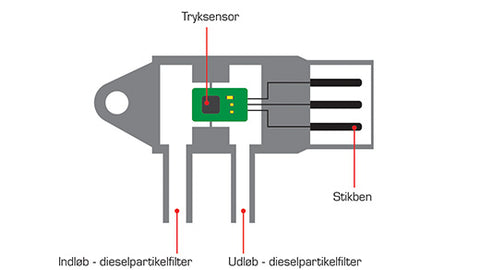
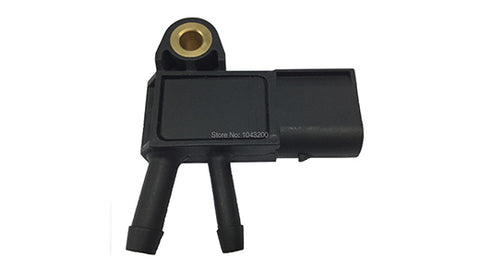
A diesel particulate filter, or DPF, traps soot from diesel exhaust before it leaves the tailpipe. As soot builds up inside the filter, exhaust pressure changes. The DPF differential pressure sensor measures the pressure difference before and after the DPF, then sends that information to the engine control module or powertrain control module.
The control module uses this signal to estimate filter loading and decide when regeneration is needed. If the pressure difference is too high, the truck may assume the DPF is restricted. If the signal is missing, too low, too high, or unrealistic, the system may trigger a diagnostic trouble code.
That is why the DPF pressure sensor is not just a simple warning-light sensor. It is part of the regeneration strategy, emissions monitoring, and engine protection logic.
Can You Bypass a DPF Pressure Sensor?
Physically or electronically bypassing a DPF pressure sensor is not recommended for a street-driven diesel truck. The PCM relies on this signal to understand DPF soot load and exhaust restriction. If the signal is faked, missing, or manipulated, the truck may miscalculate soot loading, skip needed regeneration, over-trigger regeneration, or enter limp mode.
| Bypass Risk | What Can Happen |
|---|---|
| Incorrect soot-load calculation | The PCM may think the DPF is clean when it is actually restricted, or restricted when it is not. |
| Regeneration problems | The truck may regenerate too often, fail to regenerate, or trigger DPF warnings. |
| Limp mode / reduced power | Unrealistic sensor values can force the vehicle into a protection strategy. |
| Inspection and compliance failure | Manipulating emissions sensors may cause OBD readiness issues or inspection failure. |
| Legal risk | Bypassing emissions-related components may violate emissions laws for public-road vehicles. |
Symptoms of a Bad DPF Pressure Sensor
A failed DPF pressure sensor, clogged hose, or damaged circuit can create symptoms that feel like a clogged DPF. Common signs include:
- Check engine light
- DPF warning message
- Reduced engine power or limp mode
- Frequent regeneration cycles
- Failure to start or complete regeneration
- Poor throttle response
- Higher fuel consumption
- Excess smoke or soot-related warning messages
- DPF pressure sensor circuit or range/performance codes
Common DPF Pressure Sensor Fault Codes
The exact code meaning can vary by vehicle manufacturer, but these are common DPF differential pressure sensor-related codes to understand before replacing parts.
| Code | Common Meaning | What to Check First |
|---|---|---|
| P2452 | DPF pressure sensor circuit issue | Sensor connector, wiring, 5V reference, and ground |
| P2453 | DPF pressure sensor range/performance | Signal voltage, clogged hoses, soot loading, and DPF condition |
| P2454 | DPF pressure sensor circuit low | Short to ground, failed sensor, damaged wiring, or poor connection |
| P2455 | DPF pressure sensor circuit high | Open circuit, sensor fault, blocked line, or abnormal pressure reading |
| P2463 | DPF soot accumulation / restriction | Actual DPF soot load, failed regeneration, pressure hoses, and sensor accuracy |
DPF Pressure Sensor vs Clogged DPF: How to Tell the Difference
A DPF pressure sensor code does not always mean the sensor itself has failed. It also does not always mean the DPF must be replaced. The key is to separate sensor-circuit problems from actual exhaust restriction.
| Possible Problem | Typical Clues | Best Next Step |
|---|---|---|
| Bad pressure sensor | Signal voltage does not respond correctly when pressure changes. | Test 5V reference, ground, and signal output with a multimeter. |
| Clogged pressure hose | Hose contains soot, moisture, cracks, melting, or blockage. | Clean or replace the hose and reroute it away from heat damage. |
| Wiring or connector fault | Loose pins, corrosion, melted insulation, broken wires, or unstable signal. | Repair connector or wiring before replacing the sensor. |
| Actually clogged DPF | High backpressure, frequent regen, reduced power, and pressure readings that confirm restriction. | Diagnose regeneration history, soot load, sensor data, and DPF service condition. |
| Failed regeneration strategy | Short-trip driving, faulty temperature sensor, failed pressure sensor, or incomplete regen cycle. | Scan live data and diagnose why regeneration is not completing. |
Soot vs Ash: Why Regeneration Does Not Always Fix DPF Pressure Codes
A DPF pressure sensor does not directly “see” soot or ash. It only reports pressure difference across the filter. High differential pressure can be caused by temporary soot loading, permanent ash buildup, clogged pressure hoses, or a sensor circuit problem.
| Deposit Type | What It Means | Can Regen Fix It? |
|---|---|---|
| Soot | Carbon-based buildup from diesel combustion. | Often yes, if the regeneration system is working properly. |
| Ash | Non-combustible residue from oil additives and long-term engine operation. | No. Ash usually requires professional DPF cleaning or replacement. |
Using Live Data: What to Watch Before Replacing the Sensor
A scan tool, OBD2 monitoring app, or diesel monitor can help you avoid guessing. Before replacing a DPF pressure sensor, look at live data such as DPF differential pressure, soot load estimate, regeneration status, exhaust gas temperature, sensor voltage, and miles since last regen.
| Live Data Item | What It Can Tell You |
|---|---|
| DPF differential pressure | Helps show whether pressure rises normally with exhaust flow or stays unrealistic. |
| Soot load estimate | Helps determine whether the PCM thinks the filter is loading up quickly. |
| Regeneration status | Shows whether the truck is commanding, entering, or completing regen cycles. |
| Exhaust gas temperature | Helps confirm whether conditions are hot enough for regeneration to occur. |
| Sensor signal behavior | Helps detect a flatline signal, unstable voltage, or values that do not change with RPM. |
- High differential pressure at idle: May indicate a restricted DPF, clogged hose, or false sensor reading.
- Pressure does not change with RPM: May point to a failed sensor, blocked hose, or wiring issue.
- Frequent regen with high soot load: May indicate incomplete regeneration or a deeper DPF problem.
- P2463 after multiple regens: Check for ash loading, sensor accuracy, and hose restriction.
DPF Pressure Sensor Test Points Diagram
The diagram below shows the major areas to inspect during diagnosis. It is not a vehicle-specific wiring diagram, but it helps explain how the sensor, hoses, and DPF pressure points work together.
First 5 Checks Before Replacing the Sensor
- Scan for DPF pressure sensor codes. Record all fault codes before clearing anything.
- Inspect both pressure hoses. Look for melting, cracking, soot blockage, moisture, or loose fittings.
- Check the electrical connector. Look for corrosion, loose pins, broken clips, or melted plastic.
- Verify voltage with a multimeter. Check 5V reference, ground, and signal wire behavior.
- Confirm the DPF is not actually clogged. A good sensor can still report high pressure if the filter is restricted.
How to Test a DPF Pressure Sensor
Testing should start with visible damage and basic electrical checks before replacing the sensor. If you are not comfortable back-probing sensors or working near hot exhaust components, have a qualified diesel technician perform the diagnosis.
1. Inspect the Sensor Connector
Begin with the electrical connector. Check for broken locks, loose pins, corrosion, melted plastic, or damaged wiring. Since the sensor is often mounted near heat and vibration, wiring damage is common.
2. Inspect the Pressure Hoses
Next, inspect the hoses connected to the DPF pressure sensor. Look for:
- Melted hose sections
- Cracks or splits
- Soot blockage
- Moisture contamination
- Loose or disconnected hose ends
- Incorrect hose routing near high heat
If the hoses are clogged, clean or replace them. If they are melted or brittle, replace them and reroute them away from the heat source where possible.
3. Check 5V Reference, Ground, and Signal
Use a multimeter and the manufacturer’s service information for your specific truck. Many DPF pressure sensors use a 5-volt reference, ground, and signal wire.
- With the ignition on and engine off, verify that the 5V reference is present.
- Check that the ground circuit is stable.
- Back-probe the signal wire and compare the voltage to service manual specifications.
- Start the engine and watch whether the signal changes as exhaust flow changes.
- If signal voltage does not change when pressure changes, the sensor, hoses, or circuit may be faulty.
4. Compare Sensor Output With Actual Pressure
If the electrical circuit appears normal, compare the sensor signal against actual pressure readings. A low-range exhaust backpressure gauge can help verify whether the sensor output matches pressure in the hoses.
- Use an exhaust backpressure gauge suitable for low pressure readings.
- Measure pressure from the sensor hoses according to service procedure.
- Compare pressure readings to scan tool data or sensor voltage behavior.
- If actual pressure and sensor output do not match, the sensor may be inaccurate.
- If actual pressure is high, the DPF may be restricted or regeneration may not be completing.
How to Fix DPF Pressure Sensor Problems
The right repair depends on what testing shows. Do not replace the sensor until hoses, connector, wiring, and live data have been checked.
| Diagnosis Result | Recommended Repair |
|---|---|
| Cracked, melted, or clogged pressure hose | Clean or replace the hose and check routing away from exhaust heat. |
| Corroded or loose connector | Repair connector terminals or replace the connector pigtail if needed. |
| No 5V reference or poor ground | Diagnose wiring, PCM reference circuit, fuses, and shared sensor circuits. |
| Signal voltage does not respond to pressure | Replace the DPF pressure sensor after confirming hose pressure is valid. |
| Actual pressure is high | Diagnose DPF restriction, failed regeneration, soot load, ash load, exhaust temperature sensors, and driving cycle. |
From a diagnostic standpoint, many false DPF pressure sensor failures are actually caused by clogged hoses, heat-damaged wiring, or a DPF that cannot complete regeneration—not the sensor itself. Replacing the sensor without checking those areas can leave the same code or warning light in place.
When the DPF Itself May Be the Problem
Sometimes the pressure sensor is doing exactly what it should: reporting high pressure because the DPF is actually restricted. If the truck has repeated regeneration warnings, limp mode, high soot loading, or high measured backpressure, the filter may need professional diagnosis.
Before considering replacement, a technician may check soot load, ash load, exhaust temperature sensor data, differential pressure readings, regeneration history, and whether the truck’s driving cycle allows the DPF to complete regeneration.
If the DPF is serviceable, cleaning may be an option. For more background, see our guide on how to clean a DPF filter.
Repair vs Replacement vs DPF Service
| Situation | Best Path | Why |
|---|---|---|
| Sensor code plus damaged hose | Repair or replace hose first | A blocked hose can create false sensor readings. |
| Sensor code plus wiring damage | Repair wiring / connector | A new sensor will not fix a broken circuit. |
| Sensor signal does not match pressure | Replace the sensor | The sensor may be inaccurate after circuit and hose checks pass. |
| Pressure is genuinely high | Diagnose DPF restriction | The DPF may be clogged, ash-loaded, or unable to regenerate. |
| Off-road or legally permitted exhaust project | Confirm legal status, tuning, and fitment first | Do not treat a pressure sensor code as a reason to modify emissions hardware. |
Where DPF Delete Pipes Fit Into the Discussion
A DPF pressure sensor problem and a DPF delete pipe are not the same issue. A sensor code should be diagnosed as a sensor, hose, wiring, live-data, or DPF restriction problem first. In off-road, race, competition, or legally permitted-use applications, some owners may research DPF and CAT delete pipe options, but those parts should never be used as a shortcut for unresolved diagnostics or on vehicles where emissions compliance is required.
If you are still learning what the DPF does, read our guide on what a diesel particulate filter is before making repair or modification decisions.
FAQ
Q: Can you bypass a DPF pressure sensor?
A: You should not bypass a DPF pressure sensor on a street-driven diesel truck. It is part of the emissions and regeneration system. Bypassing it can cause incorrect soot-load calculations, failed regeneration, limp mode, inspection failure, and legal risk. Diagnose the sensor, hoses, wiring, live data, and DPF condition instead.
Q: What happens if the DPF pressure sensor fails?
A: A failed sensor can cause wrong soot-load calculations, frequent regeneration, no regeneration, check engine light, limp mode, or reduced engine power.
Q: Can a clogged hose cause DPF pressure sensor codes?
A: Yes. Soot, moisture, or melted hose material can block the pressure hoses and make the PCM read incorrect pressure values even if the sensor itself is still working.
Q: How do you test a DPF pressure sensor?
A: Check the connector and hoses first. Then use a multimeter to verify 5V reference, ground, and signal voltage. A low-range pressure gauge can help compare hose pressure against sensor output.
Q: Should I replace the DPF pressure sensor or clean the DPF?
A: It depends on the diagnosis. If voltage and hose pressure do not match, the sensor may be bad. If pressure is genuinely high, the DPF may be clogged, ash-loaded, or unable to regenerate properly.
Q: Can a bad DPF pressure sensor cause limp mode?
A: Yes. If the PCM receives missing, unrealistic, or out-of-range pressure data, it may reduce engine power to protect the emissions system and engine.
Q: Why does my truck keep regenerating after replacing the sensor?
A: The sensor may not have been the root cause. Check pressure hoses, DPF soot load, ash load, exhaust temperature sensors, driving cycle, and whether regeneration is completing properly.
Q: What is the difference between DPF soot and ash?
A: Soot is carbon buildup that can often be reduced through regeneration. Ash is non-combustible residue that builds up over time and usually requires professional DPF cleaning or replacement.
Q: What live data should I check for DPF pressure problems?
A: Check DPF differential pressure, soot load estimate, regen status, exhaust gas temperature, miles since last regen, and sensor signal behavior. These data points can help separate a bad sensor from a clogged hose or restricted DPF.
Q: Is it safe to drive with a bad DPF pressure sensor?
A: Short-term driving may be possible depending on the fault, but it is not ideal. Incorrect pressure data can affect regeneration strategy and may lead to DPF damage, limp mode, or increased repair cost.
Conclusion
The DPF pressure sensor is a critical part of the diesel emissions and regeneration system. If it fails, the truck may misjudge soot loading, trigger warning lights, enter limp mode, or regenerate incorrectly. But bypassing the sensor is not the right repair path for a street-driven vehicle.
Start with proper diagnosis: inspect the hoses, connector, wiring, 5V reference, ground, signal voltage, live data, and actual DPF pressure. If the sensor output does not match real pressure, replace the sensor. If actual pressure is high, diagnose the DPF, regeneration system, ash loading, and exhaust sensors before replacing more parts.
Fix the cause, not just the code. That is the safest way to protect the engine, avoid unnecessary parts replacement, and keep the truck operating correctly.
References
- U.S. EPA — Aftermarket Defeat Devices and Tampering Are Illegal and Undermine Vehicle Emissions Controls
- U.S. EPA / Clean Air Northeast — Tampering and Aftermarket Defeat Devices

SPELAB Mechanical Engineer
Diesel Performance & Diagnostics Specialist | 10+ Years Experience
Focused on diesel emissions-system diagnostics, exhaust fitment, DPF-related troubleshooting, and real-world repair issues across Powerstroke, Cummins, and Duramax platforms.


