FAQs
Q1. Why should I replace or delete the CCV filter?
A1. Over time, the stock CCV system leads to oil buildup in the intercooler and intake piping, which can restrict airflow and reduce performance. Installing a ccv delete kit 6.7 powerstroke eliminates this issue at the source by rerouting crankcase gases away from the intake.
Q2. How often does the factory CCV filter need to be replaced?
A2. The OEM CCV filter should typically be replaced every 30,000 to 50,000 miles, depending on driving conditions. However, upgrading to a SPELAB CCV delete kit provides a maintenance-free solution with no need to change filters again.
Q3: Is it necessary to delete the EGR system before doing a CCV delete?
A3. No, these two modifications are independent of each other, meaning you can do a CCV delete while keeping the EGR system fully functional, or vice versa.
Q4. What are the signs of a clogged or failing CCV system?
- Reduced engine power
- Excessive oil consumption
- Visible oil in intake tubes or intercooler
- Oil leaks from turbo or valve cover seals
Q5. Can the factory CCV filter be cleaned and reused?
A5. Most factory CCV filters are single-use only and should not be cleaned or reused. Replacing or deleting the system with a permanent solution like the SPELAB CCV delete kit is more cost-effective over time.
Q6. How can I tell if my CCV filter or system needs attention?
A6. Check for:
- Sludge or residue inside the intercooler pipes
- Drops in performance
- Oil seepage around turbo components
- Darkening engine oil quickly after changes
These are all indicators that the crankcase ventilation system may be underperforming.
Q7. Will a failing CCV system affect fuel economy?
A7. Yes. When oil vapors re-enter the combustion system, they alter air/fuel ratios and reduce efficiency. A clean, rerouted setup helps maintain optimal airflow, indirectly supporting better fuel mileage and smoother performance.
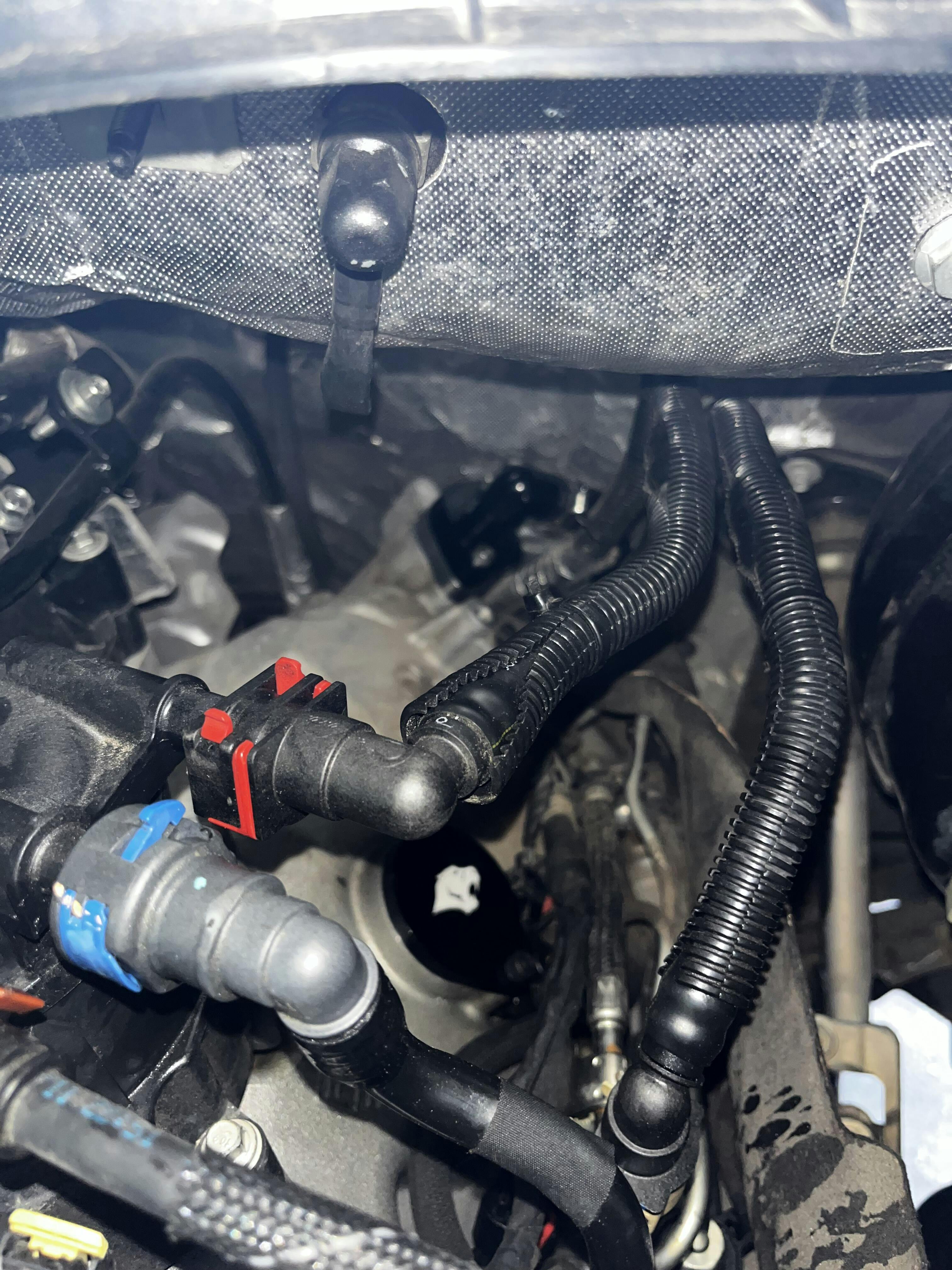
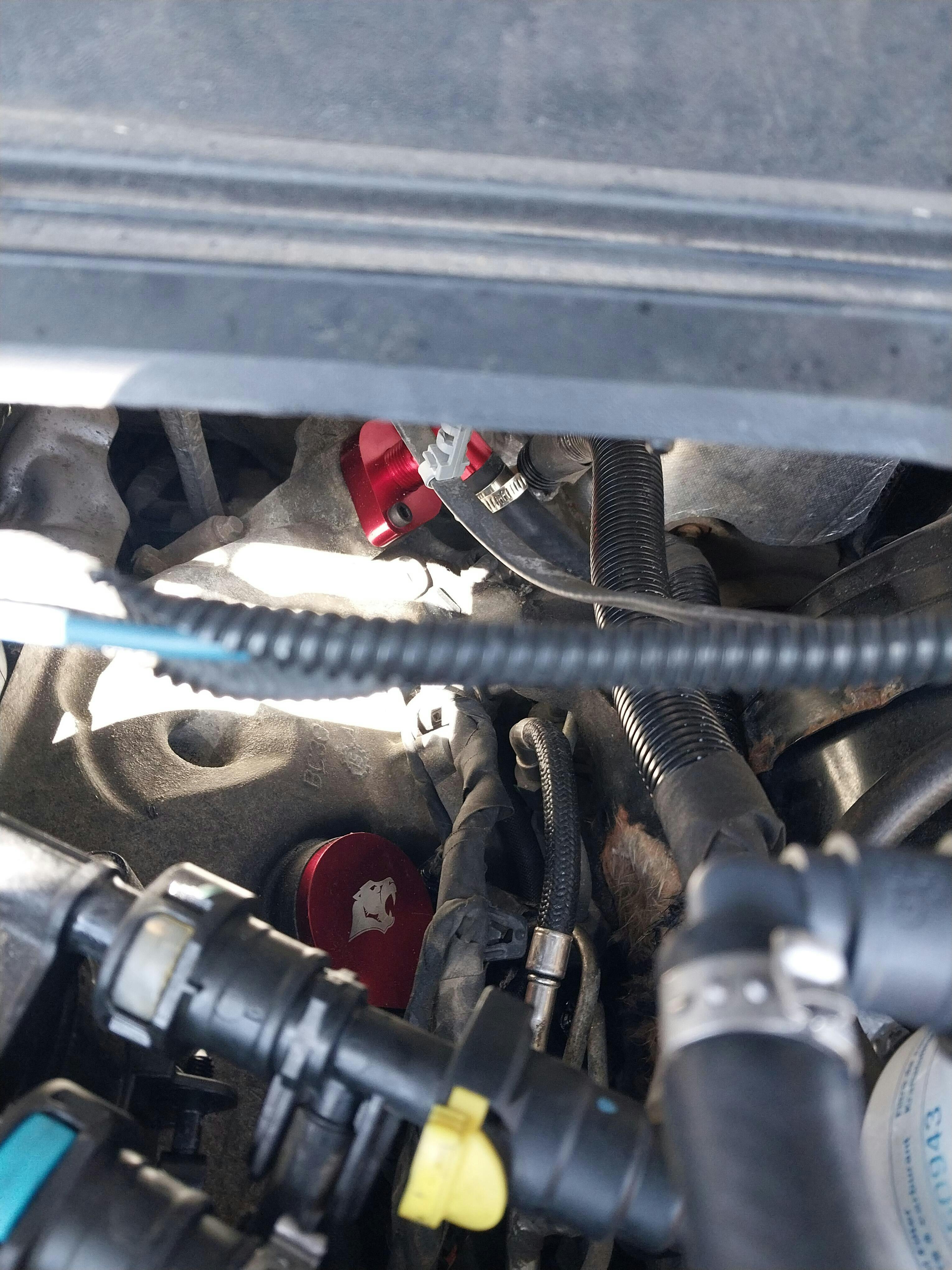
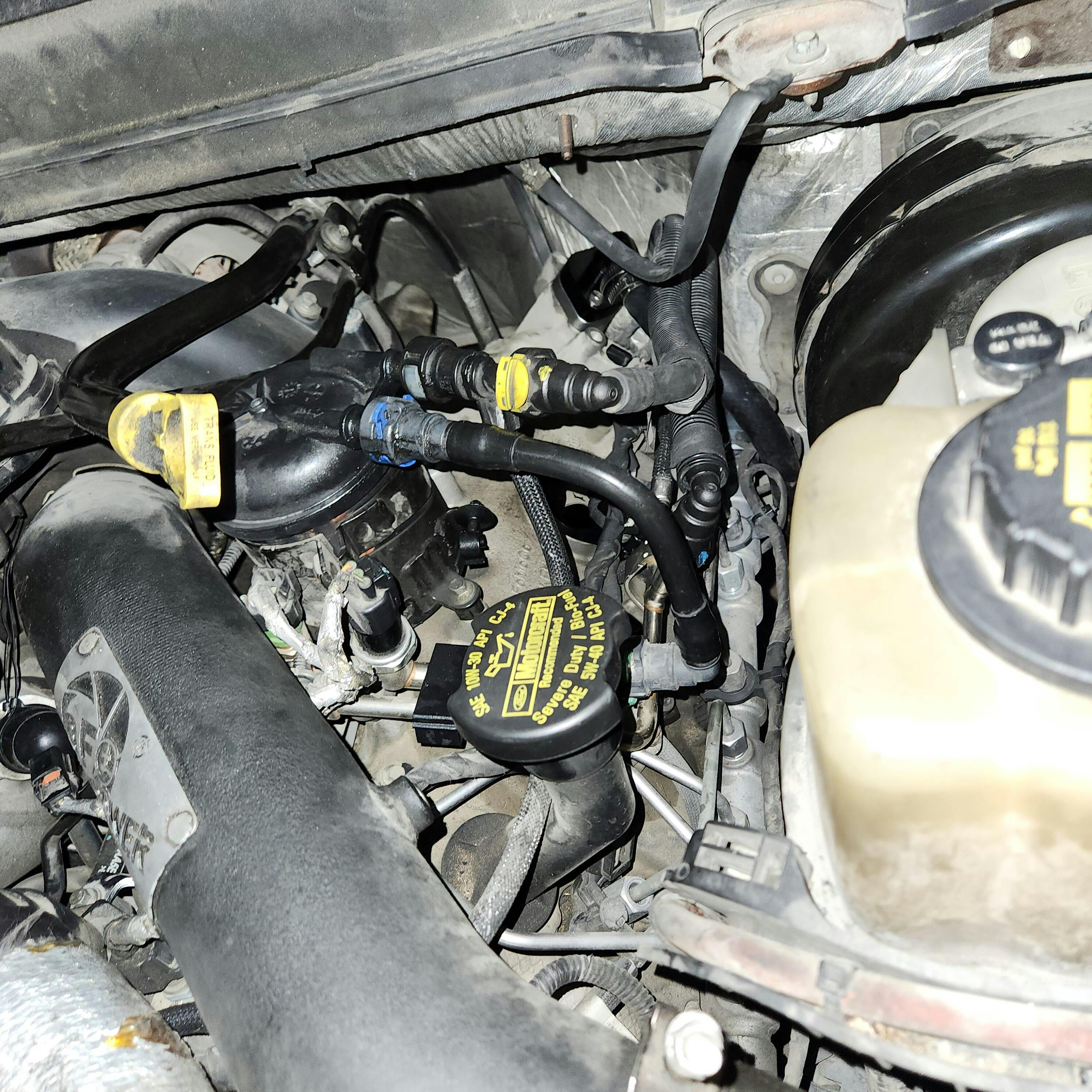
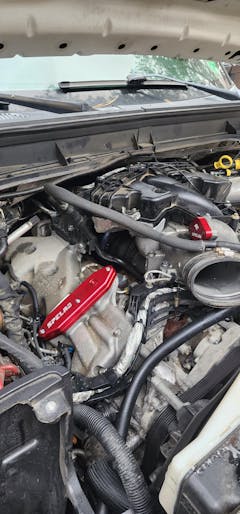
What is a 6.7 Powerstroke CCV PCV ReRoute Kit?
CCV Delete Kit 6.7 Powerstroke: a true pros and cons analysis
Pros – Why Thousands of Diesel Owners Choose CCV Delete
-
No More Oil in Your Intake System
Eliminates oily residue that collects in the intercooler, turbo, and intake pipes—keeping your engine internals clean.
-
Improved Engine Longevity
By keeping oil mist out of the combustion system, you reduce carbon buildup, gumming, and long-term wear on key components.
-
Reduces Crankcase Pressure
Helps avoid over-pressurization, which can lead to blown seals, oil leaks, and weeping valve covers—especially in high-mileage trucks.
-
Cleaner Oil for Longer
Users report significantly cleaner engine oil for thousands of miles longer after the delete, indicating less contamination.
-
Maintenance-Free Operation
Once installed correctly, the system doesn’t require service. No more replacing factory CCV filters every 30k–50k miles.
-
Supports Further Mods
Creates space under the hood and prevents interference with other upgrades like intake manifolds, turbos, and catch cans.
Cons – What You Should Consider
-
Possible Oil Drips if Hose Is Misrouted
If the drain hose hangs too low or develops a sag, you may see oil vapor dripping onto your driveway. A proper install with a vent filter or catch can prevents this.
-
Not a Performance Mod in Itself
It won’t directly boost horsepower or MPG—but it creates a cleaner, more stable system that supports other upgrades and keeps power consistent.
-
Sensor Considerations on Newer Models
Some 2020+ Powerstrokes include CCV sensors. These may need to remain plugged in or be bypassed to avoid a check engine light (SPELAB kit is designed with compatibility in mind).
-
May Void Warranty if Dealer Notices
As with any aftermarket mod, visible deletes may raise warranty questions. Always check your local dealership’s policy if your truck is still under warranty.
Common Issues Faced by Users and Solutions
Why Choose the SPELAB 6.7 powerstroke CCV PCV ReRoute Kit?
What Real Owners Are Saying About the CCV Delete Kit 6.7 Powerstroke
The ccv delete kit 6.7 powerstroke has become a popular choice among Powerstroke owners looking to keep their engine cleaner and running more reliably. Here's what real users across the diesel community have shared about their experience:
One 2017 F-250 owner reported that after installing the CCV delete kit, the engine intake stayed completely clean, with no more sludge or oil buildup in the intercooler pipes. According to him, no negative effects were observed post-installation.
A long-time diesel enthusiast noted a surprising improvement in oil cleanliness, stating that after several thousand miles, the engine oil remained “honey-colored”—something he had never seen before on his 6.7L. He attributed this directly to the reduced oil mist in the system thanks to the CCV reroute.
Another user with a 2015 Powerstroke mentioned that recurring oil leaks from the turbo seals and valve cover stopped completely after installing the kit. He identified excess crankcase pressure as the root cause—effectively solved by the SPELAB reroute system.
From a technical perspective, several users praised the ease of installation. Most stated that the kit could be installed in under 30–45 minutes using standard hand tools, and no tuning or engine reprogramming was required.
One forum member pointed out a minor drawback: if the vent hose isn’t routed correctly or hangs too low, oil vapor can condense and leave stains on the driveway. However, this was easily solved by securing the hose properly or installing a small catch can.
Conclusion
-
Summary of Benefits
- Installing the SPELAB CCV PCV ReRoute Kit significantly improves your 2011-2023 Ford 6.7L Powerstroke engine’s performance.
- spelab ccv delete instructions
- It reduces oil buildup, enhances airflow, and lowers maintenance costs. With high-quality materials and easy installation, this kit is a must-have for any Powerstroke owner.
- Ready to experience these benefits? Take the next step towards a cleaner and more efficient engine. Order your SPELAB CCV PCV ReRoute Kit today and enjoy a smoother, more powerful drive.



 PLEASE NOTE!


 SPELAB 6.7 Powerstroke CCV Reroute/Delete w/Catch Can Internal & External Kit