1 Product

Let customers speak for us
Nick F
Budget friendly
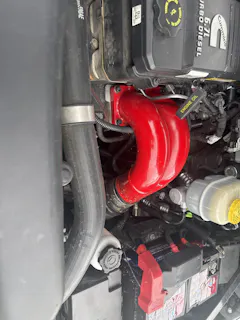
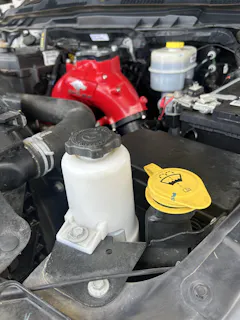
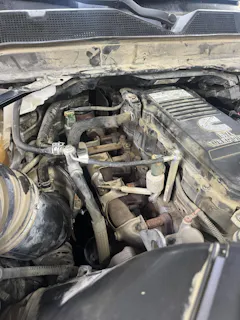
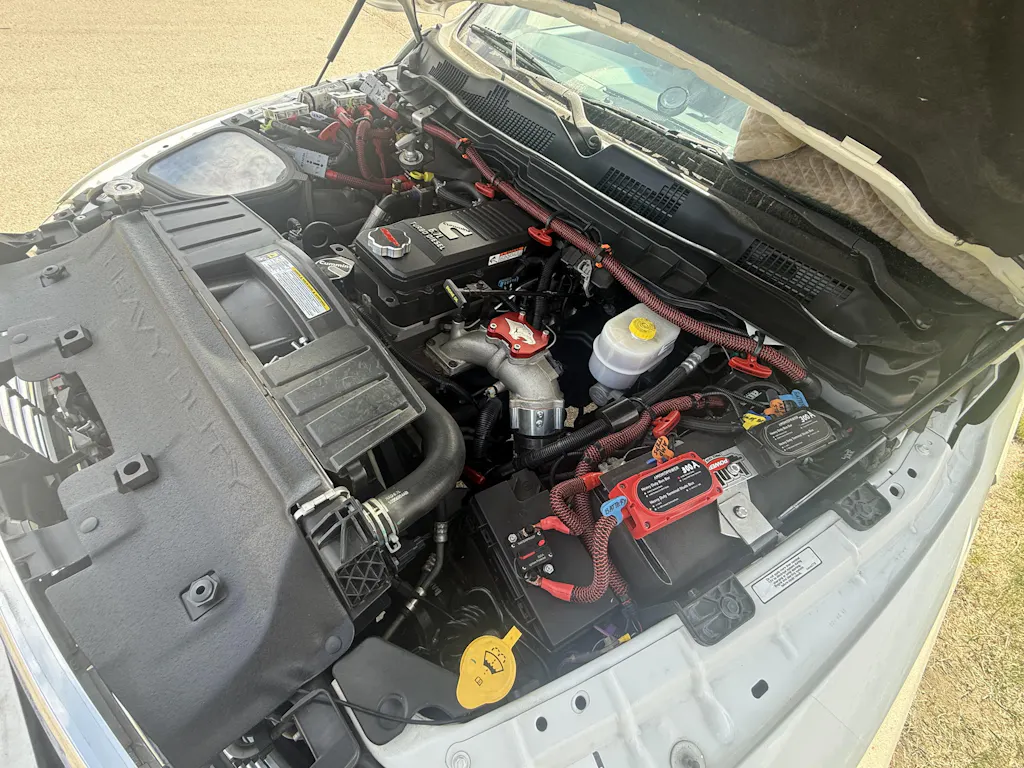
I originally had the Banks Monster Ram intake with grid heater delete, and costed $1200. Recently I decided to give Spelab a try for their 3.5” pusher style intake with grid heater delete. Fraction of the price and performs the same. Only regret I have was my purchase of Banks.
3.5‘’ Intake Manifold with Heating Element for 2007-2024 Dodge Ram 2500/3500 6.7L Diesel | SPELAB
Shawn Plank
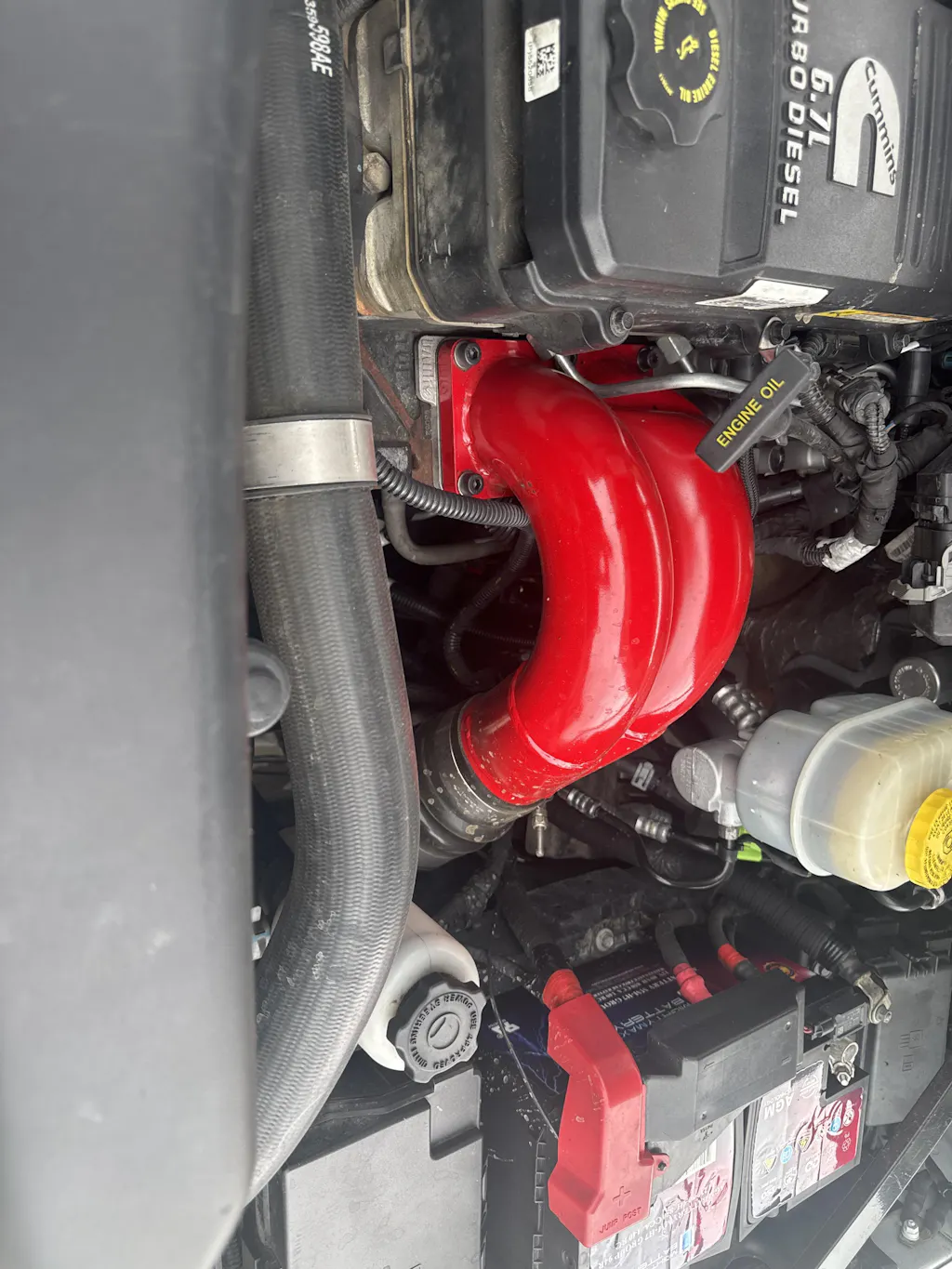
Heater element
Great product
Heating Element for 2007.5–2024 Dodge Ram 6.7L Diesel | SPELAB
Isaac Wood
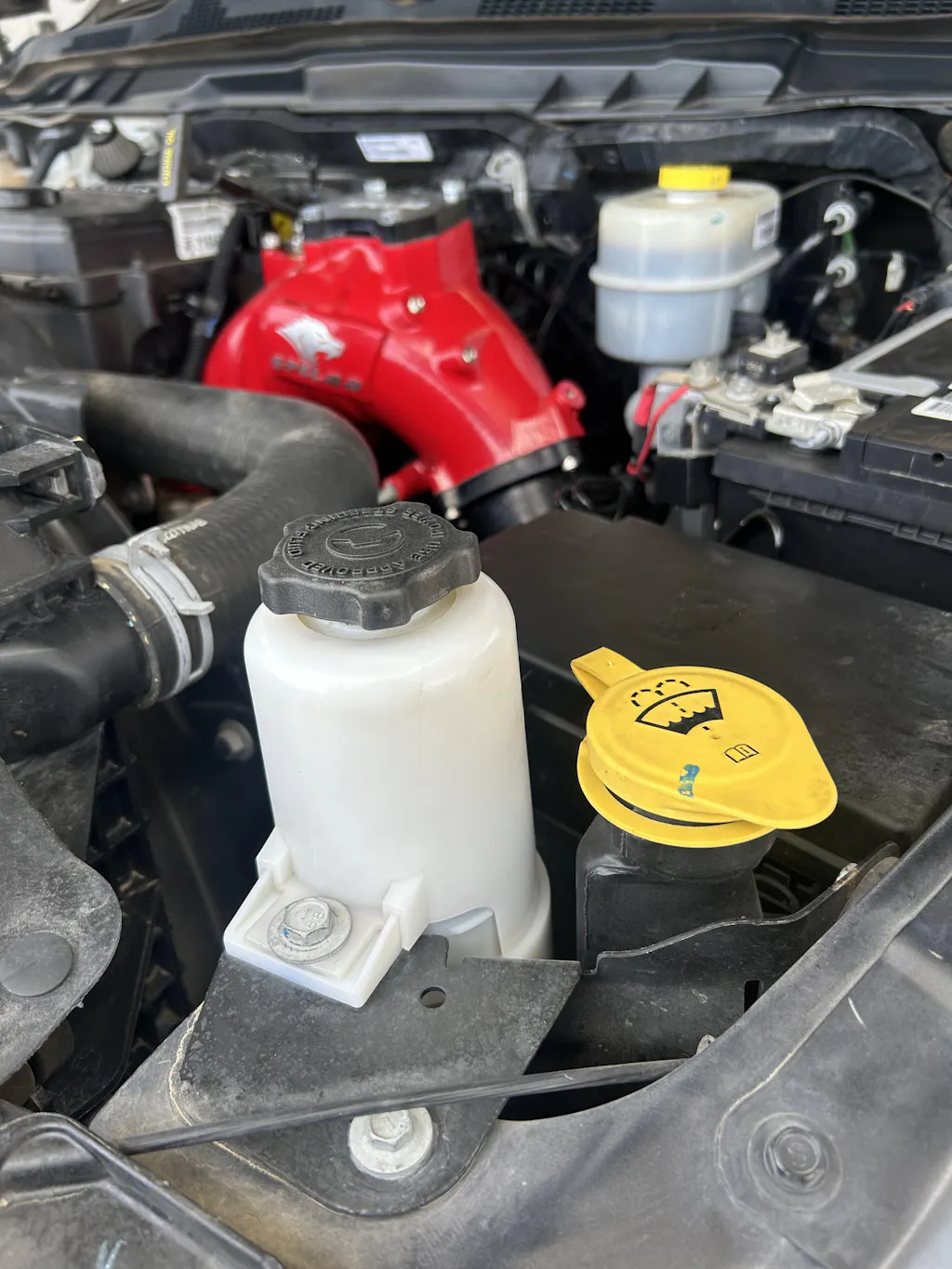
Good product fast sipping was not that bad of a job
Worry-Free Purchase
John Marcotte
Very nice billet
Nicely done ✅
EGR Block-off Plate For 2009-2025 Dodge Ram 2500/3500 6.7L Diesel | SPELAB
Drew Cook
Reliable Quality and Perfect Fit
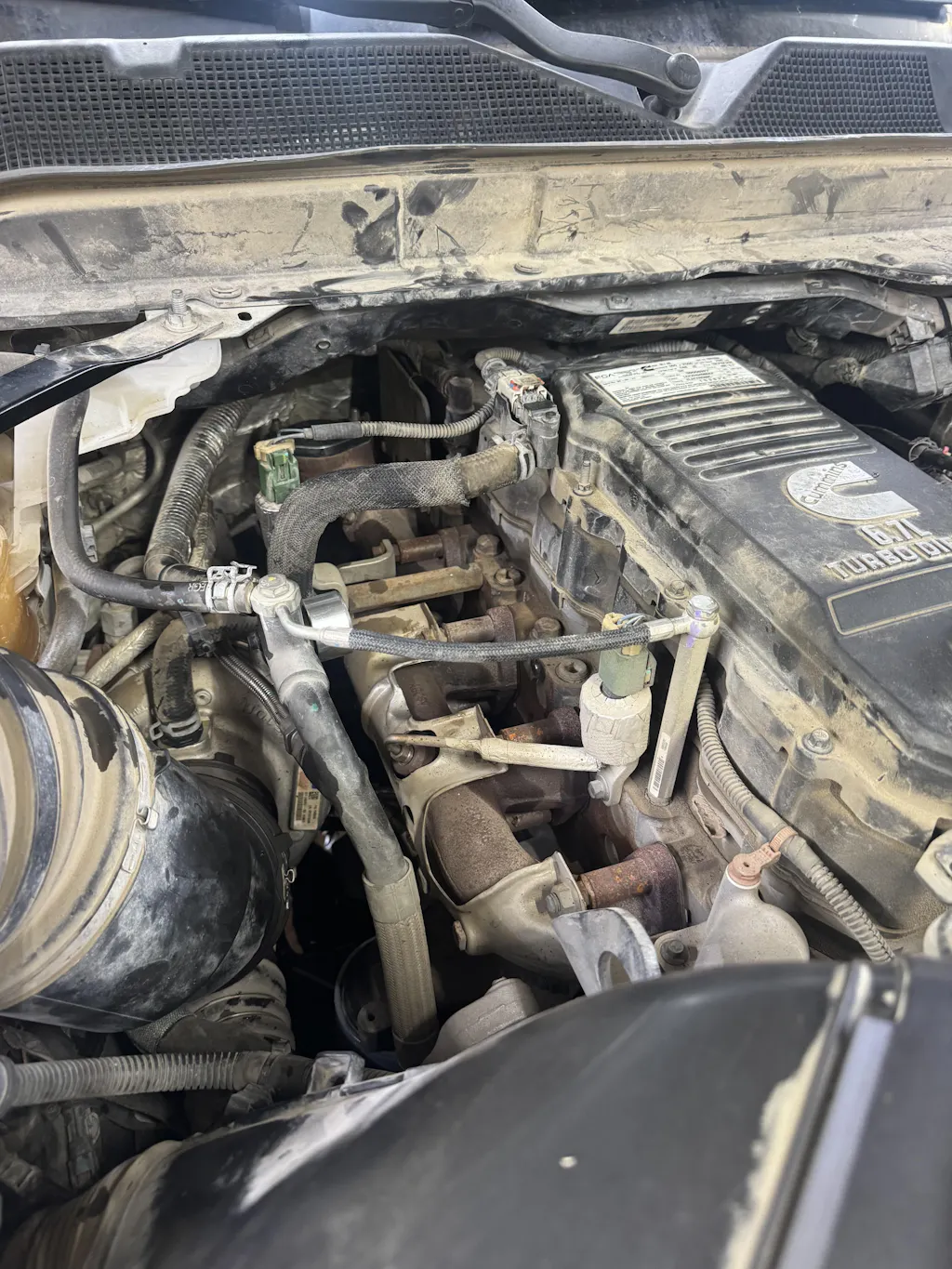
Easy installation and everything fit perfectly. The kit is well-made, comes with the necessary components, and worked as expected. Shipping was fast and the quality exceeded my expectations. Highly recommend for anyone looking for a reliable EGR delete kit.
EGR Delete Kit for 2013-2023 Dodge Ram 6.7L Diedel Cab & Chassis SPELAB
Jason Hanshaw
Quality construction
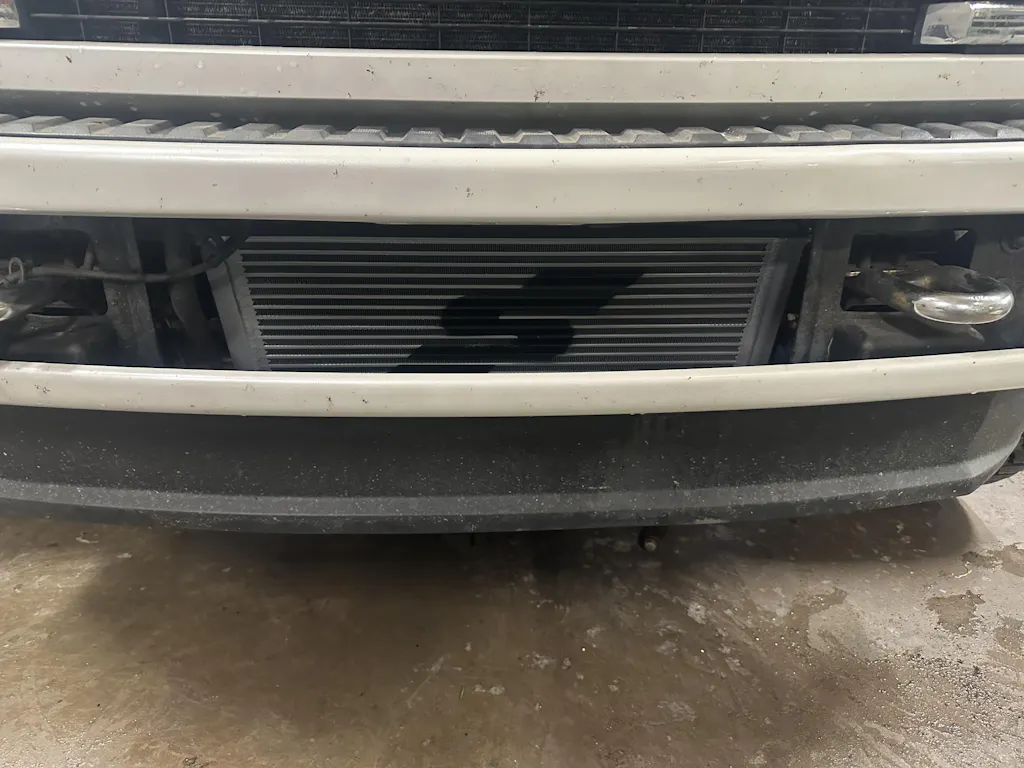
Very impressed with the quality of the cooler. Couldn’t find any instructions for the install. However, I was able to figure it out and plan to post a video for anyone else who may need help with the install.
Transmission Cooler Kit For 2011-2016 Ford 6.7L Powerstroke Trans Cooler Kit | SPELAB
Drew Cook
Great Fit and Easy Install
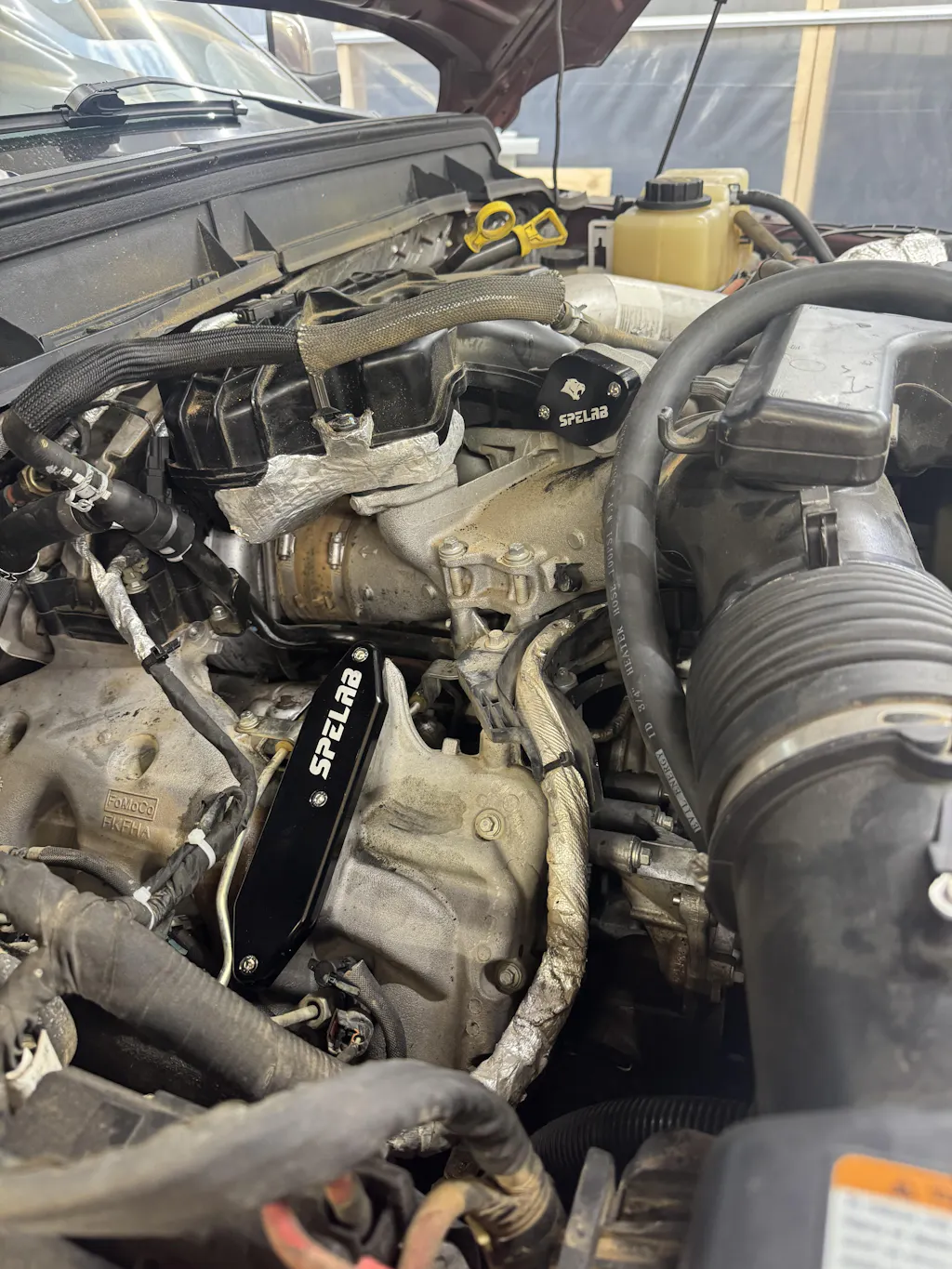
Installed this on my 2015 6.7 Powerstroke and everything fit perfectly. Quality parts, straightforward install, and noticeable improvement in engine temps and reliability. Would definitely recommend this kit to anyone doing an EGR delete.
SPELAB 2015-2016 Ford 6.7L Powerstroke EGR Cooler Delete Kit
Drew Cook
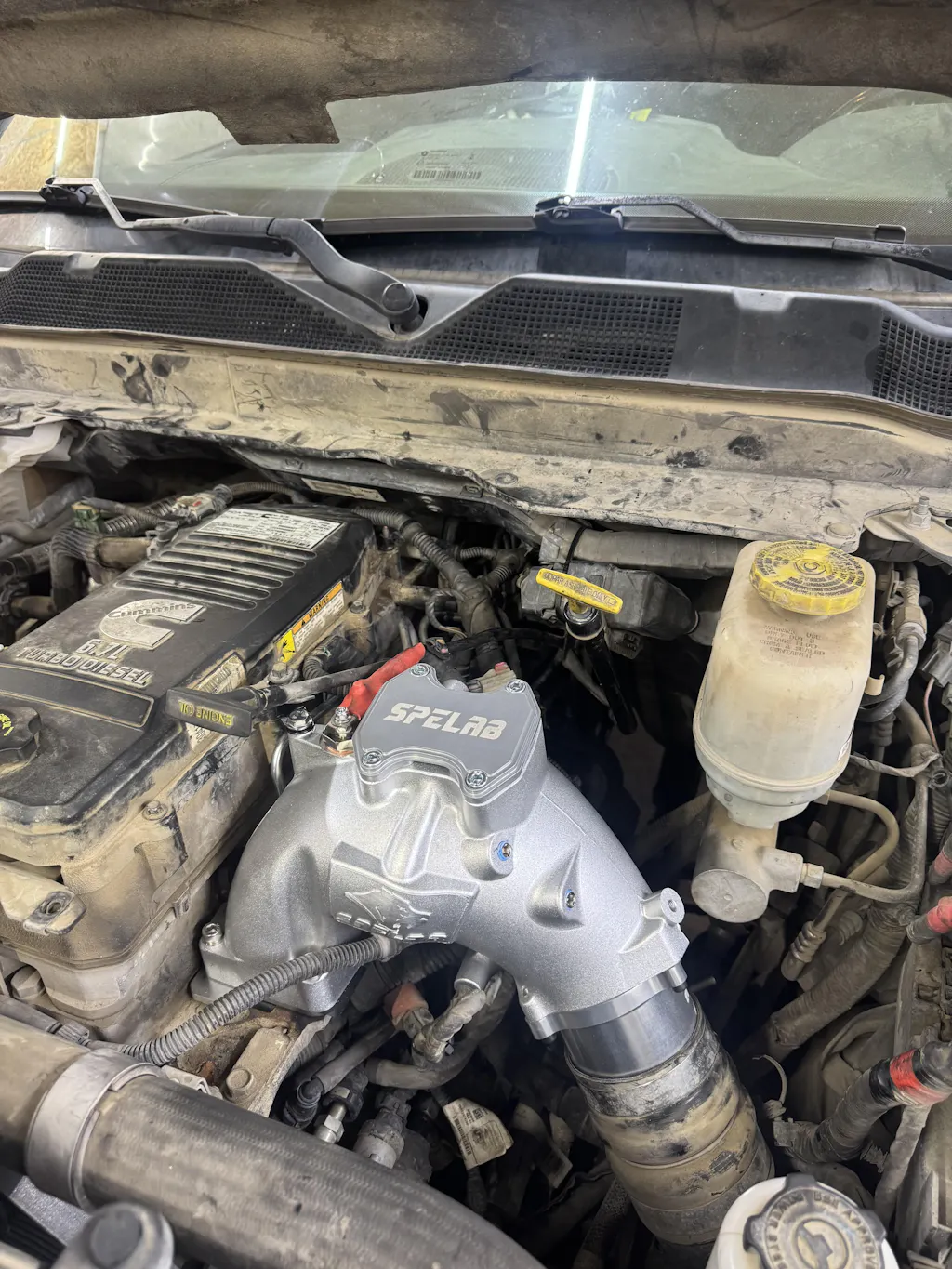
2019 cab and chassis
Installed on a 2019 Ram cab and chassis with no issues. Fitment was good, quality looks solid, and throttle response feels better. Definitely recommend this intake horn/grid heater upgrade.
Intake Horn/Manifold Grid Heater for 2007-2024 Dodge Ram 2500/3500 6.7 Diesel | SPELAB
Charlie Kampmueller
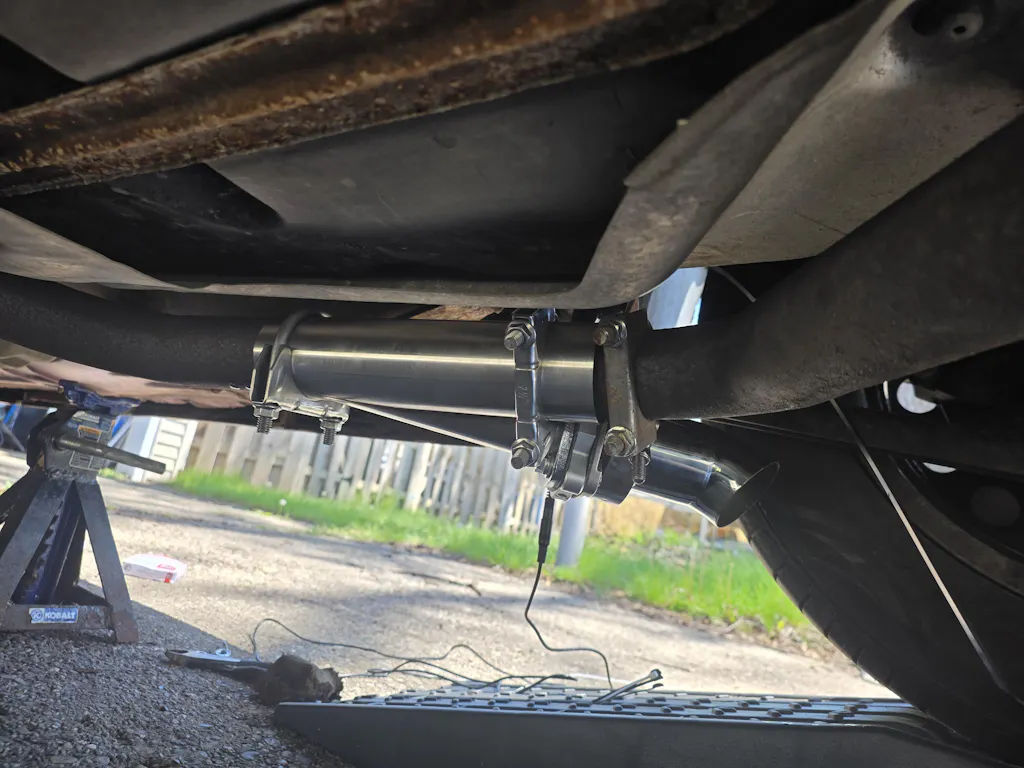
Works perfectly
Its worked perfectly so far. Make sure to buy one that is the correct size and that there is room for it. The motor is larger then I expected but made it work and ive used it everytime I drive
SPELAB 2.0/2.25/2.5/3.0 Inch Remote Electric Exhaust Cutout Kit
Steven N Price Price
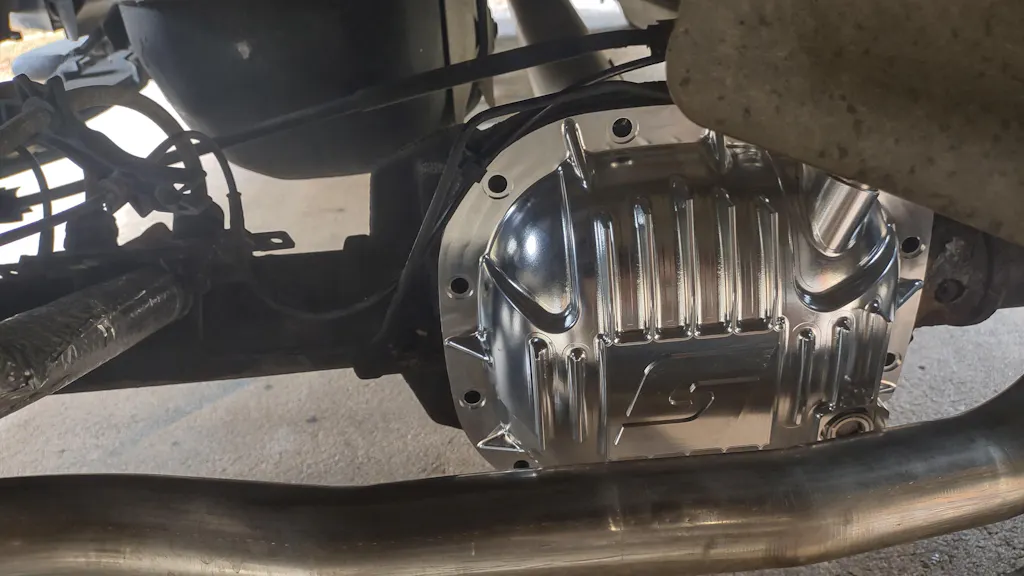
Ford super 8.8" rear diff cover
Perfect fit,excellent craftsmanship,great look,I would recommend this to others
Differential Cover For 2015-2025 F150 Ford 8.8″ 12 Bolts Rear Axle | SPELAB
Thomas Smith
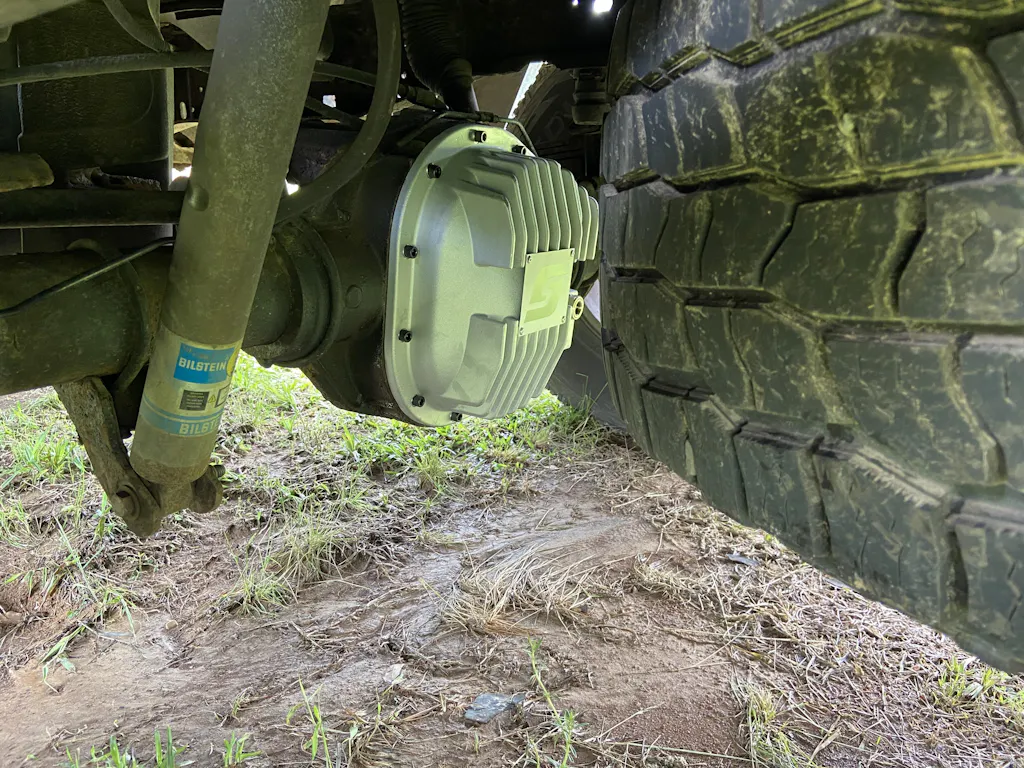
Cast aluminum cover
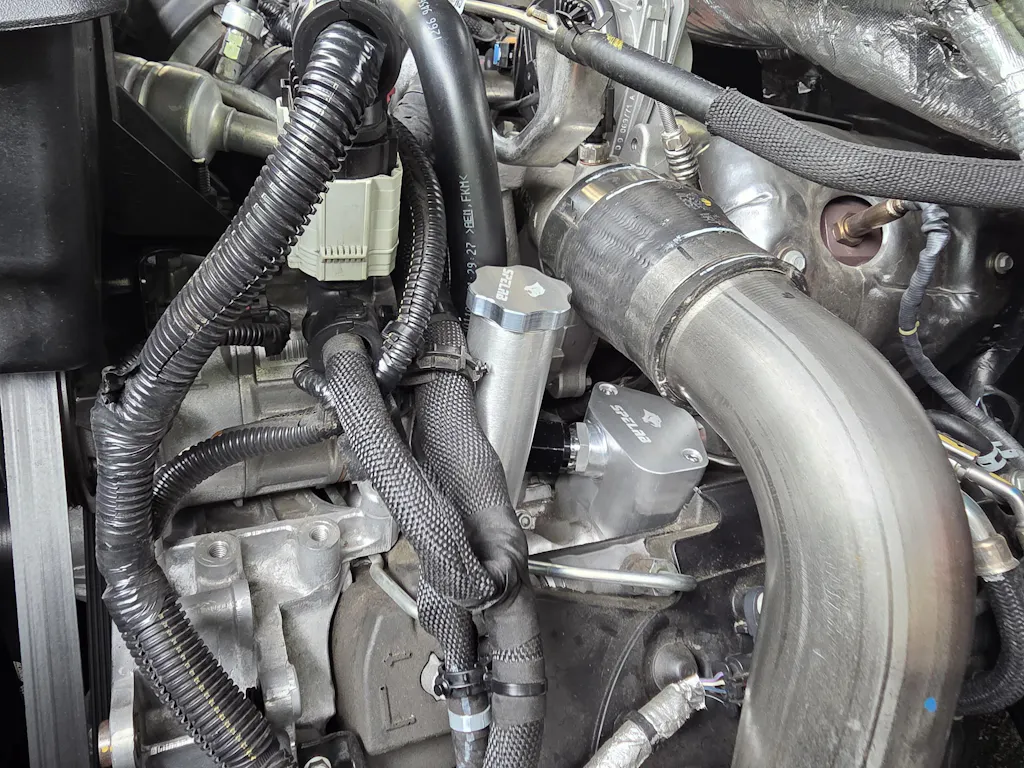
I am very happy with my unpainted cast aluminum cover. I didn’t have any issues with fitment or hardware / sight glass installation. It looks great inside and out. I wish I would’ve taken a picture before reinstalling the spare tire.
2006 F250 (sterling 10.5)
Differential Cover 10.25'/10.5' 12 Bolts for Ford 1986-2024 Ford F250 F350 | SPELAB
Thomas Smawley
Quality Parts/Very Solid Kit
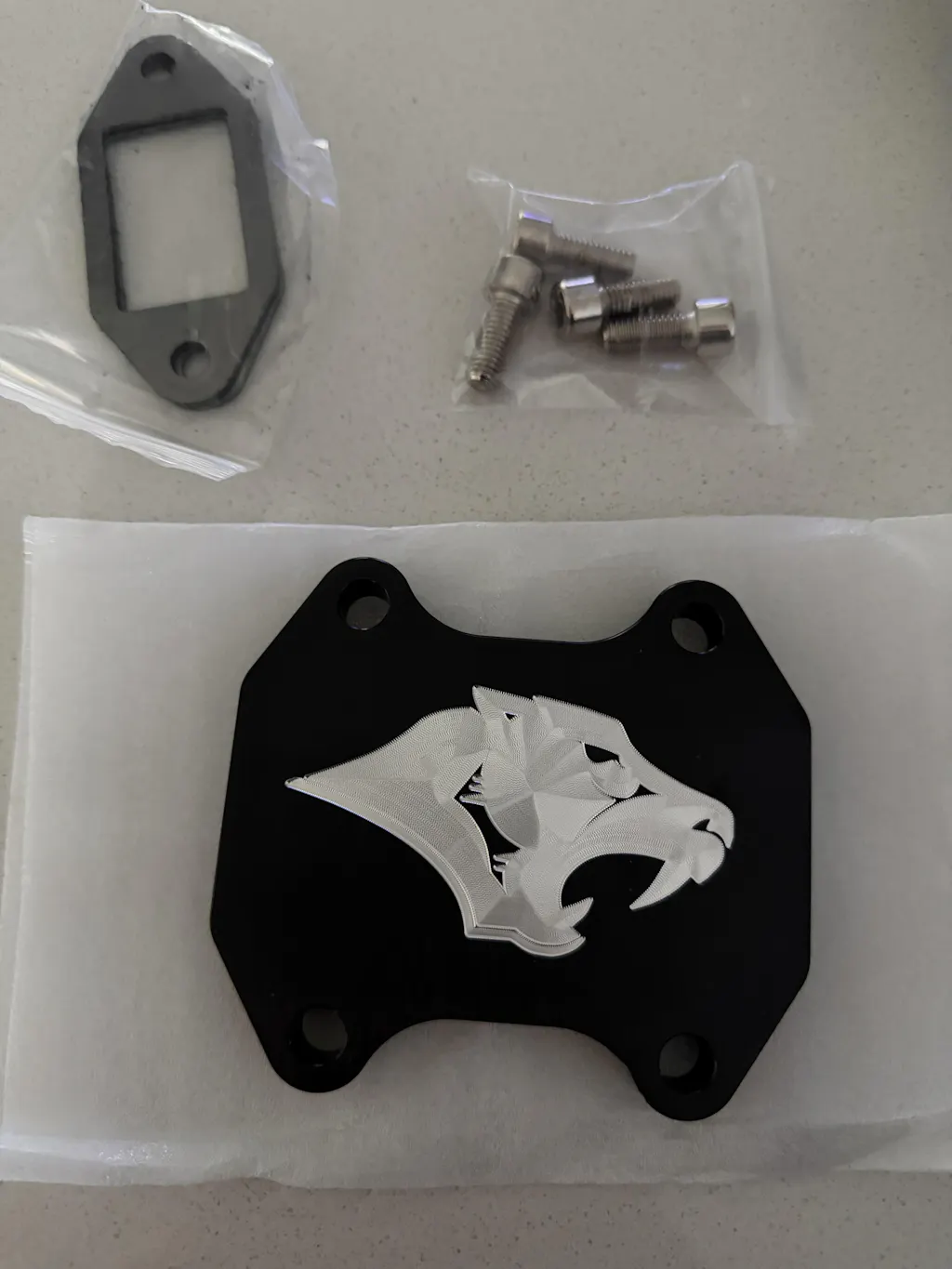
Great solid parts. Install was relatively easy and the kit looks amazing. Going to buy another kit for my 24 Duramax soon.
CCV Reroute/Delete kit For 2017-2024 L5P 6.6L Duramax | SPELAB
Zac Edwards
SPELAB is a great company highly recommended
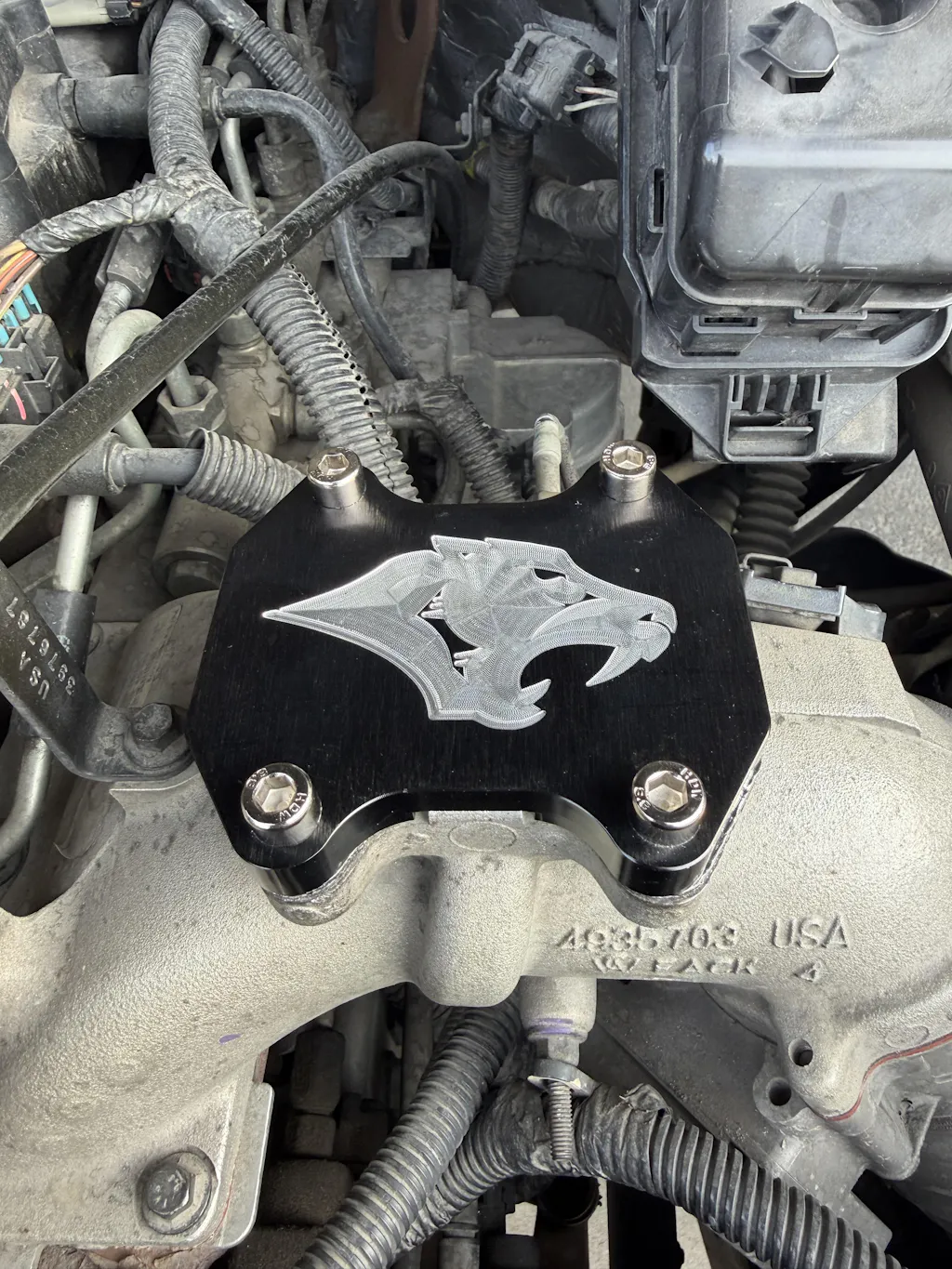
SPELAB is a great company they have great customer service and great products I ordered their egr block off plate for my 09 dodge ram 3500 6.7 Cummins it is a high quality product it fits great and looks great I want to try their intake horn next and their 5”exhaust system I love their products
SPELAB
Zac Edwards
Awesome highly recommended
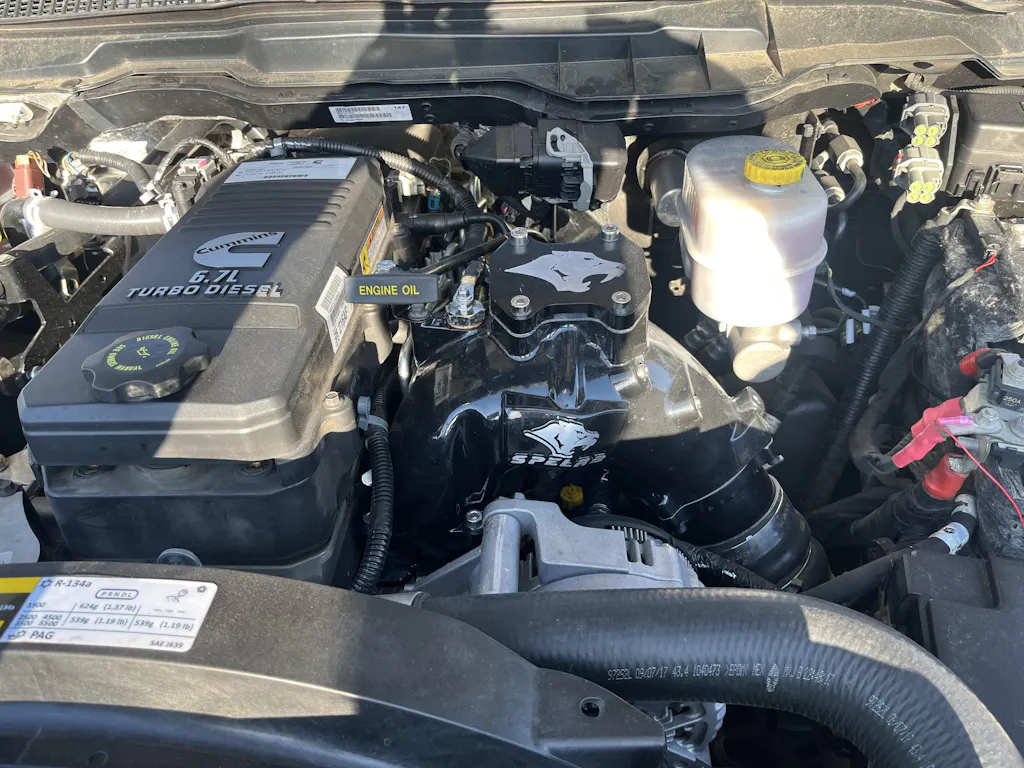
SPELAB is a great company they have great customer service and great products I ordered their egr block off plate for my 09 dodge ram 3500 6.7 Cummins it is a high quality product it fits great and looks great I want to try their intake horn next and their 5”exhaust system I love their products
Worry-Free Purchase
Darren Albury
Great
Fast shipping and every works perfect
Worry-Free Purchase