Updated July 15, 2026.
A new intake goes on, the average-MPG display gets reset, and the first quiet highway run looks promising. Then traffic, wind, towing, winter fuel, or a DPF regeneration event puts the number right back where it started. That does not mean every intake is useless; it means fuel economy needs a better test than one dashboard reading.

Start With the Number That Matters
A cold air intake does not guarantee better gas mileage, and a universal claim of 3 to 5 additional MPG is not credible. On a modern fuel-injected vehicle, the engine control module measures or estimates incoming air, watches operating conditions, and commands fuel for the requested torque and emissions strategy. Cooler, denser air may support more available power, but the computer can add fuel to match the added oxygen.
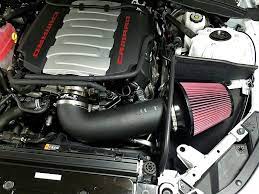
A well-designed system can still reduce inlet restriction or isolate the filter from underhood heat. If the original intake is a measurable bottleneck at the load and rpm being tested, that change may improve response or high-load efficiency. If the factory system already supplies cool air with low restriction during normal cruising, the mileage difference may be too small to separate from everyday variation.
Why More Oxygen Is Not Free Mileage
Cold air is denser than hot air, but that fact alone does not prove fuel savings. The energy required to overcome vehicle weight, aerodynamic drag, rolling resistance, grade, acceleration, and accessory loads still has to come from fuel. The intake changes one part of the engine's breathing path; it does not reduce the work required by the trip.
| Application | Control Reality | Reasonable Expectation |
|---|---|---|
| Modern gasoline engine with MAF sensor | The ECU adjusts fuel using measured airflow, oxygen-sensor feedback, load, and throttle demand. | Normal cruising MPG may show little or no repeatable change. |
| Turbo-diesel pickup | Injection and turbo operation respond to airflow, boost, temperature, load, and aftertreatment demands. | Restriction under towing load may matter more than unloaded MPG. |
| Older carbureted engine | The mixture cannot compensate with modern closed-loop precision and may require adjustment. | Results can differ from fuel-injected vehicles; mixture and drivability must be verified. |
| Open filter inside a hot engine bay | A large filter may still ingest heat-soaked air in traffic or after idling. | Higher intake temperature can erase the expected advantage. |
What the Hardware Can Actually Change
The useful effects of an intake are easier to judge when each one is considered separately.
- Pressure drop: A smoother tube or larger filter may reduce restriction when the engine demands high airflow.
- Intake air temperature: A sealed airbox, outside-air duct, or effective heat shield may reduce heat pickup.
- Turbo inlet conditions: Lower restriction ahead of the compressor can matter during sustained boost.
- Throttle response: Some vehicles respond more quickly, but calibration and the original intake condition affect the result.
- Induction sound: More turbo whistle or intake noise is common and may encourage heavier throttle use.
- Filter maintenance: Reusable media changes the service routine but still requires correct cleaning and inspection.
A louder intake can feel quicker without changing the fuel needed for steady-speed travel. Horsepower, throttle feel, and MPG are related to airflow in different ways and should not be treated as the same measurement.
Run a Fair Tank-to-Tank Test
The dashboard average is useful for trends, but hand calculation is a better starting point. Divide miles driven by gallons added, use several tanks, and compare averages instead of selecting the best result.
- Record at least three representative tanks with the original intake in good condition.
- Use the same pump and fill procedure when practical.
- Keep route, cruise speed, trailer weight, cargo, tire pressure, and idle time as consistent as possible.
- Note headwinds, temperature, winter fuel, traffic, DPF regeneration, and unusual towing events.
- Install the new system, verify sensor operation and sealing, then repeat the same test.
- Compare the two averages and decide whether the difference is larger than normal variation.
A diesel owner who normally commutes empty but performs the after-test with a fifth-wheel attached has not measured the intake. Owners using their trucks for work can compare how towing conditions alter the result before drawing a conclusion.
If the Number Moves the Wrong Way
Fuel economy can fall after installation even when the tube and filter look fine. Check the mechanical work before blaming the engine or buying a tune.
| Symptom or Change | Why It Matters | First Check |
|---|---|---|
| More aggressive acceleration | The louder induction note encourages deeper throttle and longer boost events. | Repeat a controlled route using the same speed and driving style. |
| Loose coupler or breather connection | A leak can disturb measured airflow or introduce unfiltered air. | Inspect every clamp, seal, vacuum line, and crankcase ventilation connection. |
| Incorrect MAF orientation | Sensor direction, housing diameter, turbulence, or contamination can bias the signal. | Verify the arrow, seal, wiring connector, and vehicle-specific sensor housing. |
| Hot air at low speed | An exposed filter may draw underhood heat in traffic. | Compare intake air temperature while moving and after extended idling. |
| Over-oiled reusable filter | Excess filter oil may contaminate a nearby MAF sensing element. | Follow the filter maker's exact cleaning and oiling procedure. |
| Different fuel or duty cycle | Winter blend, towing, wind, low tire pressure, and regeneration can overpower a small intake effect. | Repeat the comparison across several matched tanks. |
Diesel Trucks: Load Changes the Story
On a Cummins, Power Stroke, or Duramax, airflow reliability under load is usually more important than a promised empty-truck mileage gain. Inspect the filter restriction indicator or scan data when available. Look for a collapsed factory duct, damaged airbox seal, loose turbo inlet connection, plugged filter, or a dust trail downstream of the filter.
A less restrictive and better-isolated system may help when the stock path becomes a bottleneck during a long grade. That does not mean it will produce the same benefit on a short commute. Trailer weight, boost demand, exhaust gas temperature, active regeneration, idle time, and road speed can dominate the fuel calculation.
Horsepower and MPG Are Different Questions
An intake can add power at the rpm and load where the original system restricts airflow, but there is no universal horsepower figure. Engine design, turbocharger demand, calibration, filter condition, sensor housing, ambient conditions, and dyno procedure all affect the result.
Claims such as 5 to 20 horsepower or a fixed percentage increase should be tied to a named vehicle and a repeatable test. The explanation of what changes measured horsepower is more useful than applying one sales number to every engine.
Protect the MAF, Turbo, and Engine
Installation steps vary by engine and sensor layout, so use the instructions for the exact vehicle and kit. A generic nine-step list cannot account for every breather, mounting bracket, airbox seal, or sensor housing.

- Confirm model year, engine, chassis, and sensor configuration before disassembly.
- Keep dirt, hardware, and shop towels out of the open intake or turbo inlet.
- Transfer the MAF sensor in the correct direction without touching its sensing element.
- Seat couplers completely and position clamps away from wiring and soft hose edges.
- Reconnect every required breather, vacuum, and emissions-related connection.
- Make sure the filter cannot rub the hood, body, battery cable, or a hot component.
- Start the engine, listen for leaks, inspect airflow or fuel-trim data when applicable, and check for diagnostic trouble codes.
- Recheck clamps after several heat cycles and inspect the clean side of the system for dust.
What to Buy, What to Ignore
Choose an intake by exact fitment, sensor compatibility, tube routing, heat isolation, filter media, service access, water exposure, replacement-filter availability, and the way the vehicle is used. Pipe diameter alone does not prove better airflow, and an exposed cone filter is not automatically a cold-air design.
The diesel cold air intake kits collection covers several engines and year ranges. Use the individual product fitment rather than assuming a similar-looking tube will work. It also helps to check the buying criteria before ordering.
FAQ: Mileage Questions Without the Sales Pitch
Q: How much MPG does a cold air intake add?
A: There is no universal number. Many modern vehicles show no repeatable change during normal driving. Compare several matched tanks before attributing a small difference to the intake.
Q: Do K&N, S&B, Spectre, or other high-flow filters improve gas mileage?
A: A brand name does not guarantee an MPG increase. Filter restriction, enclosure design, sensor compatibility, calibration, and vehicle use determine the outcome. Evaluate vehicle-specific testing rather than a general brand claim.
Q: Why did my fuel economy get worse after installation?
A: Common reasons include harder acceleration, a loose post-MAF joint, incorrect sensor orientation, heat soak, excessive filter oil, different weather, towing, or DPF regeneration. Inspect the installation and repeat the test under comparable conditions.
Q: Can an intake trigger a check-engine light?
A: Yes. A leak, disconnected breather, incorrect MAF direction, contaminated sensor, or housing that changes the airflow signal can set diagnostic trouble codes. Read the code and correct the cause instead of clearing it repeatedly.
Q: Does a cold air intake require a tune?
A: Some direct-fit systems retain the original sensor housing behavior and may not require calibration. A different MAF housing diameter or flow pattern can change the sensor transfer function. Follow the exact kit and vehicle instructions.
Q: Is a cold air intake useful for diesel towing?
A: It may help when the original intake is restrictive or heat-soaked under sustained load. Filtration, turbo protection, and sealed connections matter more than sound, and the part is not a guaranteed fuel-economy repair.
Q: Can an intake lower emissions?
A: Do not assume it will. Emissions depend on sensor accuracy, calibration, combustion control, catalysts, and operating conditions. A system that disturbs airflow measurement can make emissions and drivability worse.
Q: Can rain or standing water cause hydrolock?
A: Normal rain is different from submerging a low-mounted filter, but any inlet placed where it can ingest standing water increases risk. Avoid flooded roads and verify that the filter location suits the vehicle's use.
The Modification in Plain Terms
A cold air intake is an airflow, filtration, heat-control, packaging, and sound decision. It may improve high-load response when the original path is genuinely restrictive, but it is not a predictable 3-to-5-MPG shortcut. Measure the vehicle you own, protect the engine from dust and water, and let repeatable tank data decide whether the change was worthwhile.

About the Author
John Lee
Mechanical Engineer | 10+ Years Experience
John has spent the last decade engineering and testing high-performance automotive components. Specializing in drivetrain durability and thermal management across Powerstroke, Cummins, and Duramax applications, he bridges the gap between OEM limitations and aftermarket performance. His philosophy: "Factory parts are just a starting point."