Updated July 15, 2026.
A power steering pump supplies hydraulic pressure that helps the driver turn the steering wheel. When the pump, drive belt, fluid supply, hoses, steering gear, or rack develops a problem, a truck may whine in a parking lot, feel heavy while backing a trailer, or suddenly need much more steering effort.
Those symptoms do not automatically prove the pump is bad. Low or aerated fluid, a slipping serpentine belt, a restricted reservoir, a leaking hose, or wear inside the steering gear can produce similar complaints. On some heavy-duty pickups, the same hydraulic circuit also supports Hydroboost braking, which raises the stakes when assist is lost.
What Does a Power Steering Pump Do?
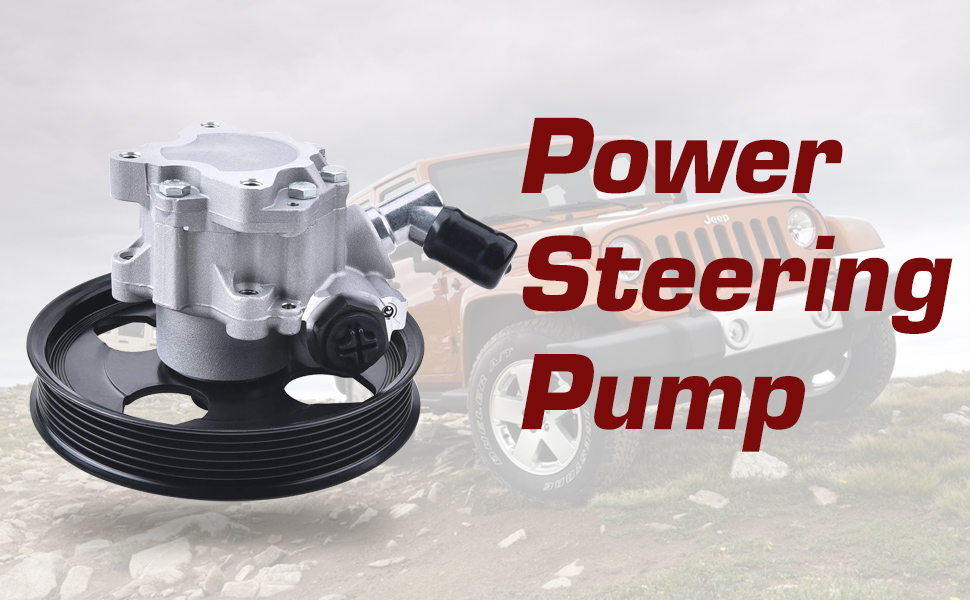
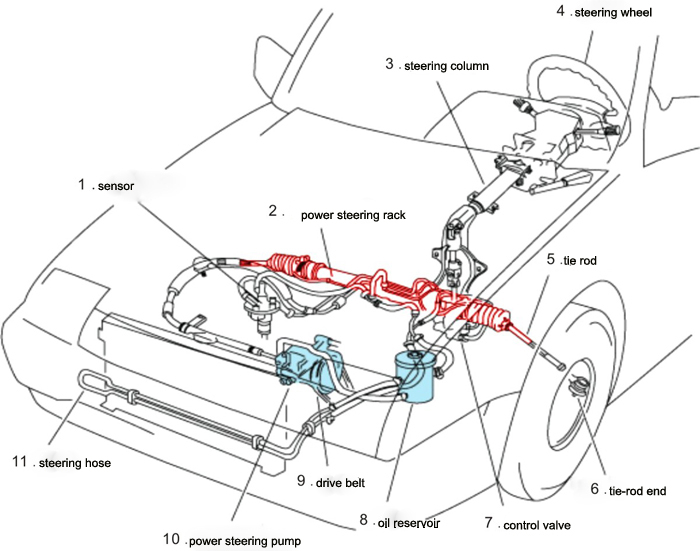
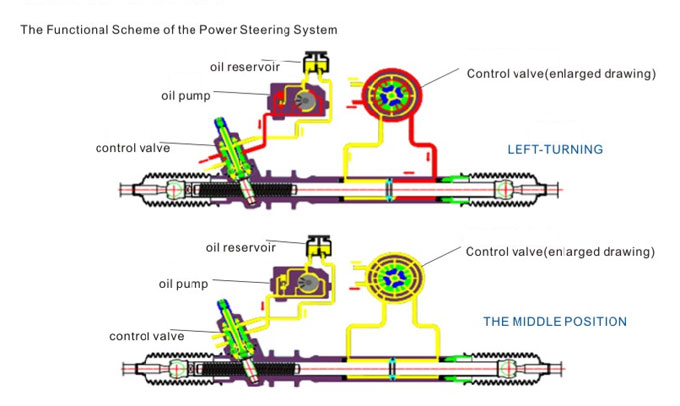
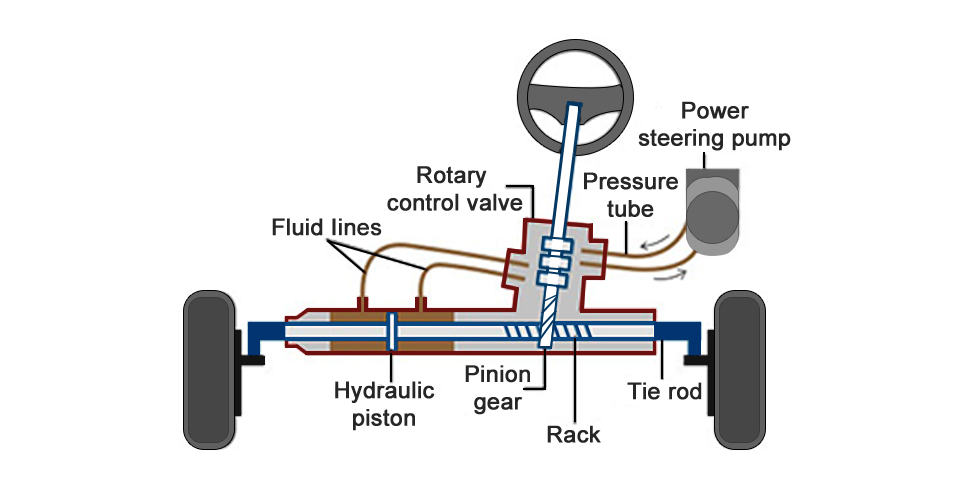
In a traditional hydraulic power steering system, the pump draws fluid from a reservoir and sends it through a high-pressure hose to a control valve in the steering rack or steering gearbox. When the driver turns the wheel, hydraulic pressure assists movement of the rack piston or steering-gear mechanism. Fluid then returns to the reservoir through the low-pressure side of the circuit.
Many belt-driven pumps use a vane-style internal design, but "power steering pump" and "vane pump" are not universal synonyms. Some vehicles use electro-hydraulic pumps, while many newer vehicles use electric power-assisted steering and have no hydraulic pump or fluid reservoir at all.
| System type | How assist is created | What the owner can inspect |
|---|---|---|
| Belt-driven hydraulic | An engine-driven pump pressurizes steering fluid | Fluid level, leaks, belt, tensioner, pulley, hoses, and noise |
| Electro-hydraulic | An electric motor drives a hydraulic pump | Fluid and leaks, plus electrical supply, fuses, connectors, and fault codes |
| Electric power steering | An electric motor assists the column or steering gear | Warning messages, battery voltage, connectors, steering components, and diagnostic codes |
Which Parts Work with the Hydraulic Pump?
The pump is only one part of the circuit. A sound diagnosis follows the fluid path instead of replacing the loudest component first:
- Reservoir and inlet hose: Supply fluid to the pump. A low level, cracked suction hose, loose clamp, or restricted screen can introduce air and make a healthy pump noisy.
- Serpentine belt, tensioner, and pulley: Drive most conventional pumps. Slip, misalignment, or a failing bearing can squeal and reduce pump speed.
- Pressure hose: Carries high-pressure fluid to the steering gear or rack. Damage can cause leakage and loss of assist.
- Steering rack or gearbox: Converts hydraulic pressure into steering assistance. Internal wear or binding can imitate weak pump output.
- Return line and cooler: Carry fluid back to the reservoir and help control temperature on equipped vehicles.
- Hydroboost unit: On equipped diesel and heavy-duty trucks, the same hydraulic pump can support both steering and brake assist. Low-speed steering while the driver is also applying the brake, such as backing a fifth-wheel into a tight site, places simultaneous demand on the circuit. If steering effort and brake-pedal effort change together, stop and inspect the system. Confirm the exact circuit because not every truck uses Hydroboost.
Can You Drive with a Bad Power Steering Pump?
A hydraulic steering system usually retains a mechanical connection if assist is lost, but steering effort can rise sharply, especially during parking, trailer backing, or another low-speed maneuver. That does not make continued driving a good plan. A leak can empty the reservoir, a seized pump can damage or throw the drive belt, and a shared Hydroboost circuit may also change brake-pedal assist on certain trucks.
What Are the Symptoms of a Bad Power Steering Pump?
| Symptom | What it may mean | First check |
|---|---|---|
| Whine or groan while turning | Low fluid, aeration, inlet restriction, or pump wear | Check level, foam, leaks, hose condition, and whether the sound changes with engine speed |
| Heavy steering at idle that improves with RPM | Low pump output, belt slip, tensioner trouble, or a fluid restriction | Inspect the belt drive and verify pressure and flow with the correct test procedure |
| Jerky or inconsistent assist | Air in the system, intermittent belt slip, contaminated fluid, or internal wear | Look for bubbles or foam and inspect the suction side for air entry |
| Squeal at startup or during a sharp turn | Belt, tensioner, pulley alignment, or excessive steering load | Do not condemn the pump until the accessory drive is inspected |
| Fluid around the pump | Pump seal, reservoir, cap, fitting, hose, or fluid running down from another source | Clean the area and locate the highest point where fresh fluid returns |
| Assist weak in only one direction | Control-valve, rack, gearbox, or internal mechanical problem | Use a steering-system pressure test and inspect the gear before replacing the pump |
| Dark, burnt-smelling, or contaminated fluid | Overheating, age, hose breakdown, or component wear | Identify the contamination source and follow the vehicle-specific service procedure |
Do Not Blame the Pump Too Quickly
The timing of the complaint often points away from the pump. A squeal that starts before the wheel is turned deserves an accessory-belt and pulley inspection. Assist that binds in only one direction points more strongly toward the control valve, steering rack, or gearbox. A truck that pulls or wanders while hydraulic assist remains normal needs tire, alignment, suspension, and linkage checks.
Owners chasing a squeal should review belt wear and replacement timing before buying a hydraulic component. When the sound is difficult to locate, it also helps to separate steering noise from other vehicle noises.
How Do Pump Problems Feel in Real Truck Use?
Backing a Trailer at Idle
This is where a marginal hydraulic system often becomes obvious. The engine is near idle, tire scrub is high, and the driver makes repeated low-speed corrections while covering the brake. On a Hydroboost-equipped truck, both actions depend on the same hydraulic supply. Steering that becomes heavy only in this situation may justify pump-output testing, but tire pressure, fluid level, belt slip, and steering-gear condition still belong in the diagnosis.
A Cold-Morning Whine That Fades
Cold fluid is thicker, and a hardened inlet hose or weak seal may allow air to enter until the system warms. Do not assume the disappearing noise is harmless. Check the fluid specification, reservoir level, suction hose, clamps, and service history.
A Loud Squeal Followed by Heavy Steering
Pull over safely and inspect the accessory drive. A broken or thrown belt can stop the steering pump and may also stop other belt-driven components. Continuing to drive can turn one failed part into an overheating or charging problem.
A New Pump That Still Whines
Repeat noise after replacement often means the root cause was not corrected. Trapped air, an old reservoir screen, a collapsing inlet hose, contaminated fluid, poor pulley alignment, or a wrong installation procedure can damage the replacement or keep it noisy.
How Should You Check a Suspected Power Steering Pump?
- Confirm the system type. Verify that the vehicle actually uses hydraulic assist rather than electric power steering.
- Read the vehicle procedure. Fluid specifications, checking temperature, bleeding steps, and reservoir markings vary. Do not assume every Ford uses the same MERCON specification or every Ram uses the same Chrysler specification; verify the exact vehicle by VIN and service information.
- Check level and condition safely. Follow the owner's manual and do not overfill. Foam, milkiness, burnt odor, or metallic material deserves investigation.
- Find the leak before topping up repeatedly. Inspect the reservoir, cap, inlet hose, pressure line, return line, cooler, pump body, rack, steering gearbox, and Hydroboost connections where equipped.
- Inspect the accessory drive. Look for glazing, cracking, contamination, weak tension, pulley wobble, or misalignment.
- Observe the symptom pattern. Note whether the problem appears hot or cold, at idle or higher RPM, in one direction or both, and with braking input on a Hydroboost truck.
- Use pressure and flow testing when the answer is unclear. This step requires the correct gauge, shutoff procedure, specifications, and safety practices. It is a better basis for replacement than noise alone.
Never hold the steering wheel against full lock for an extended period. The relief circuit is heavily loaded at the stop, and unnecessary heat can damage fluid, hoses, seals, and the pump.
When Does the Pump Actually Need Replacement?
Replacement makes sense when testing confirms inadequate pressure or flow, the shaft or pulley has excessive play, the pump is seized, the housing or shaft seal leaks from the pump itself, or internal damage has contaminated the system. Replacing a pump solely because the steering makes noise is an expensive guess.
Before installation, inspect the hoses, reservoir or filter, cooler, belt, tensioner, and steering gear. Contamination left in the circuit can shorten the life of a replacement pump. Use only the specified fluid and follow the vehicle-specific fill and bleeding procedure; never start a hydraulic pump dry.
How Can You Reduce Repeat Steering Problems?
- Check the fluid level at the temperature and engine condition specified by the vehicle manufacturer.
- Use the exact approved fluid; some systems specify power steering fluid while others specify a particular automatic transmission fluid, and the required specification can change within the same brand.
- Repair leaks rather than repeatedly topping off the reservoir.
- Keep oil and hydraulic fluid off the serpentine belt.
- Inspect hoses for sweating, soft spots, cracking, abrasion, and loose connections.
- Recheck the system after towing, hot-weather work, or steering-system service.
For a wider pre-trip routine, use this hot-weather maintenance checklist to inspect fluid, belts, tires, brakes, and cooling concerns before the truck is loaded.
Power Steering Pump FAQ
Q: What is a power steering pump?
A: It is the hydraulic pressure source for a hydraulic power steering system. The pump circulates specified fluid to the steering rack or gearbox so the driver needs less effort to turn.
Q: Does every vehicle have a power steering pump?
A: No. Hydraulic and electro-hydraulic systems use pumps, but electric power steering uses an electric assist motor and normally has no hydraulic pump or fluid reservoir.
Q: Why is the power steering fluid foamy?
A: Foam indicates aeration. Check for a low reservoir, suction-side leak, loose inlet connection, restriction, or incomplete bleeding before blaming the pump.
Q: Why is steering hard at idle but easier when RPM increases?
A: The pattern can indicate weak low-speed pump output, belt slip, a tensioner problem, fluid restriction, or internal steering-system wear. Pressure and flow testing can separate those causes.
Q: Can a bad pump affect the brakes on a diesel truck?
A: It can on trucks where the hydraulic pump also supplies a Hydroboost brake-assist unit. The exact circuit varies, so a change in both steering and brake effort requires prompt inspection.
Q: What power steering fluid should I use?
A: Use only the specification listed in the owner's or service manual for the exact vehicle. Do not choose fluid by color or by a universal label alone.
Q: Can I drive after losing power steering assist?
A: Manual steering may remain, but effort can become much higher, especially at low speed. Pull over safely and inspect the system rather than continuing a trip with a leak, damaged belt, or changed Hydroboost brake assist.
The Practical Takeaway
A power steering pump is easy to blame because it is the part making pressure and often the part making noise. Real diagnosis is broader. Verify the steering-system type, inspect the fluid and belt drive, find leaks, note when the symptom appears, and test pump output when the cause is uncertain.
That approach costs less than replacing the wrong component and matters even more on a work truck that backs trailers at idle or shares hydraulic pressure with Hydroboost brakes.