
By the SPELAB Engineering Team
Thinking about upgrading your engine's intake? A Cold Air Intake (CAI) is one of the most popular first modifications for any performance enthusiast. It promises more power, a better sound, and improved efficiency. But does it really deliver? And is it the right choice for your vehicle?
We've compiled the top questions we hear from customers every day and are here to give you the definitive, no-nonsense answers. Let's dive in.
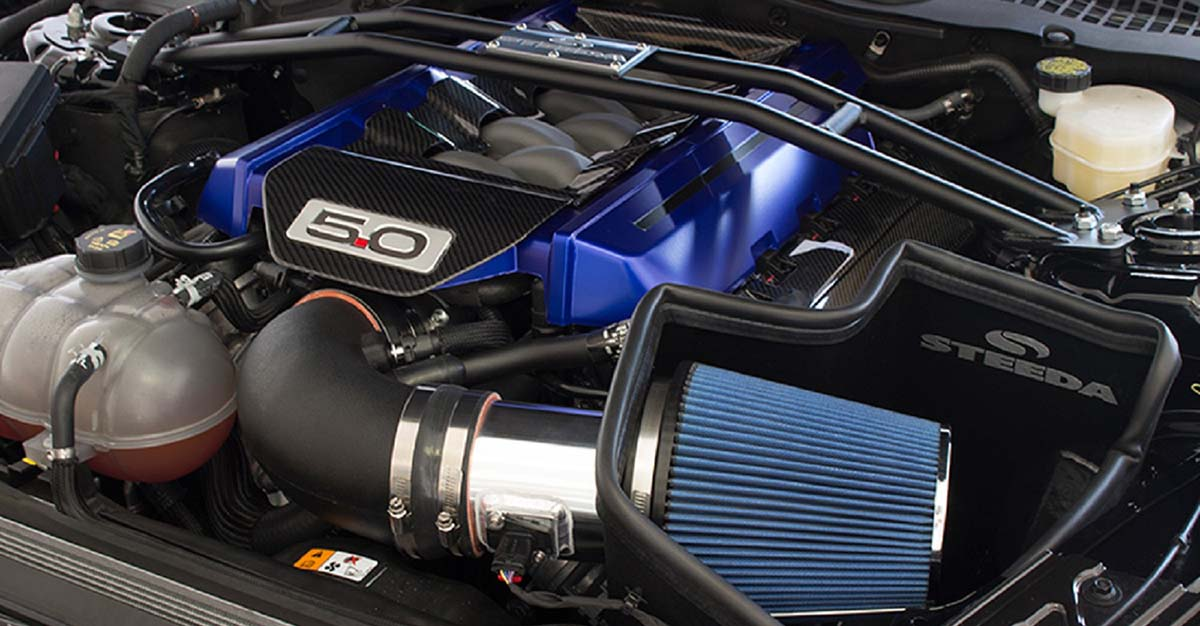
Q1: What is a Cold Air Intake and How Does it Work?
A:A cold air intake is an aftermarket performance part designed to replace your vehicle's restrictive factory airbox and intake tube. Its primary job is to deliver a larger volume of cooler, denser air to your engine. Think of your engine as an athlete: it performs better when it can take deep, cool breaths. The factory system is often designed to be quiet and compact, which creates bottlenecks. A cold air intake removes these restrictions.
It works in two key ways:
- It pulls in cooler air: It relocates the air filter away from the hot engine bay, often to a fender well or behind the grille, to draw in cooler ambient air.
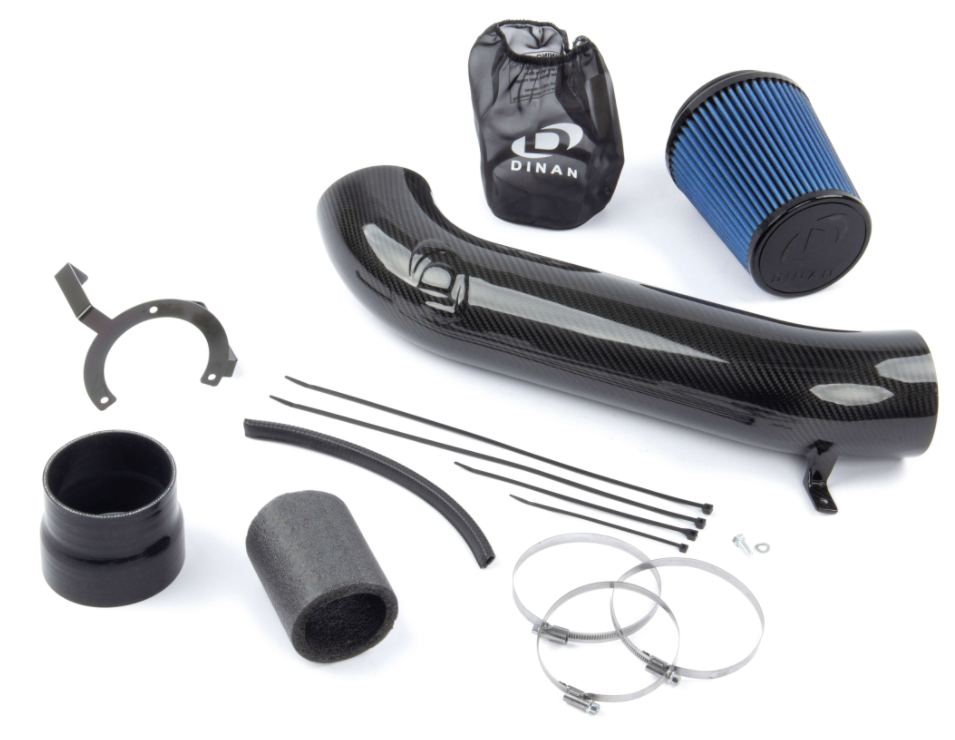
- It increases airflow: It uses a larger, high-flow air filter and a wider, smoother intake tube with fewer bends, allowing the engine to pull in air with much less effort.
Q2: How Much Horsepower Does a Cold Air Intake Add?
A:This is the million-dollar question. A quality cold air intake kit, like those from SPELAB, can deliver a noticeable performance boost, typically in the range of 5 to 20 horsepower. The exact gains depend on the engine, with larger V8s and turbocharged engines often seeing the most significant increases.
While a CAI is a great standalone upgrade, its true power is unlocked when you combine it with other modifications. When you pair it with a high-flow exhaust system and a performance tuner, you create a highly efficient system where air can flow in and out of the engine with maximum speed, leading to much larger power gains.
Q3: Are Cold Air Intakes Worth It?
A:Absolutely. For any owner seeking an exhilarating engine sound, sharper throttle response, and a cost-effective power boost, a cold air intake is one of the best "bang-for-your-buck" upgrades you can make. It not only improves performance but also enhances the overall driving experience by making the engine feel more alive and responsive. The aggressive intake sound alone is worth the price of admission for many enthusiasts.
Q4: Does a Cold Air Intake Increase Fuel Mileage (MPG)?
A:Yes, a cold air intake can lead to an improvement in fuel mileage, although the results can vary. By allowing the engine to breathe more easily, it doesn't have to work as hard, which can lead to better efficiency, especially during steady highway cruising. The improved air-to-fuel ratio allows for a more complete and efficient combustion process.
However, let's be honest: the new, aggressive engine sound and quicker throttle response might tempt you to press the gas pedal a little harder, which can counteract the potential MPG gains. The efficiency is there if you can resist the fun!
Q5: Can a Cold Air Intake Damage Your Engine?
A:A properly designed and installed cold air intake from a reputable brand like SPELAB will not damage your engine. However, there are two potential risks to be aware of, both related to poor design or user error:
- Water Ingestion (Hydrolock): If an intake places the filter too low without proper shielding (e.g., in the front bumper), it could potentially suck up a large amount of water when driving through deep puddles, which can cause catastrophic engine damage. Well-designed kits position the filter safely or include splash shields to prevent this. A "hydroshield" or bypass valve can add extra protection.
- Poor Filtration: An extremely cheap, low-quality air filter may not filter out fine dust and debris as effectively as the factory filter, which could lead to internal engine wear over a long period. This is why SPELAB uses high-quality, multi-layer cotton gauze filters that provide excellent filtration without restricting airflow.
Q6: Will a Cold Air Intake Void My Warranty?
A:This is a common concern. In the United States, the Magnuson-Moss Warranty Act states that a dealer must prove that your aftermarket part caused a specific failure in order to deny a warranty claim. Simply having a cold air intake installed does not automatically void your entire vehicle warranty.
However, be aware that some dealerships may be more difficult to work with than others. To be safe, it's always a good idea to keep your original factory intake parts, as you can easily swap them back on before a dealership visit if you are concerned.
Q7: Can a Cold Air Intake Cause Problems with Sensors?
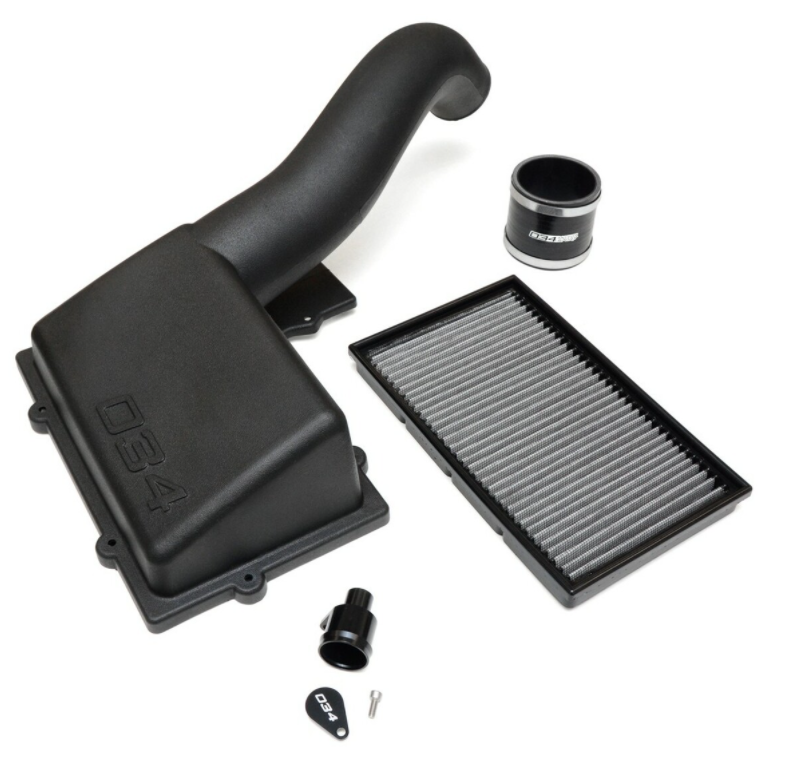
A:In very rare cases, a new cold air intake can cause issues with the Mass Airflow (MAF) sensor. However, this is almost always due to human error during installation or maintenance, not a flaw in the product itself. The two most common causes are:
- Over-oiling the filter: On reusable filters that require oiling, applying too much oil can cause it to get sucked into the intake and coat the delicate MAF sensor, leading to incorrect readings. Always follow the oiling instructions precisely.
- Damaging the sensor: The MAF sensor is a sensitive electronic component. It can be easily damaged if handled roughly during the removal from the old airbox and installation into the new intake tube.
Q8: How Do I Install a Cold Air Intake?
A:Installing a cold air intake is one of the easiest and most rewarding DIY projects for any car enthusiast. Most kits can be installed in under an hour with basic hand tools. While a specific guide like our 2012 Infiniti G37 installation guide provides exact steps, the general process is as follows:
- Disconnect the Battery: A standard safety precaution for any work under the hood.
- Remove the Factory Intake: This usually involves loosening a few clamps and bolts to remove the stock airbox, filter, and intake tube. Unplug the MAF sensor carefully.
- Assemble the New Intake: Assemble the new heat shield (if included) and attach the new filter to the intake tube.
- Install the New System: Mount the new intake system in place, transfer the MAF sensor, and tighten all clamps and bolts.
- Reconnect the Battery: Reconnect the battery, start the engine, and listen to that glorious new sound!
Q9: How Do I Clean a Cold Air Intake Filter?
A:Most high-performance cold air intakes use a reusable, oiled cotton filter. Unlike the disposable paper filters from the factory, these can be cleaned and reused for the life of your vehicle. The process is simple:
- Remove the Filter: Take the filter off the intake tube.
- Apply Cleaner: Generously spray the filter with a specialized air filter cleaner and let it soak for about 10 minutes to break down the dirt.
- Rinse Gently: Rinse the filter from the inside out with cool, low-pressure water. This pushes the dirt off the filter instead of driving it deeper.
- Dry Completely: Let the filter air dry naturally. Do not use compressed air or heat, as this can damage the filter media. This can take a few hours.
- Oil Lightly: Once completely dry, apply a thin, even layer of specialized air filter oil. Do not over-oil!
- Reinstall: Place the filter back on your intake, and you're good to go.
Q10: How Much Does a Cold Air Intake Cost?
A:A cold air intake is a very affordable modification, especially given the benefits. Prices typically range from a hundred to a few hundred dollars. SPELAB is committed to providing exceptional value, with our high-quality cold air intake kits offering premium performance and materials at a highly competitive price point, often around one hundred dollars.





1 comment
Excellent overview of cold air intakes and how they can impact engine performance. The article does a great job explaining the benefits, common questions, and what drivers should consider before upgrading. A helpful resource for anyone looking to improve airflow, throttle response, and overall driving experience.