Updated July 13, 2026.
If your diesel pickup keeps throwing a check engine light, going into limp mode, forcing frequent regen, asking for DEF, or losing power while towing, it is easy to ask the big question: should I delete the EGR system? The honest answer is not a quick yes. For a street-driven truck, emissions legality, warranty impact, inspection rules, tuning quality, resale value, and the real cause of the fault all matter before you buy parts.
If you are already on the road with a warning light, do not start with a shopping cart. Start with the basics: record the exact codes, note whether the truck is in reduced power, watch coolant temperature, check for active DEF or DPF messages, and decide whether it is safe to drive home or smarter to stop and diagnose. A scanner is usually cheaper than buying an EGR delete kit you may not actually need.
Key takeaway: An EGR delete may be discussed for lawful off-road, competition, or non-road applications, but it is not a casual fix for a street diesel. Diagnose the fault first, understand legal and warranty risk, and compare repair or replacement options before choosing any delete-related part.
What EGR, DPF, DEF, and SCR Actually Do
Many owners say “delete” as if every emissions part is the same. They are not. EGR, DPF, DEF, and SCR systems solve different emissions problems and fail in different ways.
| System | What It Does | Common Owner Complaint |
|---|---|---|
| EGR | Routes some exhaust gas back into the intake to reduce NOx formation. | Soot buildup, stuck EGR valve, EGR cooler leak, rough running, intake contamination. |
| DPF | Captures diesel particulate matter and burns it during regeneration. | Frequent regen, soot load warnings, reduced power, high exhaust temperature. |
| DEF / SCR | Uses diesel exhaust fluid and a catalyst to reduce NOx emissions. | DEF quality warnings, countdown messages, SCR efficiency codes. |
| ECU tuning | Controls fueling, boost, emissions monitors, and fault response. | Check engine light, limp mode, readiness issues, tune mismatch. |
If you are new to the topic, this overview of what EGR delete means gives the basic definition before you compare parts or tuning.
Why Diesel Owners Consider an EGR Delete
Most owners do not wake up wanting to modify emissions hardware. They get pushed there by repeated repair bills, stuck valves, leaking coolers, clogged intakes, limp mode, or a truck that loses power while towing.
| Claimed Benefit | Why Owners Care | Reality Check |
|---|---|---|
| Less soot in the intake | EGR introduces exhaust particles into the intake path. | True as a concept, but deleting emissions hardware can create legal and inspection issues. |
| Lower maintenance frustration | Fewer EGR valves, coolers, or passages to clean or replace. | Other systems can still fail, including turbo, sensors, coolant system, DPF, and tuning hardware. |
| Better throttle response | Some trucks feel cleaner under load after emissions changes and tuning. | Results depend heavily on platform, tune quality, use case, and engine condition. |
| Better fuel economy | Owners often hope to reduce regen and pumping losses. | MPG gains are not guaranteed and can be offset by driving style, tire size, gearing, and tune quality. |
The Legal and Warranty Question Comes First
This is the part many older delete articles treat too lightly. If your truck sees public roads, emissions compliance is not a side note. It is part of the decision. Do not assume an EGR, DPF, DEF, SCR, or tuning change is road-legal just because the part bolts on.
Keep it simple: if the truck spends most of its life on pavement, do not play games with emissions rules. Check federal, state, local, inspection, and warranty requirements before modifying emissions systems.
| Risk Area | What It Means for a Truck Owner |
|---|---|
| Emissions compliance | A street-driven truck may fail inspection or violate emissions rules if required controls are removed or disabled. |
| Warranty | Manufacturers can deny coverage when failures are linked to emissions tampering, tuning, or unsupported modifications. |
| Resale | A deleted truck may be harder to sell, finance, inspect, register, or trade in depending on location. |
| Diagnostics | Deletes can hide original symptoms if the real issue was a sensor, wiring problem, coolant leak, turbo fault, or DPF loading issue. |
If you plan to keep the truck forever, your risk tolerance may be different from someone who wants to sell it next year. For resale and inspection reality, read this deeper guide on whether an emissions delete is actually needed.
Do Not Blame the EGR System Too Fast
A diesel truck that feels weak, regens too often, or throws a code is not automatically asking for an EGR delete. I know it is frustrating to chase fault codes, but guessing gets expensive fast. The problem may be upstream, downstream, or electrical.
| Symptom | Possible Cause | What to Check First |
|---|---|---|
| Frequent regen | Short trips, high soot load, exhaust leak, sensor issue, poor fuel quality, DPF restriction. | Scan soot load, regen history, differential pressure, and exhaust temperature sensors. |
| Limp mode or reduced power | DPF load, turbo issue, boost leak, EGR fault, DEF/SCR warning, tune mismatch. | Read codes before clearing them. Look at live data, not only dashboard warnings. |
| Coolant loss | EGR cooler leak, head gasket issue, hose leak, radiator, water pump, reservoir problem. | Pressure-test the cooling system before assuming the EGR cooler is the only source. |
| Black smoke | Boost leak, over-fueling, sensor issue, air restriction, turbo problem. | Inspect boots, charge pipes, air filter, MAF/MAP data, and turbo response. |
| Check engine light | P0401, P0402, sensor faults, readiness monitors, DPF/SCR codes. | Record exact codes and freeze-frame data before buying parts. |
If towing is part of the problem, this guide on regen and EGT warning signs helps separate normal load behavior from a real emissions or airflow fault.
EGR Delete vs Repair vs Replacement
The better question is not only “should I delete?” It is “what is the least risky fix for my use case?” A ranch truck, a competition vehicle, a work truck that must pass inspection, and a daily-driven family tow rig do not have the same decision path.
| Option | Best Fit | Main Risk |
|---|---|---|
| Diagnose and keep emissions intact | Street-driven trucks, inspected vehicles, trucks under warranty. | May require more troubleshooting and OEM-style repair cost. |
| Clean or replace EGR valve / cooler | Trucks with confirmed EGR flow, valve, or cooler problems. | Does not solve DPF, DEF, SCR, turbo, or sensor problems. |
| Repair DPF / DEF / SCR fault | Trucks with regen, DEF countdown, or SCR efficiency problems. | Can be expensive if diagnosis is rushed or incomplete. |
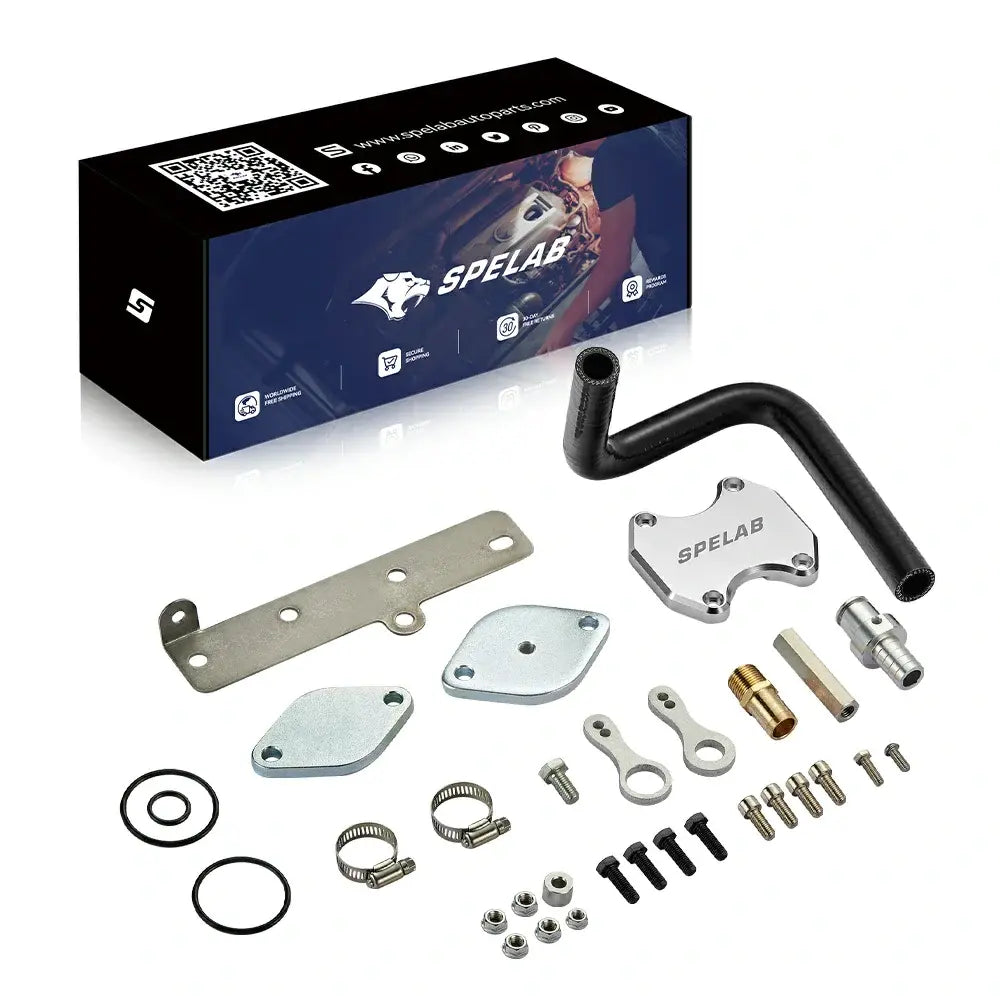
| Delete-related hardware and tuning | Only where the application, use, and local rules allow it. | Legal exposure, inspection failure, warranty impact, tuning risk, resale issues. |
Platform Notes: Cummins, Powerstroke, Duramax, and EcoDiesel
Each diesel platform has its own weak points and owner language. A Ram owner may talk about a 6.7 Cummins EGR cooler or throttle valve. A Ford owner may search for Powerstroke EGR cooler problems. A Duramax owner may be comparing LMM, LML, or L5P emissions hardware. EcoDiesel owners often focus on EGR cooler reliability, soot, and intake contamination.
| Platform | Common Search Language | Relevant Page |
|---|---|---|
| Ram 6.7L Cummins | 6.7 Cummins EGR delete, DPF/DEF delete, throttle valve delete, regen issues. | Cummins EGR delete kit |
| Ford Powerstroke | 6.0, 6.4, or 6.7 Powerstroke EGR cooler delete, delete tuner, DPF warnings. | Powerstroke EGR delete kit |
| GM Duramax | LMM, LML, L5P EGR delete, DPF delete, DEF warning, reduced power. | Duramax EGR delete kit |
| Ram / Jeep EcoDiesel | EcoDiesel EGR cooler, intake soot, EGR valve problems, coolant loss. | EcoDiesel EGR delete kit |
What About Diesel Tuners?
A diesel tuner is not just a power gadget in this conversation. It can affect how the ECU handles emissions monitors, fueling, boost, fault codes, and drivability. A mismatch between hardware and tuning can create check engine lights, limp mode, smoke, high EGT, or a truck that still asks for DEF after major changes.
The part that scares many owners is not the block-off plate. It is the flash. A bad file, weak battery, interrupted write, wrong year file, or unsupported calibration can leave the truck stuck in the driveway. If you tune, use a reliable tuning source, keep battery voltage stable, save stock files when possible, and understand that dealer software updates can overwrite or conflict with non-stock calibration.
Owners comparing diesel delete tuners should focus on platform compatibility, support, tune source, diagnostics, and legal use case. Do not buy a tuner only because a forum post says it “works.”
Related Parts Should Not Distract the Diagnosis
The original article also showed valve cover hardware. A valve cover can be a separate diesel maintenance or appearance upgrade, but it should not drive the EGR decision. If the truck has EGR, DPF, DEF, SCR, or regen symptoms, diagnose those systems first before chasing unrelated top-end parts.

What I Would Check Before Buying Parts
- Read and save all active and pending codes before clearing anything.
- Check freeze-frame data, soot load, regen history, and exhaust temperature sensor data.
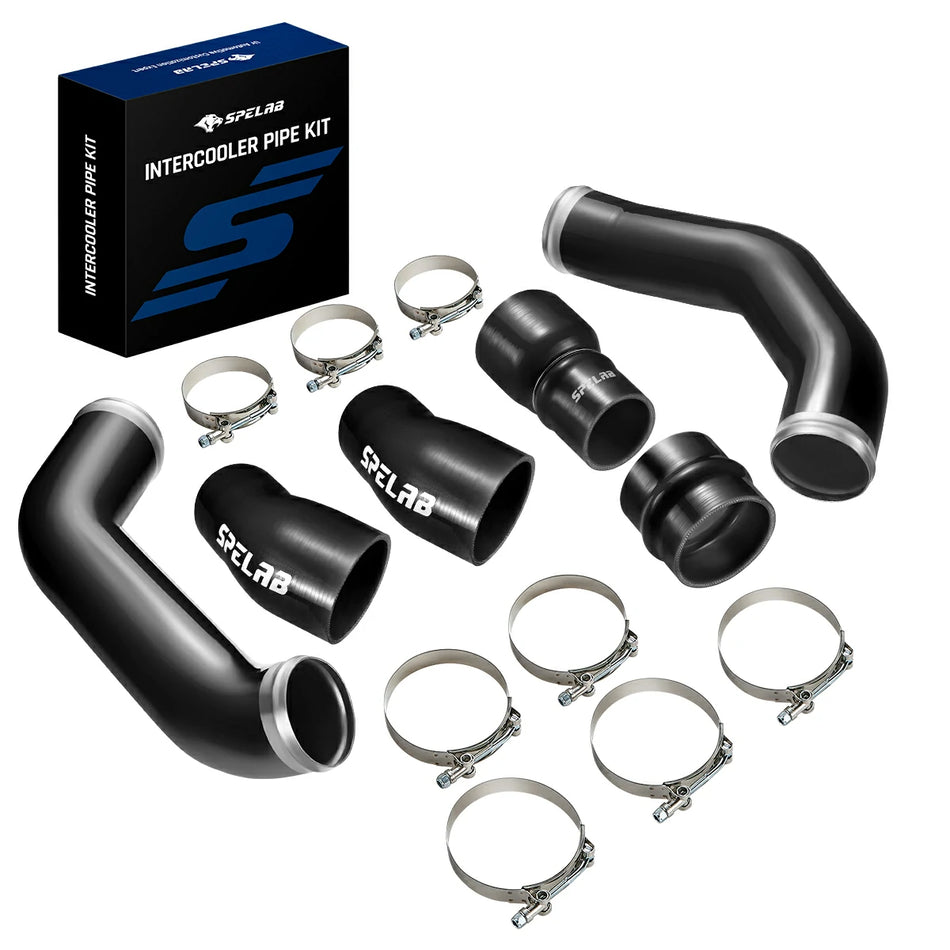
- Inspect for boost leaks, intake restriction, exhaust leaks, and coolant loss.
- Confirm whether the truck must pass emissions testing or OBD readiness checks.
- Check warranty status and whether modification could affect future claims.
- Think about resale before making a change that may limit future buyers.
- Verify exact year, engine, cab/chassis vs pickup configuration, and emissions equipment.
- Confirm whether the part is intended for your lawful use case before ordering.
FAQ
Is an EGR delete legal on a street-driven diesel truck?
Do not assume it is legal. Emissions-system tampering and defeat devices can create federal, state, inspection, warranty, and resale problems. Check official rules for your location and vehicle use before modifying anything.
Can I keep driving if my truck is in limp mode?
It depends on the cause. If the truck has severe overheating, low oil pressure, heavy smoke, major coolant loss, or a hard reduced-power warning, stop and diagnose. If it is a mild warning with normal temperatures, drive gently only long enough to get to a safe place or repair facility.
Will an EGR delete fix frequent regen?
Not necessarily. Frequent regen can come from DPF soot load, short-trip driving, exhaust leaks, sensor faults, fuel issues, poor tuning, or engine problems. Diagnose the regen cause first.
Can an EGR cooler leak cause coolant loss?
Yes, an EGR cooler can leak coolant internally or externally, depending on design and failure mode. But coolant loss can also come from hoses, radiator, water pump, reservoir, heater core, or head gasket issues.
Do I need a tuner after an EGR or DPF delete?
Many emissions-related hardware changes require matching calibration to avoid codes, limp mode, or drivability issues. That does not make the modification legal for street use. Tuning quality and compliance both matter.
What codes point toward EGR problems?
Common EGR-related codes can include flow or position faults such as P0401 or P0402, depending on vehicle platform. Always read the exact code, freeze-frame data, and live sensor readings before replacing parts.
Is deleting better than repairing the EGR system?
For a street-driven truck, a compliant repair is usually the safer path. Delete-related hardware may only make sense for lawful off-road, competition, or non-road applications where emissions rules and vehicle use allow it.
Why does a deleted truck still ask for DEF?
Possible reasons include incomplete tuning, remaining SCR/DEF logic, sensor or module communication issues, incorrect calibration, or a mismatch between hardware and software. Diagnose the exact message and codes first.
Can EGR delete improve MPG?
Some owners report gains, but fuel economy is not guaranteed. Tire size, gearing, driving style, tune quality, towing load, boost leaks, and engine condition can all change MPG results.
Final Verdict
The strongest EGR delete article is not the one that simply says “delete it.” It is the one that helps a diesel owner make the right call without guessing. If your truck is street-driven, inspected, under warranty, or used for work across state lines, emissions compliance must come first.
If the truck has EGR, DPF, DEF, SCR, regen, or limp-mode symptoms, diagnose the exact failure before buying hardware. For lawful off-road, competition, or non-road use cases, fitment, tuning, and installation quality still matter. For everyone else, a proper EGR cooler repair, valve replacement, DPF diagnosis, sensor repair, or compliant maintenance may be the smarter and lower-risk solution.

About the Author
John Lee
Mechanical Engineer | 10+ Years Experience
John has spent the last decade engineering and testing high-performance automotive components. Specializing in drivetrain durability and thermal management across Powerstroke, Cummins, and Duramax applications, he bridges the gap between OEM limitations and aftermarket performance. His philosophy: "Factory parts are just a starting point."