Updated on September 10, 2026.
The parts replaced most often on a diesel pickup are usually filters, fluids, brake friction parts, tires, batteries, belts, and rubber cooling components. There is no honest universal mileage for all of them. A stock commuter, a Ram 3500 pulling a fifth-wheel, and a Power Stroke idling all day at a Jobsite can wear the same part at very different rates.
Use the maintenance schedule as the inspection trigger, then decide with measurements and symptoms. Payload, trailer weight, stop-and-go driving, dust, salt, heat, cold starts, tire Fitment, idle hours, and prior Mods all change the service decision. Replacing parts early wastes money; running a safety item past its limit creates a much bigger bill.
Key Takeaway: Diesel truck wear parts should be replaced by the vehicle manufacturer's schedule plus condition testing. Measure brake friction and rotor thickness, check tire pressure and damage, load-test batteries, inspect belt tension, pressure-test coolant leaks, and use scan data for fuel restriction. Do not use one fixed mileage or calendar age for every Power Stroke, Cummins, or Duramax.

Why Replacement Intervals Vary So Much
| Operating condition | Parts affected first | What changes in the shop |
|---|---|---|
| Heavy Towing and mountain grades | Brake pads, rotors, tires, transmission fluid, coolant hoses | Inspect before the trip and measure again after repeated high-load use |
| High Payload and fleet work | Tires, wheel bearings, steering joints, shocks, brakes | Use axle loads, tire ratings, play measurements, and wear patterns |
| Dusty Jobsite or ranch roads | Engine air filter, cabin filter, belts, pulleys, seals | Inspect restriction and contamination more often than a highway truck |
| Long idle hours or short trips | Engine oil, fuel filters, batteries, aftertreatment components | Account for engine hours, regeneration history, fuel dilution, and charging time |
| Off-roading, mud, water, and road salt | Brakes, wheel ends, electrical connections, filters, cooling pipes | Inspect for trapped debris, corrosion, impact, water intrusion, and chafing |
| Extreme heat or cold | Batteries, belts, rubber hoses, tires, wipers, fuel system | Test condition before the season instead of relying on age alone |
Quick Ranking: Parts Diesel Truck Owners Replace Most Often
| Wear or service item | Inspect by | Common replacement evidence |
|---|---|---|
| Engine oil and oil filter | OEM mileage, time, engine hours, oil monitor, and severe-duty schedule | Due service, wrong viscosity, contamination, fuel dilution, or verified oil condition |
| Fuel filter and water separator | OEM interval, water draining schedule, pressure data, and contamination | Due service, restriction, water, damaged housing, or sealing fault |
| Engine and cabin air filters | Restriction indicator or scan data, visual condition, environment | Excess restriction, damaged media, dust bypass, odor, or low HVAC airflow |
| Brake pads and rotors | Friction thickness, rotor thickness, runout, heat damage, braking behavior | At or near service limit, cracking, contamination, noise, pull, pulsation, or fade |
| Tires | Tread depth, pressure, age, load rating, damage, and wear pattern | Insufficient tread, structural damage, cracking, puncture risk, or wrong load capacity |
| Batteries | State of charge, conductance or load test, cranking voltage, age, and cable loss | Failed test, low capacity, internal fault, repeated no-start, or damaged case |
| Belts, tensioners, pulleys, and coolant hoses | Cracks, glazing, tension, bearing play, leaks, swelling, softness, and pressure test | Noise, misalignment, lost tension, seepage, abrasion, deformation, or failed test |
| Wipers and exterior bulbs | Visibility and operation | Streaking, chatter, torn rubber, dim output, moisture, or intermittent failure |
What Actually Changes the Replacement Bill?
A price quote without the truck's VIN, axle, brake package, tire Fitment, and local labor rate is guesswork. Budget by repair scope instead of using one national number.
| Service item | Main cost drivers |
|---|---|
| Oil and filter service | Oil capacity and specification, filter count, skid-plate access, and disposal |
| Fuel filter service | One- or two-stage system, priming procedure, water sensor, housing damage, and contamination cleanup |
| Brake work | One axle or both, rotor machining or replacement, calipers, hoses, hardware, and dually labor |
| Tires | Size and load range, single or dual fitment, TPMS service, mounting, balancing, and alignment |
| Batteries | Single or matched pair, flooded, EFB, or AGM construction, cable repair, and charging-system diagnosis |
| Cooling-system repair | Hose or pipe alone versus cap, radiator, or pump work; coolant quantity and specification; pressure testing; and refill or bleeding procedure |
Ask for an itemized estimate that separates diagnosis, parts, labor, fluids, shop supplies, taxes, and any core or disposal charges. The cheapest quote can become the expensive one if it skips the cause of the failure.
1. Filters and Fluids Usually Lead the Service List
Oil and filters are scheduled service items, but diesel use makes context important. A truck that idles through cold mornings can accumulate engine hours without much odometer mileage. Repeated interrupted regeneration, injector trouble, or excessive idle time can contribute to fuel dilution. Check oil level, condition, specification, and service history instead of trusting mileage alone.
A fuel filter protects expensive high-pressure pumps and injectors, but a dirty filter is not the only cause of low power. P0087, P1093, a water-in-fuel warning, hard starting, unstable rail pressure, or power loss while Towing calls for low-side pressure checks, restriction testing, leak inspection, and saved freeze-frame data. The fuel restriction and water-contamination checks help separate a filter problem from a supply pump, sensor, air leak, wiring fault, or high-pressure failure.
Air filters should seal at the clean side and match the housing. Dust tracks beyond the gasket, collapsed media, water marks, or a damaged airbox demand attention. A louder cold-air intake is not routine maintenance and does not automatically filter better. Choose dry, oiled, open, or enclosed media for the truck's environment, then verify MAF and IAT behavior after any intake Mod.

2. Brake Pads Are Measured, Not Replaced by a Universal Mileage
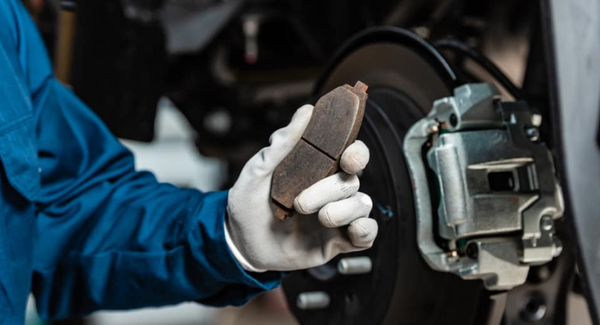
A blanket 25,000-30,000 km interval and a universal 0.6 cm cutoff do not work across pickup platforms. Measure remaining friction material at the thinnest point and compare it with the manufacturer or brake supplier's service limit. Measure rotor thickness against the minimum specification, inspect both faces, and check runout when there is pedal pulsation.
Squeal can come from a wear indicator, glazing, rust, hardware, contamination, or pad material. Grinding, a soft pedal, pull, smoke, fluid loss, a red brake warning, or a wheel running much hotter than the others needs immediate diagnosis. An ABS light is not proof that the pads are worn; follow the ABS and wheel-speed diagnostic path before ordering parts.
Choose Pad Material for the Duty Cycle
| Pad type | Typical strength | Tradeoff | Best-fit use |
|---|---|---|---|
| OEM-style formulation | Predictable pedal feel, noise control, validated system balance | May cost more than a basic aftermarket pad | Stock daily driver and factory-duty Towing |
| Semi-metallic | Heat tolerance and strong bite | Can create more noise, dust, and rotor wear | Heavy-duty work where the application is approved |
| Ceramic | Low dust and quiet street operation | Not every ceramic compound is built for repeated high-load heat | Street use when the pad is rated for the truck and axle |
3. Read the Tire Wear Pattern Before Buying Another Set
Start with the pattern. Feathered tread points toward toe or worn steering parts. Cupping can follow poor balance, loose suspension parts, wheel runout, or weak shock control. One worn shoulder suggests alignment or a loaded suspension geometry problem; center wear and both-shoulder wear call for a review of pressure versus actual load. Separate those causes from bent wheels, axle trouble, and jobsite damage before putting new rubber on the same problem.
Then verify the replacement as a load-carrying component: size, load index or load range, wheel width, single or dual rating, speed rating, clearance, and cold pressure from the truck's loading label. Measure every groove, inspect inner dual sidewalls and valve hardware, and record tire age and repair history. NHTSA's 2/32-inch figure is a minimum wear limit, not a Towing, rain, snow, or Off-roading performance target. Replace bulges, exposed cord, serious cracks, impact damage, or unsafe repairs regardless of remaining tread.
4. Diagnose the Complete Cranking Circuit Before Buying Batteries
Begin at the complaint. A sharp click with no crank, steady slow crank, intermittent no-crank, and normal cranking with no start point to different diagnostic branches. Record open-circuit state of charge, voltage at each battery during cranking, starter current where the equipment allows, and voltage drop from battery positive to the starter and battery negative to the engine block. Corroded terminals, hidden cable resistance, a weak ground, starter drag, or a charging fault can make a good battery look bad.
On a dual-battery diesel, compare the two units rather than testing only at one convenient terminal. Isolate them according to service information, note age, type, and capacity, and look for a pair that separates sharply under load or after sitting. If an aged matched pair has one internal failure, replacing the pair is often the durable repair. If both batteries pass, keep tracing the cranking, charging, glow-plug or intake-heater, and fuel systems.
5. Coolant Hoses, Plastic Connections, and Seals Fail by Condition
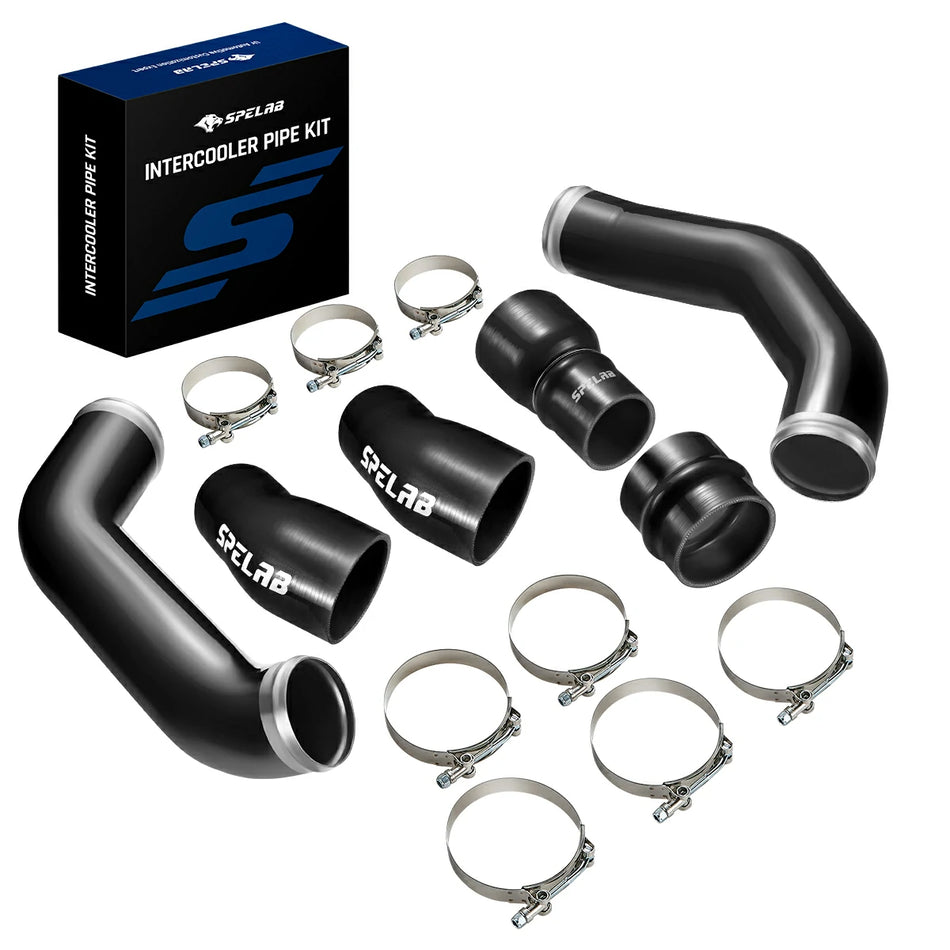
Rubber hoses age from heat, oil contamination, pressure cycling, abrasion, and clamp load. Plastic quick-connects and molded junctions can become brittle. Inspect for crusted coolant, wet seams, swelling, soft spots, hard glazing, chafing, split ends, loose brackets, damaged O-rings, and polished contact marks. The coolant hose and quick-connect warning signs show why topping off the tank is not a repair.
Pressure-test a suspected leak with the engine cold and identify the source. An upper pipe cannot fix a weak cap, radiator seam, water pump, EGR cooler, head gasket, or trapped-air problem. Owners working through a confirmed pipe or reservoir failure can compare broader diesel cooling system parts, but Fitment and diagnosis come first.
Rubber, Silicone, Plastic, or Aluminum?
- EPDM-style rubber: flexible, quiet, and appropriate for stock replacement when the hose is correctly molded and rated for the coolant and temperature.
- Reinforced silicone: useful around repeated heat cycles when the liner, wall construction, couplers, and clamps match the application; it still needs abrasion control.
- Plastic assemblies: light and shape-efficient, but heat aging, seam stress, and connector damage can create leaks.
- 6061 aluminum pipe: Rigid and corrosion resistant when properly finished, supported, beaded, and isolated from vibration; couplers, O-rings, welds, and brackets remain service points.

6. Belts, Tensioners, and Pulleys Should Be Diagnosed Together
Do not replace only the belt when a weak tensioner or rough pulley bearing caused the wear. Inspect belt ribs for cracking, chunking, glazing, contamination, edge wear, and misalignment. With the belt removed using the proper procedure, check pulleys for roughness, play, noise, and wobble.
A chirp that follows engine speed can come from misalignment; a squeal under accessory load can involve lost tension, contamination, a seized pulley, alternator load, or A/C compressor trouble. Oil or coolant on the belt requires fixing the leak before installing the new part.
7. Wipers, Lights, and Small Electrical Parts Fail Often but Still Need Fitment
Replace a wiper blade when it tears, chatters, skips, or leaves a visibility-blocking streak after the glass and blade are cleaned. Verify length, connector, sweep clearance, and winter housing design. For bulbs or lamp assemblies, diagnose the fuse, connector, ground, water intrusion, charging voltage, and control module before blaming the lamp.
LED retrofits can create beam-pattern, heat, electrical-load, and housing-clearance problems. A bright-looking bulb is not useful if it scatters glare or leaves dark areas. Use an approved lamp and housing combination for the truck and road-use requirements.
Gasoline Spark Plugs Do Not Belong on a Diesel Wear-Parts List
Gasoline engines use spark plugs to ignite the air-fuel mixture. Power Stroke, Cummins, and Duramax diesel engines use compression ignition, so they do not receive routine spark-plug replacement. Depending on platform and year, cold-start support may use glow plugs, an intake-air heater, or a grid heater.
| Engine system | Relevant part | Diagnosis before replacement |
|---|---|---|
| Gasoline engine | Spark plugs, coils, wires or boots as equipped | Misfire counters, plug condition, gap, compression, fuel trim, and coil output |
| Diesel cold-start system | Glow plugs, controller, wiring, intake heater, or grid heater as equipped | Codes, circuit resistance or current, command status, voltage supply, cranking speed, and fuel delivery |
Platform-Specific Replacement Options
| Verified Fitment | Conditional Bolt-on option | What it can and cannot address |
|---|---|---|
| 2011-2016 Ford F-250/F-350/F-450/F-550 6.7L Power Stroke | billet lower fuel-filter housing | Can replace a confirmed damaged plastic housing and change filter service format; cannot repair a weak pump, injector fault, contaminated tank, or wiring problem |
| 2010-2024 Ram 2500/3500 6.7L Cummins | aluminum Cummins upper coolant pipe | Can replace a confirmed leaking or damaged upper pipe section; cannot correct excess cooling-system pressure or a separate leak |
| 2017-2025 Chevrolet Silverado/GMC Sierra 2500HD/3500HD 6.6L L5P Duramax | L5P upper coolant tube kit | Can address a verified upper tube or connector failure; cannot solve radiator, cap, water-pump, EGR-cooler, or internal engine faults |
Do not buy by engine displacement alone. Confirm year, make, model, engine code, pickup versus cab-and-chassis layout, sensor or heater provisions, existing Mods, hose routing, mounting points, and included hardware.
Official Sources
- Ford Power Stroke diesel maintenance guidance
- Mopar owner manuals and vehicle information
- GM vehicle manuals and guides
- NHTSA tire safety guidance
FAQ
Q: Which diesel truck parts are replaced most often?
A: Oil and filters are normally serviced most often, followed by condition-based items such as brake pads, tires, batteries, belts, wipers, and coolant hoses. The order changes with Towing, Payload, idle hours, dust, weather, and driving style.
Q: Can I replace truck parts using a mileage chart alone?
A: No. Use the manufacturer's normal or severe-duty schedule as the inspection trigger, then confirm condition with measurements, pressure tests, scan data, load tests, leak checks, and service limits.
Q: How thick should brake pads be before replacement?
A: There is no single limit for every truck and pad design. Measure friction material at the thinnest point and compare it with the service information or pad manufacturer's specification. Also measure the rotor and inspect hardware, calipers, hoses, and both sides of the axle.
Q: Does slow cranking always mean the batteries are bad?
A: No. A single click, a steady slow crank, and a normal-speed crank with no start belong to different diagnostic branches. Measure each battery under load, then prove the positive and ground paths with voltage-drop tests. Buy batteries only when those results separate battery failure from starter drag, cable resistance, charging trouble, cold-oil load, or a fuel and cold-start-system fault.
Q: Does a dirty air filter mean I need a cold air intake?
A: No. A correct stock replacement filter is usually enough for a stock truck when the housing and ducting are sound. Consider an intake Mod only for a defined airflow, access, sound, or build requirement, with verified filtration and sensor compatibility.
Q: Do Power Stroke, Cummins, or Duramax engines use spark plugs?
A: No. These diesel engines use compression ignition. Cold-start aids vary by platform and can include glow plugs, intake-air heaters, or grid heaters. Diagnose the exact circuit instead of ordering gasoline spark plugs.
Q: When is an upgraded metal coolant pipe worth considering?
A: It makes sense when diagnosis confirms the original pipe, plastic junction, or associated connection has failed and the Bolt-on kit matches the exact truck. It is not a cure for excess system pressure, another leak, or an internal engine problem.