Updated on July 17, 2026.
A carburetor is a mechanical air-fuel metering device that uses engine vacuum and airflow speed to pull gasoline into the intake stream, atomize it, and feed the engine a burnable mixture. On an older truck, classic V8, ATV, boat, generator, or off-road rig, that simple hardware can still run strong, but only when airflow, fuel level, jetting, choke operation, vacuum sealing, and ignition timing are all in the right window.
Key Takeaways
- A carburetor meters fuel mechanically through pressure difference, the venturi, jets, circuits, and the float bowl.
- Hard starts, rough idle, black smoke, fuel smell, bogging, and hesitation can come from the carb body, but vacuum leaks, weak ignition, dirty fuel, and wrong fuel pressure can act the same way.
- Many common street carburetors often need fuel pressure around 4-7 PSI, but the carburetor manufacturer's spec is the number that matters.
- Street trucks and tow rigs need stable cold starts, clean idle, and part-throttle response more than maximum wide-open-throttle airflow.
- For a classic work truck, jobsite spare, or weekend tow rig, a careful rebuild or matched bolt-on intake setup often beats random jet changes.
How a Carburetor Works
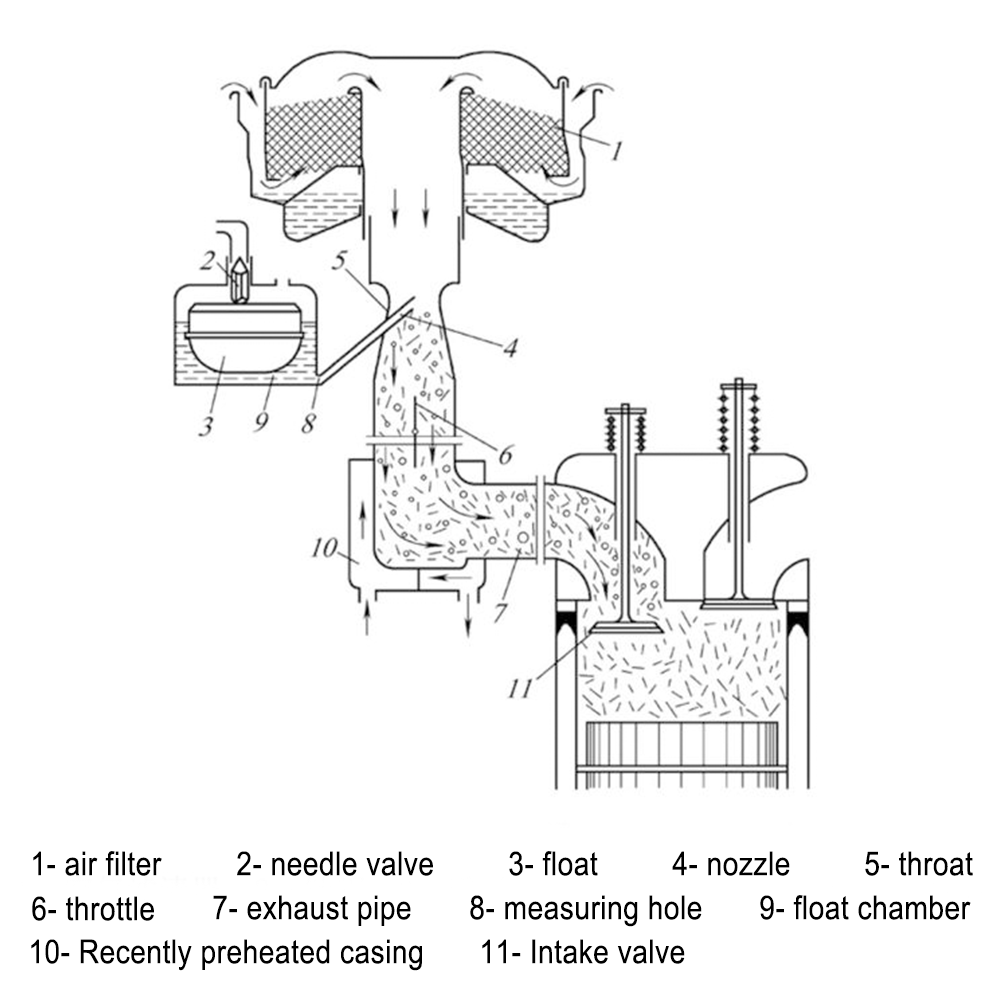
A carburetor works by using fast-moving intake air to create a low-pressure area that draws fuel from the float bowl through calibrated passages, then mixes that fuel with air before it enters the intake manifold.
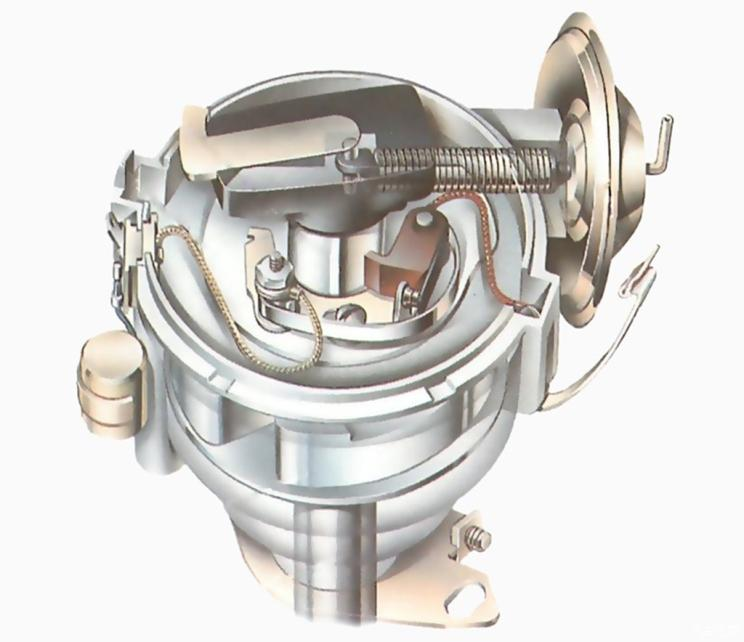
The basic pieces are the throttle plate, venturi, fuel bowl, float, needle and seat, main jets, idle circuit, accelerator pump, choke, and air bleeds. When the throttle opens, more air moves through the venturi. That airflow pulls fuel through the jets, and the carburetor changes which circuit does the heavy lifting based on engine load.
At idle, the throttle plates are nearly shut, so the idle circuit feeds the engine. Under light cruise, the transition slots and main circuit take over. When you stab the pedal pulling out into traffic or backing a loaded trailer up a hill, the accelerator pump shot gives a short burst of fuel so the engine does not fall flat while airflow catches up.
That is why carburetor tuning is never just "more fuel" or "bigger carb." A clean idle, crisp throttle response, and safe load behavior come from the whole package: carburetor size, performance intake manifolds, fuel delivery, ignition timing, engine vacuum, and exhaust flow.
Carburetor vs EFI: What Changed
Carburetors are mechanical and adjustable, while EFI uses sensors, injectors, and an ECU to correct fueling across temperature, altitude, load, and driving conditions.
Most modern vehicles moved to electronic fuel injection because EFI can adjust fuel delivery faster and more precisely. A carburetor can be dialed in well, but it cannot read oxygen sensors, coolant temperature, manifold pressure, throttle position, or knock feedback the way an ECU can.
| Decision Point | Carburetor | EFI | Practical Call |
|---|---|---|---|
| Cold starts | Depends on choke setup, fuel quality, and driver feel | Automatically enriches fuel based on sensor data | EFI wins for daily cold-weather use and salt-belt mornings |
| Trail or jobsite repair | Can often be cleaned, adjusted, or rebuilt with hand tools | Needs electrical diagnosis, sensor checks, and scan data | Carburetors are friendlier when the truck is old, simple, and far from a shop |
| Towing and payload | Needs conservative jetting and strong fuel supply under load | Adapts better to changing grade, heat, and altitude | EFI is easier for mixed towing conditions; carburetors need careful setup |
| Fuel pressure | Usually low-pressure supply on common street carbs | High-pressure pump and regulator strategy varies by system | Never feed a carburetor with an EFI high-pressure pump unless the regulator setup is correct |
| Emissions compliance | Older applications may have strict equipment requirements | Usually tied into factory emissions controls | Check local rules before changing fuel or intake hardware |
If you want to understand the modern airflow side, our guide to idle and airflow basics explains the EFI part that took over much of the carburetor's airflow-control job.
Common Carburetor Symptoms
Carburetor problems usually show up as starting trouble, unstable idle, hesitation, fuel smell, rich smoke, lean backfire, or load-related power loss.
A ranch truck that only runs on weekends may have varnished fuel in the bowl. A classic pickup that tows a small camper may bog because the accelerator pump is weak or the float level is off. A trail rig that runs fine in the driveway but stumbles on steep angles may be dealing with float bowl control, not horsepower.
| Symptom | Carburetor Area to Inspect | Other Causes to Rule Out | Next Step |
|---|---|---|---|
| Hard cold start | Choke pull-off, choke blade, fast idle cam | Weak battery, old plugs, poor compression, stale fuel | Verify choke movement before touching jetting |
| Rough idle or stalling | Idle mixture screws, idle circuit, throttle plate position | Vacuum leak, bad ignition wire, wrong fuel pressure | Check vacuum, ignition, and gauge fuel pressure first |
| Hesitation off idle | Accelerator pump shot, transition slot exposure | Timing curve, loose linkage, intake leak | Watch pump discharge with engine off and throttle opened |
| Black smoke or fuel smell | Float level, needle and seat, power valve, oversized jets | Restricted air filter, excessive fuel pressure, bad regulator | Measure fuel pressure and inspect bowl level |
| Fuel dripping or vent spill | Needle and seat, float, bowl vent | EFI pump pressure, missing regulator, debris from old tank rust | Shut it down and fix the fuel supply before road-testing |
When the symptom points toward pressure control instead of the carb body, this separate guide on rough idle fuel-side checks is a useful diagnostic next stop.
Do Not Blame the Carburetor Too Fast
A carburetor can be the problem, but many "bad carb" complaints are really vacuum leaks, ignition timing errors, weak fuel supply, dirty filters, excessive pump pressure, or mismatched intake parts.
I have seen owners rebuild the same carb twice when the real issue was a cracked vacuum cap, a loose base gasket, a tired mechanical fuel pump, or plug wires laid out in the wrong order. That is not a fancy diagnosis, but it saves money and keeps the truck from getting worse.
- Use a fuel pressure gauge and compare the reading with the carburetor manufacturer's spec.
- Many common street carburetors often need around 4-7 PSI; too much pressure can overpower the needle and seat.
- Spray-check or smoke-check around the carb base, intake gasket area, and vacuum ports with proper fire safety in mind.
- Confirm base timing and mechanical/vacuum advance before tuning idle mixture.
- Inspect the tank pickup, rubber hose sections, clamps, and filter for rust, restriction, or air leaks.
If you are chasing hissing, lean idle, or random stalling, the article on vacuum leak clues can help separate a carburetor issue from an intake sealing problem.
Carburetor Sizing and Fitment
The right carburetor size depends on engine displacement, rpm range, camshaft behavior, vehicle weight, gearing, and how the vehicle is actually used.
A heavy pickup with tall tires and a trailer needs clean low-speed signal and part-throttle control. A weekend drag car can tolerate a different compromise. Bigger CFM sounds good at the counter, but an oversized carb can feel lazy on a heavy street rig because airflow speed through the venturi drops at low rpm.
| Application | Priority | Common Setup Direction | Watch Point |
|---|---|---|---|
| Classic daily driver | Cold start, idle quality, fuel economy | Mild CFM, vacuum secondaries, dual-plane intake | Do not over-carb a low-rpm engine |
| Work truck or tow rig | Part-throttle torque and heat control | Conservative jetting, stable fuel pressure, strong ignition | Check fuel delivery under sustained load |
| Off-road rig | Angle control and throttle response | Off-road needle/seat parts, careful float adjustment | Steep grades can uncover float-bowl problems |
| High-rpm street/strip build | Top-end airflow | Larger CFM, matched single-plane or high-rise manifold | Low-speed manners may suffer |
| Restoration or emissions-sensitive vehicle | Correct equipment and inspection compliance | Stock-style carb, original routing, correct vacuum controls | Confirm local and vehicle-year requirements first |
For a carbureted Ford small-block build, a matched carbureted dual-plane intake manifold can make more sense than chasing carb adjustments on a mismatched manifold.
Fuel Pressure, Regulator, and Filtration Checks
A carburetor needs steady fuel volume, correct low-side pressure, clean filtration, and sealed intake airflow before any jetting decision means much.
On many older vehicles, the fuel line path has been changed three times by three different owners. Rubber hose gets soft, filters get added in odd places, old tank rust breaks loose, and electric pumps sometimes get installed with no regulator. That is how a simple carburetor turns into flooding, fuel smell, rich running, vent spill, and a real fire risk.
- Check fuel pressure at the carb inlet with the engine running and compare it with the carb manufacturer's spec.
- If an EFI-style high-pressure pump is used, confirm the regulator can bring pressure down safely for the carburetor.
- Inspect the needle and seat if pressure looks right but fuel still pushes past the bowl control point.
- If the tank is rusty or the truck sat for years, fresh fuel filters may protect the carb, but they do not fix a dirty tank by themselves.
- When pressure, line routing, and return plumbing are wrong, broader fuel system parts deserve inspection before another carb rebuild.
Once fuel delivery is stable, match the carb flange, adapter, throttle bracket, air cleaner height, and air and fuel delivery components to the engine's real use instead of mixing parts from whatever was on the shelf.
Repair, Rebuild, or Upgrade?
The right move depends on whether the carburetor is dirty, worn, mismatched, or being asked to support a different engine combination than it was built for.
| Path | Best For | Pros | Tradeoff |
|---|---|---|---|
| Clean and adjust | Minor idle issue, stale fuel, seasonal storage | Low cost, keeps known parts | Will not fix worn shafts, warped body, or bad fuel supply |
| Rebuild kit | Leaking gaskets, clogged circuits, weak accelerator pump | Restores seals and service parts | Requires careful cleaning and setup |
| Stock-style replacement | Restoration, emissions-sensitive vehicle, mild engine | Predictable fitment and linkage | May limit future airflow upgrades |
| Carb and manifold package | Changed cam, heads, compression, or rpm range | Better system matching | Costs more and needs fitment checks |
| EFI conversion | Daily driving, altitude swings, cold weather, frequent towing | Better automatic correction | Wiring, sensors, fuel system changes, and tuning support matter |
For older V8 builds, the manifold choice matters as much as the carburetor. A Ford FE intake manifold or a Holden V8 dual-plane intake manifold should be chosen by engine family, cylinder head style, carb flange, rpm range, and hood clearance.
Installation and Tuning Notes
A carburetor install should be treated like a system setup: seal the intake, verify linkage, set fuel pressure, confirm timing, warm the engine fully, then tune idle and road behavior.
Do not tune a cold engine and call it done. Get the engine to operating temperature, use a tachometer and vacuum gauge when possible, and make small changes. If the truck works for a living, test it under the kind of load it actually sees, not just free-revving in the driveway.
- Inspect the intake flange, carb base, gasket, studs, and vacuum ports.
- Confirm throttle and kickdown linkage geometry before starting the engine.
- Set fuel pressure to the carburetor manufacturer's range; many common street carbs often land around 4-7 PSI, but verify the spec.
- Check float level and accelerator pump shot.
- Set base ignition timing and verify advance operation.
- Adjust idle mixture for stable vacuum and clean response.
- Road-test for hot restart, part-throttle cruise, hill pull, and quick throttle tip-in.
From bench testing and fitment checks, the pattern is pretty steady: the carburetor gets blamed first, but the final fix is often better intake sealing, cleaner fuel delivery, or a properly matched air intake kit around the engine's actual airflow needs.
[[product-recommend:1]]Emissions and Road-Use Caution
Carburetor, intake, choke, vacuum, and emissions-control changes can affect street legality, inspection results, and drivability, especially on vehicles originally equipped with emissions hardware.
If the vehicle is street-driven, check federal, state, and local requirements before removing or changing emissions-related equipment. Older does not always mean exempt. California, salt-belt inspection states, and county-level programs can treat the same modification very differently.
FAQ
Q: What does a carburetor do?
A: A carburetor mixes gasoline with incoming air so the engine can burn a usable air-fuel mixture. It does this mechanically with airflow, pressure difference, jets, and fuel circuits instead of electronic injectors.
Q: Why did modern vehicles stop using carburetors?
A: Modern vehicles moved to EFI because electronic fuel injection can adjust fuel delivery more accurately across cold starts, altitude, towing load, emissions demands, and changing weather.
Q: What are signs of a bad carburetor?
A: Common signs include hard cold starts, rough idle, stalling, hesitation, fuel smell, black smoke, poor throttle response, and backfire through the carburetor. Those symptoms can come from the carb body, but also from excessive fuel pressure blowing past the needle and seat, a vacuum leak, an intake manifold base gasket leak, or an ignition issue. Use a fuel pressure gauge and a proper vacuum leak check before replacing parts.
Q: How much fuel pressure does a carburetor need?
A: Many common street carburetors often need around 4-7 PSI, but you should verify the carburetor manufacturer's spec. Too much pressure can overpower the needle and seat, causing flooding, rich running, fuel smell, vent spill, and fire risk.
Q: Can I put a bigger carburetor on my engine for more power?
A: A bigger carburetor only helps if the engine can use the airflow. On a heavy street truck or tow rig, an oversized carb can hurt low-rpm response and make tuning harder.
Q: Should I rebuild the carburetor or convert to EFI?
A: Rebuild the carburetor if the vehicle is simple, lightly used, and mostly needs cleaning or seals. Consider EFI if it sees daily driving, altitude changes, cold weather, towing, or repeated drivability complaints.

About the Author
John Lee
Mechanical Engineer | 10+ Years Experience
John has spent the last decade engineering and testing high-performance automotive components. Specializing in drivetrain durability and thermal management across Powerstroke, Cummins, and Duramax applications, he bridges the gap between OEM limitations and aftermarket performance. His philosophy: "Factory parts are just a starting point."