Updated on July 17, 2026.
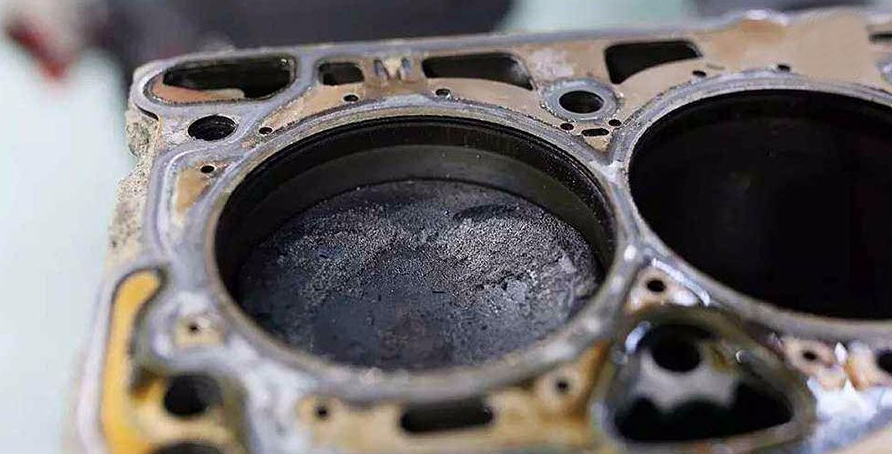
Carbon deposits are hard oil, fuel, soot, and combustion residue that stick to intake valves, piston crowns, combustion chambers, throttle plates, injector tips, EGR-fed intake passages, and sensor areas. On a daily driver, work truck, boosted gas engine, or diesel pickup that sees short trips, long idle time, towing, cold starts, and cheap fuel, the fix depends on where the buildup is and what symptom shows up first.
Key Takeaways
- Do not clean carbon blindly; first identify whether the deposit is on the throttle body, intake valve, injector, diesel intake horn, MAP sensor area, or combustion chamber.
- [Gasoline GDI only] Rough idle, cold misfire, fuel trim drift, and poor airflow balance often need a different inspection path than a diesel soot complaint.
- [Diesel only] EGR soot mixed with CCV oil mist can form sticky paste in the intake horn, MAP sensor area, and charge-air path.
- Short trips, long idle time, poor fuel quality, oil carryover, rich running, EGR soot, and weak maintenance habits all make deposits worse.
- Use scan data, visual inspection, borescope checks, fuel trims, MAP/MAF readings, injector balance clues, and load testing before choosing a cleaning method.
Carbon Deposit Symptoms
Carbon buildup usually shows up as a drivability complaint before it looks like a dramatic engine failure.
[Gasoline GDI only] Watch for rough idle after warm restart, cold-start misfire, light shudder, higher fuel trims, spark plug fouling, ignition coil stress from repeated misfires, ping, knock correction, or poor low-rpm manners. A borescope inspection can confirm whether the back side of the intake valve is actually coated.
[Diesel only] Watch for lazy boost response, oily soot near the MAP sensor, wet black paste in the intake horn, smoke changes, injector balance concerns, low-side fuel supply issues, and EGR-related airflow restriction. A diesel that idles on a jobsite all winter deserves intake and crankcase ventilation checks by hours, not mileage alone.
If the complaint points toward air metering or fuel delivery, compare the symptom against fuel delivery diagnosis before blaming carbon alone.
Carbon Deposit Diagnostic Decision Table
The right cleaning method depends on deposit location, underlying condition, and what the garage inspection proves.
| Deposit location | Underlying condition | Garage inspection | Cleaning path | Mistake to avoid |
|---|---|---|---|---|
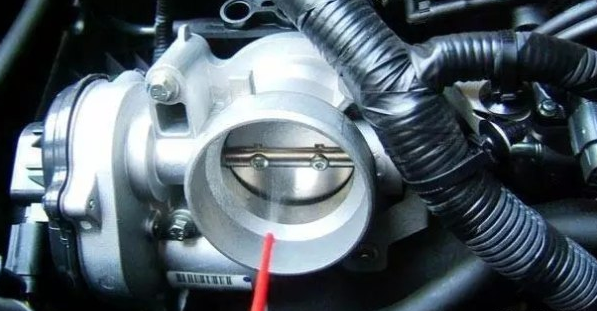
| [Gasoline] Throttle plate and throttle bore | Oil vapor, dust film, idle air disturbance | Remove the intake tube and inspect the throttle bore, blade edge, and idle behavior. | Use the correct throttle body cleaner and procedure; perform idle relearn if the service manual calls for it. | Forcing an electronic throttle blade or soaking electrical parts. |
| [Gasoline GDI only] Intake valve back side | Oil vapor and combustion residue sticking where fuel does not wash the valve | Borescope through the intake port when accessible; compare misfire and fuel trim data. | Manual cleaning, walnut shell blasting, or professional intake service when buildup is heavy. | Assuming every bottle cleaner reaches every deposit location. |
| [Gasoline or diesel] Fuel injectors | Poor spray pattern, varnish, low fuel quality, weak supply pressure | Scan data, balance test, flow test, fuel pressure check, rail pressure behavior under load. | Fuel-system cleaner, professional injector service, or replacement only when testing proves it. | Calling every misfire or low-power complaint an injector problem. |
| [Diesel only] Intake horn, EGR path, MAP sensor area | EGR soot mixed with CCV oil mist, short-trip operation, high idle time | Remove the sensor or intake tube and inspect for wet soot, oil paste, sensor fouling, or restricted air path. | Clean the sensor area carefully, service intake parts, inspect EGR function, and check crankcase ventilation. | Scraping hardened chunks into the intake tract or leaving sensor residue behind. |
| [Gasoline] Combustion chamber and piston crown | Oil consumption, rich running, poor fuel, hot spots, weak ignition | Borescope, plug reading, fuel trims, compression and leakdown if symptoms are heavy. | Fuel quality improvement, controlled cleaner use, ignition repair, or mechanical repair if oil control is failing. | Expecting cleaning to fix worn rings, leaking valve seals, or a bad tune. |
Five Practical Ways to Reduce or Clean Carbon Deposits
Carbon control works best when you match the method to the engine system and stop expecting one bottle or one hard drive to fix every deposit.
1. Use Better Fuel and Keep the Fuel System Healthy
Top-quality fuel and a clean fuel system help reduce gum, varnish, and injector deposits. That matters on grocery-getters, tow rigs, and jobsite trucks because poor spray quality can leave fuel droplets that burn dirty instead of clean.
On a truck that suddenly loses power under payload or grade, test fuel pressure and scan data before throwing cleaner at it. A dirty filter, weak pump, rail pressure mismatch, bad regulator, or injector issue can imitate a carbon complaint.
2. Cut Down Long Idle Time
Long idle time gives the engine heat without enough load and airflow. That is rough on direct-injection gas engines, diesel EGR systems, PCV/CCV circuits, oil temperature, and aftertreatment-equipped trucks.
A work truck that idles all winter with the heater running is not living the same life as a highway commuter. If the truck needs to idle for the job, build maintenance around that reality: shorter oil intervals when justified, more frequent intake inspection, and closer attention to crankcase ventilation hoses.
3. Use Load and Temperature Wisely
A properly warmed engine that sees moderate load can help burn off some light moisture and residue, but a hard pull is not a magic carbon cleaner.
Do not beat on a cold engine, ignore a misfire, or tow heavy to clean it out. Let the oil and coolant come up to operating temperature first. If the truck has a known knock, active misfire, low fuel pressure, or heavy smoke, fix the fault before using load as part of the routine.
4. Use Additives Only Where They Can Reach
Fuel-system additives can help some injector and combustion-side deposits when the chemistry matches the fuel and the dosage is correct.
[Gasoline GDI only] Here is the shop-floor catch: on port-injected engines, fuel washes the back of the intake valve. On many direct-injection engines, fuel is sprayed directly into the combustion chamber, so a tank additive usually cannot scrub heavy buildup from the back side of the intake valve. Read the label, follow the interval, and avoid overuse that can attack rubber parts or create new problems.
5. Clean or Disassemble When Deposits Are Heavy
Heavy intake valve, diesel intake, or throttle body deposits often need physical cleaning, careful disassembly, or professional equipment.
Walnut shell blasting, intake removal, throttle body service, injector cleaning, and manifold cleaning all have a place. The bad move is knocking chunks loose into a runner, damaging coatings, contaminating sensors, or reassembling with old gaskets after a rushed driveway job.
Do Not Blame Carbon First
A rough-running engine may have carbon deposits, but carbon is not the only fault that makes a truck feel tired.
[Gasoline GDI only] Check spark plugs, ignition coils, injector balance, fuel pressure, vacuum leaks, MAF data, compression, and fuel trims before deep cleaning the intake. A bad coil or vacuum leak can make a clean engine act dirty.
[Diesel only] Separate EGR soot, CCV oil mist, turbo seal concerns, injector balance, low-side fuel supply problems, MAP sensor contamination, and boost leaks. A dirty intake horn may be real, but it may not be the only reason the truck feels lazy under load.
If the diesel intake is packed with wet soot, the better next read is EGR-versus-intake diagnosis.
Oil Vapor Control Matters
Oil mist from the PCV or CCV system can turn light soot into sticky sludge, especially in turbocharged engines and diesel trucks that idle, tow, and work in cold weather.
A small oil film inside an intake tube can be normal. Pooled oil, wet boots, heavy black paste, or a MAP sensor coated in oily soot deserves a closer look. The fix may be a serviceable filter, a better separator, a repair to the factory ventilation system, or a properly routed catch can setup.
For universal gasoline or custom routing work, a 300ml oil catch can may help collect oil mist when the system is planned correctly. For diesel platforms where crankcase ventilation is a bigger intake-cleanliness issue, compare CCV/PCV reroute kits by engine, year, sensor strategy, legal use, and cold-weather hose routing.
On 6.7L Power Stroke trucks, a 6.7L Power Stroke CCV/PCV reroute kit belongs in the conversation only after the owner verifies fitment, service goals, and emissions requirements. If the problem is mostly sensor fouling near the intake, a MAP sensor spacer is a platform-specific part to evaluate for contamination exposure, not a cure for worn rings or heavy blow-by.
Service Schedule by Real Truck Use
A truck that idles at a winter jobsite needs a different carbon-control routine than a clean highway commuter.
| Use case | Carbon risk | Inspection priority | Next action |
|---|---|---|---|
| Short-trip gas commuter | Moisture, cold enrichment, incomplete warmup | Oil condition, throttle body, plugs, fuel trims | Add longer fully warmed drives and inspect at service intervals. |
| Gasoline GDI turbo build | Intake valve buildup, oil vapor, knock correction, MAF/MAP drift | Borescope, fuel trims, PCV routing, intake boot condition | Plan ventilation, fuel, and intake hardware as one system. |
| Diesel jobsite idle truck | Idle soot, oil vapor, low airflow, EGR deposits | PCV/CCV hoses, MAP sensor area, intake tube, oil level | Shorten inspection intervals based on idle hours, not mileage alone. |
| Towing and payload diesel | High load exposes weak fuel, air, and sensor control | Boost leaks, fuel pressure, injector balance, charge-air oiling | Diagnose under load before a long grade or hot-weather trip. |
| Salt-belt winter truck | Cold starts, condensation, frozen low spots in vent routing | PCV/CCV hose slope, catch can drain interval, cracked rubber | Keep hoses clear, avoid low traps, and drain collected fluid on schedule. |
If you are sorting an older diesel or performance truck, oil-mist control basics can help separate normal vapor from a real restriction.
FAQ
Q: What is the fastest safe way to clean carbon deposits?
A: The safest fast path is inspection first. Light throttle body or injector deposits may respond to proper cleaning, but heavy GDI intake valve or diesel intake deposits often need physical cleaning or professional service.
Q: Do fuel additives clean GDI intake valves?
A: Usually not heavy back-side valve deposits. On many GDI engines, fuel is injected into the chamber instead of washing the intake valve, so walnut shell blasting or manual cleaning may be needed when buildup is severe.
Q: Can long idling cause carbon buildup?
A: Yes, long idle time can contribute to deposits because airflow and load are low while fuel, oil vapor, EGR soot, and moisture still move through the engine system.
Q: Will an oil catch can stop all carbon deposits?
A: No. A catch can may reduce some oil mist entering the intake when installed correctly, but it cannot fix poor fuel quality, worn rings, bad injectors, EGR soot, or heavy deposits already stuck to valves.
Q: When should I disassemble parts to clean carbon?
A: Disassembly makes sense when visual inspection or scan data points to heavy deposits that chemical cleaning cannot reach, such as packed intake valves, a dirty diesel intake horn, or a throttle body that cannot be cleaned safely in place.

About the Author
John Lee
Mechanical Engineer | 10+ Years Experience
John has spent the last decade engineering and testing high-performance automotive components. Specializing in drivetrain durability and thermal management across Powerstroke, Cummins, and Duramax applications, he bridges the gap between OEM limitations and aftermarket performance. His philosophy: "Factory parts are just a starting point."