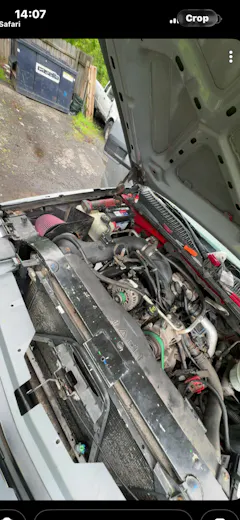
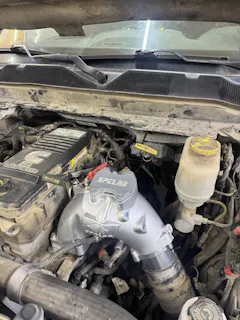
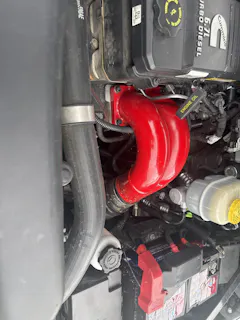
Exhaust Manifolds and Headers for Leak Repair, Better Flow, and Performance Builds
An exhaust manifold is one of the first and most heat-exposed parts in your exhaust system. It collects exhaust gases from the cylinder head and routes them toward the exhaust pipe, catalytic converter path, or turbocharger. When the manifold is cracked, warped, rusted, or leaking, it can cause ticking noises, exhaust smell, reduced throttle response, poor turbo response, and lower engine efficiency.
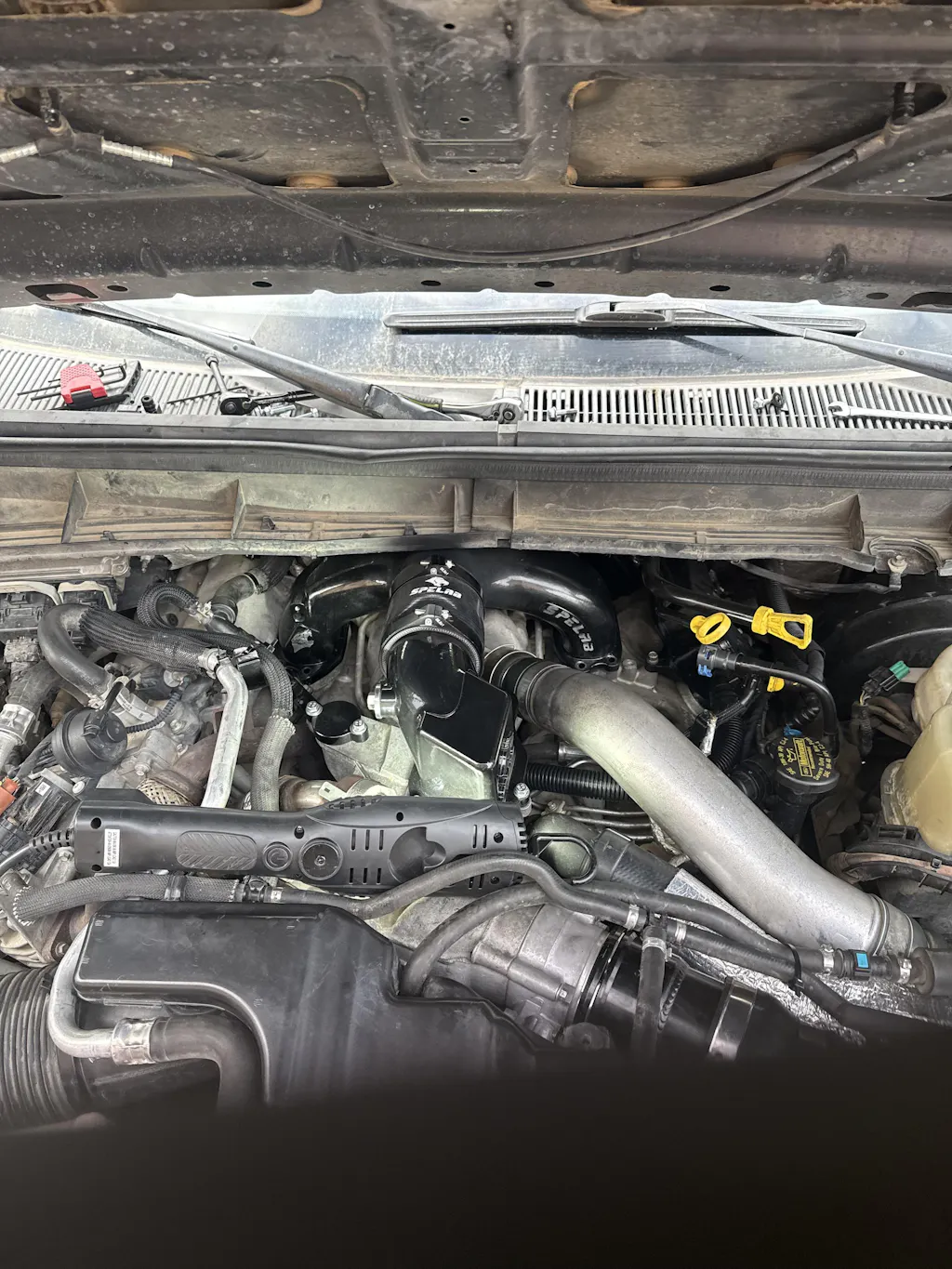
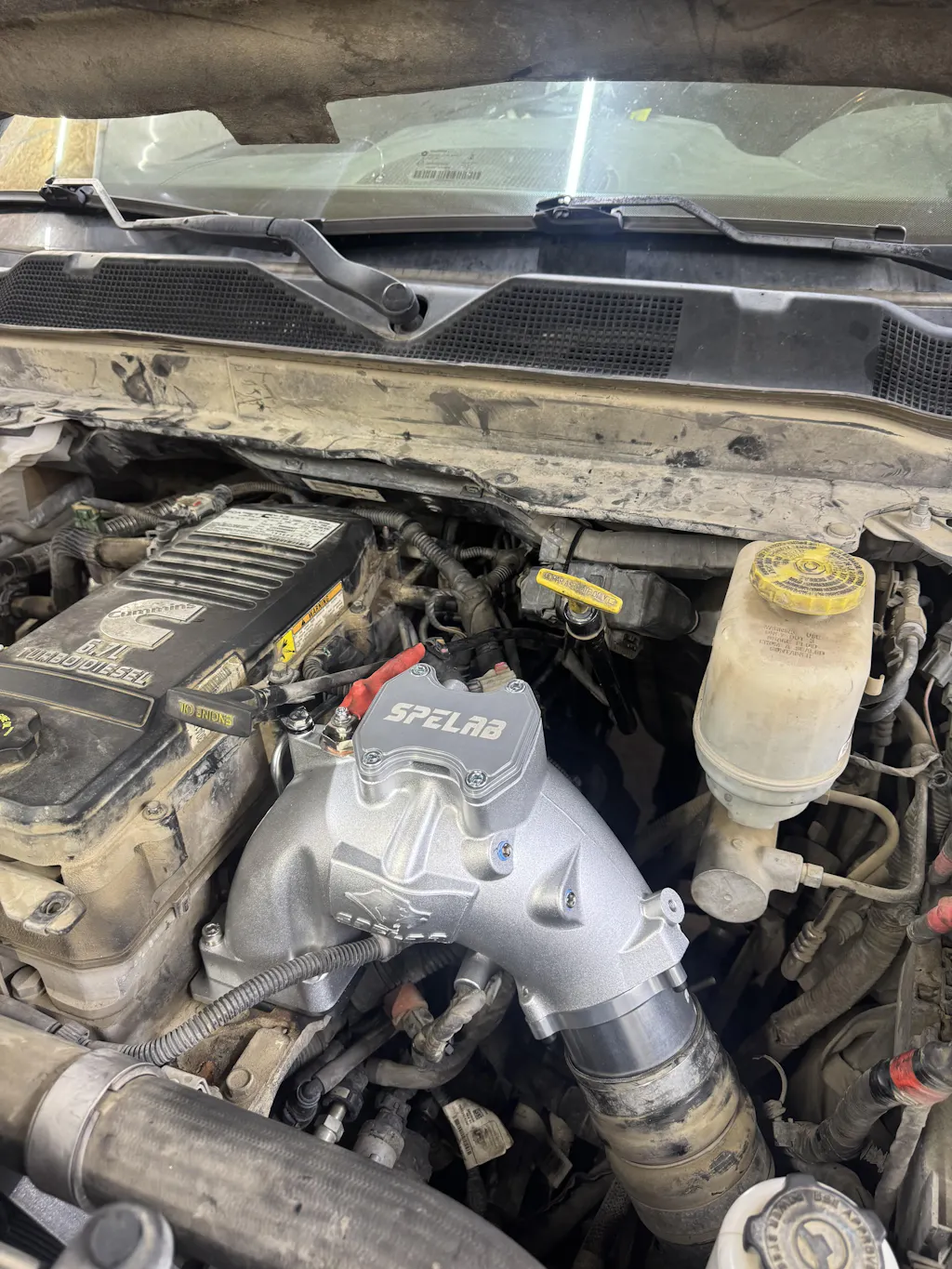
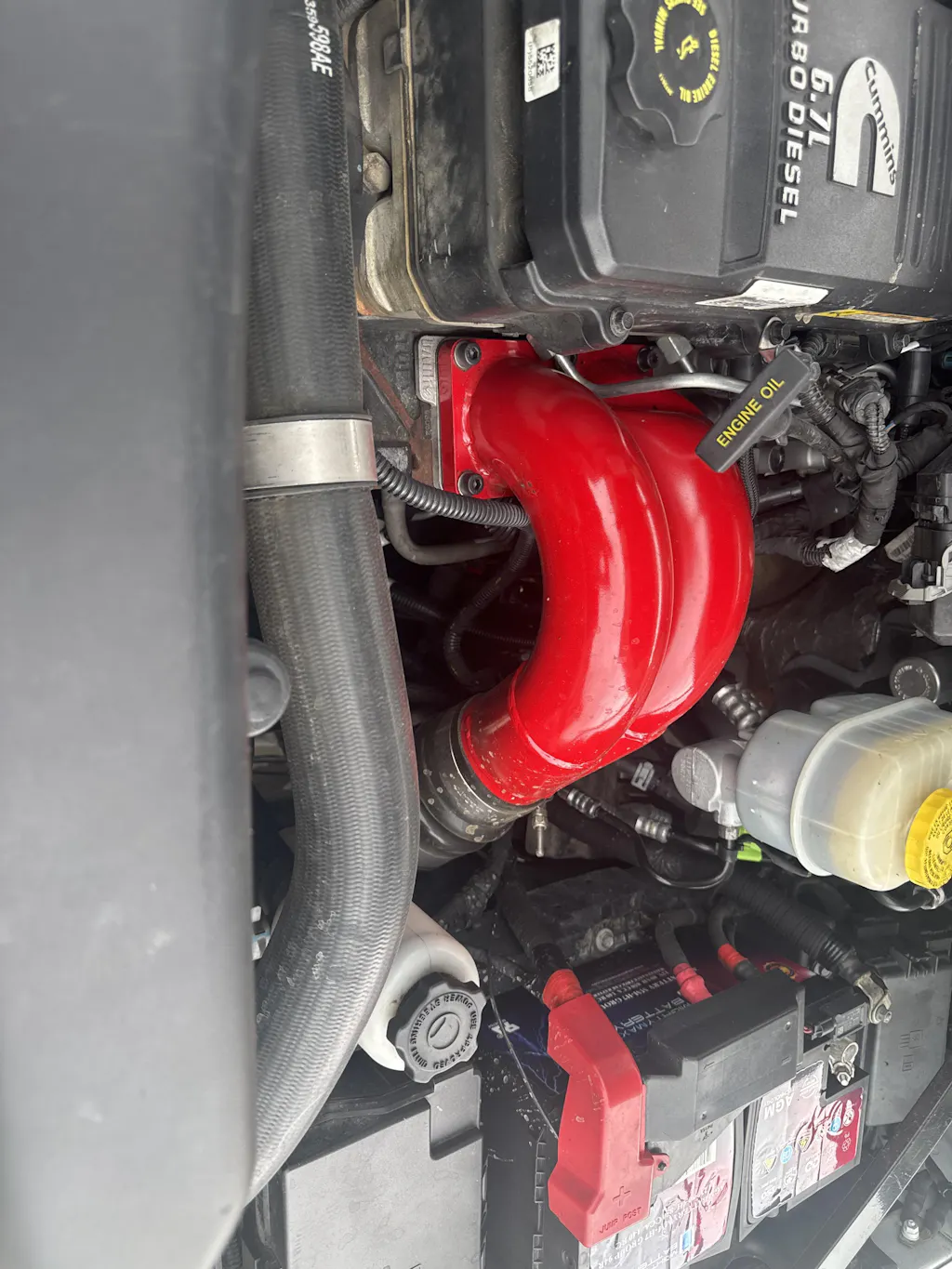
SPELAB offers exhaust manifolds and exhaust headers for drivers who need reliable replacement parts, leak repair solutions, or performance-focused exhaust upgrades. This collection includes OE-style replacement manifolds, stainless steel headers, diesel truck manifold options, Jeep repair manifolds, turbo exhaust headers, and classic performance applications.
Because exhaust manifold fitment can vary by engine, side, material, and hardware, choosing the right part is important. Before ordering, always confirm your year, make, model, engine, mounting side, material type, and whether gaskets, bolts, studs, or clamps are included.
Shop by Need: Which Exhaust Manifold Type Fits Your Goal?
| Shopping Need |
Recommended Product Type |
What to Check |
| Fixing an exhaust manifold leak |
OE-style exhaust manifold replacement |
Fitment, side, gasket, bolts, and flange condition |
| Replacing cracked or rusted factory parts |
Cast iron or direct-fit manifold kit |
Year, engine, driver/passenger side, and included hardware |
| Improving exhaust flow |
Stainless steel exhaust header |
Header design, flange, collector, and full exhaust compatibility |
| Diesel or turbocharged applications |
Diesel manifold or turbo exhaust manifold |
Turbo fitment, EGR setup, emissions equipment, and installation requirements |
| LS swap or performance build |
Turbo headers or performance exhaust headers |
Engine family, primary size, collector size, turbo flange, and clearance |
What Does an Exhaust Manifold Do?
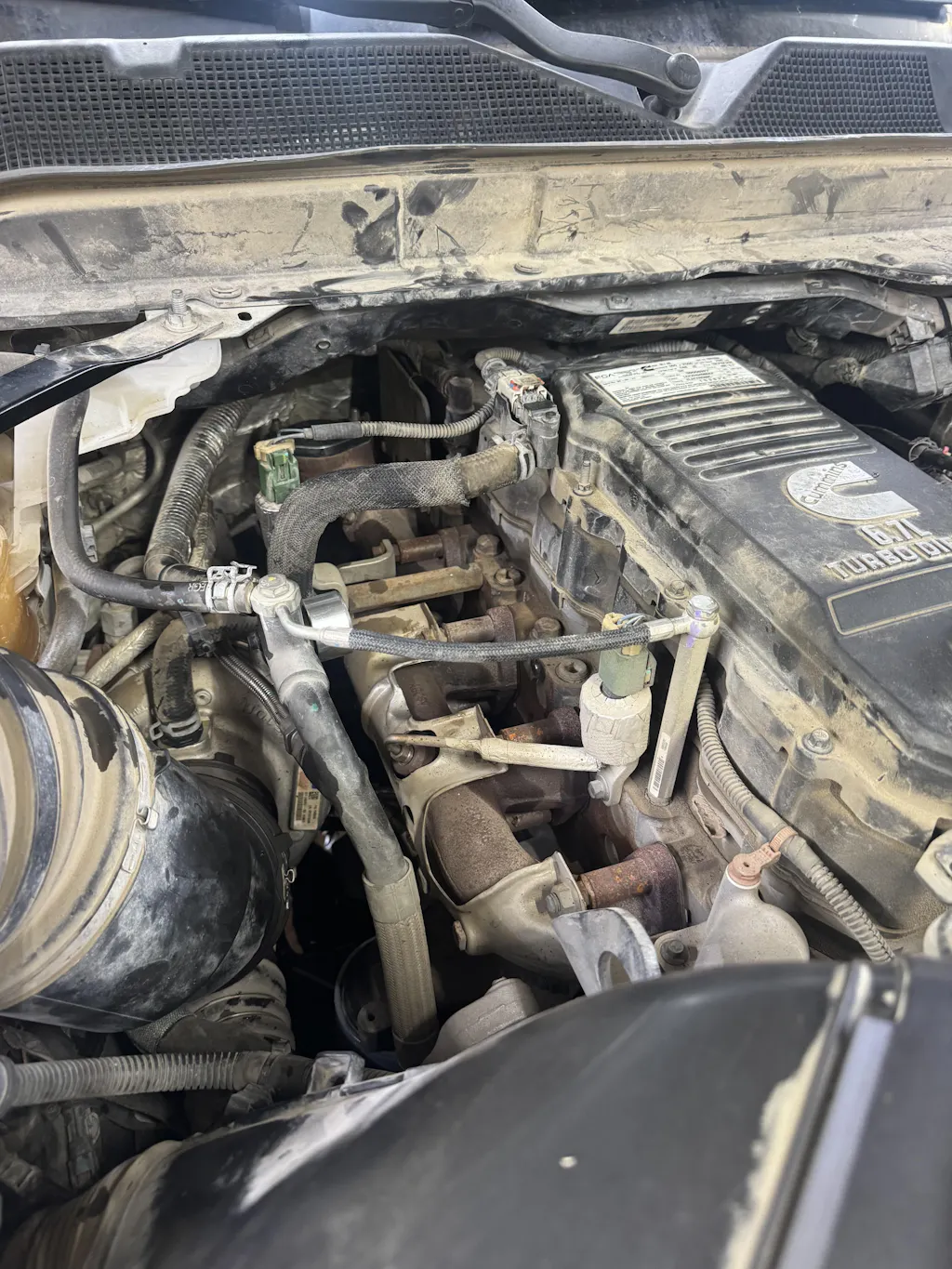
The exhaust manifold bolts directly to the cylinder head and manages the first stage of exhaust gas movement. On naturally aspirated engines, it directs exhaust gases into the rest of the exhaust system. On turbocharged engines, it helps route exhaust energy toward the turbocharger, making leak-free sealing and proper flow especially important.
A properly fitted exhaust manifold helps maintain exhaust velocity, reduce unwanted leaks, and support consistent engine operation. A failing manifold can allow hot exhaust gas to escape before it reaches the rest of the exhaust system. This can lead to noise, heat damage near the engine bay, reduced efficiency, and poor turbo performance on supported applications.
When Should You Replace an Exhaust Manifold?
Many drivers start looking for an exhaust manifold replacement after hearing a ticking or tapping noise from the engine bay, especially during cold starts. The sound may become quieter as the engine warms up, but it often points to a leaking gasket, cracked manifold, warped flange, or broken exhaust manifold bolt.
Common signs of an exhaust manifold leak include:
- Ticking or tapping noise near the cylinder head
- Black carbon marks around the manifold flange
- Exhaust smell near the engine bay or cabin area
- Broken, rusted, or missing exhaust manifold bolts
- Visible cracks, corrosion, or warped sealing surfaces
- Reduced throttle response or lower engine efficiency
- Poor turbo spool on compatible turbocharged applications
- Recurring exhaust manifold gasket failure
If the manifold is cracked, badly rusted, or warped at the sealing surface, patch repairs are usually temporary. In most cases, replacing the manifold, gasket, and related hardware is a more reliable long-term solution.
Exhaust Manifold vs Exhaust Header: What Is the Difference?
The terms exhaust manifold and exhaust header are sometimes used together, but they usually serve different purposes. An exhaust manifold is often designed as a compact, durable replacement part. A header usually uses individual tubes to improve exhaust flow and scavenging, especially in performance applications.
| Part Type |
Best For |
Main Benefit |
| OE-style exhaust manifold |
Factory-style repair and direct replacement |
Restores sealing and original exhaust routing |
| Cast iron manifold |
Daily driving, towing, and heat resistance |
Strong thermal stability and durability |
| Stainless steel header |
Performance use and improved exhaust flow |
Lighter construction and better flow potential |
| Turbo exhaust manifold / turbo header |
Turbocharged and performance builds |
Routes exhaust energy toward the turbocharger |
For a repair-focused vehicle, an OE-style manifold may be the best choice. For a performance build, a stainless exhaust header or turbo manifold may be more appropriate. The right choice depends on your engine, exhaust layout, vehicle use, and installation requirements.
How to Choose the Right Exhaust Manifold
Choosing the right exhaust manifold starts with fitment. Even if two manifolds look similar, small differences in bolt pattern, port shape, flange angle, outlet location, sensor port, turbo connection, or mounting side can prevent proper installation.
| What to Check |
Why It Matters |
| Year, make, and model |
Prevents buying a manifold for the wrong platform |
| Engine size and engine type |
Different engines use different port shapes, bolt patterns, and exhaust layouts |
| Driver side or passenger side |
V-style engines often use different manifolds on each side |
| Cast iron or stainless steel |
Material affects durability, heat handling, corrosion resistance, and performance use |
| Gaskets, bolts, studs, and clamps |
Missing hardware can delay installation or cause repeat leaks |
| Replacement manifold or performance header |
Repair needs and performance builds require different product styles |
| Turbo, EGR, and emissions setup |
Important for diesel, turbocharged, and modified vehicles |
Before You Buy an Exhaust Manifold
Before placing an order, review the product page carefully. Exhaust manifold mistakes are usually caused by incorrect fitment, wrong mounting side, missing hardware, or choosing a performance header when a direct replacement manifold is needed.
- Confirm your exact year, make, model, and engine.
- Check whether you need the driver side, passenger side, or a pair.
- Confirm whether the product is a direct replacement manifold, exhaust header, or turbo manifold.
- Check whether gaskets, bolts, studs, clamps, or other installation parts are included.
- For diesel or turbocharged applications, confirm turbo, EGR, and emissions compatibility.
- Review clearance around the frame, steering shaft, firewall, starter, and other nearby components.
- Follow federal, state, and local laws before modifying emissions-related exhaust components.
Cast Iron vs Stainless Steel Exhaust Manifolds
Different manifold materials serve different purposes. Many factory-style manifolds use cast iron because it handles heat well and offers strong durability for daily driving, towing, and long heat cycles. Stainless steel exhaust headers are often used in performance applications because they are lighter, resist corrosion, and can be designed for improved exhaust flow.
-
Cast iron manifolds: strong, heat-resistant, and well-suited for OE-style replacement
-
Stainless steel headers: lighter, corrosion-resistant, and better suited for performance flow
-
Turbo exhaust manifolds: designed to support exhaust routing for turbocharged setups
-
OE-style manifold kits: useful for fixing leaks, broken bolts, and worn factory parts
Instead of assuming one material is always better, choose based on your vehicle, driving style, engine setup, and repair or performance goal.
Driver Side vs Passenger Side Exhaust Manifold Fitment
Many trucks, SUVs, and V-engine vehicles use separate manifolds for each side of the engine. A driver side exhaust manifold and a passenger side exhaust manifold may have different shapes, bolt locations, outlet angles, sensor ports, and heat shield mounting points.
Ordering the wrong side can lead to poor fitment, exhaust misalignment, and wasted installation time. If you are replacing only one side, confirm which side is leaking before ordering. If both sides are worn, rusted, or high-mileage, replacing the pair may be more efficient than repairing one side now and the other side later.
Installation and Maintenance Tips
Proper installation is critical for preventing future exhaust manifold leaks. Old manifold bolts often seize from heat, rust, and corrosion, so using penetrating oil before removal can reduce the risk of broken bolts. The cylinder head surface should be clean, flat, and free of old gasket material before the new manifold is installed.
Always follow the torque specifications and tightening sequence recommended by the vehicle manufacturer. Over-tightening can damage threads, distort the flange, or create sealing problems. A center-out tightening pattern is commonly used to distribute clamping force evenly, but the factory service manual should always be the final reference.
After installation, inspect the area during the first few heat cycles. Listen for ticking noises, check for exhaust smell, and look for black carbon marks around the flange. If a leak returns quickly, recheck the gasket, hardware, flange surface, and bolt torque according to the service manual.
Parts to Pair with an Exhaust Manifold Upgrade
An exhaust manifold is only one part of the full exhaust path. Depending on your vehicle and goals, related exhaust system parts can help support airflow, sound, and long-term reliability.
-
Performance exhaust system: supports better exhaust flow after the manifold
-
Downpipe: helps move exhaust gases away from the turbo or manifold outlet on supported applications
-
Muffler delete pipe: changes exhaust sound and flow characteristics where legal
-
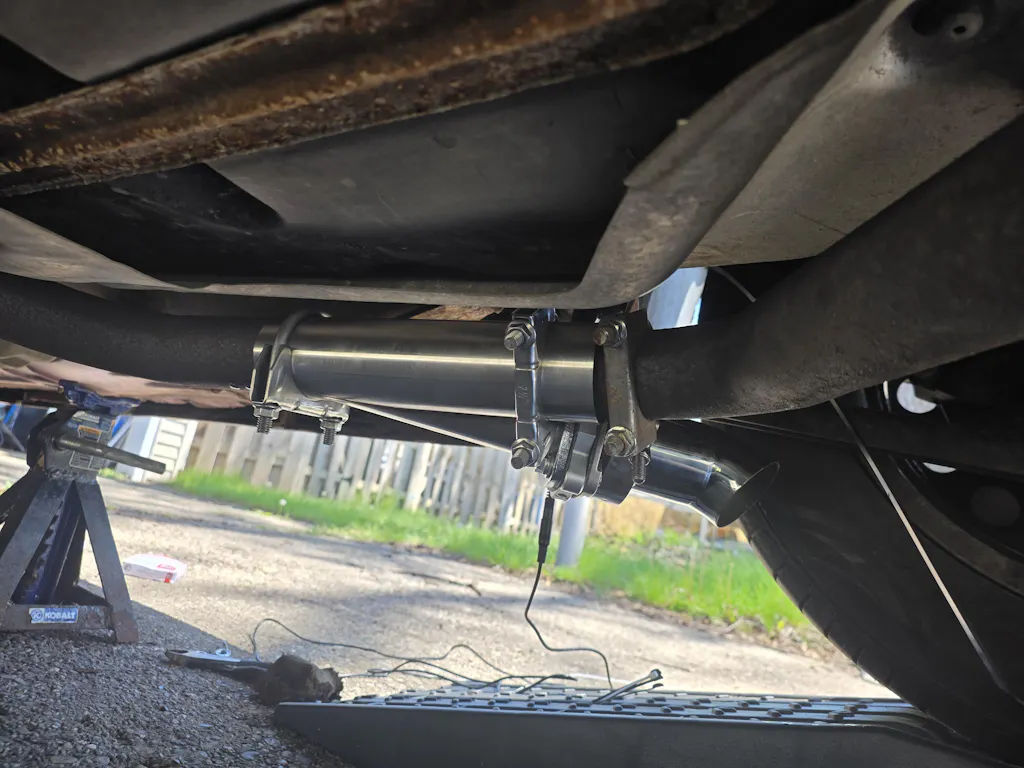
Electric exhaust cutout system: allows adjustable sound and flow on compatible performance setups
-
Exhaust manifold bolts and gaskets: help complete the repair and reduce the chance of leaks
For emissions-related components or off-road performance parts, always follow federal, state, and local laws before modifying your exhaust system.
Why Choose SPELAB Exhaust Manifolds and Headers?
SPELAB focuses on practical exhaust solutions for drivers who need clear fitment, reliable replacement options, and performance-oriented exhaust parts. This collection helps shoppers compare exhaust manifolds, headers, turbo manifolds, and repair kits in one place.
Instead of choosing by price alone, SPELAB encourages customers to confirm fitment, material, mounting side, included hardware, and installation requirements before ordering. A properly selected exhaust manifold can help restore sealing, support better exhaust flow, and complete a stronger exhaust system setup.
Whether you are repairing a leaking manifold, replacing a cracked OEM part, or planning a performance exhaust upgrade, SPELAB provides options for different vehicle platforms, build types, and installation needs.