Author: John Lee, SPELAB Mechanical Engineer. Updated on May 12, 2026.
Quick Answer: How Do You Prevent 6.7 Cummins Grid Heater Bolt Failure?
The best way to prevent 6.7 Cummins grid heater bolt failure is to inspect the factory grid heater assembly before it fails, watch for intake air heater codes such as P2609 or P0542, and choose the right long-term solution for your truck: regular inspection, a 6.7 Cummins grid heater delete plate, or a heater-retaining intake horn upgrade.
The risk is simple but serious: if the factory grid heater bolt, nut, or stud melts, loosens, or breaks, debris can enter the intake runner and may reach cylinder #6. That can damage the piston, valve, cylinder head, or engine block. Many trucks never experience this failure, but when it happens, the repair bill can be severe.
For warm-climate or off-road-use trucks, a delete plate may remove the factory bolt failure point. For cold-climate daily drivers, a heater-retaining upgrade may be a better balance because the grid heater helps with cold starts.

What Is the 6.7 Cummins Grid Heater Bolt?
The grid heater is part of the intake air heater system on the Ram 6.7L Cummins diesel engine. Its job is to heat incoming air during cold starts, helping the engine start more smoothly in low temperatures.
The concern is not the heating function itself. The concern is the factory hardware used in the grid heater assembly. Over many heat cycles, vibration, electrical load, and corrosion exposure, the bolt or stud assembly may loosen, overheat, melt, or break. If hardware drops into the intake path, the engine can ingest it.
This is why many Ram 2500 and Ram 3500 owners call it the “killer bolt”. It is a small part, but if it falls into the wrong place, it can turn into a piston, valve, cylinder head, or engine replacement problem.
For broader intake-side upgrades, compare related intake system parts before choosing a delete plate, intake horn, or heater-retaining upgrade.
Why 6.7 Cummins Grid Heater Bolt Failure Is So Serious
Your original article used a powerful case: a 2017 RAM 3500 showed a Check Engine Light around 110,000 miles, with a P2609 intake heater-related code. Further inspection suggested loose heater hardware and overheating connections, with a potential repair cost around $25,000 if debris entered cylinder #6. Another owner case described knocking and shaking after only a short drive, followed by piston, valve, and cylinder head damage.
That kind of story matters because it explains the real fear behind this repair. The grid heater bolt issue is not just about a check engine light. The concern is hardware entering the engine.
| Failure Event | Possible Result | Why It Matters |
|---|---|---|
| Loose or overheated grid heater stud | P2609 or P0542 code, high resistance, poor heater function | Possible early warning sign before physical failure |
| Melted nut or bolt | Hardware may detach from the grid heater assembly | Debris can enter the intake path |
| Debris enters cylinder #6 | Piston, valve, head, or cylinder damage | Can turn into a five-figure repair |
| Carbon buildup around intake heater area | Restricted airflow and harder inspection | Can hide early signs of failure |
John Lee’s field note: If a 6.7 Cummins shows a new intake air heater code, do not simply clear it and keep driving. Inspect the grid heater circuit and hardware before the problem becomes mechanical.

Common Symptoms of Grid Heater Bolt or Intake Heater Problems
Grid heater bolt failure does not always give a long warning. Some owners only discover the problem after a check engine light, hard cold start, hot electrical smell, or engine noise. Still, there are several signs worth watching.
| Symptom | Possible Meaning | What to Check |
|---|---|---|
| P2609 code | Intake air heater system performance or voltage issue | Grid heater circuit, relay, wiring, connectors, stud, nut, and resistance |
| P0542 code | Intake air heater circuit high or abnormal voltage | Relay, harness, grid heater connection, corrosion, and loose hardware |
| Hard cold start | Grid heater may not be working correctly | Batteries, relay, heater circuit, wiring, and grid heater plate |
| White smoke on cold start | Incomplete cold combustion or poor intake heating | Heater system, injectors, compression, and cold-start strategy |
| Knocking or sudden rough running | Possible internal damage if debris entered the cylinder | Stop driving and inspect immediately |
| Burnt connector or hot cable smell | High resistance or overheating electrical connection | Battery cable, relay, heater post, and harness condition |
Important: A P2609 or P0542 code does not automatically prove the bolt has fallen into the engine. It means the intake heater system needs diagnosis. Start with wiring, relay, battery voltage, connectors, and grid heater hardware inspection.
Which 6.7 Cummins Years Are Affected?
Owner reports often focus on 6.7 Cummins Ram trucks from the later 4th-gen and 5th-gen years, especially 2013–2024, although discussions sometimes include 2007.5+ applications. The issue does not happen to every truck, and many trucks run for years without grid heater bolt failure.
There have also been Ram intake air heater relay or connector-related recalls on certain newer trucks, especially around 2021–2023 models, but those recall issues are not the same as saying every 6.7 Cummins grid heater bolt ingestion case has an official recall. Always check your VIN with Ram, Mopar, or NHTSA if you suspect your truck is covered by a recall.
| Truck Use | Risk Awareness | Recommended Action |
|---|---|---|
| Low-mileage stock truck | Risk may be lower, but still worth knowing | Inspect during routine intake service |
| 100,000+ mile truck | Higher concern due to heat cycles and age | Inspect grid heater hardware and electrical connections |
| Truck with P2609 or P0542 | Do not ignore intake heater codes | Diagnose circuit and inspect hardware |
| Cold-climate daily driver | Needs reliable cold-start support | Consider heater-retaining upgrade or added cold-start support |
| Warm-climate or off-road-use truck | Cold-start heater may be less critical | Consider delete plate if appropriate for use case |
What Causes 6.7 Cummins Grid Heater Bolt Failure?
The factory grid heater bolt issue is usually not caused by one single factor. It is better understood as a combination of heat, current, vibration, corrosion, and time.
1. Heat Cycles
The intake heater area sees repeated heating and cooling. Metal expands when hot and contracts when cool. Over time, this can contribute to loosening, stress, or fatigue around the fastener.
2. Electrical Resistance and Overheating
The grid heater uses high current. If the connection becomes loose, corroded, or high-resistance, heat can build at the stud, nut, or connector. That heat can damage the hardware and surrounding connection points.
3. Diesel Vibration
A 6.7 Cummins creates strong vibration. Vibration can worsen a fastener that is already loose or heat-damaged, increasing the chance of movement or failure.
4. Carbon and Oil Residue
Oil vapor and soot can collect around the intake path. This can make inspection harder and may contribute to airflow restriction or dirty electrical areas.
5. Age and Mileage
Higher mileage means more heat cycles, more vibration exposure, and more time for corrosion or connection issues to develop.
How to Inspect the Grid Heater Before It Fails
Inspection is the lowest-cost prevention method, but it requires care. The intake path must stay clean, and the grid heater area should not be disturbed carelessly.
Inspection Checklist
- Scan for P2609, P0542, or other intake air heater-related codes.
- Inspect the battery cable and grid heater power connection for overheating signs.
- Look for melted plastic, discoloration, burnt smell, or loose hardware.
- Check for corrosion at connectors and relay-related wiring.
- Inspect the intake horn and grid heater area for heavy carbon buildup.
- Do not drop tools, washers, carbon chunks, or gasket material into the intake opening.
- If the grid heater assembly is removed, cover the intake port immediately.
Debris warning: The biggest mechanical risk during inspection is dropping something into the intake. Do not use paper towels as intake covers because they can tear and shed fibers. Use a clean shop towel or proper port cover.
For a more installation-focused walkthrough, read the 6.7 Cummins intake horn installation guide.
Prevention Option 1: Regular Inspection and Maintenance
Regular inspection is the most affordable option, but it requires consistency. This is best for owners who want to keep the factory system and still monitor the risk.
| Action | When to Do It | Why It Helps |
|---|---|---|
| Scan for intake heater codes | At each service or when CEL appears | Catches P2609/P0542 before physical failure |
| Inspect battery cable and heater connection | During oil changes or intake service | Finds overheating or corrosion early |
| Check grid heater hardware | During intake horn removal or deep inspection | Identifies loose or damaged parts |
| Clean intake residue | When intake horn is removed | Improves visibility and airflow path |
This option is practical, but it does not remove the factory failure point. If you want a long-term hardware solution, consider a delete plate or heater-retaining intake upgrade.
Prevention Option 2: Grid Heater Delete Plate
A grid heater delete plate removes the factory grid heater hardware from the intake path. This directly addresses the risk of the factory grid heater bolt, nut, or stud falling into the engine.
This option is best for warm-climate trucks, off-road-use trucks, and owners who prioritize removing the failure point. The tradeoff is cold-start performance. In freezing weather, removing heater function can make cold starts harder.
If you already have P2609 or P0542 and inspection shows grid heater hardware or electrical connection damage, a SPELAB 6.7 Cummins grid heater delete plate may be worth comparing as a long-term fix for 2007.5–2024 Ram 2500 and 3500 6.7L Cummins applications.
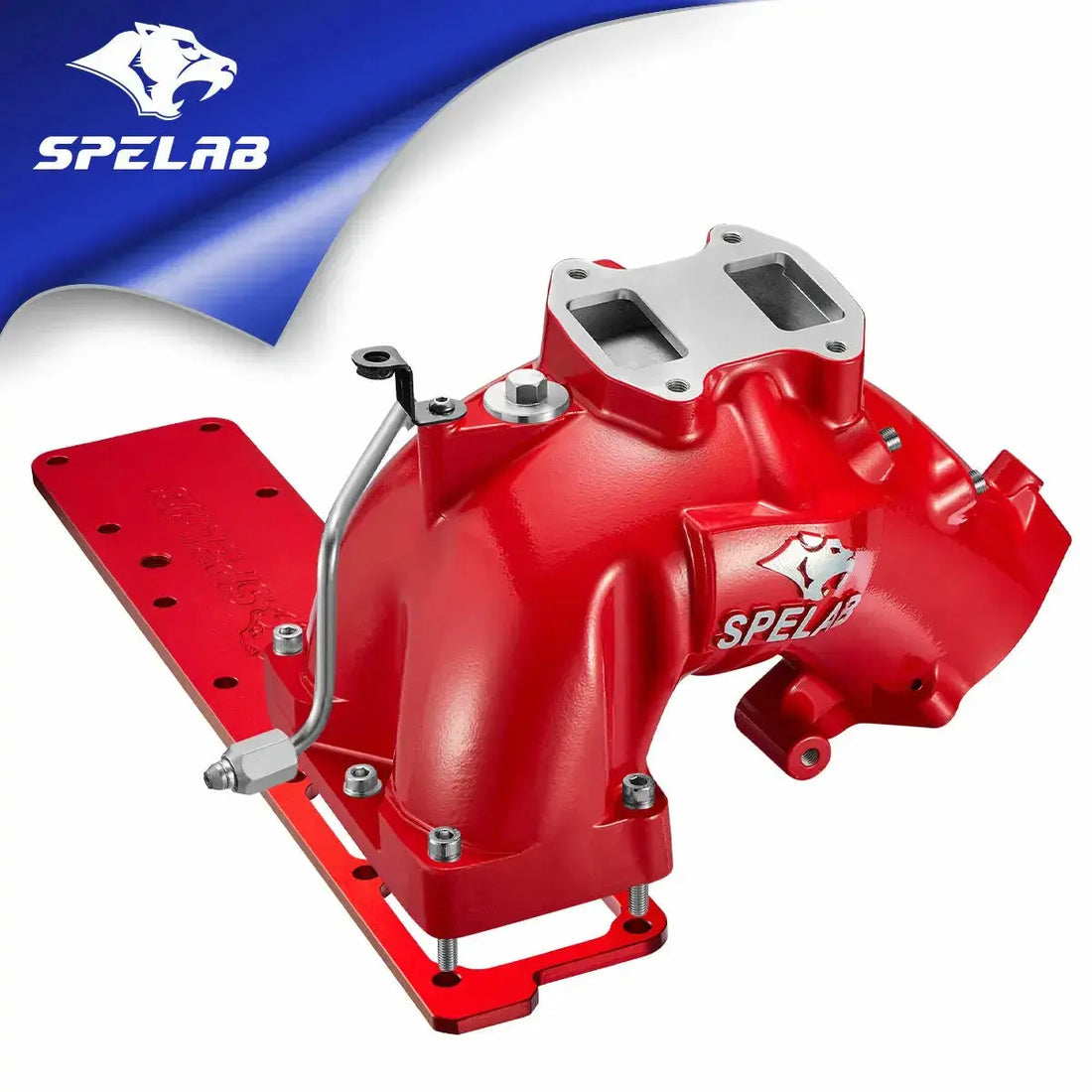
Prevention Option 3: Heater-Retaining Intake Horn Upgrade
Some owners do not want to remove all cold-start support, especially in northern states or Canada. For those trucks, a heater-retaining upgrade can be a better solution than a full delete.
The goal is to remove or relocate the factory bolt risk while still supporting cold-weather starting. A well-designed intake horn upgrade can also clean up airflow through the intake path and reduce restriction around the factory grid heater area.
If you do not want to fully give up heating support, compare the SPELAB 6.7 Cummins intake horn upgrade. It is a better match for owners who want airflow improvement while keeping cold-start needs in mind.
Grid Heater Delete vs Heater-Retaining Upgrade
The right solution depends on climate, truck use, cold-start needs, and how much risk you want to remove.
| Option | Best For | Pros | Cons |
|---|---|---|---|
| Regular inspection | Owners keeping the factory setup | Lowest cost and keeps cold-start function | Does not remove the factory failure point |
| Grid heater delete plate | Warm climates, off-road-use trucks, failure-prevention builds | Removes the bolt ingestion risk from the factory grid heater | Can reduce cold-start help in freezing weather |
| Heater-retaining intake horn upgrade | Cold climates, daily drivers, tow rigs | Balances airflow, risk reduction, and cold-start support | Costs more than basic inspection |
If you are still deciding, this guide comparing whether to delete or upgrade the grid heater can help you choose the right path.
Cold Weather Warning Before Removing the Grid Heater
The grid heater exists for cold starts. If your truck regularly starts in freezing temperatures, especially below about 14°F / -10°C, a full grid heater delete may make cold starts harder.
Cold-climate owners should consider one or more of the following:
- Heater-retaining intake horn upgrade
- Block heater or coolant heater
- Strong batteries and clean battery connections
- Proper winter fuel and anti-gel support where appropriate
- High-quality synthetic oil suited for cold temperatures
Warm-climate owners may have fewer concerns, but cold-start behavior still depends on battery health, compression, oil viscosity, fuel quality, and ambient temperature.
What to Do If You Already Have P2609 or P0542
If your truck has P2609 or P0542, do not assume the repair is only a sensor or relay. These codes can point to a heater circuit issue, connection problem, high resistance, relay problem, or grid heater hardware concern.
Diagnostic Steps
- Scan and record all codes before clearing them.
- Inspect battery voltage and battery cable condition.
- Check intake heater relay and related wiring.
- Inspect the grid heater power connection for heat damage or looseness.
- Look for melted hardware, discoloration, or burnt smell.
- If hardware damage is suspected, do not continue driving until inspected.
Important: If the engine suddenly knocks, shakes, or runs roughly after a heater code, stop driving. That could indicate internal damage or debris ingestion, and continued driving may make the repair worse.
For more diagnosis-focused reading, see this guide on diagnosing the grid heater bolt failure risk.
Installation and Inspection Safety Tips
Whether you inspect, delete, or upgrade the grid heater, the intake path must stay clean. This job is not difficult for experienced DIY owners, but one dropped washer or carbon chunk can cause major damage.
| Risk | How to Avoid It |
|---|---|
| Dropped bolt or washer | Cover the intake opening immediately and keep hardware organized |
| Paper towel fibers in intake | Use shop towels or proper port covers, not weak paper towels |
| Loose electrical connector | Confirm every connector clicks into place after installation |
| Incorrect torque | Use the product instructions or factory service manual |
| Cold-start issue after delete | Plan heater support before removing the grid heater function |
Torque note: Many 6.7 Cummins intake horn or grid heater plate installations use around 18 lb-ft, or about 24 Nm, for intake-related bolts. Always follow the instructions for your exact kit and tighten evenly to avoid gasket leaks, stripped threads, or uneven sealing.
Compatibility Check Before You Order
Before ordering parts, confirm your truck’s model year, engine, climate needs, and whether you want to keep cold-start heating support. A 2007.5–2012 work truck in a warm state may not need the same solution as a 2019+ daily driver in Minnesota or Canada.
- Warm climate / off-road use: Grid heater delete plate may be the cleaner solution.
- Cold climate / daily driver: Heater-retaining intake horn upgrade may be safer.
- P2609 or P0542 already present: Diagnose wiring, relay, and grid heater hardware before ordering.
- High-mileage truck: Inspect intake carbon buildup, electrical connections, and grid heater hardware.
If you are not sure which direction fits your truck, use the product fitment details on the 6.7 Cummins grid heater delete plate page or the 6.7 Cummins intake horn upgrade page before buying.
Final Recommendation
If your 6.7 Cummins still has the factory grid heater assembly, do not panic, but do not ignore the risk either. Many trucks never fail, but the failure mode is serious enough that preventive inspection or an upgrade is worth considering.
If you live in a warm climate or use the truck in off-road applications, a grid heater delete plate can remove the factory bolt ingestion risk. If you live in a cold climate or daily drive the truck through winter, a heater-retaining intake horn upgrade may be the better choice.
The safest decision is based on climate, truck use, mileage, fault codes, and cold-start needs—not just fear or internet stories.
FAQ
Q: What is the 6.7 Cummins grid heater bolt failure?
A: It is a failure where the factory grid heater bolt, stud, or nut can loosen, melt, or break. If hardware enters the intake path, it can reach the engine and damage the piston, valve, cylinder head, or block.
Q: Why do owners call it the “killer bolt”?
A: Because the part is small but the consequence can be huge. If the bolt or nut falls into the intake and reaches cylinder #6, it can cause severe internal engine damage.
Q: What code is linked to 6.7 Cummins grid heater problems?
A: P2609 and P0542 are commonly discussed intake air heater-related codes. They can point to heater circuit performance, voltage, relay, wiring, connection, or grid heater hardware issues.
Q: Does P2609 mean the bolt has already fallen into the engine?
A: Not always. P2609 means the intake heater system needs diagnosis. Inspect the circuit, relay, wiring, connectors, battery voltage, and grid heater hardware before assuming internal damage.
Q: Which 6.7 Cummins years have grid heater bolt concerns?
A: Owner reports often focus on 2013–2024 trucks, but discussions can include 2007.5+ 6.7 Cummins applications. Not every truck fails, but higher-mileage trucks and trucks with intake heater codes deserve inspection.
Q: Is there an official recall for the 6.7 Cummins grid heater bolt?
A: There have been intake air heater relay or connector-related recalls on certain Ram trucks, but that is not the same as a universal grid heater bolt ingestion recall. Check your VIN with Ram, Mopar, or NHTSA for recall status.
Q: How do I prevent grid heater bolt failure?
A: Preventive options include regular inspection, checking intake heater codes, inspecting electrical connections, installing a grid heater delete plate, or choosing a heater-retaining intake horn upgrade.
Q: Is it safe to delete the grid heater on a 6.7 Cummins?
A: It can be safe for many warm-climate or off-road-use trucks, but cold starts may become harder in freezing weather. Cold-climate daily drivers should consider heater-retaining options or additional cold-start support.
Q: Will a grid heater delete trigger a check engine light?
A: It can if the intake heater circuit is not handled correctly or if the truck expects heater function. Always follow the kit instructions and scan for codes after installation.
Q: Does a grid heater delete improve performance?
A: It may reduce restriction in the intake path, but it should mainly be viewed as a failure-prevention and airflow-support modification. Do not expect major horsepower gains from the delete plate alone.
Q: Should I choose a delete plate or intake horn upgrade?
A: Choose a delete plate if removing the factory bolt risk is the main goal and cold-start support is less important. Choose a heater-retaining intake horn upgrade if you want better airflow while keeping cold-start support.
Q: What is the biggest mistake during grid heater inspection or installation?
A: Dropping debris into the intake port. Always cover the intake opening, keep hardware organized, and avoid using paper towels that can tear or shed fibers.

John Lee
Mechanical Engineer | 10+ Years Experience
John has spent the last decade engineering and testing high-performance automotive components. Specializing in drivetrain durability and thermal management across Powerstroke, Cummins, and Duramax applications, he bridges the gap between OEM limitations and aftermarket performance. His philosophy: "Factory parts are just a starting point."